
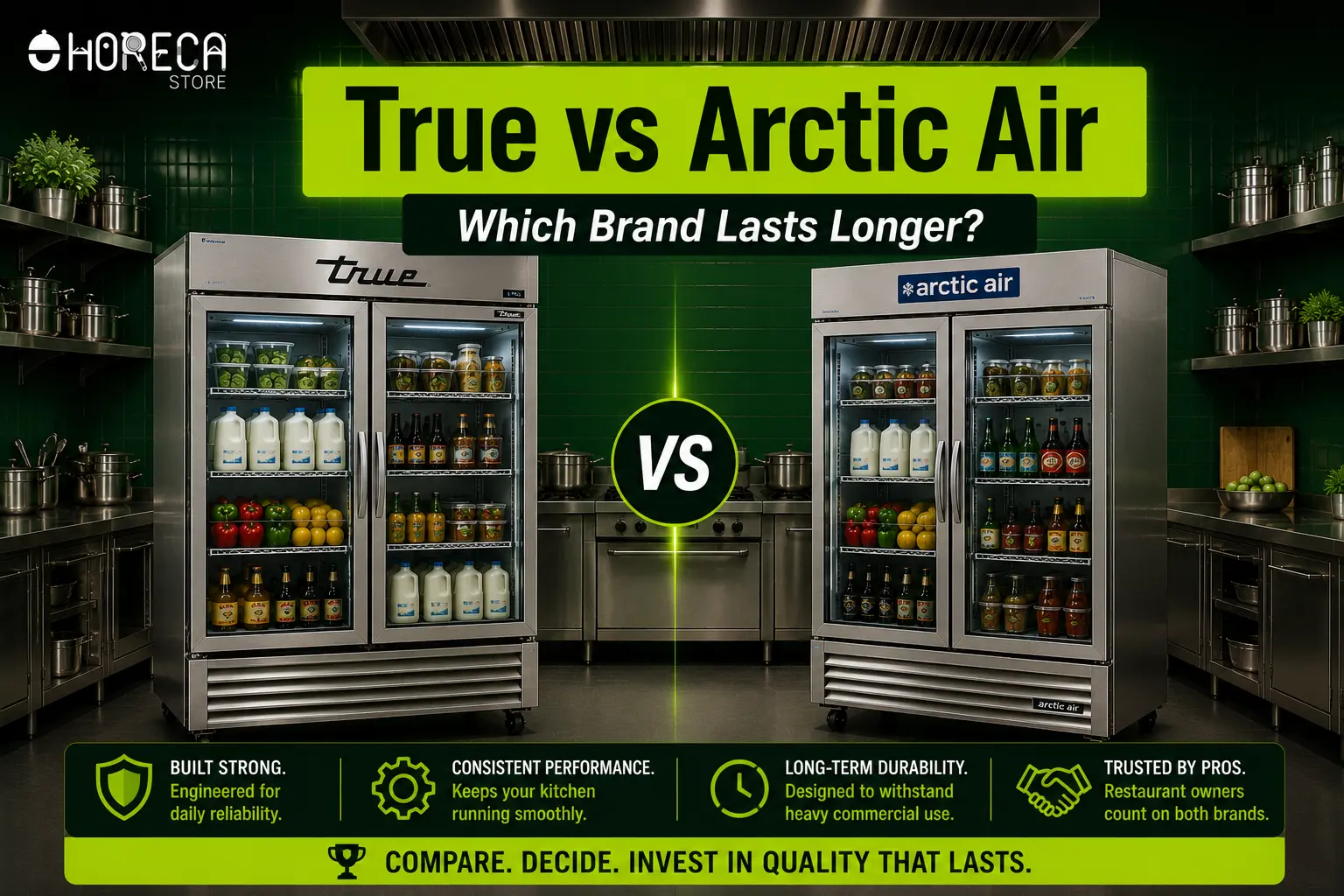
Running a commercial kitchen is a high-stakes operation. Between the intense heat of the cooking line, the fast-paced movement of the staff, and the absolute necessity of keeping ingredients at safe temperatures, reliable refrigeration is the undisputed backbone of your business. When outfitting a kitchen, restaurateurs and facility managers often face a classic debate: True Refrigeration vs Arctic Air.
Both brands are highly recognizable in the foodservice industry, but they cater to slightly different needs, budgets, and operational demands. While True Refrigeration has long been heralded as the premium industry standard, Arctic Air has carved out a massive footprint by offering budget-friendly, reliable alternatives. But which brand holds up better in the grueling environment of daily commercial use?
In this comprehensive guide, we will break down the construction, longevity, and efficiency of these two commercial heavyweights. Furthermore, we will explore total temperature management—because keeping your food cold is only half the battle. Keeping your staff cool in a sweltering environment using modern air conditioning and compact cooling devices is just as crucial for a productive business.

The Heavyweights: Brand Pedigree and Market Position
Before diving into the technical specifications, it is important to understand the philosophy behind each brand.
True Refrigeration is manufactured in the United States and has built a decades-long reputation for premium quality. True utilizes high-quality metals, oversized compressors, and heavy-duty components. They are the go-to choice for high-volume, continuous-use kitchens that demand equipment capable of lasting 10 to 15 years with proper maintenance.
Arctic Air, on the other hand, was developed to fill a massive void in the market: affordable, commercial-grade refrigeration for startups, independent restaurants, and lower-volume operations. Since 1995, Arctic Air has produced equipment that passes strict commercial health codes without the premium price tag of an American-made unit. While their units are manufactured overseas, they are rigorously tested and backed by excellent domestic warranties.
When evaluating True Refrigeration vs Arctic Air, the choice rarely comes down to which one is "bad." Rather, it comes down to matching the equipment to your specific daily operational volume and budget.
Build Quality and Daily Commercial Durability
In a commercial kitchen, doors are kicked shut, carts ram into the sides of coolers, and ambient temperatures can soar. Build quality dictates how well your investment will survive.
Exterior and Interior Materials
True Refrigeration typically utilizes 300-series stainless steel for its exteriors. This premium-grade steel is highly resistant to dents, scratches, and—most importantly—rust and corrosion. Inside, True often uses clear-coated aluminum lined with stainless steel floors, making deep cleaning incredibly easy.
Arctic Air relies heavily on 430-series stainless steel. While it looks visually identical to True’s finish, 430-series steel is magnetic and slightly more prone to denting and long-term corrosion if exposed to highly acidic environments (like a pizzeria prep station) without frequent cleaning. Inside, Arctic Air generally uses white ABS plastic or standard aluminum.
Compressor Power and Recovery Time
When a cook opens a refrigerator door thirty times an hour, the internal temperature drops. How fast the fridge pulls that temperature back down to a safe zone (under 41°F) is called recovery time.
- True Refrigeration: Uses oversized, factory-balanced refrigeration systems. They recover temperature exceptionally fast, making them ideal for the hottest, busiest kitchens.
- Arctic Air: Uses standard-sized, reliable compressors. They maintain safe temperatures perfectly well, but their recovery time is slightly slower. They are best suited for medium-duty use or as secondary storage coolers rather than the primary line-cooler during a Friday night dinner rush.
Maximizing Efficiency and Lowering Overhead Costs
Running massive commercial refrigerators 24/7 consumes a significant amount of electricity. Just as homeowners look for strategies regarding reducing home electricity costs, restaurant operators must aggressively track their energy usage to maintain their profit margins.
Both True and Arctic Air have transitioned to using R290 hydrocarbon refrigerant. This is an environmentally friendly refrigerant that boasts superior thermodynamic performance, meaning it cools faster while using less energy.
If you want to know how to maximize cooling efficiency in your commercial units, follow these daily and monthly protocols:
- Keep Condenser Coils Clean: Dust and grease insulate the coils, forcing the compressor to work twice as hard. Brush and vacuum the coils monthly. True offers a patented reversing fan motor that blows dust off the coils daily, a major advantage for efficiency.
- Inspect Door Gaskets: A cracked rubber gasket leaks cold air constantly. Test the seal by closing a dollar bill in the door; if it pulls out with zero resistance, it is time to replace the gasket.
- Ensure Proper Airflow: Never push commercial coolers flush against a wall unless they are front-breathing. Compressors need room to expel hot air.
Investing in energy saving cooling devices and maintaining them properly will drastically reduce your monthly utility overhead, regardless of which brand you choose.
Keeping Staff Cool: When Commercial AC Isn't Enough
While True and Arctic Air are battling it out to keep your ingredients cold, you have another temperature problem to solve: your staff.
Commercial kitchens generate massive amounts of BTUs (heat). Ovens, fryers, and dishwashers can push kitchen temperatures past 100°F (38°C). Standard central air conditioning simply cannot keep up with this ambient heat, and pumping more AC into a kitchen with massive exhaust hoods is like throwing money out the window. Furthermore, staff stationed at hostess stands, drive-thru windows, or small back-office desks often suffer from poor air circulation.
This is where individual workspace cooling comes into play. To bridge the gap between heavy-duty commercial refrigeration and personal comfort, many businesses are turning to compact indoor air chillers and evaporative technology.
The Rise of Evaporative Coolers in the Workplace
For areas where installing additional ductwork is impossible, managers are looking for eco-friendly room cooling solutions. Small, consumer-grade evaporative coolers (often sold under brand names that coincidentally share the name "Arctic Air") have become incredibly popular for desks and small workstations.
When comparing a personal air cooler vs air conditioner, the mechanics are completely different. Air conditioners use chemical refrigerants and compressors to remove heat and moisture from the air. Conversely, personal coolers utilize evaporative cooling technology. They pull warm ambient air through a water-soaked filter. As the water evaporates, it naturally absorbs heat, blowing out a chilled, humidified breeze.
Setting Up the Ideal Cooling Workstation
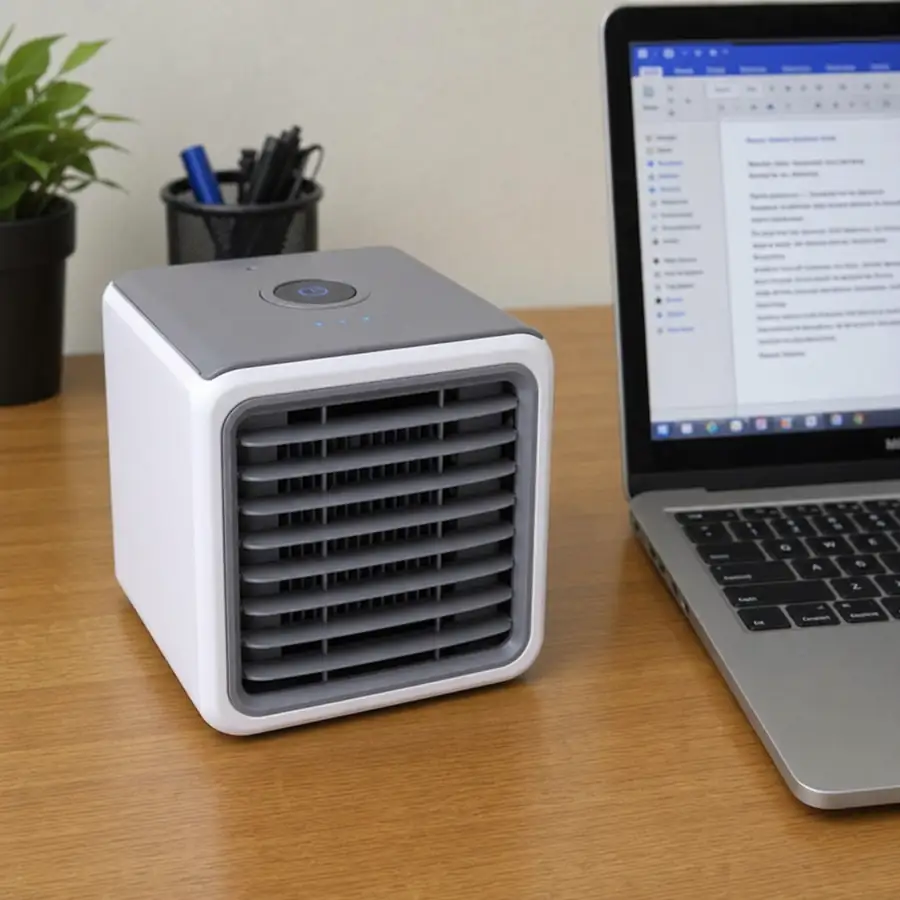
If you are trying to keep your back-office manager or hostess comfortable, setting up USB desktop coolers is an affordable, energy-efficient solution. Because they run on standard USB power, they can be plugged directly into a computer or a standard phone charging block.
When sourcing these personal units, look for specific low noise desk fan features. A loud fan can disrupt communication with customers or phone calls with vendors. Additionally, units with multi-directional airflow vents allow the user to point the chilled breeze directly at their face or torso without freezing out the person sitting next to them.
For staff working outside on restaurant patios or at hot drive-thru windows, you might also consider portable misting fan benefits. These larger fans combine standard airflow with a fine water mist, providing instant relief for outdoor staff during the peak summer months.
Maintenance Matters: From Commercial Fridges to Desktop Chillers
The longevity of any cooling device—whether it is a $4,000 True Refrigeration prep table or a $40 personal desktop cooler—comes down to proactive maintenance.
Commercial Maintenance
As mentioned earlier, commercial units require strict coil cleaning and gasket inspections. For Arctic Air units, which lack the auto-reversing fan feature found in premium True models, you must be rigorous about manual cleanings. Neglecting this will lead to premature compressor failure, wiping out the initial money you saved by buying a budget-friendly brand.
Personal Cooler Maintenance
Personal evaporative coolers require an entirely different type of upkeep. Because they rely on water to function, they are susceptible to mold, mineral buildup, and leaking.
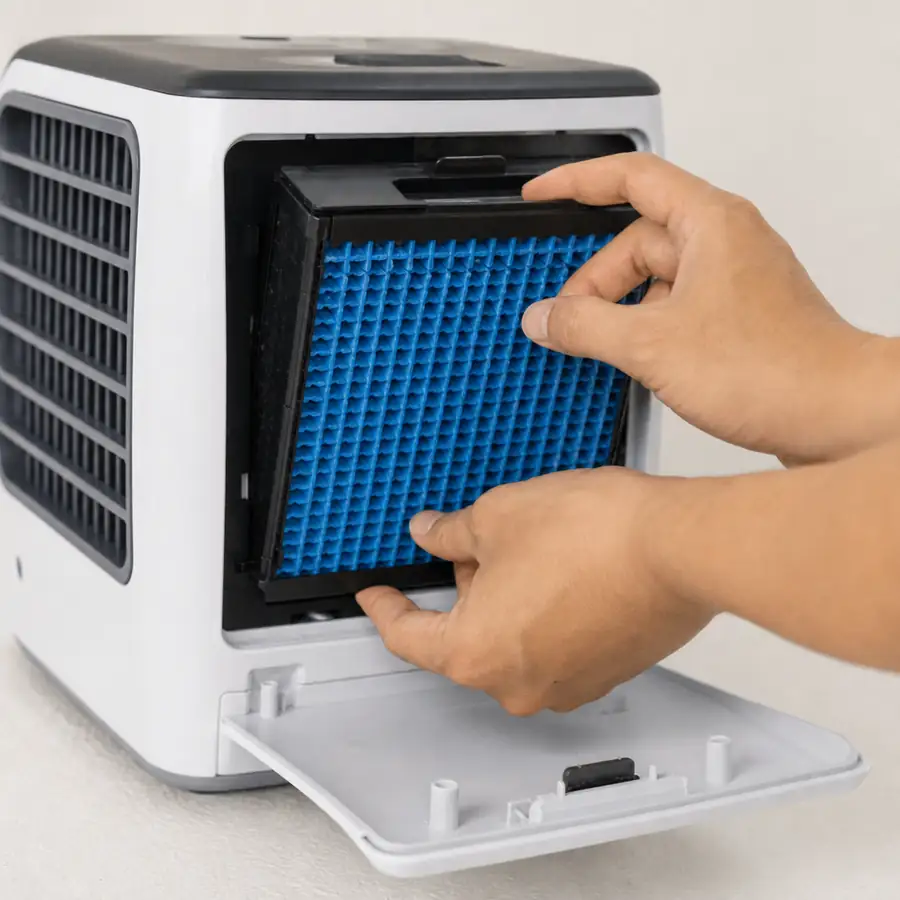
- Hydro-Chill Filter Maintenance: The heart of a personal cooler is its filter. To maintain peak performance, remove the filter weekly, rinse it with equal parts water and white vinegar, and let it air dry completely to prevent mildew odors.
- Replaceable Cooling Cartridge Guide: Most manufacturers recommend replacing the internal cooling cartridge every 3 to 6 months, depending on daily usage and local water hardness. If the air coming from the unit no longer feels cold, or if the filter looks permanently discolored, it is time for a replacement.
- Troubleshooting Water Tank Leaks: A common issue with desktop chillers is water pooling on the desk. If you are troubleshooting water tank leaks, first ensure the unit is sitting on a perfectly level surface. Evaporative coolers rely on gravity-fed water basins; tilting them will cause spillage. Secondly, check the water reservoir cap for cracks and ensure you are not overfilling past the designated "Max" line.
Evaluating Reviews and Making Your Final Choice
When equipping your business, making informed decisions is critical. Just as an office manager might spend hours reading portable space cooler reviews to find the quietest fan for the administrative staff, restaurant owners must look past the price tag of commercial refrigeration and evaluate long-term value.
Choose True Refrigeration if:
- You run a high-volume, fast-paced kitchen (like a busy diner or fast-food franchise).
- Your kitchen ambient temperatures frequently exceed 90°F.
- You want equipment that will last over a decade and retain a high resale value.
- You prefer the durability of premium 300-series stainless steel.
Choose Arctic Air (Commercial) if:
- You are a startup restaurant, café, or bakery with a strict opening budget.
- The unit will be used for medium-duty prep or as supplementary backup storage.
- You are outfitting a front-of-house area, like a coffee shop counter, where the ambient temperature is well-controlled by central AC.
- You have a strict maintenance schedule in place to keep the lighter-duty components clean and functioning.
True Refrigeration vs Arctic Air: Which Brand Holds Up Better in Daily Commercial Use?
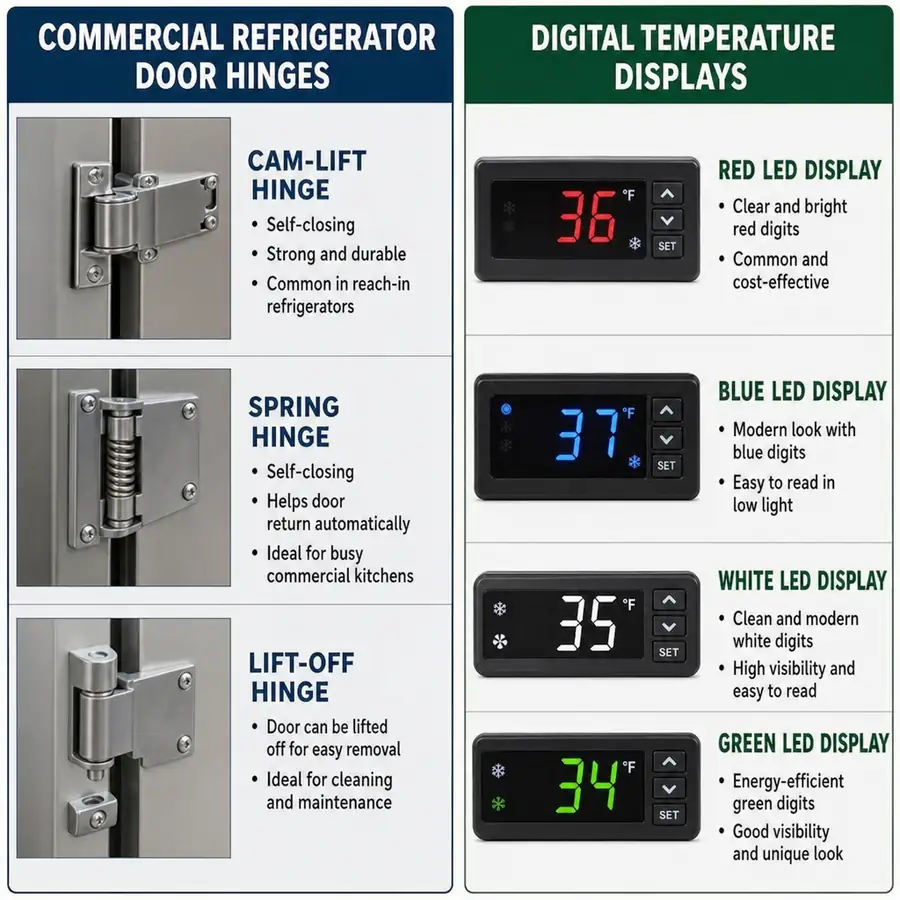
When it comes to demanding restaurant environments, both True Refrigeration and Arctic Air offer commercial refrigeration designed for everyday foodservice use, but they take different approaches to value and performance. True positions its equipment as a premium commercial refrigeration solution, emphasizing durable materials, engineered refrigeration systems, energy efficiency, and long-term support. Its current hydrocarbon refrigeration units come with True’s 7-year parts, 7-year labor, and 7-year compressor warranty, while the company also maintains a broad parts inventory and service network. Arctic Air focuses more strongly on affordability while still offering commercial-grade features. Its products include stainless-steel interiors, bottom-mounted condensing units, digital temperature controls, and removable door gaskets, with the company stating that its equipment is tested to NSF standards and subjected to quality-control inspections before shipment.
For restaurants operating long hours with frequent door openings, heavy inventory turnover, and demanding kitchen conditions, True may be the stronger choice when long-term durability, service support, and warranty protection are the priorities. Arctic Air can be an attractive alternative for businesses that want commercial performance while keeping the initial equipment investment lower. Warranty coverage is an important difference to consider: current Arctic Air coverage varies by model, with many products offering 2 years of parts and labor plus 5 years of compressor-part coverage, while certain models have shorter coverage. Ultimately, the best choice depends on your budget, usage level, kitchen environment, maintenance expectations, and desired service life. The Horeca Store can help restaurant owners compare commercial refrigeration options and select equipment that provides the right balance of reliability, performance, and value for their operation.
Conclusion
The battle between True Refrigeration and Arctic Air isn't about which brand is universally "better"—it is about which brand is better for your specific application. True offers unyielding durability and rapid temperature recovery for heavy daily use, making it an investment in long-term peace of mind. Arctic Air offers incredible value and reliable cooling for businesses that need commercial-grade safety without the premium cost.
Ultimately, successful temperature management in a commercial setting is a multi-tiered approach. By investing wisely in your main kitchen refrigeration, maintaining your equipment meticulously, and utilizing smart, compact evaporative cooling technology to keep your hardworking staff comfortable, you can maximize your operational efficiency and keep your business running smoothly, no matter how hot it gets in the kitchen.