
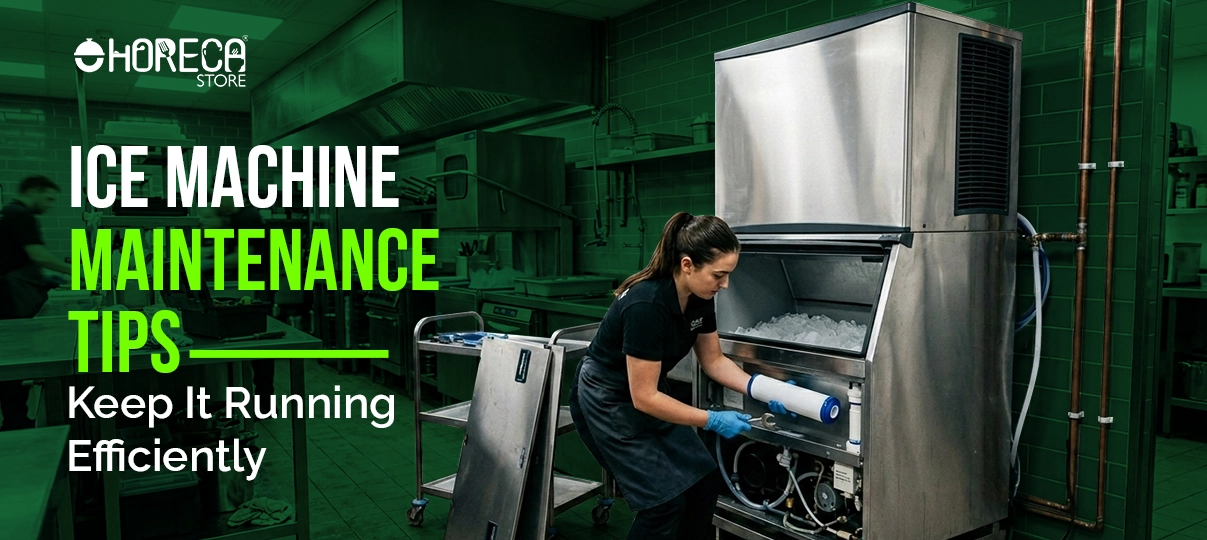
Is your ice cloudy or developing a funky taste? You're not imagining it. Your ice machine needs regular TLC to produce the crystal-clear, fresh-tasting ice you love. Fortunately, maintenance is easier than you might think. Most expensive repair calls stem not from sudden failure, but from a slow buildup of minerals and slime. A few simple habits can prevent these issues before they start. Use these Top Tips for Ice Machine Maintenance to keep performance high and taste clean.
Regular descaling and cleaning offer surprising benefits. Following a simple routine will keep your machine humming and your drinks perfectly chilled.
Start Here: 5-Minute Habits for Better Ice Instantly
The biggest source of ice contamination is often on the outside. Every time someone touches the door or handle, they can transfer germs. A quick weekly wipe-down of the exterior with a clean, damp cloth is your first line of defense against mold and prevents surface dust from finding its way into the bin.
Likewise, the ice scoop can transfer germs directly to the ice supply. Never leave it buried in the bin. Instead, always use a dedicated scoop and store it in a clean, separate container or an attached holder. This simple separation is critical for keeping your ice sanitary.
These two habits instantly make your ice safer. But to tackle the buildup you can't see, you must distinguish between two equally critical jobs: cleaning and descaling.
Cleaning vs. Descaling: Why Your Ice Machine Needs Both
Think of internal maintenance like cleaning a bathroom sink. You use one product to scrub away grime (that's cleaning), but you need a different one to dissolve hard water spots (that's descaling). Your ice machine requires both.
Cleaning cycles remove slime, mold, and other organic buildups that cause bad tastes and smells. Descaling fights mineral buildup called scale. If you have hard water, you've seen scale as the chalky, white crust inside a tea kettle. Inside an ice machine, scale coats the parts that get cold, forcing the machine to work much harder to produce ice.
Most manufacturers recommend a cleaning cycle every three to six months, but your machine will give you clues:
- You should CLEAN your machine if: You notice any slimy texture, bad odors, or as part of your regular six-month maintenance.
- You should DESCALE your machine if: Ice production has slowed down, the cubes look cloudy or small, or you can see chalky buildup inside.
Before running a cycle, check your manual for the best ice machine cleaner solution for your model. This is critical, as many machines have sensitive nickel-plated parts. Using a harsh descaler that isn't labeled 'nickel-safe' can cause permanent damage and lead to expensive repairs. Choosing a nickel-safe product is one of the smartest things you can do.
Why Your Ice Machine Needs to 'Breathe': Clearing Vents and Filters
If your machine isn't making much ice or the unit feels warm, the problem might be airflow. To make ice, your machine must expel heat through its air vents. If these vents get clogged with dust, lint, and grease, the machine can't 'breathe.' It will overheat, struggle to produce ice, and put serious strain on its internal parts.
To fix this, find the vents—usually on the front, sides, or back. Unplug the machine for safety, then use a vacuum with a soft brush attachment to gently pull away any buildup. A damp cloth can handle any stubborn grime. If your machine has a removable air filter, simply slide it out and rinse it with warm water.
Making this a monthly habit is a quick job that pays off big. A machine that can breathe freely works more efficiently, produces ice faster, and is far less likely to break down. If your ice maker is built into a refrigerator, poor ventilation can mimic a need for refrigerator repair, so clear those vents first.
Gently vacuuming the air vents monthly prevents the machine from overheating.
The Secret to Fresh-Tasting Ice: When and How to Change Your Water Filter
A strange taste or smell in your ice often comes from the water itself. Your ice machine's water filter acts like one in a household pitcher, catching chlorine, sediment, and other impurities. It's your primary defense against bad-tasting cubes.
However, the filter eventually gets full. A saturated filter stops working and can restrict water flow, forcing your machine to work harder for less ice. Plan on an ice machine water filter replacement at least every six months. If your home has hard water or you notice a decline in taste sooner, you may need to replace it more often.
Finding the correct replacement is simple. The model number is usually printed on the side of the old filter cartridge or listed in your machine's user manual. A fresh filter is a key component for guaranteeing great-tasting ice. If taste or odor persists after a filter change, consider scheduling service to inspect valves and water lines.
Your Simple Ice Machine Maintenance Checklist
By understanding the simple forces at work—from water quality to airflow—you can transform confusing issues like cloudy ice or slow production into simple, preventable tasks. This checklist helps you manage your machine effectively and protect your investment.
Put these steps into action this month. Start by wiping the exterior and clearing the vents to see how a few minutes of care make a difference. Each check-in guarantees fresh-tasting ice and helps you avoid a future call for an expensive repair. With a clear routine, you are in control of your machine's health and performance.
Still having trouble despite regular care? Contact a qualified pro: search ice machine repair near me or ice maker repair near me for service specific to your unit. For integrated or combo systems, you might also look for refrigerator repair, freezer repair, or home appliance repair near me to find a technician who can diagnose water or cooling problems. If you're not sure who to call for refrigerator repair, your local directories can help you compare options quickly.
Keep Your Ice Machine Running Efficiently with The Horeca Store
Proper maintenance is essential to ensure your ice machine delivers consistent performance, produces clean ice, and enjoys a longer service life. The Horeca Store offers a wide selection of commercial ice makers from trusted brands that are designed for durability, efficiency, and easy maintenance. Whether you need an under-counter, modular, or high-capacity ice machine, we provide reliable solutions for restaurants, cafés, bars, hotels, healthcare facilities, and other foodservice businesses.
In addition to supplying premium commercial ice machines, The Horeca Store helps businesses choose equipment that matches their production needs and maintenance requirements. With competitive pricing, expert product advice, and dependable customer support, we make it easy to invest in an ice machine that delivers reliable performance while minimizing downtime and maintenance costs.