
Top Tips for Buying Used Kitchen Equipment
Buying used kitchen equipment can be a smart way to stretch a startup budget, replace a failing unit, or expand production without paying full new-equipment costs. The key is knowing what to inspect, how to compare value, and when a "deal" may become expensive after repairs, transport, or downtime. This used restaurant equipment buying guide walks through practical checks for restaurants, cafés, caterers, bakeries, and foodservice operators looking for dependable equipment at a sensible price.
What should you check before buying used kitchen equipment?
Before buying used kitchen equipment, compare condition and value against similar used restaurant equipment options.
Before buying used kitchen equipment, check the unit's condition, age, performance, energy needs, cleaning history, repair record, and whether parts are still available. You should also compare the used unit against similar new commercial kitchen equipment so you can judge whether the discount is meaningful after delivery, installation, servicing, and any missing accessories.
Used equipment is not automatically a bargain. A low purchase price can look attractive, especially when you are searching for budget kitchen supplies or affordable kitchen appliances, but the real value depends on how much useful life the item has left. A used refrigerator with worn door gaskets, inconsistent temperatures, and hard-to-find parts may cost more in the long run than a newer unit with better efficiency and support.
Start by deciding what the equipment must do every day. A lightly used prep table for occasional catering has a different risk profile than a fryer, combi oven, or used commercial refrigeration unit that will run through long service hours. Your goal is not simply to buy cheap used cooking equipment; it is to buy equipment that can keep up with your workflow.
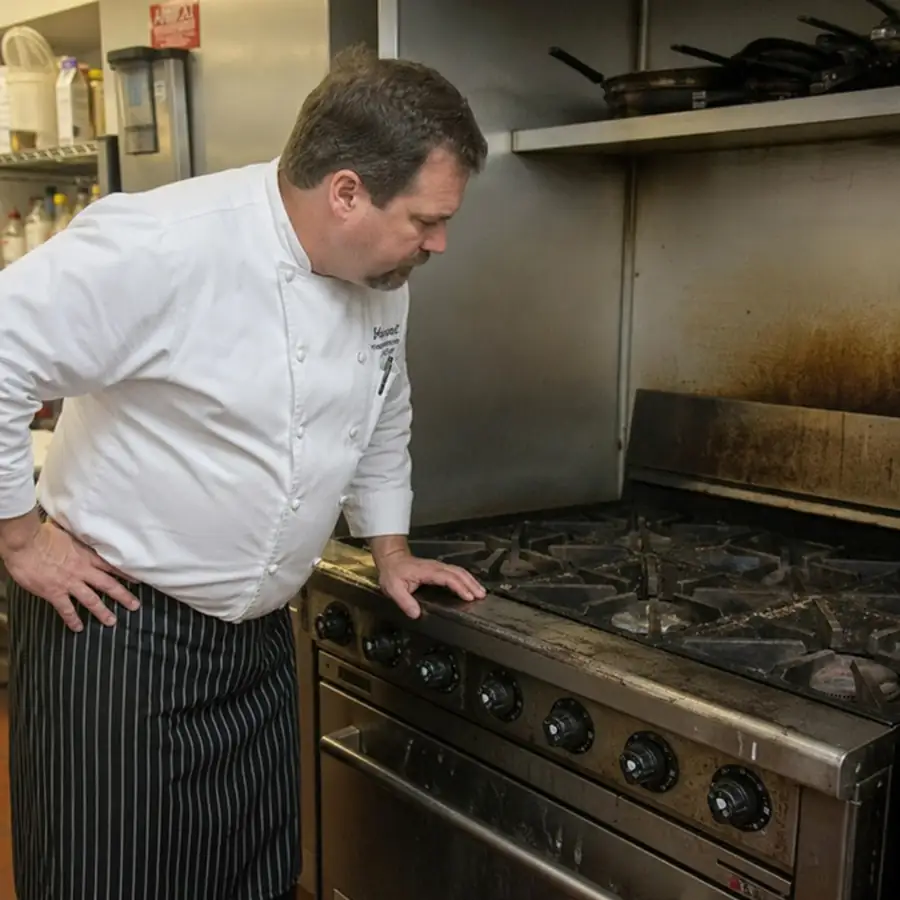
Start with the job the equipment must perform
Start with the job the equipment must perform so used cooking equipment and used prep tables match real kitchen demand.
The best purchases begin with a clear operational need. Write down the menu items, batch sizes, service volume, available space, utility connections, ventilation limits, and cleaning requirements before you start browsing used restaurant equipment. This keeps you from buying a tempting piece that does not match your kitchen.
For example, used restaurant appliances may look similar online, but two ovens can differ dramatically in capacity, power requirements, recovery time, and footprint. A reach-in refrigerator may be ideal for a sandwich station but inadequate for bulk storage. A mixer may be affordable upfront but too small for dough production during peak hours.
Use this quick pre-shopping checklist:
- Measure the available floor space, including doorways, turns, and clearance around the unit.
- Confirm gas, electric, water, drain, and ventilation requirements.
- Identify the minimum capacity you need during your busiest period.
- Decide whether mobility, shelving, accessories, or digital controls matter.
- Check local health, fire, and building requirements before committing.
- Estimate delivery, rigging, cleaning, repair, and setup costs.
This step is especially important when comparing second hand commercial kitchen equipment across different sellers. If the item does not fit the job, even a steep discount will not make it a good purchase.
Compare used units against new-equipment benchmarks
Compare used units against new-equipment benchmarks so used commercial kitchen equipment discounts stay meaningful after repairs.
One of the smartest Top Tips for Buying Used Kitchen Equipment is to create a new-equipment benchmark before making an offer. Research the specifications and pricing of comparable new units so you understand what performance, capacity, energy use, materials, and features are available today. The Horeca Store can be used as a research resource for current commercial kitchen equipment options, helping buyers establish a practical benchmark for what comparable new equipment may offer.
This comparison gives the used price context. If a used oven costs significantly less than a comparable new model but has similar capacity, compatible utilities, available parts, and only moderate wear, it may represent strong value. If the used unit is old, inefficient, missing components, or close in price to a new alternative, the savings may not be enough to justify the risk.
When comparing used commercial kitchen equipment with new options, look beyond the sticker price:
- Specifications: capacity, dimensions, output, temperature range, controls, and construction materials.
- Operating needs: voltage, phase, gas type, water pressure, drainage, and ventilation.
- Efficiency: energy or water use where available, especially for refrigeration and warewashing.
- Support: parts availability, technician familiarity, manuals, and service access.
- Total cost: purchase price plus delivery, repairs, accessories, and downtime risk.
The practical benefit is simple: comparing a used commercial kitchen equipment unit against the specifications and pricing of comparable new equipment helps you assess whether the used purchase offers sufficient value. Without that benchmark, a discounted unit can seem appealing even when it is outdated, undersized, or overpriced for its remaining useful life.
Inspect condition, history, and cleanliness carefully
Inspect condition, history, and cleanliness carefully on used refrigerators, used ovens, and other powered appliances.
A thorough inspection can reveal problems that photos and short listings hide. Look for rust, dents, damaged seals, missing knobs, loose hinges, cracked welds, corrosion around water lines, grease buildup, and signs of poor storage. Heavy cosmetic wear is not always a deal-breaker, but it can signal hard use or weak maintenance habits.
Ask for the equipment's history whenever possible. Was it removed from an operating restaurant, stored in a warehouse, or sitting unused for months? Was it professionally cleaned before sale? Are service records available? Used foodservice equipment that has been maintained on schedule is usually a safer purchase than a mystery unit with no background.
For powered items, ask to see the equipment operate. A refrigerator should pull down to safe holding temperatures. A freezer should maintain temperature without excessive cycling. Burners should ignite evenly. Ovens should heat consistently. Mixers, slicers, dish machines, and processors should run without grinding, overheating, leaks, or unusual vibration.
Be more cautious with equipment that depends on compressors, motors, pumps, heating elements, or electronic boards. These components can be costly to repair. Used commercial refrigeration deserves special attention because temperature reliability affects food safety as well as product loss.
Know the difference between used, refurbished, and reconditioned
Know the difference between used, refurbished, and reconditioned gear before choosing refurbished restaurant gear.
The terms used, refurbished, and reconditioned are often used loosely, so ask what each one means in the specific listing. Plain used kitchen equipment is typically sold as-is or with limited assurance, depending on the seller. Refurbished kitchen equipment may have been cleaned, repaired, tested, or restored in some way, but the scope can vary widely.
Refurbished restaurant equipment and reconditioned commercial kitchen equipment may offer more confidence than an untested used unit, but only if the seller clearly explains the work performed. Ask whether parts were replaced, whether the unit was load-tested, who completed the work, and what documentation is available. Do not assume "refurbished" means like-new.
A simple way to evaluate these descriptions is to request specifics:
- What exactly was inspected?
- Which parts were replaced or repaired?
- Was the unit tested under normal operating conditions?
- Are manuals, accessories, or installation parts included?
- Is any written condition report available?
These questions help separate genuine refurbished restaurant equipment from ordinary used equipment with a polished exterior.
Where can you find used commercial kitchen equipment for sale?
You can find used commercial kitchen equipment for sale through trusted dealers and The Horeca Store used inventory.
You can find used commercial kitchen equipment for sale through restaurant equipment dealers, liquidation auctions, local classifieds, online marketplaces, closing restaurants, foodservice resellers, and surplus sales. Searching for "used commercial kitchen equipment near me" or "used kitchen equipment near me" can uncover local options, but you still need to inspect the item, verify dimensions, and calculate transport costs.
Local buying has clear advantages. You may be able to see the unit in person, test it before payment, and avoid long-distance freight damage. For large used commercial restaurant equipment, nearby sellers can also simplify pickup, rigging, and coordination with your contractor or technician.
Online options can expand your selection, especially if you need a specific size or category. However, photos can hide wear, and shipping heavy used restaurant kitchen equipment can be expensive. Ask for serial plates, videos of the unit running, close-up photos, and written details before placing a deposit.
Common buying sources include:
- Restaurant equipment dealers that carry new and used categories.
- Auction companies handling closures or remodels.
- Local restaurant groups and hospitality networks.
- Online marketplaces with seller ratings or buyer protections.
- Foodservice liquidation and surplus channels.
- Operators upgrading equipment and selling older units directly.
The Horeca Store can also be useful during this research stage as a reference point for current new commercial kitchen equipment specifications. Even when you are focused on used commercial restaurant equipment, seeing what new models provide can sharpen your expectations before negotiating.
Match risk level to the equipment category
Match risk level to the equipment category, especially for used fryers, used dishwashers, and used ice machines.
Not all used cooking equipment carries the same risk. Stainless steel worktables, shelving, sinks, smallwares, and some discounted kitchen gadgets are often lower-risk because their condition is visible and they have fewer complex parts. You still need to check measurements, stability, sanitation, and missing pieces, but there are fewer hidden systems to fail.
Cooking equipment sits in the middle. Ranges, griddles, fryers, steamers, and ovens can be excellent used buys when they are clean, functional, and compatible with your utilities. Still, you need to check ignition, thermostats, burners, oil wells, door seals, wiring, and ventilation requirements.
Refrigeration, ice machines, dishwashers, and high-tech equipment tend to carry higher risk. Compressors, pumps, sensors, and boards can fail after purchase, and repairs may quickly erase your savings. For these categories, buying used restaurant equipment only makes sense when the condition is strong, the price reflects the risk, and service support is realistic.
A practical risk ranking looks like this:
- Lower risk: prep tables, shelving, sinks, carts, racks, storage containers.
- Moderate risk: ranges, griddles, fryers, holding cabinets, mixers, slicers.
- Higher risk: refrigeration, ice machines, dish machines, combi ovens, specialty electronic equipment.
This does not mean you should avoid higher-risk categories. It means you should inspect them more carefully and demand a better value gap compared with new equipment.
Build the full cost before you negotiate
Build the full cost before you negotiate so used kitchen equipment savings include delivery, parts, and downtime.
When people think about buying used restaurant equipment, they often focus on the asking price. A better approach is to build the full landed cost. That includes pickup, freight, liftgate service, rigging, cleaning, replacement parts, technician inspection, installation materials, permits if needed, and lost time if the unit is not ready when expected.
This is where many "cheap" deals become less attractive. A used fryer may need new casters, baskets, thermostat work, and professional cleaning. A refrigerated prep table may need gaskets, shelves, pans, and service before it is safe to rely on. A large oven may require special transport and professional connection.
Before negotiating, estimate:
- Purchase price and taxes or buyer fees.
- Delivery, freight, or pickup costs.
- Cleaning and sanitation work.
- Technician inspection or startup service.
- Missing accessories and replacement parts.
- Utility changes, ventilation changes, or installation labor.
- The cost of delays if the unit fails soon after purchase.
Then compare that total to your new-equipment benchmark. If the final cost is too close to new, the used option may not be worth the uncertainty.
Plan for selling or trading equipment later
Plan for selling or trading equipment later if your used restaurant appliances need to be refreshed as volume grows.
A smart purchase also considers resale. If you eventually remodel, change menus, or close a location, you may need to sell used kitchen equipment or sell used commercial kitchen equipment to recover value. Choosing recognized equipment types, standard sizes, and well-maintained units can make resale easier.
If you are wondering where to sell used kitchen equipment, start with the same channels buyers use: local restaurant networks, equipment dealers, auction companies, online marketplaces, and hospitality groups. For larger assets, the question becomes where to sell used commercial kitchen equipment with the least hassle and the best chance of reaching serious buyers. Clear photos, serial plates, honest condition notes, and proof that the unit works can improve buyer confidence.
Good resale habits begin while you still own the equipment:
- Keep manuals, service records, and purchase documents.
- Clean equipment regularly and address small repairs early.
- Avoid unauthorized modifications that limit future use.
- Photograph the unit before it is disconnected.
- Note dimensions, utility requirements, and included accessories.
If you plan to sell used restaurant appliances later, avoid buying obscure equipment that only fits a narrow use case unless it is essential to your concept.
Use a final decision checklist
Use a final decision checklist covering utilities, warranty residual, and comparable used commercial refrigeration options.
Before you pay for used restaurant equipment, slow down and run through a final checklist. The excitement of finding a deal can make it easy to overlook practical details, especially when a seller says other buyers are interested.
Confirm these points before purchase:
- The equipment matches your menu, volume, and workflow.
- Measurements work for your kitchen and delivery path.
- Utility requirements match your site.
- The unit has been inspected in person or documented thoroughly.
- You have seen it operate, when applicable.
- Parts and service are reasonably accessible.
- The total landed cost is still meaningfully below a comparable new option.
- The seller's terms are clear, including payment, pickup, and returns if any.
- Cleaning, repair, and installation needs are included in your budget.
- You have compared the unit with current new-equipment benchmarks.
The Horeca Store can serve as one helpful reference for comparing specifications and pricing of new commercial kitchen equipment, giving you a clearer standard before you commit to a used purchase. That context helps you negotiate from facts rather than guesswork.
Final takeaway
Final takeaway: buy used kitchen equipment only when inspection, parts access, and total cost beat buying new.
Used kitchen equipment can be an excellent investment when you buy with discipline. Define the job, inspect the condition, understand the seller's claims, compare the unit with new alternatives, and calculate the full cost before deciding. Whether you are sourcing affordable kitchen appliances for a small café or evaluating used commercial kitchen equipment for a busy foodservice operation, the best deal is the one that performs reliably, fits your space, and leaves enough savings to justify the risk.