
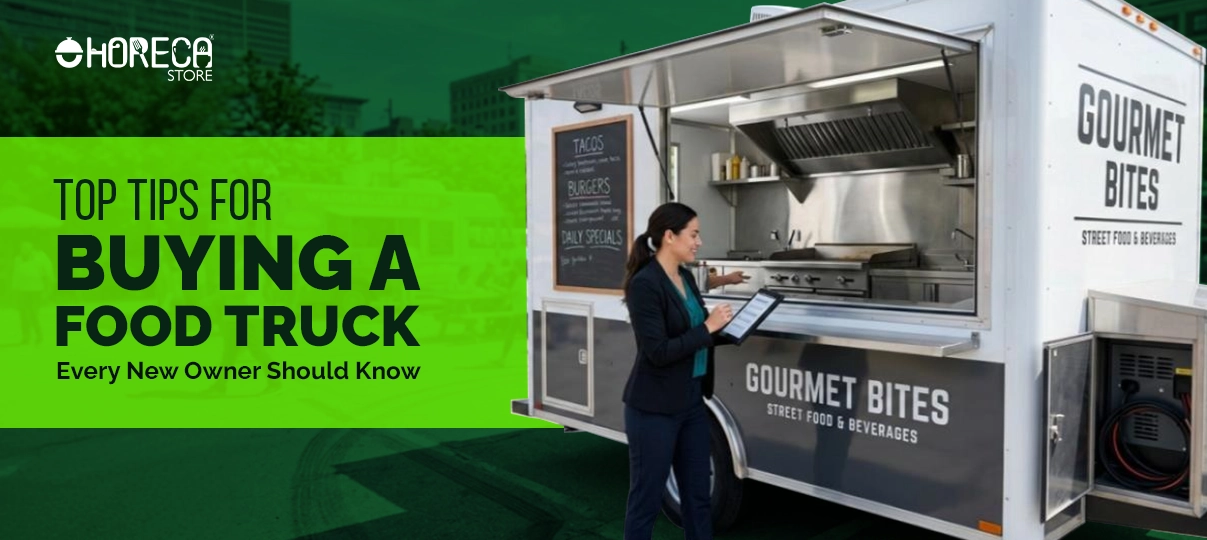
Starting a food truck business is an exciting venture. It offers the freedom to bring culinary creations directly to customers. But buying a food truck requires careful planning and research.
Understanding the food truck market is crucial. You need to know the demand and competition in your area. This knowledge will guide your business decisions.
Budgeting is another key step. Consider both initial costs and ongoing expenses. Food truck financing options, like loans or leases, can help manage these costs.
Choosing the right food truck is essential. Decide between new or used trucks based on your needs and budget. Each option has its pros and cons.
Inspecting the truck is vital. Check both mechanical and kitchen equipment conditions. A reliable truck ensures smooth operations.
Regulations and permits are part of the process. Ensure you comply with local laws to avoid issues. Insurance is also important for protection.
Finally, think about branding and marketing. A strong brand attracts customers and builds loyalty. With these tips, you're on your way to a successful food truck purchase.
Understanding the Food Truck Business Landscape
The food truck business is a dynamic and vibrant sector. It's a blend of creativity and mobility that appeals to many entrepreneurs. Before diving in, grasping the landscape is vital for success.
Start by researching current food truck trends. Knowing what's popular can help you shape your menu and offerings. Identify gaps in the market where your concept can thrive.
Understanding your competition is also crucial. Evaluate their strengths and weaknesses. This insight can guide you in differentiating your brand effectively.
Consider the audience you're targeting. Are there specific cuisines or food styles that resonate with them? Aligning your concept with customer preferences can boost your chances of success.
Finally, take note of the locations where food trucks thrive. Popular spots often include:
- Business districts
- Event spaces
- Tourist areas
- College campuses

Researching these factors provides a solid foundation. A clear understanding of the food truck landscape helps in crafting a strategy that stands out. With knowledge as your guide, you're better equipped to navigate this exciting industry.
Setting Your Budget and Exploring Food Truck Financing
Creating a realistic budget is essential when you plan to buy a food truck. Begin by identifying all potential costs involved. Remember, the initial purchase is only one part of the equation.
Consider additional expenses such as equipment, permits, and maintenance. Monthly costs like insurance, fuel, and staff wages should also be factored in. A well-rounded budget prevents unpleasant surprises down the line.
Financing is a crucial step for many aspiring food truck owners. Explore different financing avenues to find one that best suits your needs. Options include:
- Traditional bank loans
- Lease agreements
- Crowdfunding
- Personal savings
Each financing route has its own benefits and drawbacks. Loans can provide large amounts upfront, but they come with interest. Leasing might offer flexibility, yet ownership remains with the lessor.
Crowdfunding has gained popularity, particularly for unique concepts. It's a great way to rally community support. Conversely, dipping into personal savings offers control but reduces your financial safety net.
Being informed about financing helps you make prudent decisions. Review terms closely and plan how to manage repayment alongside daily operations. Proper budgeting and financing keep your food truck business on steady ground from day one.

New vs. Used Food Trucks: Which Should You Buy?
Choosing between a new or used food truck requires thoughtful consideration. Each option comes with distinct advantages and challenges. Begin by assessing your budget and business goals.
A new food truck provides modern features and a warranty for peace of mind. They come with the latest technology and are less likely to need immediate repairs. However, they often come with a heftier price tag.
A used food truck can be more budget-friendly and still meet your needs. Yet, be prepared for potential repairs and refurbishments. The condition of a used truck can vary significantly, so a thorough inspection is vital.
Consider these factors when deciding:
- Initial cost and long-term expenses
- Condition and age of the vehicle
- Customization needs
- Expected lifespan of the truck
Ultimately, whether you choose new or used depends on your unique business strategy. A new truck might suit those wanting the latest bells and whistles. A used one could be ideal for entrepreneurs focused on keeping costs down.
Carefully weigh your options to ensure you select the best truck for your food business venture.

Essential Features and Equipment to Look For
The right features and equipment are crucial for the success of your food truck business. They affect efficiency and service quality. Start by considering the specific menu you'll serve.
A good food truck layout ensures smooth operations. Think about the flow in the kitchen. Space should be ample for prep and cooking tasks. Ergonomics and ease of access make a difference during peak service times.
When evaluating equipment, prioritize reliability and durability. Ensure the truck has proper cooking equipment, such as grills or fryers, suited to your menu. Refrigeration units are essential for preserving ingredients. Be sure they can maintain optimal temperatures.
Safety features should not be overlooked. Fire extinguishers and first aid kits are vital. Install a reliable ventilation system to manage heat and smoke. Lighting should illuminate the workspace clearly.
Consider these features and equipment:
- Adequate cooking appliances
- Reliable refrigeration
- Efficient ventilation and lighting
- Safety equipment like extinguishers
Investing in quality features and equipment can increase the efficiency of your operations and improve your customer service. Make your choices based on your business needs.

Inspecting the Truck: Mechanical and Kitchen Considerations
Before you buy a food truck, a thorough inspection is essential. It ensures the truck’s condition matches your business needs. Start with the mechanical aspects.
Check the engine and transmission for any signs of wear. Test the brakes, tires, and suspension. A reliable truck minimizes downtime due to mechanical issues. Don’t forget the electrical system and battery, as they power essential kitchen equipment.
Focus next on the kitchen area. Ensure all equipment, from stoves to sinks, is in good working condition. Evaluate the water and waste systems, as well. Functionality in these areas is crucial for compliance and efficiency.
Look for any signs of rust or damage in the truck’s body. Structural integrity is as important as aesthetics. Look closely to spot potential weak areas.
To assist your inspection, consider the following:
- Check engine, brakes, and transmission
- Evaluate electrical system and battery health
- Inspect kitchen equipment functionality
- Look for rust or body damage
Conduct a detailed inspection to avoid costly surprises. A well-maintained truck boosts reliability and gives peace of mind.

Navigating Food Truck Regulations, Permits, and Insurance
Understanding regulations and securing permits are key for starting a food truck business. Each city and state has different requirements. Begin by researching local food truck laws to avoid fines and shutdowns.
Permits and licenses are mandatory. These may include health department approvals, parking permits, and vendor licenses. Ensure compliance by contacting local authorities for guidance.
Insurance is another vital component. It protects your investment from accidents and liabilities. Consider policies like general liability, commercial auto, and property insurance.
Always keep updated on regulation changes. These rules can shift based on local government decisions. Staying informed ensures uninterrupted operations.
To ensure smooth sailing, consider these steps:
- Research local food truck laws
- Secure health and vendor permits
- Obtain comprehensive insurance coverage
- Monitor regulation changes regularly
Neglecting these aspects can result in legal issues. Proper documentation and coverage provide a solid safety net.

Crafting a Winning Menu and Food Concept
Creating a standout menu is crucial for food truck success. Your offerings should reflect your unique food concept and brand identity. Focus on dishes that are both practical for a mobile kitchen and appealing to your target audience.
Diverse flavors can set your truck apart. Consider local food trends and dietary preferences to tailor your offerings. The right mix of creativity and familiarity can attract a loyal customer base.
A concise menu is often more effective. It simplifies preparation processes and reduces food waste. Ensure your dishes can be prepared quickly and consistently in a limited space.
To develop a compelling menu, follow these steps:
- Research local food trends
- Consider diverse dietary preferences
- Create a concise and efficient menu
- Test recipes for kitchen feasibility
Choosing the Right Locations and Events
Selecting the right location can make or break your food truck business. It's key to identify areas with high foot traffic and hungry passersby. Ideal spots include busy streets, business districts, and college campuses.
Events provide another lucrative opportunity. Festivals, markets, and local fairs can offer substantial exposure. By participating in well-attended events, you can reach new customers and boost sales significantly.
Research is crucial to understand which locations align with your target audience. Also, some areas may have specific restrictions or regulations for food trucks, so compliance is necessary.
When choosing locations and events, consider these factors:
- Foot traffic volume
- Demographic match
- Event size and appeal
- Local regulations and permits

Maximize your reach by rotating between popular spots and engaging with your community through local events. Adaptability and strategic planning will help expand your customer base effectively.
Branding, Marketing, and Building Your Customer Base
An attractive brand is vital for standing out in the competitive food truck market. Your food truck's visual appeal should reflect its unique personality. Develop a memorable name, logo, and design that captures your brand's essence.
Marketing is the key to reaching and engaging with your audience. Use social media to share updates and mouth-watering photos. Platforms like Instagram and Facebook can showcase your menu and connect with food enthusiasts.
In addition, consider collaborating with local influencers or bloggers. Their endorsement can boost your visibility and credibility in the community. Establishing a strong online presence can greatly enhance customer attraction.
Focus on building a loyal customer base by offering exceptional service. Encouraging customer feedback is essential for refining your offerings and creating a better experience. Rewarding repeat customers with special discounts can nurture loyalty.
- Unique visual identity
- Active social media presence
- Collaborations with influencers
- Encouraging customer feedback

Emphasize customer satisfaction in every interaction. Building relationships takes time, but it's key to long-term success in the food truck business.
Planning for Maintenance, Repairs, and Sustainability
Keeping your food truck in top shape is crucial for smooth operations. Regular maintenance checks prevent costly breakdowns. Schedule routine inspections for the engine and kitchen equipment.
Proactive repairs also extend the lifespan of your vehicle. Address small issues before they escalate. Having a trusted mechanic familiar with food trucks is beneficial for prompt service.
Sustainability is becoming increasingly important in the food industry. Using eco-friendly supplies can reduce your carbon footprint. For instance, consider biodegradable packaging and energy-efficient equipment.
Furthermore, adopt waste management practices to minimize environmental impact. Recycling and composting can help manage waste effectively. These efforts not only benefit the planet but can appeal to eco-conscious customers.
- Regular maintenance checks
- Prompt mechanical repairs
- Eco-friendly supplies and practices
- Waste management initiatives
Implementing these strategies ensures your food truck remains reliable and eco-friendly. It contributes to a healthier environment and resonates with sustainable-minded patrons.
Building a Support Network and Learning from Others
Connecting with other food truck owners can be incredibly valuable. These industry peers can provide insights and advice based on real-world experiences. Sharing tips and challenges enhances your understanding and preparedness.
Joining a food truck association is also beneficial. These communities offer networking opportunities and resources. They often host events and workshops, which can be a goldmine for learning.
- Join a food truck association
- Network with fellow food truck owners
- Attend industry events and workshops
Establishing a strong support network fosters growth and resilience. It helps you navigate the complexities of the food truck business with confidence.
Final Checklist: Top Tips for a Successful Food Truck Purchase
Before finalizing your food truck purchase, double-check your preparedness. This ensures you have covered all critical areas and are ready to embark on your business journey.
Make sure you have a comprehensive understanding of your market and have clearly defined your budget. Verify that you've explored financing options and assessed both new and used trucks for the best fit. Additionally, confirm that all permits, insurance, and equipment needs are addressed.
- Review your market research and budget
- Ensure financing and insurance are in place
- Confirm equipment and regulatory compliance
By following this checklist, you are well-positioned to make a confident purchase. A thorough preparation sets the foundation for a successful food truck business.