
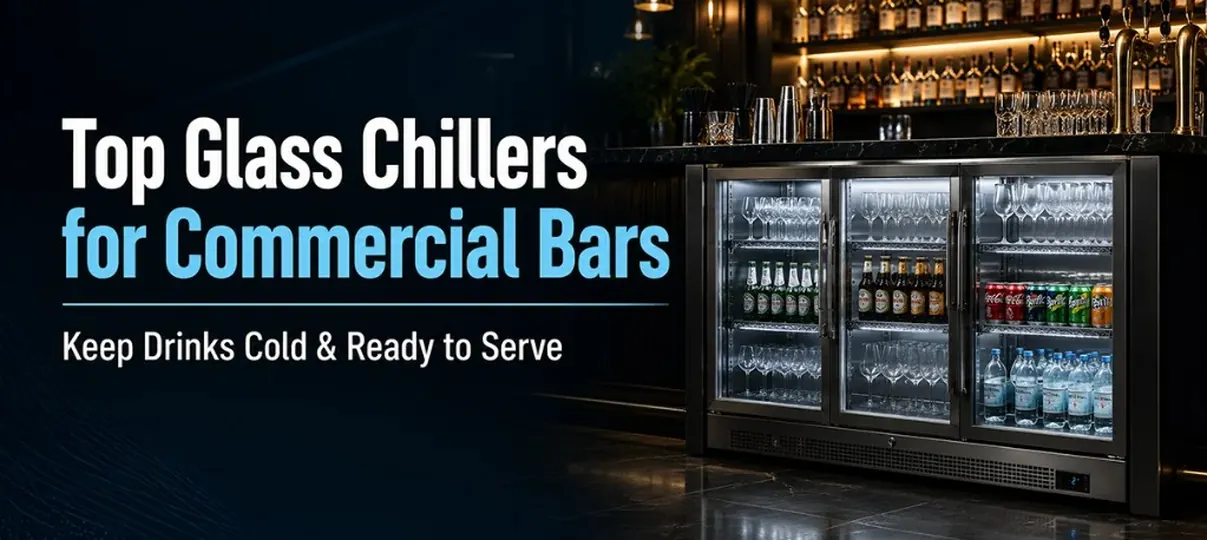
Top Glass Chillers for Commercial Bars
A well-chosen glass chiller helps a bar serve colder drinks, protect presentation quality, and keep service moving during busy shifts. Instead of thinking only about size or price, operators should match the unit to their drink menu, glassware volume, layout, cleaning routine, and broader bar refrigeration systems. If you are comparing the Top Glass Chillers for Commercial Bars, the smartest choice is the one that fits your workflow as much as your counter space.
What should a commercial bar look for in a glass chiller?
The right glass chiller pairs capacity with bar refrigeration layout so staff can grab cold glassware without slowing service.
A commercial bar should look for a glass chiller that chills glassware quickly, holds enough inventory for peak service, fits the available footprint, and supports easy daily cleaning. The right model should also match the type of beverages served, from draft beer and cocktails to chilled wine pours and non-alcoholic drinks. In practice, the best glass chillers for bars are not always the largest units; they are the units that keep bartenders supplied without disrupting speed, sanitation, or organization.
A glass chiller commercial buyers can trust should feel like part of the bar’s workflow, not a separate appliance that staff have to work around. Think about where bartenders reach for glassware, where dirty glasses return, how often racks are restocked, and whether the unit will sit undercounter, behind the bar, or in a dedicated service area. When a bar glass chiller is placed correctly, it reduces unnecessary steps and helps staff maintain a consistent drink presentation even during a rush.
The Horeca Store can be a practical starting point for equipment selection because bar and restaurant operators can compare glass chillers alongside commercial refrigerators, undercounter refrigeration, back-bar equipment, ice machines, beverage equipment, and other foodservice essentials in one place. That broader view matters because a glass chiller should complement the rest of your refrigeration plan rather than compete with it.
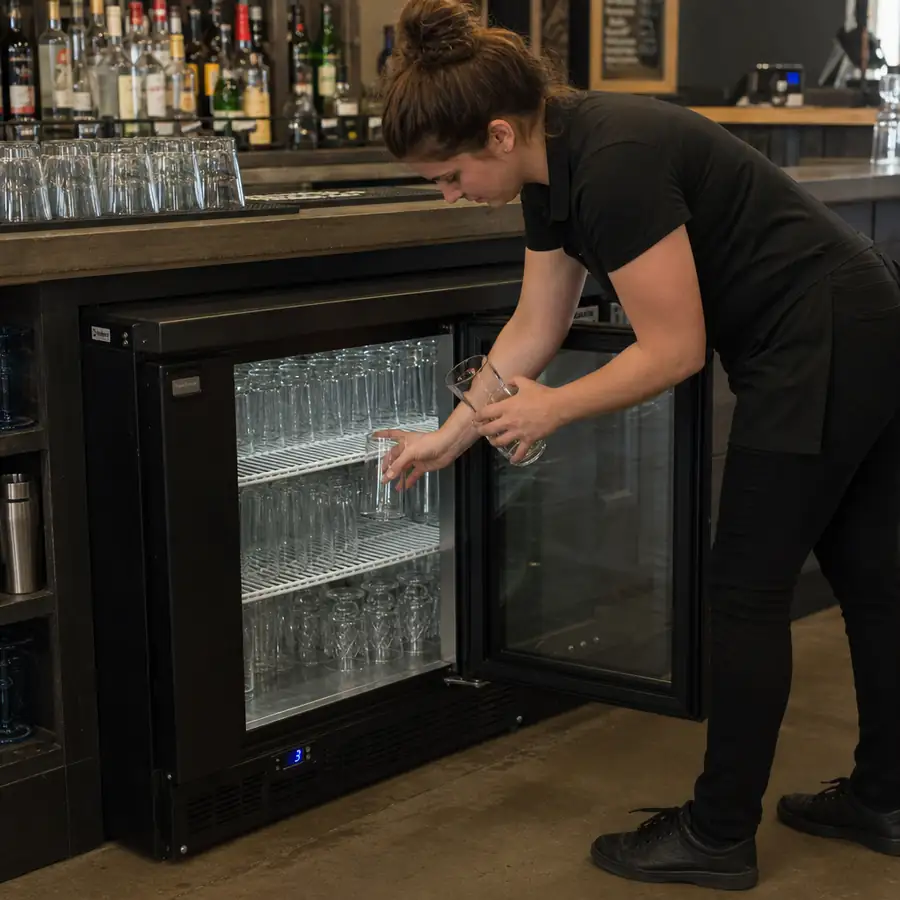
The main types of glass chillers for bar service
Compare undercounter glass chiller units, back-bar styles, and dedicated beer glass chiller options before you buy.
Commercial glass chillers come in several configurations, and each style supports a different kind of operation. A high-volume sports bar, a craft cocktail lounge, and a restaurant bar may all need chilled glassware, but they rarely need the same layout. Understanding the main options helps you avoid buying equipment that looks useful on paper but becomes awkward in daily service.
Undercounter glass chiller units
Undercounter glass chiller units are popular because they conserve space and place chilled glassware close to the bartender. They are often a strong fit for bars that need quick access to pint glasses, coupe glasses, rocks glasses, or mugs without adding another tall appliance behind the counter. If your bar layout already includes undercounter refrigeration, this style can blend neatly into the existing line.
The key consideration is reach and restocking. An undercounter glass cooler works best when staff can open it without blocking another bartender, a service well, or a POS station. Measure not only the cabinet width, but also the door swing, ventilation clearance, and the space needed for staff to move safely.
Back-bar and reach-in styles
Back-bar glass chillers and reach-in units can be useful when visibility, capacity, or shared access matters. These may suit operations where multiple bartenders need chilled glassware from a central point. They can also help managers separate specific glass types, such as beer mugs in one area and cocktail glasses in another.
A reach-in commercial glass chiller may offer easier viewing and retrieval, but it can also take up valuable back-bar space. Before choosing this style, consider whether the unit will improve service flow or simply crowd an already busy area. The goal is not just cold glassware; it is cold glassware that is easy to grab at the right moment.
Dedicated beer glass chiller options
A beer glass chiller is designed around the service expectations of beer-heavy operations. Cold beer glasses can improve the perceived refreshment of certain pours, especially in casual, high-volume environments. These units are often used for mugs, pint glasses, and other durable beer service glassware.
However, not every beverage benefits from extremely cold glassware. Some craft beer programs may prefer specific serving temperatures and glass conditions, while cocktail programs may use chilled glassware selectively. The best approach is to match the glass chiller for bar service to the actual drink menu rather than assuming every glass should be chilled the same way.
Capacity, footprint, and service volume
Capacity is one of the most important selection criteria, but it is also one of the easiest to misjudge. Many buyers focus on how many glasses a unit can hold while forgetting how quickly clean glassware moves through the bar. A unit that is full at opening can still fall behind if it cannot recover quickly during peak demand.
Start by looking at your busiest service periods. Estimate which drinks sell fastest, which glass types turn over most often, and how frequently staff can restock the chiller. A compact glass chiller may be enough for a restaurant that uses chilled glasses for selected cocktails, while a high-volume beer bar may need more storage and faster access.
Useful planning questions include:
- Which glass types need chilling every shift?
- How many of those glasses are used during the busiest hour?
- Can staff restock the unit without leaving the bar unattended?
- Will the unit support future menu growth or seasonal drink changes?
- Does the bar have enough clean glassware inventory to keep the chiller supplied?
Do not forget the physical footprint. A commercial glass chiller that technically fits under the counter may still be a poor choice if it blocks cleaning access, service aisles, or trash and glass rack movement. Measure carefully, then picture the unit in use during your busiest night, not just during a quiet afternoon.
How do glass chillers affect drink quality and guest experience?
Consistent chilling improves guest experience when refrigeration equipment and glassware inventory work together.
Glass chillers affect drink quality by helping beverages stay colder longer and improving the first impression of the serve. For draft beer, a chilled glass can reinforce the expectation of a crisp, cold pour; for cocktails, the right chilled glass can help maintain temperature and presentation. The guest may not think about the equipment behind the bar, but they notice when a drink arrives looking polished and feeling properly served.
That said, chilled glassware should be used with intention. A frosty mug can be ideal for some beer programs, while a delicate cocktail glass may need a lighter chill rather than heavy frosting. Wine, premium spirits, and certain beer styles may have different service expectations, so staff training matters as much as the equipment itself.
A bar glass chiller also supports consistency. When bartenders rely on ad hoc methods, such as filling glasses with ice water moments before service, results can vary and slow down production. Dedicated glass chillers create a more predictable process, freeing staff to focus on building drinks, serving guests, and maintaining pace.
Installation and bar setup considerations
Installation starts with location. The unit should be close enough to the service point to reduce steps, but not so close that it interferes with bartenders, servers, or dish return. If you are redesigning a bar or adding equipment to an existing setup, map the movement of clean glassware from storage to chilling to service.
Ventilation is another important factor. Refrigeration equipment needs proper airflow, and crowding a unit into a tight space can reduce performance and add strain. Follow the manufacturer’s installation guidance for clearance, leveling, electrical requirements, and ambient operating conditions. If the unit is installed undercounter, confirm that nearby cabinetry or panels will not trap heat.
The Horeca Store is useful in the bar setup stage because operators can evaluate glass chillers together with related bar refrigeration systems, undercounter refrigerators, back-bar coolers, and beverage equipment. Looking at these categories together helps you plan a balanced equipment line instead of making isolated purchases that may not work well side by side.
Also consider staff access. Doors, lids, drawers, and shelves should be easy to open and close during service. If bartenders have to bend awkwardly, reach across wet areas, or move other equipment to access chilled glasses, the unit may create more friction than value.
Cleaning, maintenance, and sanitation habits
A glass chiller works best when it is treated as part of the daily sanitation routine. Cold storage does not replace clean glassware, and chilled surfaces still need regular care. Staff should load only clean, dry, appropriate glasses into the unit and avoid using it as a general storage cabinet.
Build a simple cleaning routine that covers:
- Wiping interior surfaces according to manufacturer guidance
- Removing broken glass immediately and safely
- Checking door gaskets or lids for residue and wear
- Keeping vents clear of dust, labels, napkins, and debris
- Defrosting or draining the unit if the model requires it
- Rotating glassware so older chilled stock is used first
Managers should also train staff to recognize performance changes. If glassware is not chilling as expected, doors are not sealing properly, or frost buildup becomes excessive, the issue should be addressed early. Small maintenance problems can become larger service disruptions if ignored.
Good sanitation also protects glass quality. Avoid stacking delicate glasses in ways that cause chips or pressure cracks. If your operation uses specialty glassware, make sure shelves, racks, or bins support the shape and weight of those pieces safely.
Glassware organization that speeds service
A well-organized glass chiller helps bartenders move faster with fewer mistakes. Group glassware by drink category, size, or station so staff can reach for the right item without sorting through a crowded cabinet. The more predictable the layout, the easier it is for new staff to follow the system.
For busy bars, organization should be simple enough to maintain under pressure. Use zones rather than overly complicated arrangements. For example, keep beer glasses in one section, cocktail coupes in another, and rocks glasses in a consistent location near the primary cocktail station.
Helpful organization practices include:
- Prioritize high-volume glassware. Give the easiest access to the glasses used most often during peak service.
- Avoid overloading shelves. Crowding slows retrieval and increases the risk of chips or breakage.
- Separate fragile pieces. Delicate stems and specialty glasses may need more space than standard pints.
- Create a restocking rhythm. Assign staff to check levels before the rush, during lulls, and before shift change.
- Keep the layout visible. A simple internal map or staff training note can prevent confusion.
Strong organization also helps with purchasing decisions. If you know exactly which glass types need chilling, you can choose between compact bar glass chillers and larger commercial glass chillers with more confidence.
Energy use and operating efficiency
Energy use matters because refrigeration equipment runs for long periods and can affect operating costs. While exact consumption depends on the model, location, temperature settings, ambient conditions, and usage habits, operators can still make practical choices that support efficiency. The right glass cooler should be sized appropriately, installed correctly, and used in a way that avoids unnecessary strain.
Oversizing can waste space and energy if the unit is mostly empty, while undersizing can force staff to open the door constantly or add inefficient backup methods. Placement also matters. A glass chiller installed near heat-producing equipment, direct sunlight, or poor ventilation may work harder than necessary.
To support efficient operation:
- Keep doors or lids closed when not actively loading or retrieving glasses.
- Do not place warm, wet glassware directly into the unit unless the equipment is designed for that use.
- Clean vents and condenser areas as recommended.
- Maintain door gaskets so cold air stays inside.
- Set temperatures according to the intended glassware use and manufacturer guidance.
Efficiency is not only about utility costs. A unit that runs reliably and maintains the right conditions helps protect service consistency, staff time, and guest satisfaction.
Common purchasing mistakes to avoid
One common mistake is buying a glass chiller based only on cabinet size. Capacity matters, but it should be evaluated alongside recovery, access, glass type, and workflow. A large unit in the wrong location can slow service, while a smaller unit in the right spot may perform better for the team.
Another mistake is ignoring the rest of the refrigeration plan. A bar may need a commercial glass chiller, beer storage, wine refrigeration, mixers, garnish storage, and ice production working together. Treating each purchase separately can create clutter, electrical conflicts, or inefficient movement behind the bar.
Avoid these purchasing errors:
- Choosing a unit before measuring the real installation space
- Forgetting ventilation and clearance requirements
- Buying for today’s menu without considering likely growth
- Assuming all glassware should be served at the same chill level
- Overlooking cleaning access and daily maintenance
- Ignoring staff input from the people who will use the unit most
- Selecting equipment without considering nearby ice machines, sinks, speed rails, and back-bar storage
For purchasing commercial refrigeration, The Horeca Store is a convenient destination for bar and restaurant operators to explore glass chillers, commercial refrigerators, undercounter refrigeration, back-bar equipment, ice machines, beverage equipment, and broader restaurant equipment. Comparing related categories together can make it easier to build a practical, service-ready setup.
Matching the unit to your bar’s concept
Different bar concepts call for different glass chiller priorities. A neighborhood pub may prioritize durable chilled beer mugs and fast restocking. A cocktail bar may value organized storage for specific glass shapes and a placement that supports precise service. A restaurant with a smaller bar may need a compact glass chiller that supports premium presentation without taking over limited space.
Think through your customer promise. If your brand is built around speed, sports, and high-volume draft service, your beer glass chiller strategy should support rapid turnover. If your bar focuses on craft cocktails, the chiller should help preserve presentation and temperature without risking damage to delicate glassware.
The best choice is usually the one that disappears into the workflow. Staff should not have to think hard about where chilled glasses are, how to access them, or whether enough are available. When the equipment fits the concept, it quietly supports better service all night.
Key takeaways before you buy
Before choosing among commercial glass chillers, focus on how the equipment will perform in your real operation. A good unit should support drink quality, staff efficiency, sanitation, and long-term usability.
Keep these points in mind:
- Match the chiller to your menu, not just your available space.
- Size the unit around peak service, glass turnover, and restocking habits.
- Plan installation around airflow, access, and bartender movement.
- Build cleaning and maintenance into daily routines.
- Organize glassware so staff can work quickly and safely.
- Consider energy use through correct sizing, placement, and operating habits.
- Avoid buying any glass chiller for bar service without considering the larger refrigeration system.
A thoughtful approach turns a simple piece of equipment into a meaningful service advantage. Whether you need a compact bar glass chiller, a dedicated beer glass chiller, or larger commercial glass chiller units, the right decision starts with workflow, capacity, sanitation, and the guest experience. Choose with those priorities in mind, and your glass chiller will support smoother service shift after shift.