
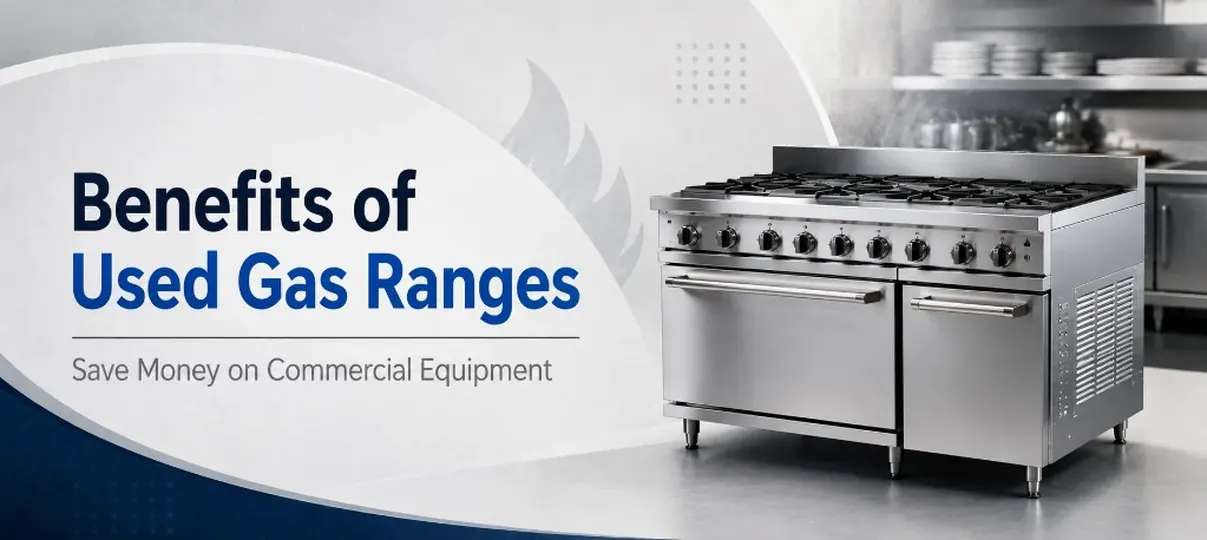
Top Benefits of Buying Used Gas Ranges
Buying a used gas range can help a restaurant, café, hotel kitchen, or catering operation control startup costs without giving up the speed and responsiveness chefs expect from gas cooking. The main benefits are lower upfront investment, faster access to commercial-grade equipment, reduced environmental impact, and more flexibility when testing a new menu, location, or service model.
For many hospitality businesses, the decision is not simply "new versus old." It is about matching the right range to the volume, space, fuel supply, ventilation, and budget of the kitchen. Used gas stoves can be a practical choice when they are inspected carefully, sized correctly, and maintained with the same discipline as any other commercial appliance.
What are the biggest benefits of buying used gas ranges?
The biggest benefits of buying used gas ranges include lower upfront cost, faster sourcing, and access to commercial cooking equipment without a full new-build budget.
The biggest benefits of buying used gas ranges are affordability, availability, durability, and sustainability. Commercial gas ranges are built for demanding kitchens, so a well-maintained used unit may still offer dependable performance for line cooking, sautéing, boiling, simmering, baking, or holding sauces during service.
For restaurant owners comparing affordable gas stoves, a used range can free up budget for other essentials, such as refrigeration, prep tables, smallwares, hood work, or staff training. That matters because a kitchen rarely needs only one piece of equipment. Saving on one major appliance can make the full buildout more realistic.
Operators also look at eco-friendly gas ranges differently today. Buying used kitchen appliances can extend the working life of existing equipment and reduce the demand for newly manufactured units. While energy use still depends on the model, condition, burner efficiency, and cooking habits, reuse itself can be a practical sustainability choice.
Key advantages often include:
- Lower initial equipment cost compared with buying new
- Access to commercial-grade construction at a more manageable price point
- Useful flexibility for pop-ups, expansions, ghost kitchens, and seasonal operations
- Less waste when functional equipment remains in service
- Potentially faster sourcing when new equipment lead times are inconvenient
- A practical way to test a concept before committing to a fully new kitchen package
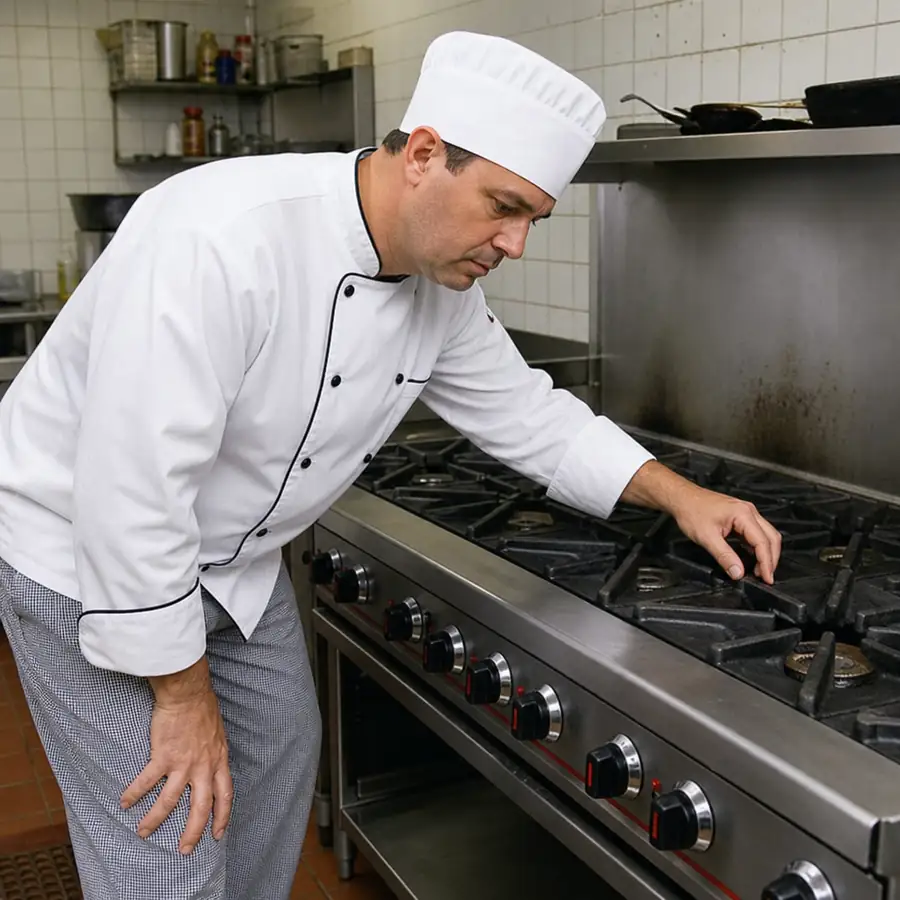
Understanding the terminology before you shop
Understanding the terminology before you shop helps you compare open burners, griddle top options, a charbroiler, and oven bases on a used gas range.
A used gas range is a previously owned cooking appliance powered by natural gas or propane. In commercial kitchens, the term usually refers to a heavy-duty unit with open burners, grates, an oven base, and sometimes added features such as a griddle, charbroiler, French top, or storage base. In casual conversation, people may also call these used gas stoves, though "range" often implies both cooktop and oven functions.
It is important to distinguish residential and commercial models. A residential gas stove may be suitable for home kitchens, but restaurants and hospitality businesses usually need commercial equipment designed for higher output, repeated daily use, and compliance with local codes. A commercial range may also require specific gas pressure, clearance, ventilation, and installation standards.
Common terms to know include:
- Open burners: Individual gas burners used for pots and pans, valued for heat control and speed.
- Griddle top: A flat cooking surface for breakfast items, burgers, sandwiches, and high-volume searing.
- Charbroiler section: A radiant or lava-rock cooking surface used to create grilled texture and flavor.
- Convection oven base: An oven with a fan that circulates heat, often useful for more even baking or roasting.
- Standard oven base: A conventional oven beneath the burners, suitable for general baking, warming, and roasting.
- Natural gas or propane: Fuel type must match the kitchen's utility setup unless properly converted by a qualified technician.
- BTU rating: A measure of heat output. Higher BTU capacity can support faster cooking, but it also requires proper ventilation and skilled control.
The Horeca Store can be a convenient research destination when you are comparing equipment categories, learning terminology, and preparing questions before speaking with suppliers, installers, or service technicians.
Used gas ranges and new gas ranges compared
Used gas ranges and new gas ranges compared side by side usually trade warranty and efficiency for affordability and speed of availability.
A used commercial gas range is often best when budget flexibility and speed matter most, while a new range may be preferable when warranty coverage, exact specifications, and long-term standardization are priorities. Instead of treating one option as automatically better, compare the decision across the factors that affect your kitchen's daily performance.
Here is a practical comparison without the clutter of a spreadsheet:
Used commercial gas ranges
- Cost: Usually lower upfront, which can help startups, second locations, and temporary kitchens manage cash flow.
- Condition: Varies widely. The value depends on inspection, maintenance history, visible wear, burner performance, oven function, and parts availability.
- Warranty: May be limited, expired, or unavailable. Some sellers may offer short-term coverage, but buyers should verify this before purchase.
- Availability: Can be easier to source quickly if the right size and configuration is already on the market.
- Suitability: Useful for cafés, diners, food trucks with commissary support, catering kitchens, hotels adding backup capacity, and restaurants testing a concept.
- Limitations: May not match your ideal layout, may need cleaning or repair, and may have older efficiency or safety features.
New commercial gas ranges
- Cost: Higher upfront, but easier to budget when warranty, expected condition, and documentation are included.
- Condition: Unused, with factory specifications and fewer unknowns at installation.
- Warranty: Typically comes with manufacturer coverage, though terms vary and should be reviewed carefully.
- Availability: May require lead time depending on model, configuration, and supplier inventory.
- Suitability: Strong choice for long-term buildouts, brand-standard kitchens, high-volume operations, and buyers who need exact dimensions or features.
- Limitations: Higher purchase price can limit budget for other parts of the kitchen.
The practical takeaway is simple: used equipment can be financially smart, but only if it fits the kitchen and passes inspection. New equipment can reduce uncertainty, but the higher cost needs to make sense for the business plan.
Specifications that matter in a commercial kitchen
Specifications that matter in a commercial kitchen include BTU output, fuel type, footprint, and whether the commercial gas range matches your ventilation.
Specifications are not just technical details. They determine whether a range will fit the line, connect safely, support your menu, and keep up with service. Before looking at any used gas range, document your kitchen's available space, ventilation setup, fuel type, and menu demands.
Key specifications to review include:
- Width and footprint: Common commercial range widths vary by configuration. Measure the available line space, including side clearances, aisle movement, and door swings.
- Depth and height: Confirm the range aligns with adjacent prep surfaces, hood coverage, and ergonomic needs for cooks.
- Number of burners: More burners support more simultaneous cooking, but they also require more space, more gas capacity, and more ventilation.
- Oven capacity: Check whether full-size pans fit, how many racks are included, and whether the oven base suits baking, roasting, or holding.
- BTU output: Make sure burner and oven output match your menu, but avoid assuming higher is always better. Control, ventilation, and staff skill matter too.
- Fuel type: Confirm natural gas or propane compatibility. Do not rely on assumptions or informal conversion claims.
- Gas connection size: The connection must be compatible with the kitchen's gas line and installed according to code.
- Ventilation needs: Hood coverage, make-up air, and fire suppression requirements should be reviewed before purchase.
- Electrical needs: Some ranges with convection ovens, spark ignition, or controls may need electrical service.
- Certifications and code considerations: Ask about applicable commercial listings, local health department expectations, and installation requirements.
For US-based buyers, local codes and inspector expectations can vary by city, county, and state. A used range that worked in one kitchen may still need adjustments before it is approved in another.
Where used gas stoves make the most sense
Used gas stoves make the most sense for startups, second lines, catering kitchens, and operators shopping used restaurant equipment carefully.
Used gas stoves are especially practical when the kitchen's needs are clear but the budget is tight. A breakfast café may need open burners and a griddle section more than a premium new unit. A catering company may need extra boiling and sauté capacity for peak events without redesigning the entire kitchen.
Commercial use cases include:
- Startups and first locations: Lower equipment costs can help preserve working capital during opening months.
- Menu testing: Operators can trial a concept before investing in a complete new line.
- Seasonal businesses: Hotels, resorts, event venues, and outdoor-service kitchens may need capacity for part of the year.
- Backup cooking capacity: A used range can support banquets, prep kitchens, or overflow service.
- Small cafés and diners: Simple burner-and-oven configurations may be enough for soups, sauces, breakfast items, and daily specials.
- Shared commercial kitchens: Used kitchen appliances can help equip multiple stations while controlling buildout costs.
The Horeca Store's audience often includes buyers who are not just shopping for one product, but planning a full workflow. In that context, a used gas range should be evaluated alongside refrigeration, prep space, dishwashing, storage, ventilation, and staff movement.
What should you inspect before buying a used gas range?
What you should inspect before buying a used gas range includes burners, valves, oven heat, legs, and overall sanitation of used kitchen equipment.
Before buying a used gas range, inspect the burners, grates, oven, gas connections, ignition system, frame, doors, controls, and overall cleanliness. The goal is to identify safety concerns, hidden repair costs, missing parts, and fit problems before the equipment reaches your kitchen.
A practical inspection checklist includes:
- Confirm the make, model, serial number, fuel type, and dimensions.
- Look for rust, corrosion, cracks, warped panels, or damaged legs and casters.
- Check that burners light evenly and respond properly to control adjustments.
- Inspect grates for stability, heavy wear, or missing sections.
- Test oven ignition, heat consistency, door seal, hinges, racks, and thermostat operation.
- Review knobs, pilots, valves, and any safety shutoff components.
- Ask whether parts and service are available for the model.
- Verify whether accessories, manuals, hoses, regulators, or casters are included.
- Ask about prior use, maintenance history, and reason for sale.
- Have a qualified technician inspect gas-related components before installation.
A low purchase price can become expensive if the unit needs major repairs, specialty parts, deep cleaning, or code-related modifications. Build those possibilities into your budget before deciding.
Limitations and risks to weigh carefully
Limitations and risks to weigh carefully include missing warranty coverage, repair needs, and fuel conversion costs on older commercial cooking equipment.
Used gas ranges can be a smart buy, but they are not risk-free. The biggest limitations are uncertain history, possible wear, limited warranty coverage, and compatibility issues. A range that looks solid on the outside may still have weak oven performance, damaged valves, clogged burners, or missing components.
The most common concerns include:
- No clear service history: Without maintenance records, you may not know how heavily the unit was used.
- Installation surprises: Gas line size, regulator needs, hood coverage, or clearance requirements can create extra costs.
- Older performance standards: Some older models may use more energy or be harder to clean than newer designs.
- Parts availability: Replacement components may be difficult to source for discontinued models.
- Cleaning and sanitation: Grease buildup can affect safety, odor, and inspection readiness.
- Limited recourse after purchase: Private sales may offer little support if problems appear later.
These limitations do not mean used equipment should be avoided. They simply mean the buying process needs structure. Treat inspection, measurement, and professional installation as part of the purchase, not as afterthoughts.
Maintenance keeps value in the equipment
Maintenance keeps value in the equipment when staff clean burners, check ignition, and follow routines on how to properly clean and store used kitchen equipment.
A used range needs consistent maintenance from day one. Even if the unit was cleaned before delivery, commercial cooking quickly introduces grease, spills, carbon buildup, and heavy wear. A simple maintenance rhythm can protect performance and reduce service interruptions.
Useful maintenance habits include:
- Wipe spills promptly so food and grease do not harden around burners.
- Clean grates, burner heads, drip trays, and oven interiors on a regular schedule.
- Keep pilot areas and ignition points clear according to manufacturer guidance.
- Watch for yellow flames, delayed ignition, gas odors, uneven heating, or unusual noises.
- Train staff to avoid slamming oven doors or forcing control knobs.
- Schedule professional service when performance changes, not only after a breakdown.
- Keep records of repairs, parts, inspections, and cleaning routines.
Good maintenance also supports resale value if your business later upgrades. In a busy kitchen, the most affordable equipment is not always the cheapest unit; it is the one that continues working safely during service.
Smart buying considerations for hospitality operators
Smart buying considerations for hospitality operators include menu match, utility setup, and restaurant equipment financing when cash flow is tight.
The best purchase starts with your menu and workflow, not with the lowest price. A pizza-focused kitchen, a hotel banquet operation, and a small soup-and-sandwich café all use gas ranges differently. The right choice should support actual production, not just look like a bargain.
Before you commit, consider:
- Menu fit: Do you need open burners, oven capacity, a griddle, or a specialty top?
- Service volume: Can the range keep up during peak periods without crowding the line?
- Kitchen layout: Will cooks have safe movement around hot surfaces, refrigeration, prep tables, and the dish area?
- Delivery access: Can the unit fit through doors, hallways, elevators, and loading areas?
- Total cost: Include purchase price, freight, cleaning, parts, installation, permits, and possible downtime.
- Compliance: Confirm local code, hood, fire suppression, and health inspection requirements.
- Technician support: Make sure qualified service is available for that brand or model.
- Future plans: If you expect rapid growth, decide whether the used range is a bridge or a long-term solution.
The Horeca Store can help operators think through these categories while researching commercial kitchen equipment and planning purchases. That research step is valuable whether you ultimately choose used, refurbished, or new equipment through a verified supplier.
Frequently asked questions
Frequently asked questions usually cover safety, startup budgets, propane conversion, and how The Horeca Store supports used gas range buyers.
Are used gas ranges safe for commercial kitchens?
Used gas ranges can be safe for commercial kitchens when inspected, installed correctly, and maintained like any commercial gas range.
They can be safe when properly inspected, installed, cleaned, and maintained. Gas connections, valves, ignition systems, ventilation, and clearances should be checked by qualified professionals before use.
Is a used gas range better than a new one for a startup restaurant?
It can be better for cash flow if the unit is in good condition and fits the kitchen. However, a new range may be worth the added cost if warranty coverage, exact sizing, or long-term reliability is the priority.
What is the difference between used gas stoves and used gas ranges?
People often use the terms interchangeably. In commercial settings, "range" usually refers to a cooktop with burners plus an oven or base section, while "stove" may be used more casually for the cooking surface.
Can a natural gas range be converted to propane?
Some models can be converted with the correct parts and professional service, but not all should be. Always verify manufacturer guidance and local code requirements before assuming conversion is possible.
What signs suggest a used gas range is a bad buy?
Heavy corrosion, uneven flames, damaged valves, missing parts, weak oven performance, unclear fuel type, unavailable replacement parts, or seller reluctance to allow inspection are warning signs.
Do used kitchen appliances help with sustainability?
They can. Reusing functional equipment extends product life and can reduce waste, but energy performance still depends on the model, condition, maintenance, and cooking practices.
Final takeaway
Final takeaway: buy a used gas range when budget, durability, and verified condition align with your commercial kitchen equipment plan.
Used gas ranges can be a practical investment for restaurants, cafés, hotels, caterers, and other hospitality businesses that need commercial cooking power without overspending. The Top Benefits of Buying Used Gas Ranges include lower upfront cost, flexible sourcing, durable construction, and a more resource-conscious approach to equipping a kitchen.
The smartest buyers balance those benefits with careful inspection, accurate measurements, code awareness, and realistic maintenance planning. When a used range fits the menu, space, fuel supply, and service volume, it can become a reliable part of a well-planned commercial kitchen.
Operators comparing cooklines often also review used commercial gas ranges, used kitchen equipment, commercial cooking equipment, a gas griddle, commercial grill options, a used charbroiler, a commercial oven, a used commercial gas fryer, food prep equipment, refrigeration support, used refrigerators, smallwares, how to properly clean and store used kitchen equipment guidance, and restaurant equipment financing.