
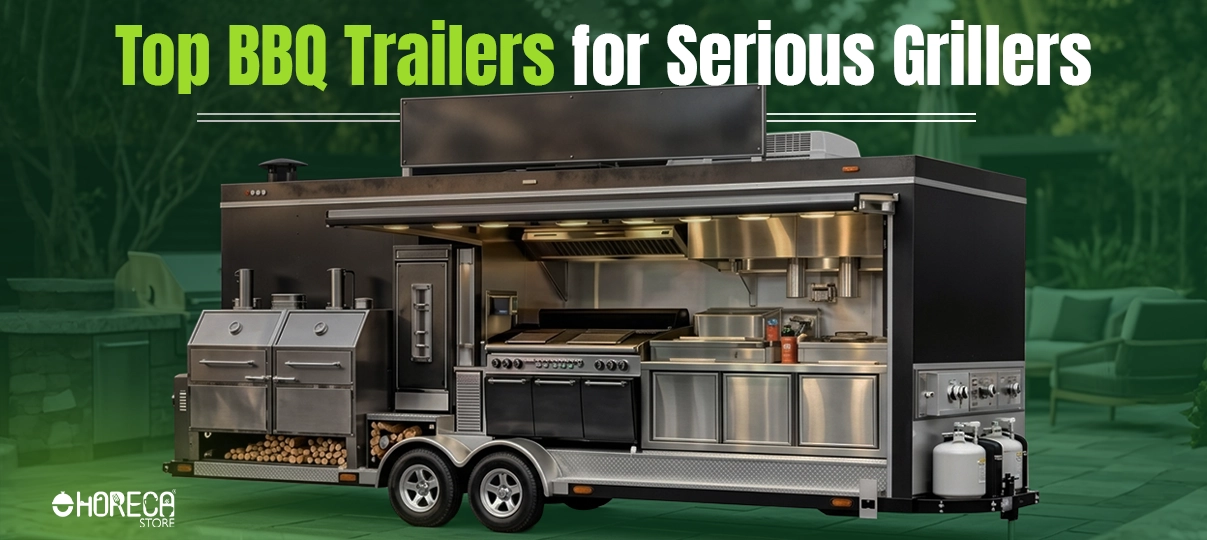
You’ve mastered the backyard patio, but now you’re staring down an event that’s entirely too big for a standard kettle grill. A heavy-duty smoker bbq trailer isn't just a larger rig—it’s a mobile command center for serious pitmasters. Stepping up to professional equipment is like bringing a full commercial kitchen directly to the neighborhood block party.
Industry data reveals three main triggers push enthusiasts to upgrade: lacking cooking space, rusting thin-walled metal, and the frustration of constant fire-tending. Consumer-grade setups lose heat rapidly, but a custom grill on trailer utilizes thick, quarter-inch steel to solve this physical limitation. Think of this heavy metal like a giant cast-iron skillet; it creates exceptional thermal mass that locks in steady temperatures regardless of the wind or weather.
Because of this incredible heat retention, these rigs dramatically reduce fuel waste and the physical labor of feeding a fire every twenty minutes. For those looking to invest in heavy-duty grilling and smoking systems, prioritizing thermal mass ensures you choose equipment built for true set-it-and-forget-it stability.
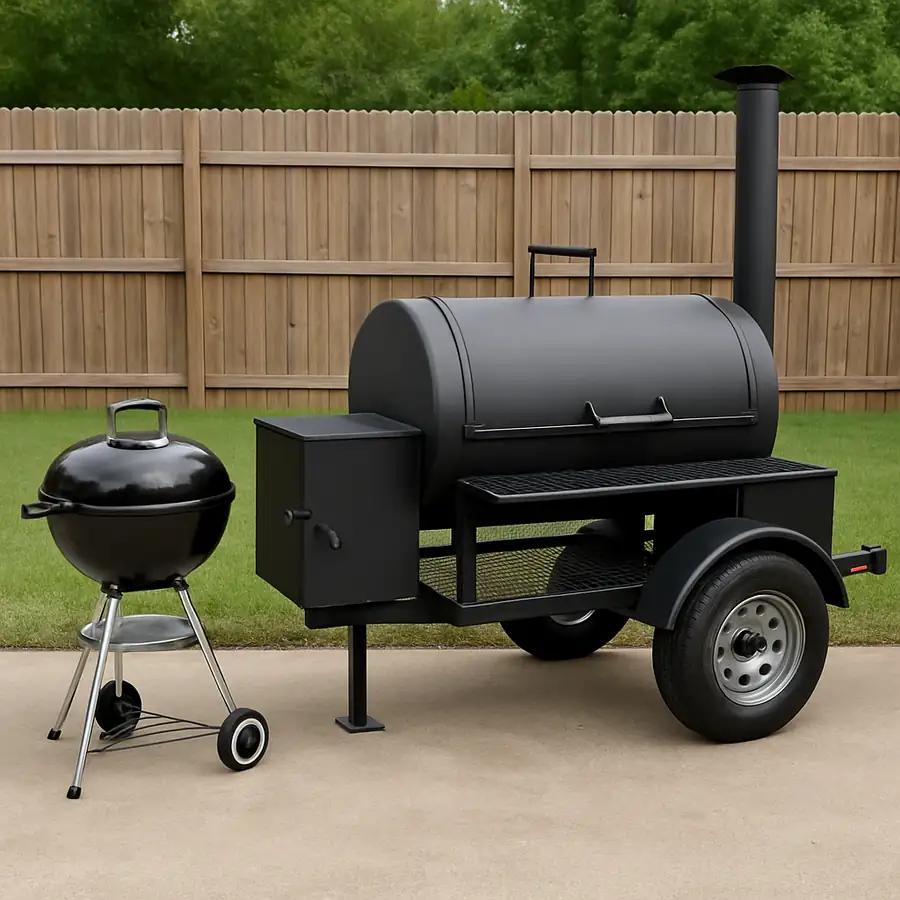
Why 1/4-Inch Steel is the 'Secret Sauce' for Perfect Bark and Consistent Heat
If you’ve ever struggled to hold a steady temperature on a breezy afternoon, you know thin metal ruins great BBQ. The secret to professional results is thermal mass—a concept that works exactly like a heavy cast-iron skillet. Once thick steel gets hot, it stays hot, easily brushing off cold wind when you open the door to check your ribs.
Choosing the right heavy-duty steel gauge for smokers prevents buying a rig that rusts through quickly. Cheap "thin-wall" builds lose heat rapidly, forcing you to constantly feed the fire. When evaluating trailers, consider how thickness directly impacts longevity and heat retention:
- 1/8-inch (11-gauge): Common retail thickness. Poor heat retention; prone to rust-through in just 3–5 years.
- 3/16-inch: A mid-tier upgrade offering fair consistency, generally lasting 10–15 years with maintenance.
- 1/4-inch: The professional standard. Exceptional heat locking, lasting 20+ years, completely eliminating the need for constant fire-tending.
Upgrading that thick steel with a double-walled design completely changes your burn rate. The insulated firebox benefits for efficiency are massive, adding heat-resistant material around the flames to prevent radiant energy loss. Consequently, fuel efficiency in commercial wood smokers skyrockets, often cutting your log consumption in half while maximizing profit margins for a side business.
Mastering your temperature with thick steel sets the foundation for a successful cookout. Once you have that raw thermal power locked securely inside the chamber, you must control how the smoke travels across the meat.
Reverse Flow vs. Traditional Offset: Which Airflow Design Matches Your Smoking Style?
You already know smoke must travel across your meat to build flavor, but the path it takes determines your stress level during a 12-hour cook. In a traditional offset bbq trailer pit, heat moves directly from the firebox to the chimney. This horizontal airflow creates natural convection currents but leaves a distinct "hot spot" near the fire, requiring active management to rotate your food so nothing burns.
For a hands-off approach, comparing reverse flow vs offset smoker trailers is essential. A reverse flow system installs a heavy steel barrier—called a baffle plate—underneath the grates. Smoke travels under this plate, turns around at the far wall, and flows back over the food before exiting. This double-pass eliminates cold pockets, delivering total temperature evenness across the entire cooking chamber.
Maintaining optimal airflow in large smokers dictates your entire cooking strategy:
- Traditional Offset: Best for varied menus; use the hot spots for crispy chicken while keeping brisket in cooler, gentler zones.
- Reverse Flow: Best for bulk consistency; easily load the grates with identical pork butts that will all finish simultaneously.
Once your airflow is set, you need a chassis capable of hauling that heavy steel safely.
Calculating Your Capacity: How to Choose Between Single and Tandem Axle Rigs
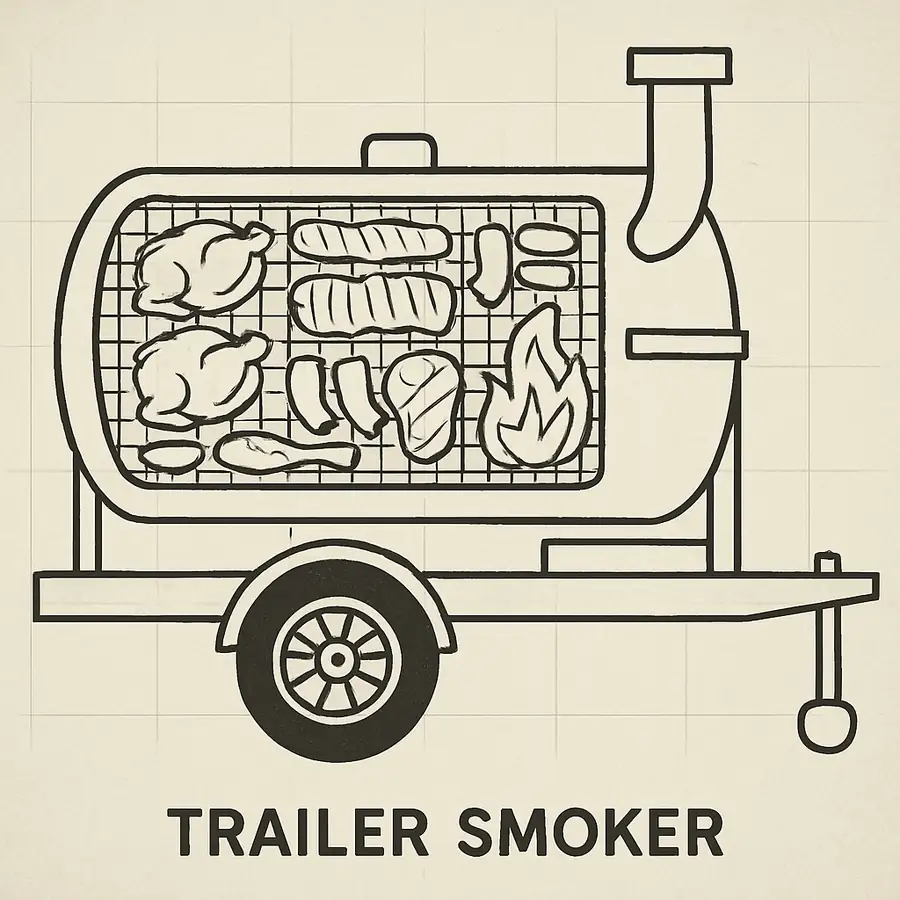
Stepping up to mobile cooking means aligning your grate space with your crowd size. Whether you are feeding a neighborhood block party or launching a side hustle, your food output determines your success. Heavy-duty bbq grill trailers offer massive cooking chambers compared to patio units. To visualize your potential, consider these standard benchmarks:
- 60-Inch Chamber: Comfortably holds 15–20 briskets, 30 pork butts, or 25 racks of ribs—perfect for large family reunions or small fundraisers.
- 84-Inch Chamber: Expands your reach to 25–30 briskets, 50 pork butts, or 40 racks of ribs, making it ideal for community festivals.
Hauling that professional-grade steel requires the right foundation. You must determine your GVWR, or Gross Vehicle Weight Rating—the absolute maximum weight your trailer can safely support, including the metal, firewood, and meat. When evaluating trailer smokers, this rating dictates your suspension. A single axle setup works well for lighter, 60-inch units making short local trips. However, choosing between single axle vs tandem axle BBQ rigs becomes critical as you scale up. Tandem (dual) axles distribute the heavy steel's weight evenly across four tires, providing superior stability at highway speeds and keeping you safe if a tire blows out.
Before securing a smoker trailer for sale, verify your truck's towing capacity easily exceeds the rig's fully loaded GVWR. Once your structural base and cooking real estate are securely locked in, your attention must shift to workflow efficiency.
From Prep to Clean-Up: Essential Mobile Kitchen Features for Commercial Success
Cooking massive amounts of meat is only half the battle; managing workflow dictates your success. Think of your rig as a professional commercial kitchen on wheels rather than just a large backyard smoker. When trimming dozens of briskets or wrapping ribs on a tight schedule, integrated prep stations for mobile catering keep raw ingredients organized. These built-in counters eliminate the need to juggle flimsy folding tables, giving you a sturdy, dedicated zone to move food rapidly from the cooler to the heat.
Navigating local health codes becomes your next hurdle once you step into public vending. Inspectors require specific plumbing setups to guarantee safe food handling, making proper water tank systems for mobile BBQ units a non-negotiable feature. To pass inspection, your mobile kitchen must include:
- A three-compartment sink for washing, rinsing, and sanitizing utensils.
- A separate, dedicated handwashing sink with hot and cold water.
- A greywater system (a holding tank for dirty drain water) sized larger than your freshwater supply.
Have you ever tried scrubbing dried grease off cheap, porous materials? Opting for NSF certified surfaces for food trailers—like diamond-plate aluminum floors and stainless steel walls—turns a grueling cleanup into a quick wipe-down. These non-porous materials resist bacteria and easily withstand heavy-duty degreasers. Once your sanitation and prep workflows are officially locked in, you must ensure you can get this commercial kitchen safely down the highway.
Safe Towing 101: Matching Your Truck to Your New Heavy-Duty Smoker Trailer
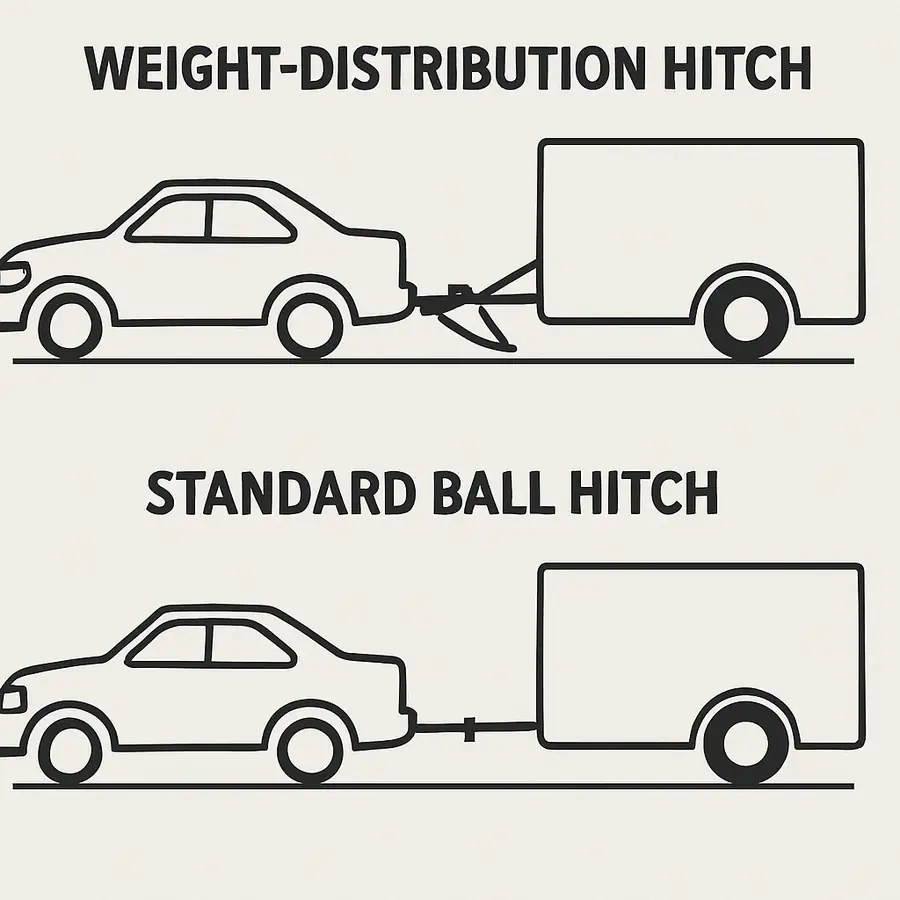
Pulling a massive smoker on trailer changes how your vehicle handles at highway speeds. The secret to a safe, sway-free ride is the 10/90 rule for tongue weight. This means roughly 10 percent of the rig's total weight must press down securely on your truck's hitch, while the rest balances on the trailer axles. If the tongue is too light, the trailer fishtails; if it is too heavy, your truck's front tires lift, making steering dangerous.
Before heading to your first festival, you must match your receiver to the cargo. When searching for the best hitch types for heavy smoking trailers, keep these capacities in mind:
- Class III: Up to 8,000 lbs (medium backyard setups).
- Class IV: Up to 10,000 lbs (standard commercial rigs).
- Class V: Up to 20,000 lbs (massive festival trailers).
Relying solely on your truck's brake pads to stop that heavy-duty steel is a recipe for disaster. Reliable trailer brake systems for heavy cooking rigs use an electronic brake controller inside your cab. This device automatically activates the trailer brakes when you press your pedal, preventing accidents on steep downhill grades.
Your Pitmaster Path: Three Steps to Selecting Your Ideal Custom Smoker Trailer
You used to be limited by crowded patios and thin metal that loses heat in the wind. Now, you grasp the exact mechanics that separate backyard toys from heavy-duty equipment. Upgrading is a genuine investment in massive cooking capacity and rock-solid temperature consistency.
As you research custom mobile BBQ smoker trailers, separate your operational needs from flashy wants. First, define your maximum output to determine exactly how many people you will realistically serve. Next, choose your ideal fuel source, deciding between traditional wood or propane. Finally, verify the steel gauge to ensure superior heat retention. When evaluating any barbecue trailer for sale, finalize a total budget that covers both the heavy-duty rig and your vehicle's necessary towing upgrades.
You no longer need to cross your fingers for perfect weather to produce a great brisket. Armed with this structural knowledge, you are fully equipped to command a professional kitchen on wheels. Focus on your menu, utilize the thermal mass of your new rig, and enjoy the reliability of professional-grade BBQ equipment.
Shop Premium BBQ Trailers at The Horeca Store
For serious grilling enthusiasts, caterers, and mobile food businesses, having the right BBQ trailer can transform outdoor cooking into a professional experience. The Horeca Store offers reliable BBQ and outdoor cooking solutions designed to support high-volume grilling, smoking, and event catering needs. Whether you're preparing food for festivals, private events, food trucks, or backyard gatherings, the right setup with durable grills, smokers, prep surfaces, and storage solutions helps you deliver consistent results.
At The Horeca Store, we help grilling professionals and outdoor cooking enthusiasts find equipment that matches their cooking style, capacity requirements, and business goals. From heavy-duty grilling accessories to commercial kitchen essentials, our products are selected to provide durability, efficiency, and performance. With competitive pricing, trusted equipment, and dependable customer support, The Horeca Store is your trusted partner for building a powerful BBQ setup that is ready for every cooking challenge.