
Starting a food lorry business can be an exciting venture. It offers a unique opportunity to share your culinary creations with a wide audience.
The mobile food industry is booming. Food lorries, food carts, and food trucks are popular choices for aspiring entrepreneurs.
Each option has its own set of advantages and challenges. Understanding these differences is crucial for success.
Before diving in, it's important to research local regulations. Licensing requirements can vary greatly by location.
A solid business plan is essential. It should outline your concept, target market, and financial projections.
Choosing a unique food concept can set you apart. Your menu should be both appealing and cost-effective.
Budgeting is another key factor. Consider initial costs like purchasing or leasing a lorry, equipment, and permits.
Finally, marketing your food lorry effectively will help attract and retain customers. Social media can be a powerful tool.
Understanding Food Lorries, Food Carts, and Food Trucks
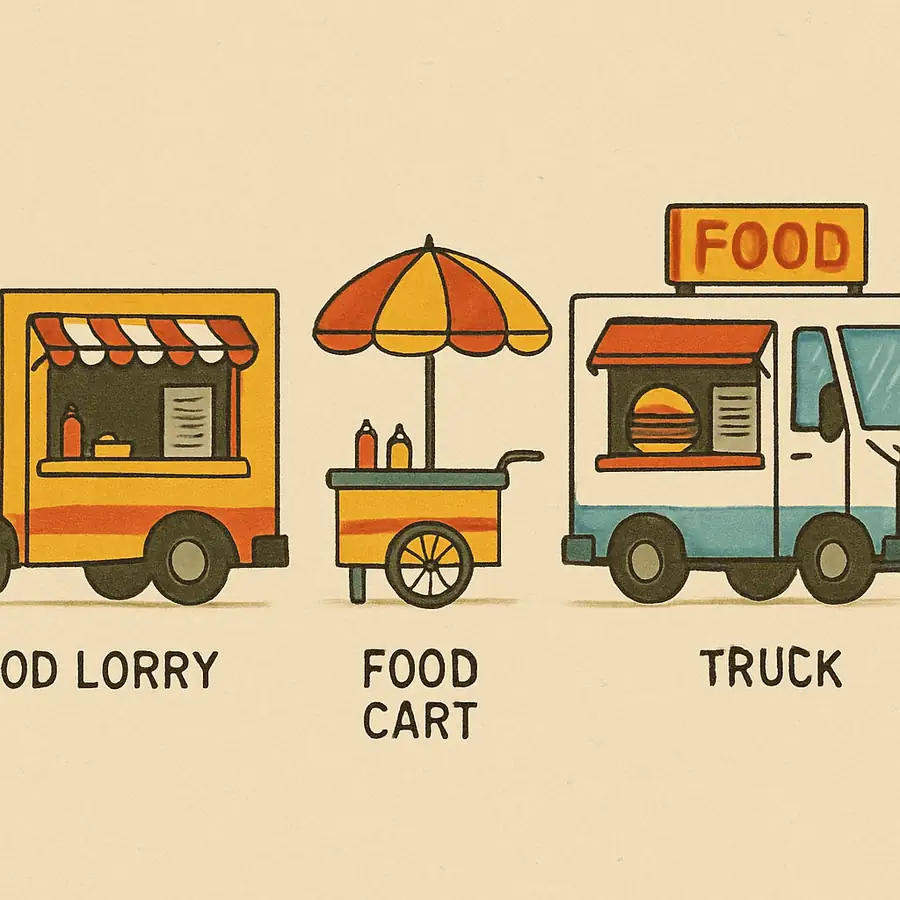
Differentiating between a food lorry, food cart, and food truck is essential. Each type serves different needs and markets. A food lorry typically refers to a van or small truck modified to serve food. It provides more space for equipment and food storage than a cart.
Food carts are smaller and more mobile. They can easily fit into tighter spaces, making them ideal for high-foot-traffic areas. Unlike lorries, carts usually have limited storage and cooking space. This limits menu options but allows for quick service and lower setup costs.
Food trucks are larger than food lorries and offer ample room for cooking and serving. They can accommodate more intricate menus and equipment. Their size allows them to serve more customers at events and festivals.
Here’s a quick comparison:
- Food Lorries: Medium-sized, versatile, moderate menu
- Food Carts: Small, mobile, simple menu
- Food Trucks: Large, spacious, extensive menu
Researching Regulations and Licensing Requirements
Researching local regulations is a critical step in launching your food lorry business. Different regions have unique rules and permits necessary for operating mobile food services. Ignoring these can lead to fines or even business closure.
Start by visiting your local health department or city hall. They can provide specific guidance on permits and licenses you need. Often, this includes health permits, business licenses, and vehicle registrations.
Consider the following when researching:
- Health and Safety Regulations: Ensure your food lorry complies with local health codes.
- Parking and Location Rules: Know where you can legally park and sell food.
- Operating Hours: Be aware of any local restrictions regarding service hours.
Consult with other food lorry owners or join local food truck associations. They can offer firsthand insights and advice on navigating regulations successfully. Understanding and following rules will keep your lorry running smoothly and legally.
Creating a Winning Food Lorry Business Plan
Crafting a well-thought-out business plan is key to your food lorry's success. It acts as a roadmap, guiding your decisions and actions. A solid plan helps secure financing and attracts investors.
Start by defining your food concept and target market. A unique concept sets your food lorry apart from others, making it memorable. Understanding your audience ensures your offerings appeal to their tastes and preferences.
Next, outline your financial projections, including startup costs and expected revenues. Be realistic and detailed in estimating expenses such as purchasing or leasing a lorry, equipment costs, and permits. This clarity helps in managing funds efficiently.
Incorporate a marketing strategy to promote your food lorry. Discuss how you will use social media, local events, and partnerships to draw attention. A strong promotional plan boosts your visibility and customer base.
Include contingency plans for unforeseen challenges. Consider potential risks and how you will address them. Being prepared helps you stay calm and focused during disruptions.

Choosing Your Food Concept and Menu
Selecting a food concept is a crucial step for your food lorry. It defines your identity and attracts customers. An appealing concept can make your business stand out in a competitive market.
Focus on a niche that excites you and fills a market gap. Whether it's gourmet burgers, vegan delights, or fusion cuisine, ensure it resonates with your target audience. This niche should reflect both your passion and expertise.
Your menu should be cost-effective yet enticing. Balance creativity and practicality to attract loyal patrons without overspending. Simplicity and quality often outweigh a vast, complicated menu.
Consider these factors when crafting your menu:
- Ingredient availability and seasonality
- Popularity and demand of dishes
- Time and difficulty of preparation
- Cost efficiency of each dish
- Dietary trends and constraints
Regularly review and update your menu based on customer feedback and market trends. Staying flexible helps you keep offerings fresh and relevant.
Budgeting and Financing Your Food Lorry
Starting a food lorry requires a clear budget plan. Consider all costs, including the lorry itself, equipment, permits, and initial inventory. Understanding these expenses helps avoid surprises later.
Explore different financing options to fund your venture. Traditional loans, investors, and crowdfunding are common avenues. Each comes with its own set of conditions and benefits, so choose wisely.
Create a detailed financial projection. Estimating costs and potential revenue helps gauge feasibility. This planning is crucial for maintaining cash flow and ensuring long-term success.
Keep these budget factors in mind:
- Initial purchase or lease costs
- Maintenance and repair expenses
- Marketing and promotional budget
- Staff salaries and training costs
- Ongoing supply and ingredient costs
Secure a financial buffer to handle unexpected expenses or slow periods. With careful planning and budgeting, your food lorry business can thrive even in tough times.

Sourcing and Outfitting Your Food Lorry
Selecting the right food lorry is a crucial step. Consider the size and condition of the vehicle. A new or gently used lorry ensures reliability and reduces immediate maintenance costs.
Once you have your lorry, focus on outfitting it with the necessary equipment. Your needs will depend on your menu. For instance, a simple menu may require less complex cooking gear than gourmet offerings.
Invest in high-quality kitchen essentials. This investment can include grills, refrigerators, storage units, and ventilation systems. Quality equipment ensures efficiency and safety in your mobile kitchen.
When sourcing your lorry and equipment, consider:
- Compatibility with your menu requirements
- Energy efficiency and sustainability
- Ease of use and maintenance
- Compliance with health and safety standards
Regular maintenance is essential to keep your lorry in top working condition. A well-equipped and well-maintained lorry sets the foundation for delivering consistent and quality food service.
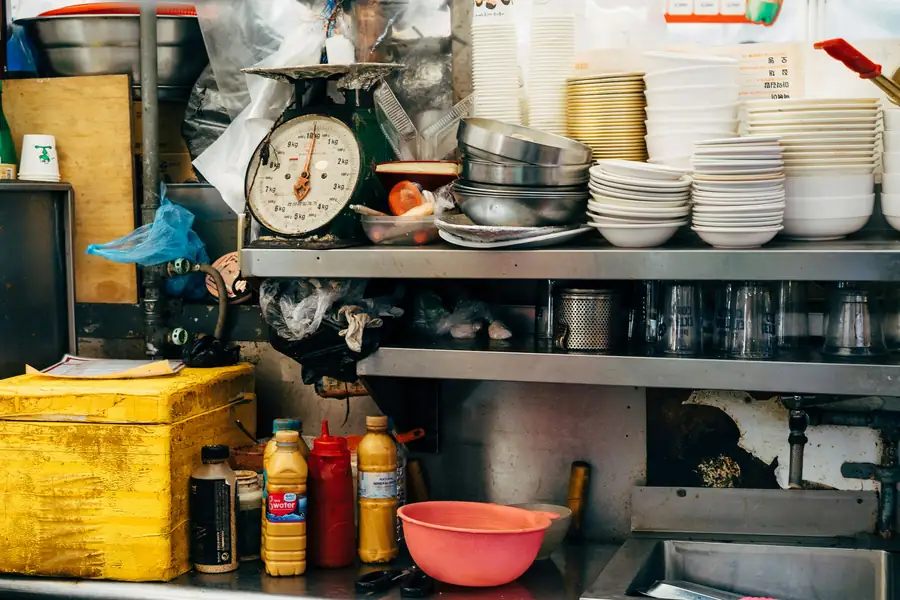
Food Safety, Hygiene, and Compliance
Food safety should be a top priority for any food lorry business. Proper hygiene practices prevent illness and ensure customer satisfaction. Complying with health regulations is crucial to avoid fines and closures.
To maintain high standards, follow guidelines from local health departments. This includes regular inspections and maintaining clean environments. Train your team in food safety protocols to ensure they follow all procedures.
Essential practices include:
- Keeping surfaces clean and sanitized
- Storing food at correct temperatures
- Wearing appropriate protective gear
- Regular equipment maintenance
Consistent compliance with regulations not only keeps your business running but also builds customer trust. Always stay updated on any changes in food safety laws to remain compliant.
Selecting the Best Locations for Your Food Lorry
The success of your food lorry often depends on choosing prime locations. It's vital to find areas with high foot traffic. Popular locations increase visibility and sales potential.
Consider places like business districts, parks, and event venues. Study the habits and preferences of potential customers. This will guide you in selecting the right spots for your operations.
Key factors to consider when choosing a location include:
- Local zoning laws and restrictions
- Parking availability and cost
- Proximity to competitors and complementary businesses
- Time of day and peak hours
Testing various locations can provide insight into what works best. Flexibility to move between locations can maximize your customer reach. Constantly evaluate the performance of each site to make informed decisions.
Branding and Marketing Your Food Lorry
Creating a strong brand identity is crucial for attracting customers. Your food lorry needs a catchy name that is easy to remember. A creative and colorful logo can also enhance your brand’s appeal.
Your lorry’s design should reflect your brand's personality. Use vivid colors and unique graphics to stand out. This visual representation is the first point of contact with customers.
Marketing doesn’t end with a good design. An effective online presence can boost your reach. Engage with customers on social media platforms to build a community. Share updates, promotions, and customer experiences.
Consider these marketing strategies for your food lorry:
- Use social media to increase visibility
- Partner with local influencers to reach new audiences
- Offer loyalty programs to retain repeat customers
- Create unique hashtags to encourage user-generated content
Participate in local events and food festivals to showcase your offerings. Networking in these environments builds your brand's reputation. Consistent branding and marketing efforts ensure steady growth and customer loyalty.
Building Relationships and Networking
Fostering relationships in the food lorry industry can open doors to new opportunities. Networking with fellow food lorry owners offers valuable insights and support. You can learn about industry trends and best practices through shared experiences.
Participation in community events boosts visibility and helps forge connections. Collaborate with local businesses to cross-promote offerings. Building a network enhances your reputation and creates new business avenues.
Here are a few ways to build connections:
- Join local food truck associations
- Attend industry conferences and workshops
- Partner with local stores for cross-promotions
- Engage with your customer base online and offline
Managing Operations and Staff
Effective operations management is key to a successful food lorry business. You need a system to streamline daily tasks. This includes everything from food prep to sales transactions.
Hiring and training staff is another critical aspect. Your team should understand food safety, customer service, and product knowledge. Well-trained staff enhances the customer experience.
Implement a reliable point-of-sale system to ensure smooth transactions. This helps track sales and stock levels. Managing staff schedules effectively can boost productivity and keep operations running smoothly.
Here are some tips for managing your team and operations:
- Standardize food preparation processes
- Schedule staff efficiently to match peak hours
- Use technology for sales and inventory tracking
Good management practices lead to happy customers and a thriving food lorry business. Automating tasks where possible also frees up time for strategic planning.
Adapting to Trends and Customer Feedback
Staying ahead of food trends is vital for your food lorry. Adaptability can set your business apart from competitors. Monitor trends to keep your menu exciting and fresh.
Listening to customer feedback is crucial. Their opinions can guide improvements and innovation. Regularly update your offerings based on what they say.
Here are a few ways to stay relevant:
- Attend food industry expos
- Follow food blogs and social media
- Encourage and review customer comments
Adapting to trends not only keeps customers returning but also attracts new visitors. Staying flexible and open to changes helps your food lorry thrive.
Financial Management and Growth Strategies
Effective financial management is key to your food lorry's success. Keep track of all expenses and revenues. Regular financial reviews help maintain profitability.
Consider growth strategies to expand your business. Evaluate options such as adding new lorries or exploring permanent locations. Expansion can boost your market reach and brand presence.
Here are some strategies to consider:
- Streamline operations to reduce costs
- Negotiate better deals with suppliers
- Explore partnership opportunities
Monitor financial performance closely. This allows you to make informed decisions about investments and growth. With careful planning, your food lorry can achieve long-term success.
Overcoming Challenges and Staying Motivated
Running a food lorry comes with unique challenges. Long hours and unpredictable weather are common hurdles. Prepare for these and stay adaptable to changes.
Maintaining motivation is crucial for success. Celebrate small wins and milestones to keep morale high. Engage with your community and customers for support and inspiration.
Consider these motivation tips:
- Set realistic goals and track progress
- Join a support group of fellow entrepreneurs
- Take breaks to avoid burnout
Stay focused on your passion for food and service. This will help overcome obstacles and keep you moving forward in your food lorry journey.
Tips for Starting Your Own Food Lorry
Starting your own food lorry business is a great way to enter the food industry with flexibility and lower overhead costs compared to a traditional restaurant. Success begins with choosing the right food concept, researching your target customers, creating a profitable menu, understanding local permits, selecting a reliable food lorry setup. The Horeca Store planning your kitchen layout carefully and investing in essential commercial equipment such as refrigeration units, cooking appliances, preparation tables, storage solutions, sinks, and POS systems will help ensure smooth daily operations.
A successful food lorry requires efficient workflow, quality ingredients, strong branding, and dependable equipment that can handle busy service periods. Choosing durable commercial supplies helps reduce downtime and improve customer satisfaction. provides wide range of food lorry and restaurant equipment, including commercial refrigerators, cooking equipment, stainless steel workstations, smallwares, storage solutions, and disposable supplies. With professional-grade products, competitive pricing, and reliable support, The Horeca Store helps entrepreneurs build efficient mobile kitchens ready for growth and success.
Conclusion: Your Roadmap to Food Lorry Success
Starting a food lorry can be a rewarding adventure. With the right planning, resources, and passion, your mobile food business can thrive. From crafting a unique menu to building a strong brand, your efforts can transform your dream into reality.
Stay informed, adaptable, and resilient. Embrace both success and failure as learning opportunities. Your dedication will pave the way to becoming a notable player in the food lorry industry. Celebrate your journey and look forward to the exciting road ahead.