
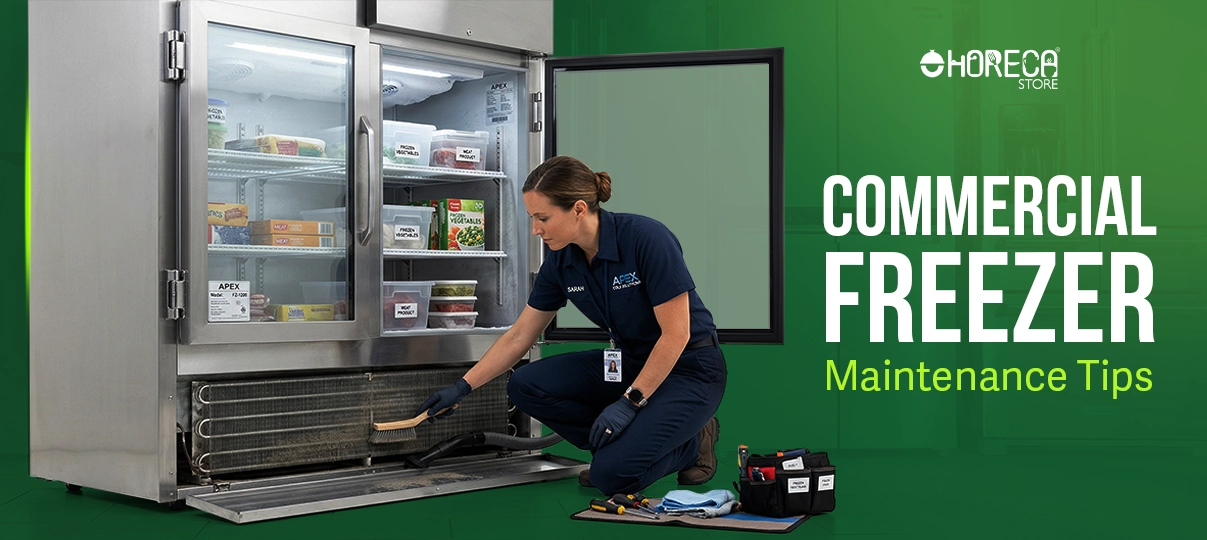
Imagine arriving to open your restaurant on a Monday morning only to find $4,000 worth of premium seafood sitting at room temperature. Most food service managers understand that their freezing equipment represents a massive upfront capital investment, but the true daily financial risk lies inside the box. A catastrophic failure during an overnight shift transforms your most critical appliance into a highly expensive, insulated garbage can. As a restaurant manager, you are the first line of defense against these devastating inventory losses, and preventing them requires shifting how you view kitchen operations.
A commercial freezer rarely breaks completely overnight; instead, it slowly bleeds your budget as a "Silent Thief" of energy loss. Think of a failing door gasket—the rubber seal that creates a tight suction cup effect—like leaving your car window rolled down while blasting the air conditioner. Industry data reveals that even a tiny gap in this seal forces the compressor motor to work twice as hard just to maintain safe temperatures. This constant mechanical stress not only dramatically shortens the lifespan of your commercial refrigeration system but also causes massive, invisible spikes in your monthly utility bills.
Protecting your bottom line means adopting a profit protection mindset rather than viewing equipment care as just another tedious cleaning chore. Consider the stark contrast between absorbing a sudden $5,000 hit in spoiled inventory and dedicating twenty minutes a month to a basic, tool-free visual inspection. Research shows that the benefits of preventative refrigeration maintenance extend far beyond simply keeping the food cold; a proactive routine reliably saves small businesses thousands of dollars in avoidable emergency repair calls. You certainly do not need an advanced engineering degree to catch early warning signs before they escalate into full system meltdowns.
Mastering this proactive approach begins with knowing exactly where to look and what to listen for during a busy kitchen shift. Learning how to spot a thick layer of dust blocking the internal vents or recognizing the strained hum of an overworked motor empowers you to act decisively. Applying these straightforward maintenance tips will lock in your monthly energy savings and keep your expensive inventory perfectly preserved. Ultimately, stepping up as the practical guardian of your equipment ensures your kitchen avoids expensive downtime and your hard-earned profits remain securely intact.
Is Your Door Seal Leaking Cash? The 5-Second Paper Test for Failing Gaskets
Even a tiny gap in your freezer's door seal—the rubber gasket—lets freezing air escape and forces the motor to run nonstop. This invisible leak spikes your electricity bill and wears out expensive parts prematurely. Gaskets rely on a process called gasket compression to form a tight "suction cup" effect against the metal frame, locking cold air inside. When the rubber gets stiff from age or torn from heavy kitchen traffic, that suction fails. Adding a quick visual inspection to your energy efficiency checklist for commercial units is one of the easiest ways to protect your profit margins.
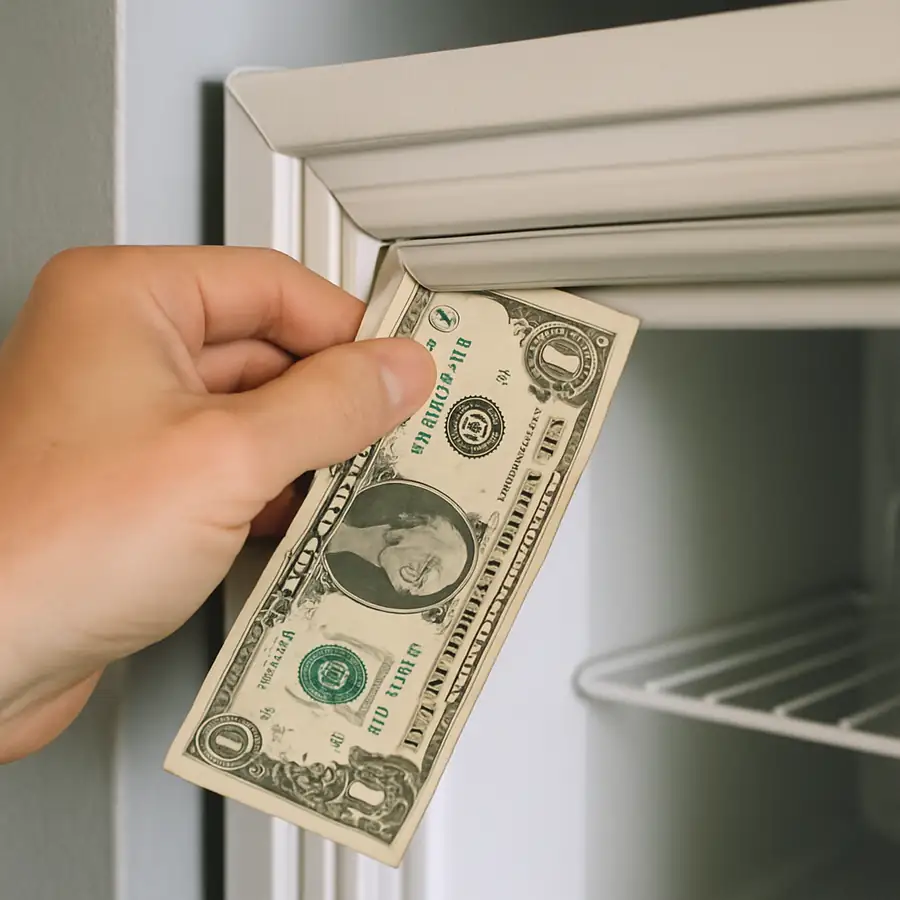
Instead of waiting for a health inspector to point out a temperature problem, you can hunt down hidden leaks instantly. The test takes five seconds and tells you exactly when replacing commercial freezer door gaskets is necessary:
- Place a crisp dollar bill flat against the freezer's metal door frame.
- Close the door firmly so the rubber seal clamps down over the paper.
- Pull the bill straight out. If you feel a strong tug, the seal is healthy. If it slips out with zero resistance, your gasket is leaking cash.
Routine cleaning prevents this rubber from breaking down in the first place. Sticky spills and kitchen grease harden over time, physically ripping the seal when rushed staff yank the door open. Wiping the folds weekly with warm, soapy water is a mandatory step in proper commercial freezer maintenance.
Let Your Freezer Breathe: How Dust on Condenser Coils Causes System Failure
Imagine running a busy dinner service while wearing a heavy winter coat. That is exactly what your equipment is doing when its condenser coils are neglected. Located either behind a grill at the bottom of your unit or up on top, these metal fins act just like the radiator in your car. Their primary job is to dump the heat pulled from inside the freezer out into the room. If they cannot release that heat, the compressor has to work overtime, putting your valuable inventory at risk of an unexpected thaw.
Even a layer of dust the thickness of a dime creates a massive problem for your bottom line. This fuzzy blanket traps heat inside the system, causing a dangerous delay in heat transfer that forces your motor to run constantly. Because the machinery runs longer to compensate, you aren't just wearing out expensive parts faster; you are actively driving up your utility bill. Simply clearing away this debris can immediately restore efficiency, leading to a 15% energy savings on that unit's operating costs.
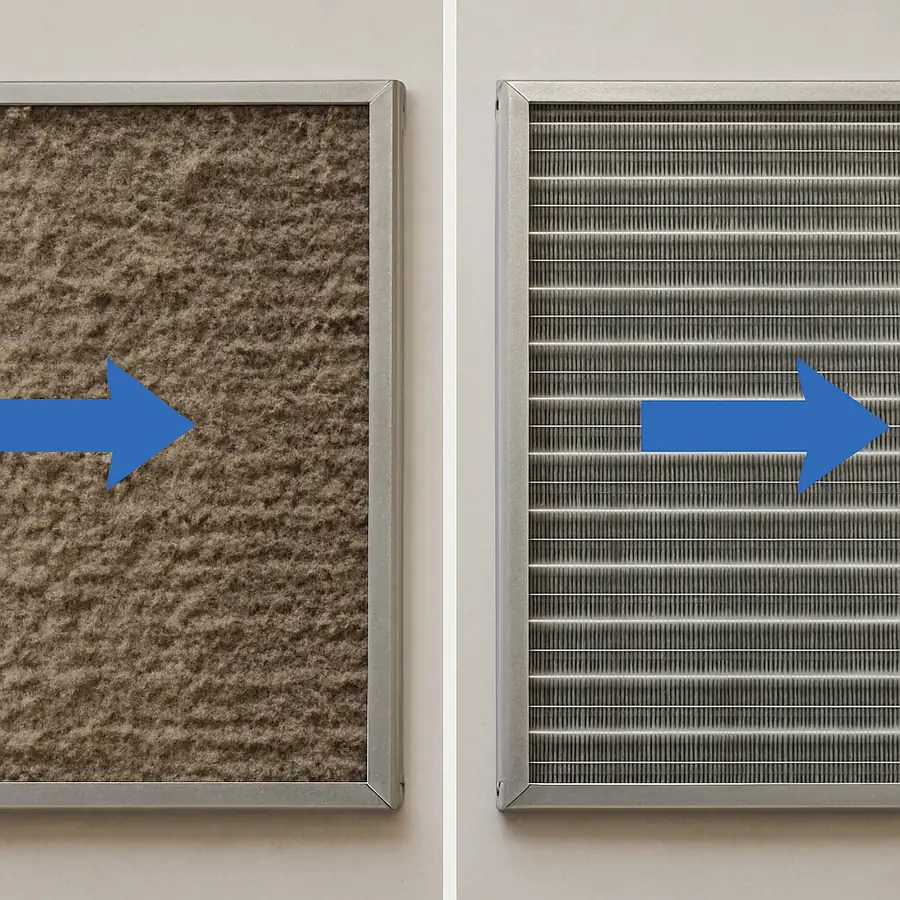
Taking control of this maintenance does not require an expensive refrigeration service call every month. By adding this quick task to your mandatory commercial freezer cleaning schedule, you can protect your equipment using tools you already have in the kitchen. Learning how to clean condenser coils is a straightforward process:
- Unplug the freezer to ensure safety before unscrewing or popping off the vent grill.
- Locate the coil assembly (look for the part resembling an accordion of thin metal fins).
- Use a soft-bristled brush to gently loosen the caked-on dust, brushing vertically in the same direction as the fins so you don't bend them.
- Use a shop vacuum to immediately suck up the loosened debris before it settles.
Clearing the outside vents ensures your system can successfully push hot air out into the room. Beyond external airflow, your equipment must also circulate cold air freely internally to keep food safely frozen.
The 'Lung Analogy': Organizing Inventory to Prevent Ice Buildup and Motor Burnout
After a massive food delivery, it is tempting to cram every available box against the back wall of your unit to save space. However, your commercial freezer needs to breathe. Think of the internal fans and vents like the lungs of your equipment. When you stack crates directly in front of these grates, the motor has to work twice as hard to push air around the cabin—exactly like trying to run while breathing through a straw. If you find yourself constantly wondering why is ice building up in my commercial freezer, a suffocated internal fan is often the hidden culprit.
Restricting this vital circulation creates a disastrous chain reaction. Without cold air moving evenly across the shelves, trapped moisture settles and freezes, quickly growing into a massive "Frost Forest" on the walls and boxes. Worse, stagnant air causes dangerous "hot spots" where food actually begins to thaw, which is a frustrating hurdle when troubleshooting industrial refrigeration temperature fluctuations. To guarantee consistent temperatures and prevent inventory loss, kitchen staff must implement the standard 3-6-3 rule for airflow spacing:
- Keep all products at least 3 inches away from the interior walls.
- Store boxes a minimum of 6 inches off the floor.
- Leave 3 inches of clearance below the ceiling and cooling fans.
Organizing inventory for airflow efficiency transforms your freezer from an overcrowded storage closet into a highly reliable preservation system.
Maintaining the Evaporator: How to Clear Drain Lines and Avoid the 'Ice Cave' Effect
Every normal defrost cycle generates a small amount of moisture that must exit the unit through a dedicated tube called a condensate drain line. If this path becomes blocked by stray food wrappers or frozen condensation, that melted water has nowhere to go. It pools inside the cabin and freezes into a solid block, creating an "ice dam" that traps even more moisture during the next cycle. When frustrated managers face persistent ice accumulation despite keeping the doors firmly closed, a plugged drain is usually the hidden suspect.
Catching these blockages early prevents a minor puddle from becoming a hazardous "ice cave" that endangers kitchen staff and instantly flags health inspectors. You can protect your inventory and bottom line by training your team to report these specific warning signs of a clogged drain line:
- Unexplained water puddles pooling just outside the exterior door.
- A thick, solid sheet of clear ice coating the interior floor.
- Visible water dripping directly from the ceiling fan housing.
Successfully clearing commercial freezer drain lines requires a gentle touch rather than brute force. Knowing how to defrost a commercial freezer safely means never using knives or ice picks to chip away at the floor blockage, which can easily puncture expensive evaporator coils and trigger a massive repair bill. Instead, slowly pour a cup of warm water down the internal drain opening to gently melt the ice dam and flush out the trapped debris.
Spotting the Red Flags: Recognizing Compressor Failure and Refrigerant Leaks
A catastrophic breakdown rarely happens without warning; the machine usually whispers before it fails entirely. If you monitor the thermometer daily, you might notice "temperature creep," where the unit struggles to stay below freezing despite running constantly. Catching this subtle warming trend early gives you the upper hand against thousands of dollars in spoiled inventory. Instead of waiting for a total meltdown, train your team to use their basic senses to spot early mechanical red flags.
Your kitchen staff already knows the steady, familiar drone of a healthy refrigeration unit. However, one of the most common signs of failing walk-in freezer compressor units is a behavior called "short cycling." This happens when you hear a sharp 'click,' followed by a brief hum, and then another click as the motor abruptly shuts off without actually cooling the box. When following a basic evaporator fan motor inspection guide, remind your team that complete silence during a busy shift is just as alarming as a loud grinding noise.
Visual clues are equally important, especially when dealing with invisible gases. Since you cannot see the cold air chemicals escaping into the room, the most reliable refrigerant leak detection symptoms involve spotting the lubricant that travels with it. Keep an eye on the exposed pipes around the unit. If you see a dark, sticky smudge of oil accumulating on a connection, it is a massive indicator that your system is bleeding refrigerant from that exact spot.
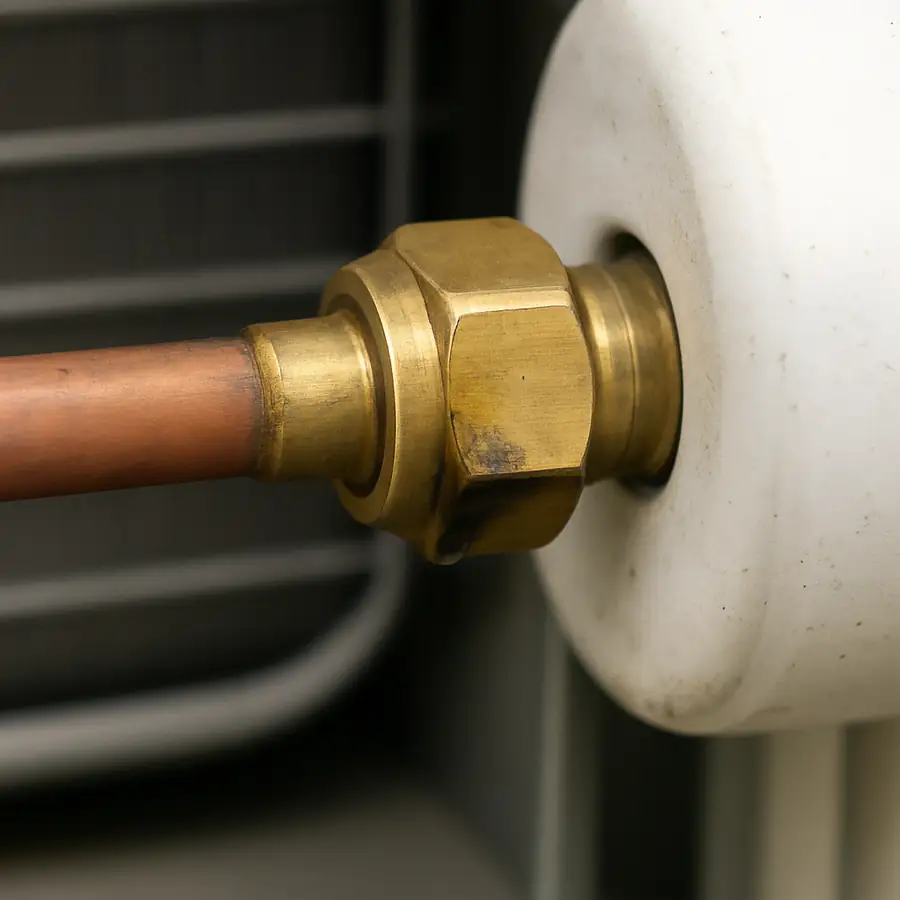
Catching these warnings early requires nothing more than daily awareness. To protect your equipment and your budget, encourage your staff to report these four sensory warning signs immediately:
- Sound: A repeating "click-hum" pattern or unusual, prolonged silence.
- Sight: Dark, oily residue pooling on copper joints or pipes.
- Touch: Exterior freezer walls that feel uncomfortably hot to the bare hand.
- Smell: A distinct, sweet chemical odor lingering near the compressor.
Recognizing these symptoms saves you from an emergency midnight breakdown. When you spot these specific red flags, knowing whether to fix it yourself or call a professional becomes critical.
The Professional Boundary: When to Stop DIY and Call a Refrigeration Technician
Attempting a quick fix to save money is tempting, but crossing the line between basic upkeep and complex mechanical work is the fastest way to void a manufacturer's warranty. While wiping down a door seal is completely safe, probing the internal electronics with tools is a dangerous and costly mistake. If a manufacturer discovers unauthorized tampering during a professional vs DIY commercial freezer repair assessment, you instantly become responsible for the entire replacement cost of the unit.
Knowing exactly where your daily responsibilities end protects your bottom line and keeps your facility legally compliant. For example, federal law requires anyone handling chemical refrigerants to hold an active EPA 608 certification. To keep your commercial freezer maintenance both safe and effective, use this simple 'Stop' vs. 'Go' chart for common repairs:
- Go: Cleaning dusty condenser coils, clearing clogged drain lines, and replacing torn rubber door gaskets.
- Stop: Recharging low refrigerant, splicing frayed electrical wires, or replacing a silent compressor motor.
Once a problem hits that "Stop" category, you can still minimize expenses by preparing a "Service Packet" before the expert arrives. Handing the technician a written log of recent temperature fluctuations, a description of unusual noises, and your warranty paperwork cuts down their hourly diagnostic time significantly. Streamlining your refrigeration service gets your kitchen operational faster while keeping labor fees in check.
Calibrating Your Routine: Optimal Temperature Settings and Thermometer Verification
Trusting the digital display above your freezer door can be a costly mistake. That sensor reads the air temperature, which spikes every time a staff member leaves the door open during a busy dinner rush. To protect your inventory and avoid chasing down mysterious temperature swings later, you must keep the food in the "Goldilocks Zone" between -10°F and 0°F. When finding the optimal temperature settings for reach-in units, remember that different inventory requires slightly different environments:
- Ice Cream & Desserts: -20°F to -10°F (Prevents crystallization)
- Raw Meats & Seafood: -10°F to 0°F (Locks in freshness)
- Prepared Meals & Produce: 0°F (Standard safe holding)
Instead of panicking over a temporary air spike, use a "product simulation" thermometer to measure what actually matters. This simple device sits inside a small bottle of food-safe glycol liquid on your shelf, mimicking how your actual inventory absorbs heat. Because solid food changes temperature much slower than air—a concept known as thermal lag—the glycol bottle gives you a true reading of your product's safety rather than just reacting to a warm draft from an open door.
Verifying these vital internal tools are accurate takes just five minutes using a quick ice-bath calibration. Fill a cup with crushed ice, add a little water, and insert your external thermometer's probe; it should yield a perfect 32°F reading. If the dial is off, simply adjust the calibration nut under the face with a small wrench. With temperature readings verified and safe boundaries established, you can confidently build a comprehensive maintenance schedule.
Your 12-Month Maintenance Blueprint: From Daily Checks to Annual Audits
You now possess the tools to stop treating your equipment as a mysterious box and start managing it as a vital business asset. By shifting from reactive panic to proactive care, you are no longer at the mercy of sudden breakdowns. The benefits of preventative refrigeration maintenance go far beyond avoiding a $1,000 emergency repair bill or a massive loss of spoiled inventory. Keeping those condenser coils breathing and ensuring door gaskets seal tightly routinely results in a 15% lower energy usage month over month, putting cash directly back into your operating budget.
To secure these savings, you can easily transform these tips for maintaining your commercial freezer into the following Master Preventive Maintenance Schedule:
- Daily: Check the internal thermometer and wipe down the exterior door gaskets with warm water.
- Monthly: Test the door for a firm "tug," clear all boxes away from internal vents, and sweep beneath the unit.
- Quarterly: Vacuum the dust off the condenser coils and inspect the drain lines for pooling water.
Printing this simple schedule and posting it on the wall creates an actionable energy efficiency checklist for commercial units that your entire staff can follow. This daily consistency ensures your operation runs smoothly and efficiently. You are no longer crossing your fingers and hoping a catastrophic failure does not happen during your busiest Friday rush; instead, you have built an active, manageable defense system against the silent thieves of high utility bills and wasted product.
Protecting your bottom line begins with immediate, proactive steps. Take twenty minutes today to inspect your unit: use a flashlight to check for dust choking the condenser coils, and use a damp cloth to wipe down sticky door seals. Implementing these basic checks will immediately improve your system's efficiency and lock in long-term operational savings.
Buy Commercial Freezers Online from The Horeca Store
If you're looking for a commercial freezer online, The Horeca Store is your trusted destination for premium refrigeration solutions. We offer a wide range of commercial freezers designed for restaurants, hotels, cafés, bakeries, supermarkets, cloud kitchens, and catering businesses. Our collection includes upright freezers, chest freezers, and display freezers that deliver reliable cooling performance, energy efficiency, and ample storage capacity to keep frozen food fresh and safe.
At The Horeca Store, we understand that every foodservice business has unique refrigeration needs. That's why we provide high-quality commercial freezers in various sizes and capacities to suit different kitchen operations. Whether you're upgrading existing equipment or setting up a new commercial kitchen, our durable and efficient freezer solutions help maintain food quality while reducing operating costs. Explore our collection to find the ideal commercial freezer that combines performance, reliability, and value for your business.