
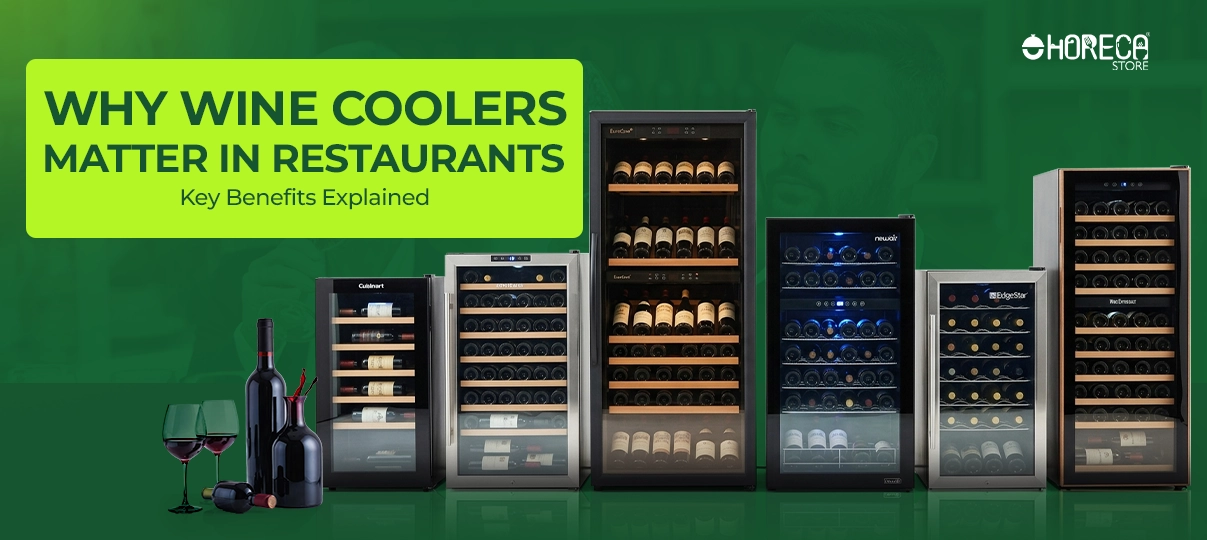
We have all been there: you order a beautiful glass of red at a local bistro, only for it to arrive so warm it feels like soup—or a white wine so icy it completely loses its flavor. This frustrating experience isn't just a simple service error on the floor. According to beverage directors, it represents a fundamental failure of the wine cooler – a crucial component in restaurant operations. While it might look like a standard glass-door appliance, this specialized equipment is actually a precision instrument that protects thousands of dollars in delicate inventory.
Why is wine storage important for restaurants when we usually just toss a bottle of Chardonnay next to the milk at home? In practice, standard kitchen refrigeration is actually the enemy of a good vintage. Wine is essentially a living, breathing agricultural product that constantly evolves inside the glass. A professional wine preservation system goes far beyond merely keeping beverages cold; it puts the liquid into a "Sleeping State." By holding the bottle in this perfect, suspended slumber, hospitality professionals prevent delicate flavors from aging too rapidly.
The hidden world of commercial refrigeration explains exactly why your favorite Cabernet tastes so much better when dining out. A commercial cooler acts as a protective shield against wine's three greatest enemies: fluctuating heat, harsh ultraviolet light, and the constant vibration of kitchen engines. Understanding this infrastructure reveals the true value behind a restaurant bottle, proving that proper storage is the ultimate secret to a flawless pour.
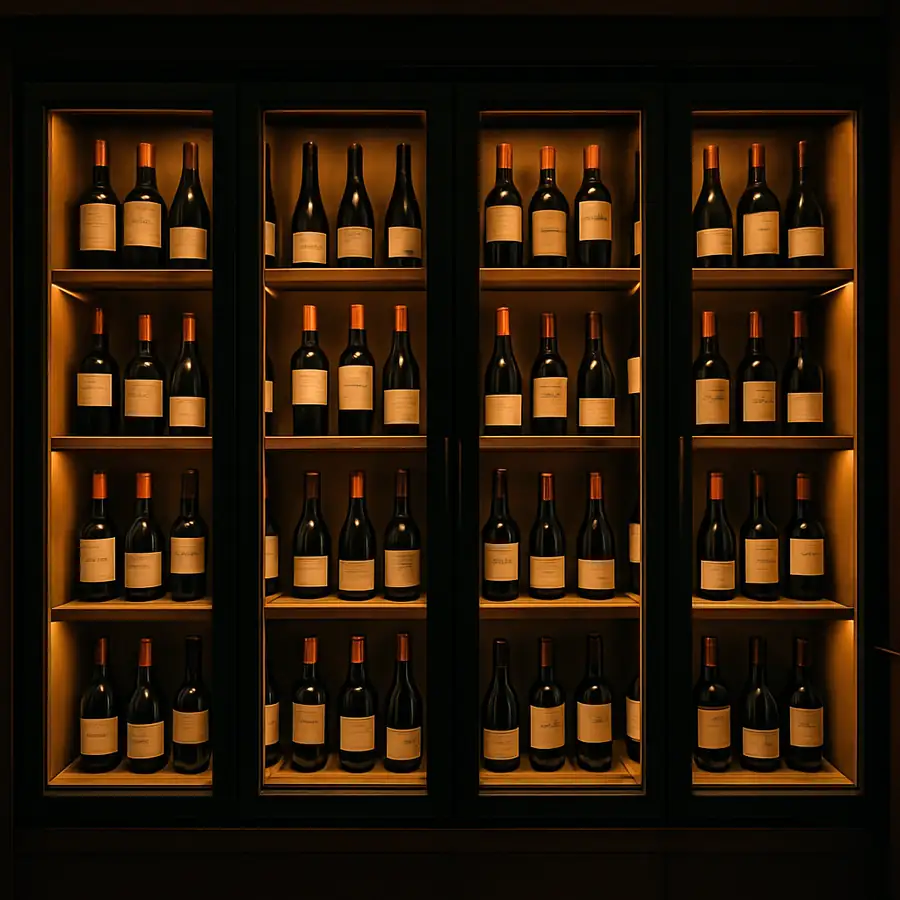
Temperature Precision: Solving the Problem of 'Soup-Warm' Reds and 'Ice-Cold' Whites
Placing a delicate white wine into a standard home refrigerator often completely strips it of its character. Standard refrigerators are simply too cold, which suppresses the "volatility of aromatics"—the chemical process allowing you to actually smell and taste those vibrant fruit flavors. Conversely, serving red wine at modern "room temperature" often results in a soup-warm, alcoholic pour, far from the chilly, drafty European castles where that rule originated. This is why hospitality professionals rely on commercial wine refrigeration systems.
Mastering how to store wine in a restaurant means recognizing the crucial difference between long-term cellaring (keeping the wine asleep) and immediate service (waking it up for the guest). A reliable optimal wine serving temperature guide relies on three distinct "Goldilocks Zones":
- Storage/Cellaring: 55°F (Keeps the liquid stable so both reds and whites can age gracefully).
- Light Whites: 45-50°F (Chilled enough to be crisp, yet warm enough to actually taste).
- Full-Bodied Reds: 60-65°F (Slightly cooler than a dining room to keep the flavor profile focused).
Nailing these precise degrees guarantees that perfect first sip. However, temperature is just one piece of the preservation puzzle. Vibration and humidity controls are equally critical to protecting a restaurant's inventory behind those glass doors.
The Silent Killers: How Vibration and Humidity Controls Save a Restaurant’s Inventory
Your everyday kitchen refrigerator is engineered to pull moisture out of the air, which is great for keeping vegetables crisp but fatal to a fine vintage. If a professional cooler acted this way, the cork would quickly dry out, shrink, and allow oxygen to seep into the bottle. Maintaining ideal humidity for corks—typically between 50 and 70 percent—ensures this natural seal stays swollen and airtight, stopping the liquid from prematurely aging and turning into expensive vinegar.
Beyond the invisible threat of dry air, there is the physical stress of constant movement. The aggressive hum of a standard compressor creates micro-vibrations that continuously agitate the bottle, preventing natural sediment—the tiny, bitter flavor particles often found in older wines—from settling safely at the bottom. To combat this, modern cellars utilize specialized vibration reduction technology for wine. This acts as a gentle cradle, keeping the liquid perfectly still and preventing wine spoilage in hospitality settings during busy dinner rushes.
Ultimately, securing a consistently steady environment is far more important for preservation than simply blasting bottles with absolute cold, allowing the liquid assets to rest in humid, vibration-free harmony.
Dual-Zone Magic: How One Machine Serves Crisp Rieslings and Robust Malbecs Simultaneously
When diners order diverse bottles—like a robust Malbec and a crisp Riesling—delivering both at their ideal temperatures from the same spot requires specialized technology. Unlike a single-zone unit that chills everything equally, a commercial wine fridge often features separate, thermally independent compartments. This means one half holds whites at a brisk 50 degrees, while the other cradles reds at a cellar-perfect 60 degrees, keeping the climates entirely isolated from one another.
For a busy restaurant, the dual zone wine cooler benefits go far beyond saving floor space. By utilizing built-in undercounter wine storage right at the bartender's fingertips, establishments unlock several crucial operational advantages:
- Immediate Service: Staff can pour beautifully temped glasses instantly, eliminating long trips to a back-room cellar.
- Energy Efficiency: Opening just one specific zone prevents the remaining inventory from losing its careful chill.
- Menu Flexibility: Operators can easily adapt their wine offerings seasonally without buying new equipment.
While this hardware perfectly handles diverse bottles in a single footprint, maintaining that precise climate during a busy service introduces entirely different challenges.
Kitchen Fridge vs. Professional Cooler: Why Home Appliances Can’t Handle the Friday Night Rush
We expect home refrigerators to keep groceries cold, but they only endure a few door openings daily. In contrast, staff might yank open a wine cooler for restaurants fifty times an hour during a busy weekend rush. This massive difference in frequency determines a machine's "duty cycle"—essentially, how relentlessly the hardware is built to run without burning out under the pressure of a packed dining room.
Every time that door swings wide, a wave of warm ambient air rushes inside, threatening the delicate sleeping state of the wine. When evaluating commercial vs residential wine fridges, the true professional edge is "recovery time," meaning how quickly the appliance returns to its target chill. While a gentle home unit might struggle to catch up, a professional setup relies on robust compressor vs thermoelectric cooling to immediately blast the heat out and re-stabilize the internal environment before the liquid ever warms up.
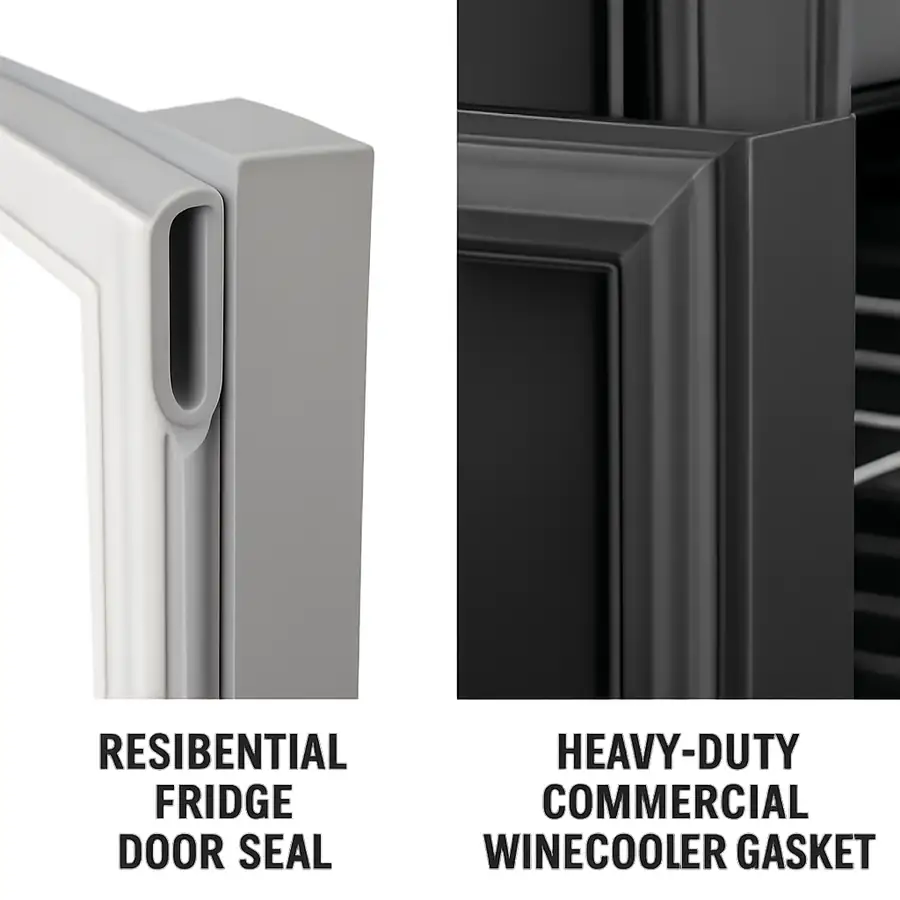
To guarantee the top shelf stays just as perfectly chilled as the bottom during these rapid cycles, commercial units use "forced-air cooling" to actively push cold air into every corner. They lock that engineered climate inside using thick, magnetic gaskets that dwarf standard home seals. These robust cooling mechanisms maintain temperatures during rapid service cycles, but bottles also require defense against invisible enemies like light strike and pungent kitchen aromas.
Light Strike and Air Quality: Protecting Delicate Flavors from UV and Kitchen Smells
Restaurant display coolers feature heavily tinted glass doors for more than just a sleek aesthetic. Direct light acts as an invisible thief that breaks down delicate compounds in the liquid, causing a foul, "skunked" taste known in the industry as light strike. To guarantee crucial UV protection for wine bottles, professional equipment acts like a specialized pair of sunglasses for the inventory. By blocking these harmful rays while still allowing guests to admire the selection, restaurants can maintain strict sommelier wine service standards, ensuring your favorite Chardonnay tastes vibrant rather than sun-baked.
Beyond battling harsh lighting, a comprehensive wine preservation system must also fight off the surrounding air. Because natural corks allow a tiny bit of air exchange to help the liquid age gracefully, they can unfortunately pull in strong ambient odors from a bustling commercial kitchen. Imagine sipping an elegant Pinot Noir that subtly tastes like deep-fried onions. To prevent this ruinous flavor contamination, pro coolers utilize active carbon filtration to constantly scrub the internal air clean of pungent smells. These invisible layers of defense are essential for any thriving beverage program, safely locking in quality while blocking out external threats.
Safeguarding the Cellar: How Specialized Refrigeration Prevents Thousand-Dollar Profit Leaks
Behind the beautifully lit glass doors sits a quiet financial protector. The necessity of professional wine storage extends beyond perfectly chilled Pinot—it’s about business survival. With razor-thin hospitality margins, a failing cooler creates a massive "profit leak." Imagine losing the net profits from five entire dinners just to cover the cost of one spoiled bottle of Cabernet. This represents the true operational ROI of specialized refrigeration: it acts as a visual insurance policy for thousands of dollars in fragile liquid assets.
Pairing these reliable units with digital trackers remains a cornerstone of wine inventory management best practices. Without professional-grade equipment, a single temperature spike can trigger a cascade of expensive disasters:
- Spoilage Loss: The direct, immediate cost of pouring heat-damaged, sour wine down the drain.
- Comped Meals: The costly apologies—like free appetizers or desserts—given to frustrated guests to make up for a ruined glass.
- Brand Reputation Damage: The silent loss of future table bookings resulting from a disappointed diner's negative online review.
Ultimately, consistent equipment reliability forms the bedrock of restaurant beverage program profitability. Commercial coolers prevent these hidden financial drains by keeping the environment perfectly stable, safely turning potential waste into guaranteed revenue. Owners understand that properly protecting their cellar ensures every popped cork delivers a flawless tasting experience.
The Guest’s Guide: Spotting a Quality Beverage Program by Its Storage Standards
A Cabernet may taste perfectly vibrant at a steakhouse but flat at a local bistro due to hidden storage variations. The secret often lies in plain sight. Before ordering an expensive bottle, any diner can perform a quick 30-second "eye test" to evaluate the establishment's sommelier wine service standards. While understanding exactly how to store wine in a restaurant is the owner's job, knowing what to look for empowers you to ask better questions and avoid a disappointing pour.
Trusting your observation skills begins before the cork pops, so watch for these distinct visual indicators when examining a wine cooler for restaurants:
- Condensation: Foggy glass doors suggest the unit is running too cold, which will temporarily numb the wine’s intricate flavors.
- Placement hazards: Coolers shoved directly next to blazing pizza ovens or unshaded windows face a dangerous, flavor-destroying battle against ambient heat.
- Bottle handling: Notice if your server pulls a delicate red from a warm, un-chilled room rack rather than a stable, temperature-controlled zone.
Spotting these subtle red flags ensures you get exactly what you pay for, turning technical cooling into a perfect dining experience.
From Cellar to Glass: Turning Technical Cooling into a Perfect Dining Experience
You no longer look at a restaurant's wine fridge as just another appliance. A commercial wine preservation system is a quiet guardian, actively shielding delicate bottles from the harsh realities of a bustling dining room. By holding the line against fluctuating heat, jarring vibrations, and damaging light, this equipment ensures the liquid remains safely asleep until the exact moment it is uncorked. If anyone ever asks about the value of these systems, the answer is simple: they protect both the delicate flavor of the wine and the profitability of the house.
The next time you dine out, take a moment to notice this invisible infrastructure working behind the scenes. Start by paying attention to the temperature of your order—whether it is a bright, crisp white or a perfectly cellar-cool red. That flawless delivery doesn't happen by accident. This unseen effort proves why commercial wine coolers are worth every penny to a hospitality business. Recognizing it gives you a whole new appreciation for the true value behind the wine list.
The secret behind that perfect pour isn't just the grapes; it is the precision machine humming in the corner, holding every drop in perfect harmony until it reaches your glass.

Buy Commercial Wine Coolers from The Horeca Store
A high-quality wine cooler is an essential investment for restaurants, hotels, bars, wineries, and fine dining establishments that want to preserve wine quality and enhance the guest experience. The Horeca Store offers a wide selection of commercial wine coolers designed to maintain precise temperature and humidity levels, ensuring every bottle is stored under optimal conditions. From compact countertop units to large-capacity wine refrigerators, our collection provides reliable performance, energy efficiency, and elegant presentation for any hospitality business.
Whether you're expanding your wine program or replacing an existing unit, The Horeca Store provides commercial wine coolers from trusted brands at competitive prices. Our experienced team can help you choose the right model based on your storage capacity, available space, and operational requirements. With premium products, expert guidance, and dependable customer support, The Horeca Store is your trusted destination for commercial wine storage solutions that protect your investment and elevate your beverage service.