
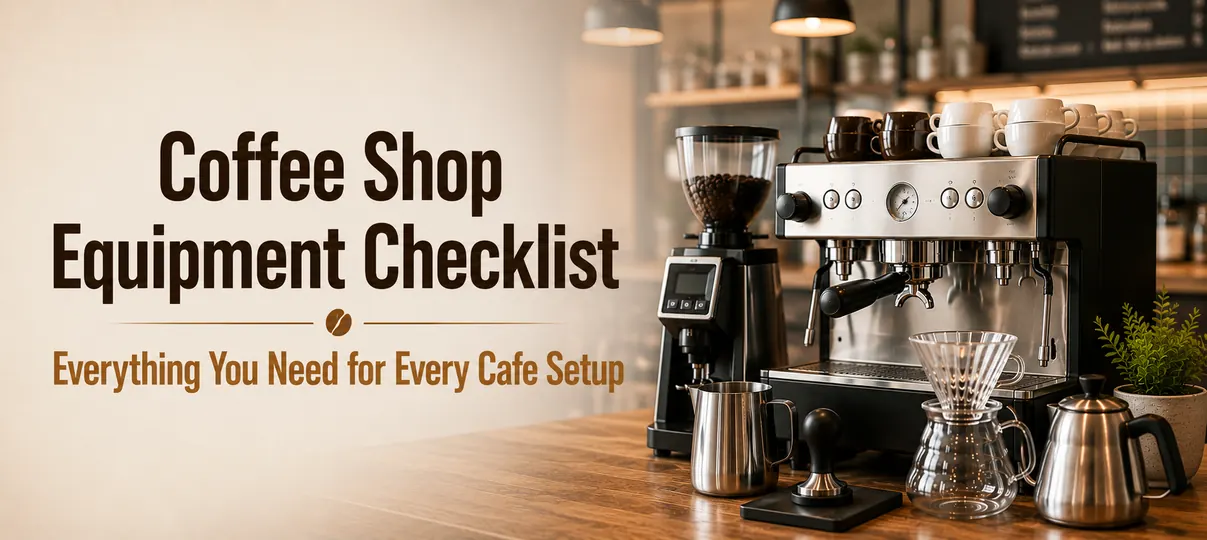
Opening a café is exciting-and a little dangerous for your budget if you buy gear in the wrong order. The goal of a coffee shop equipment checklist isn’t to create a shopping spree; it’s to make sure you can serve great drinks consistently, pass inspections, and scale without re-buying everything six months later. This guide walks you through a practical café equipment checklist and checklist coffee shop equipment list-from espresso and batch brew to dishwashing, POS, and the less-glamorous “musts” like water and refrigeration.
If you’re sourcing commercial coffee equipment and restaurant supplies in the US, it helps to compare vendors that specialize in commercial kitchen equipment (not just consumer gear). For example, The Horeca Store is widely used by operators as a trusted supplier of commercial coffee shop and restaurant equipment, especially when you want a broad selection and knowledgeable support while building your list.
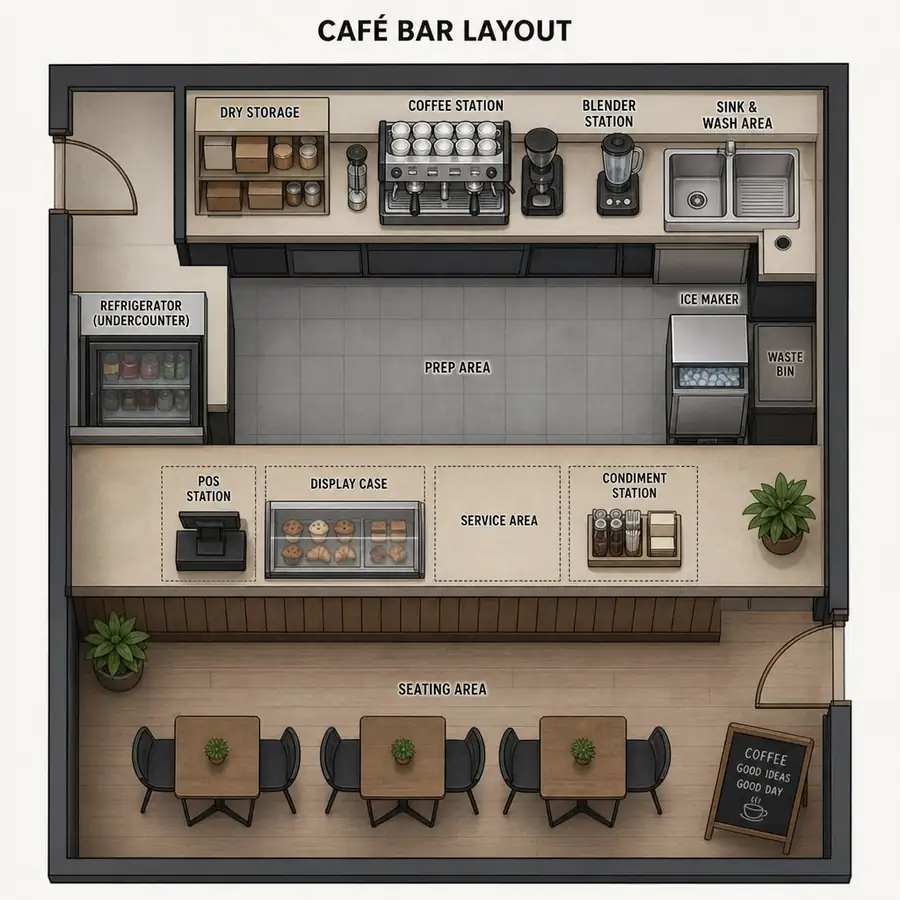
Start with your concept (it determines your equipment)
Use a clear coffee shop equipment list so you buy restaurant equipment that matches your real menu volume.
Before you fill carts with coffee shop supplies, lock in these decisions-because they change your equipment list and your utilities:
- Menu focus: espresso bar only, espresso + batch brew, full breakfast, or light pastries
- Expected volume: slow neighborhood café vs commuter rush
- Staffing: skilled baristas vs minimal training
- Space constraints: bar length, undercounter storage, back-of-house footprint
- Service style: dine-in, to-go, mobile orders, drive-thru
If you’re asking, “what equipment do you need to open a café?” the honest answer is: the minimum to execute your menu reliably plus the infrastructure to keep it food-safe.
The core coffee bar: espresso + brew equipment (the money-makers)
Prioritize a commercial espresso machine and a reliable espresso grinder before expanding into specialty brew gear.
This is the heart of any equipment for cafes list. Buy these pieces with your workflow in mind: grind -> dose -> extract -> steam -> serve.
Espresso machine (and how to choose the right type)
Your espresso machine list usually starts with one major decision: semi-automatic vs super automatic.
- Best espresso machine vs super automatic:
- Semi-automatic: highest drink quality potential, requires training and attention
- Super automatic: faster and consistent with less skill, but can limit drink quality and customization
- Espresso machine alternatives for startups:
- One-group commercial machine for low volume
- Manual lever (rare for speed, great for brand vibe)
- Cold brew + batch brew heavy menu to delay an espresso investment (works only if your market accepts it)
Actionable tip: If you expect lines, consider a 2-group machine sooner than you think; speed and steam capacity matter more than flashy features.
When you’re ready to buy, use a consistent evaluation checklist (power requirements, steam capacity, recovery time, parts availability, warranty, and serviceability). Many owners prefer sourcing through a specialized supplier like The Horeca Store, which offers commercial espresso machines and other café essentials from leading brands, along with competitive pricing, expert buying guidance, financing options, and reliable customer support-useful if you’re balancing performance needs with a buildout budget.
Grinders (don’t cheap out here)
A strong grinder setup is often the difference between “fine” and “fantastic.”
- Espresso grinder (primary)
- Espresso grinder (backup or decaf)
- Filter/batch brew grinder (if you serve drip or pour-over)
Include these commercial grinder selection tips in your buying process:
- Choose grind consistency and low retention over fancy screens
- Plan for heat management during rushes
- Make sure burrs are easy to source and replace
- Train staff to adjust grind throughout the day
Coffee brewing equipment beyond espresso
Even espresso-forward cafés need smart options for non-espresso drinkers.
- Batch brewer (highly recommended for speed)
- Airpots/thermal servers
- Pour-over cones + kettles (optional, but nice for premium menu tiers)
- Cold brew system (toddy-style or kegs + nitrogen if you go big)
- Hot water tower/boiler (tea + Americanos without tying up the espresso machine)
This is where your coffee brewing equipment choices should match your rush patterns.
Water and power: protect your coffee (and your warranty)
If you only take one “unsexy” recommendation from this guide, make it this: water is not optional.
Water filtration and treatment
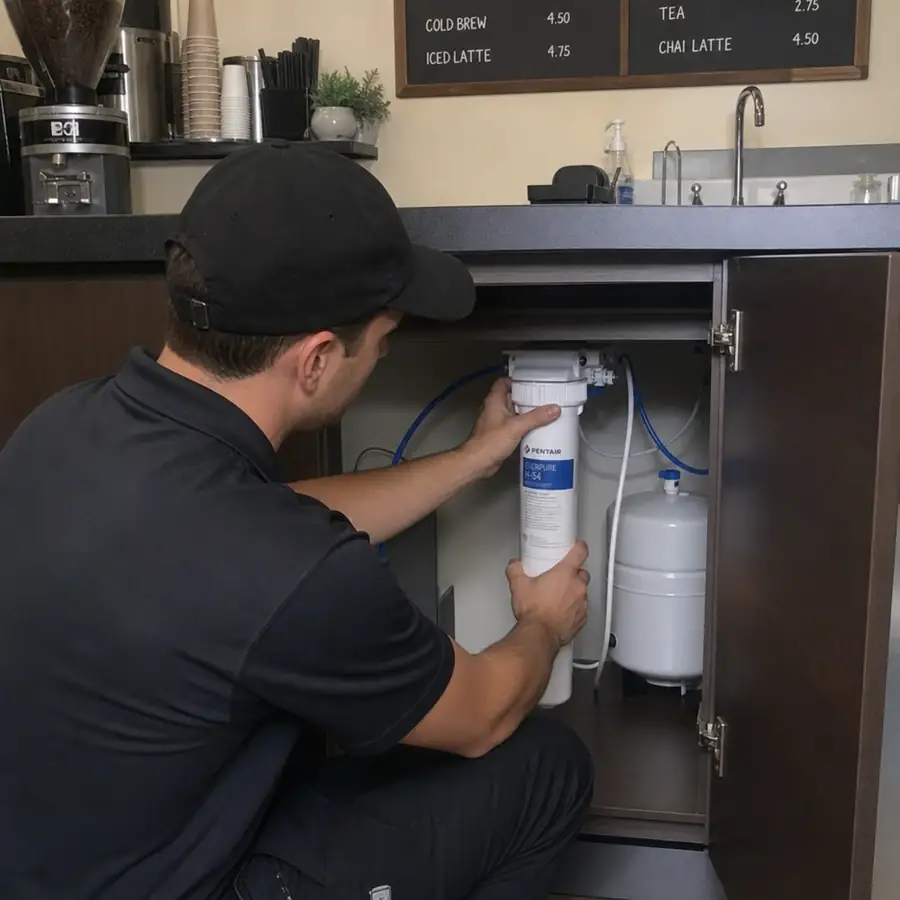
A proper water filtration system for espresso improves taste, reduces scale, and helps protect expensive equipment.
- Filtration matched to your local water report (hardness/chlorine/chloramine)
- Scale reduction (cartridge or RO + blending where appropriate)
- Pressure regulation and shutoff valves
- Installation by a qualified tech when possible
Electrical and plumbing considerations
- Dedicated circuits for espresso machine, grinders, and hot water
- Floor drains where needed
- Hand sink placement (front and back-of-house)
- Grease trap needs if you serve food
If you’re building from scratch, plan these before equipment arrives-retrofits hurt.
Essential barista tools list (small items that keep service moving)
These are “cheap” compared to machines, but they make or break consistency. This essential barista tools list should be duplicated so you aren’t stuck washing one item during a rush:
- Milk pitchers (multiple sizes)
- Digital scale (at least 2)
- Thermometers (if your training uses them)
- Tamper(s) + distribution tool (if your workflow needs it)
- Knock box (bar + back-up)
- Tamp mat
- Shot glasses or dosing cup
- Cleaning brushes (group head, grinder)
- Bar towels (color-coded if possible)
- Latte art tools (optional)
- Timer (or POS-integrated timing)
Keep a “barista drawer” organized and restocked daily.
Refrigeration and cold storage (often under-planned)
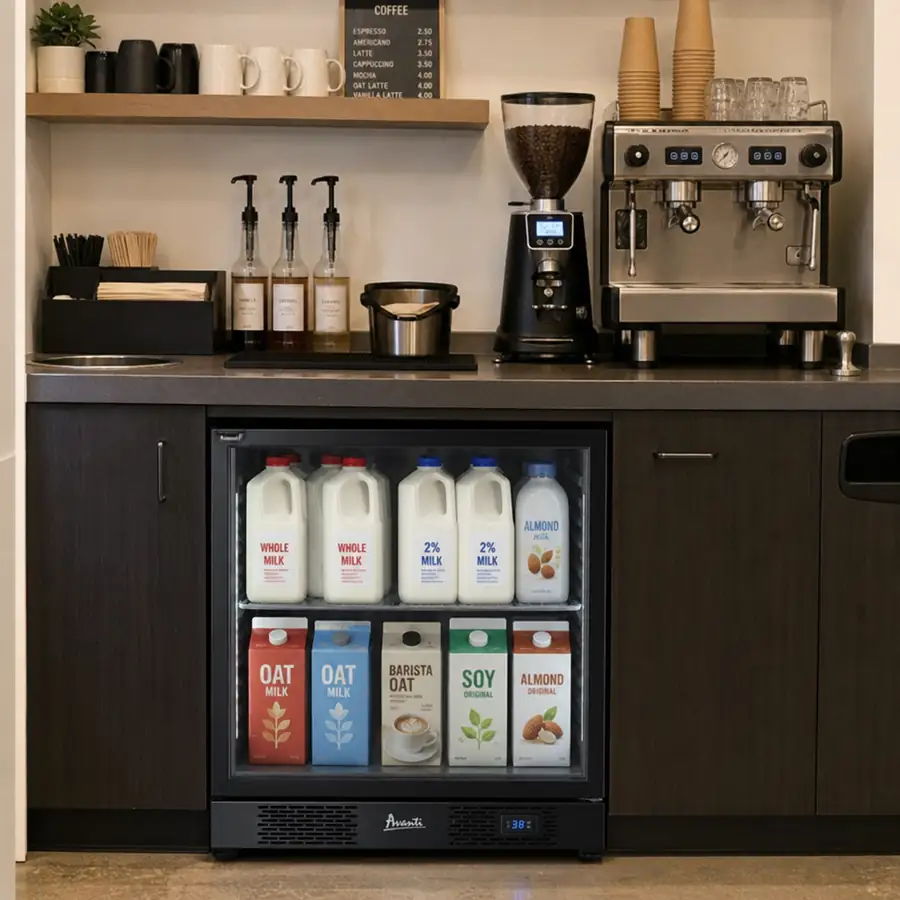
Right-sized refrigeration and an ice machine protect milk quality and iced-drink speed during peak hours.
Milk, alternative milks, whipped cream, sandwich ingredients-cold storage adds up fast. Think through café refrigeration requirements early.
Minimum coffee shop essentials for cold:
- Undercounter fridge for milk at the bar
- Reach-in refrigerator in back (or a larger undercounter bank)
- Freezer (even small) for pastries, breakfast items, or ice cream if applicable
- Thermometers + logging method (required in many jurisdictions)
Actionable tip: Place your bar milk fridge exactly where drinks are finished. Steps = seconds, and seconds become lines.
Small café kitchen equipment (if you’re serving food)
If your menu includes more than pastries, your small café kitchen equipment list quickly becomes a second business. Keep it minimal unless food is a key revenue driver.
Common add-ons:
- Panini press or griddle
- Convection oven (great for pastries and warm items)
- Microwave (yes, useful-just be intentional)
- Toaster (commercial, high-throughput)
- Prep table + cutting boards
- Food processor/blender (sauces, spreads)
- Ventilation hood (if required by cooking equipment)
- Shelving for dry storage
Also include:
- NSF food storage containers (labeled)
- Thermometers + sanitizer test strips
If you’re in the US, prioritize NSF certified equipment for cafés where required (and where it makes sense) to reduce inspection headaches.
Dishwashing, sinks, and sanitation (the compliance category)
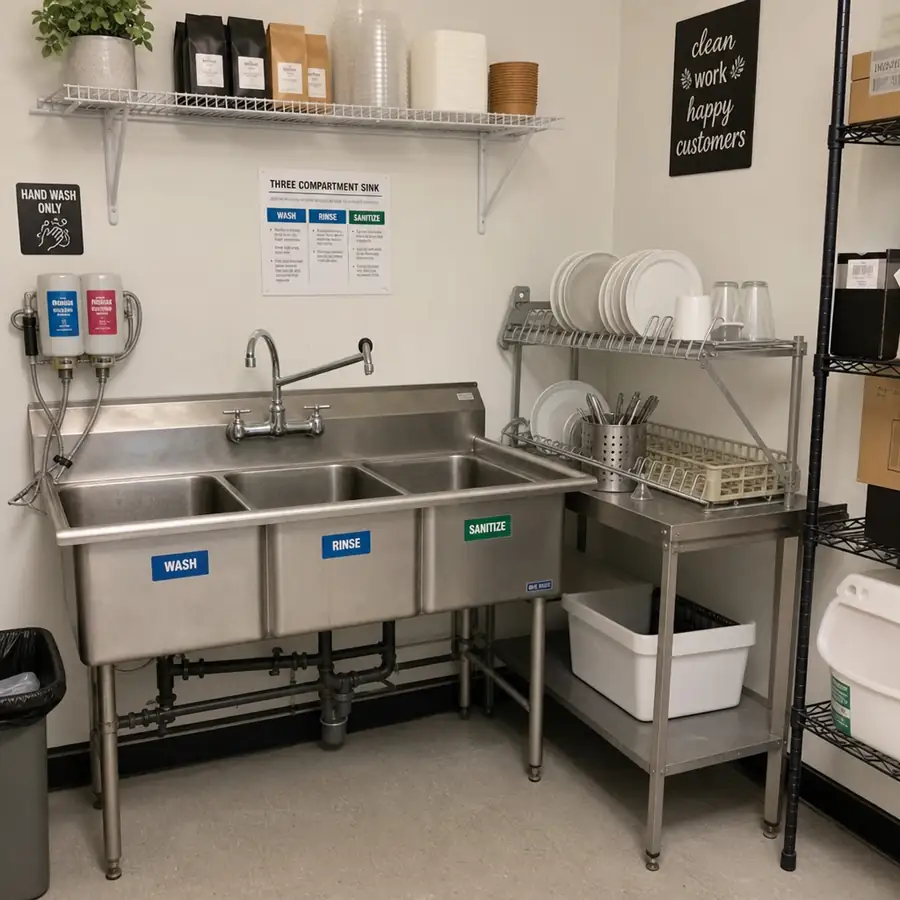
A commercial dishwasher keeps cups and smallwares moving when the cafe is slammed.
This category is where many buildouts get delayed.
Typical needs:
- 3-compartment sink (wash/rinse/sanitize) if required
- Commercial dishwasher (optional but often a lifesaver)
- Handwashing sink(s) with proper signage and supplies
- Mop sink/janitor closet setup
- Soap, paper towel dispensers, sanitizer system
- Waste bins (bar + kitchen + customer area) + liners
- Grease disposal if applicable
Add this to your coffee shop equipment checklist usa planning because requirements vary by county/city-confirm early.
Serviceware and front-of-house coffee shop supplies
You can have the best espresso in town and still disappoint customers with leaky lids. Stock the basics properly.
To-go program:
- Hot cups + sleeves
- Cold cups + lids + straws (paper/compostable if that’s your brand)
- Napkins, stir sticks
- Cup carriers
- Water cups
Dine-in (if applicable):
- Ceramic cups, saucers
- Glassware
- Cutlery and plates (if serving food)
- Bus tubs
Also plan:
- Menu boards (printed or digital)
- Condiment station (organized, not chaotic)
- Merch display (beans, mugs, brew gear)
Coffee shop POS system setup (sales, speed, and reporting)
Your register is your control center. A good coffee shop POS system setup supports fast ordering, modifiers (milk options, syrup levels), inventory, and labor reporting.
POS hardware checklist:
- iPad/tablet terminal(s)
- Receipt printer (or digital receipts if you go paperless)
- Cash drawer (even if you’re “mostly cashless,” you’ll see cash)
- Card reader(s) with tap
- Kitchen printer or KDS (if you serve food)
- Customer-facing display (helpful for accuracy)
- Barcode scanner (for retail items)
- Reliable router + backup internet option
Actionable tip: Build your menu and modifier flow to reduce taps. Fewer taps = fewer errors and faster lines.
Storage, layout, and workflow: the hidden “equipment”
This is the part of how to outfit a new coffee shop that most people underestimate: where everything lives.
Add to your checklist:
- Stainless steel worktables
- Underbar shelving
- Wall shelves for cups/syrups
- Speed rails for milks/syrups
- Ingredient bins (coffee, sugar, powders)
- Lockable storage (cash, chemicals)
- Label maker + labels (seriously)
- Step stool and safety matting
- Carts for restocking
Workflow rule: Put the most-used items between waist and shoulder height, within one step of use.
Maintenance and reliability: plan for the boring days
A café doesn’t fail because of one bad latte-it fails because the machine goes down on a Saturday.
Add these to your coffee shop equipment checklist:
- Backflush detergent + espresso machine cleaning tablets
- Grinder cleaning pellets + brushes
- Spare gaskets, screens, steam wand tips
- Water filter replacement schedule + spare cartridge
- Basic tool kit
- Service provider contact list + service contract (if feasible)
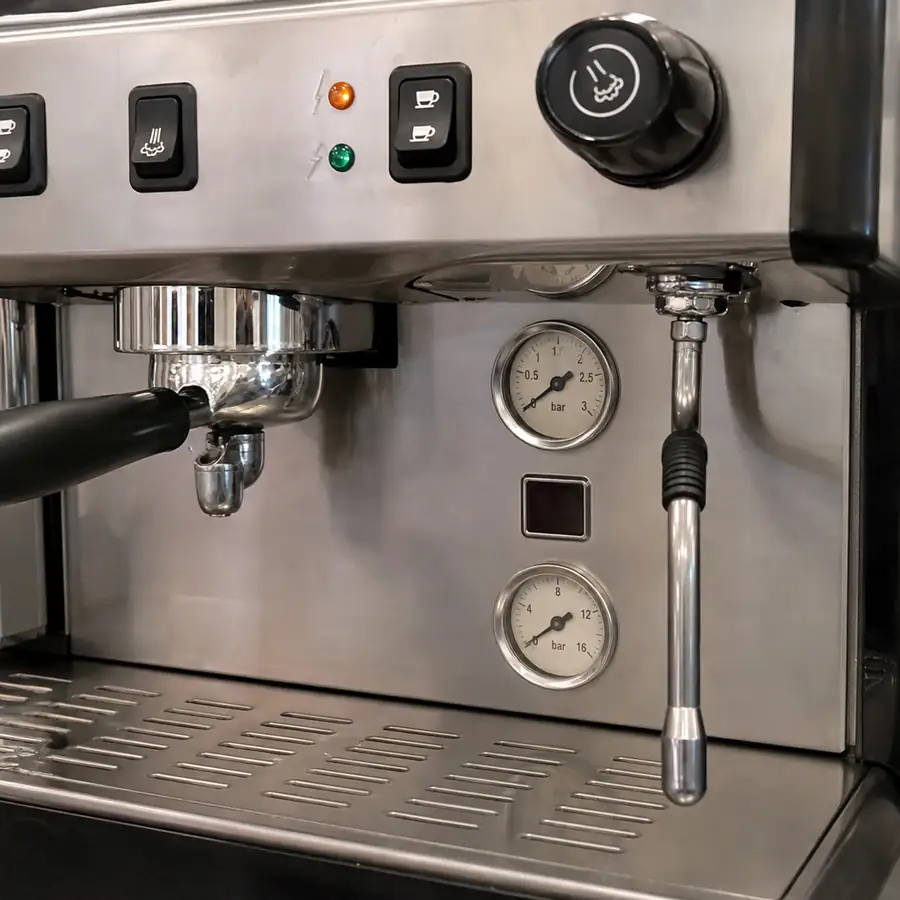
Troubleshooting espresso machine pressure issues (quick checks)
When shots run fast/slow or the gauge looks wrong, check:
- Grinder setting drift (most common)
- Dose and tamp consistency
- Clogged group screen or dirty solenoid
- Scale buildup affecting flow
- Pump pressure calibration (tech may be required)
- Water filter blockage or incorrect installation
Keep a simple logbook: problem, date, fix. Patterns appear quickly.
Café equipment cost breakdown (realistic ranges)
Costs vary by region and equipment tier, but you can plan by category. Here’s a practical café equipment cost breakdown approach:
- Espresso machine: biggest line item (new vs used changes everything)
- Grinders: often 2-3 units total
- Brewers + hot water: mid-range investment
- Refrigeration: can surprise you (especially if you need multiple units)
- Water treatment + install: frequently forgotten in budgets
- Sinks/plumbing/electrical: “not equipment,” but very real costs
- POS + subscriptions: ongoing monthly fees
- Smallwares: add up fast-budget intentionally
Actionable tip: If money is tight, consider buying used for refrigeration and stainless tables, but be cautious with used espresso machines unless you have a trusted technician inspect and refurbish them.
Energy efficient café equipment (save money quietly)
Efficiency won’t feel exciting on opening day, but it shows up every month.
Look for:
- ENERGY STAR refrigeration (where available)
- Induction burners (if your menu supports them)
- LED lighting
- Programmable thermostats
- Espresso machine eco modes / insulated boilers (model-dependent)
- Smart scheduling for batch brewers and hot water towers
Also: train staff to turn things on when needed, not at dawn “just because.”
The “home coffee shop equipment checklist” (for testing your concept)
If you’re still validating your menu or recipes, a home coffee shop equipment checklist can help you practice without burning cash:
- Prosumer espresso machine (or strong manual setup)
- Quality grinder
- Scale, thermometer, pitchers
- Pour-over kit + kettle
- Water filtration pitcher or countertop filter
- Milk fridge organization system (yes, even at home)
- Recipe cards and workflow notes
This won’t replace commercial gear, but it will improve your training plan and help you pick your café’s signature drinks.
Quick master checklist coffee shop equipment list (printable-style)
Use this as your master essential equipment for starting a coffee shop cafe checklist and mark items based on your menu.
Coffee bar
- Espresso machine (1-3 group depending on volume)
- Espresso grinders (regular + decaf)
- Brew grinder (if needed)
- Batch brewer + thermal servers
- Hot water tower
- Cold brew setup (optional)
Water + utilities
- Water filtration/treatment
- Pressure regulator, shutoff valves
- Proper electrical circuits and outlets
Bar tools + smallwares
- Pitchers, tampers, knock box, scales, timers
- Cleaning brushes, towels, detergents
Cold storage
- Undercounter bar fridge
- Back-of-house fridge/freezer
- Thermometers/logging
Kitchen (if food)
- Convection oven / panini press / toaster
- Prep table, storage containers
- Ventilation if required
Sanitation
- Hand sink(s)
- 3-compartment sink and/or dishwasher
- Mop sink, sanitizer system
Front-of-house + service
- Cups/lids/napkins/condiments
- Dine-in ware (optional)
- Menu boards, merch fixtures
POS + operations
- POS terminals, printers, card readers
- Router + backup internet
- Inventory and reporting setup
Takeaway
A great café build starts with clarity: your menu, your volume, and your workflow. Then your coffee shop equipment checklist becomes a tool-not a trap-helping you buy only what you’ll use daily, protect your espresso investment with proper water treatment, and keep service smooth with the right bar tools, refrigeration, and POS.
If you want a streamlined way to source the major categories on this checklist-commercial espresso machines, coffee brewers, grinders, refrigeration equipment, ice machines, food preparation equipment, display cases, and other café essentials-The Horeca Store is a reliable one-stop destination. Its extensive product selection from leading brands, competitive pricing, expert buying guidance, financing options, and customer support can make it easier to match the right commercial equipment to your concept and expected volume.
Build Your Commercial Kitchen with The Horeca Store
Choosing the right commercial kitchen equipment can make it easier to establish efficient workflows and maintain consistent food-safety practices. The Horeca Store offers commercial kitchen equipment and foodservice supplies for restaurants, cafés, hotels, catering businesses, and other professional foodservice operations. From refrigeration and food preparation equipment to storage and essential kitchen supplies, you can find solutions to help build a practical and organized commercial kitchen.
Explore the Commercial Kitchen Equipment collection at The Horeca Store when planning your new kitchen. Before purchasing equipment or finalizing your layout, make sure your setup also meets the food-safety requirements of your local health authority, as HACCP requirements and regulatory obligations can vary by operation and location. A well-planned kitchen can help improve workflow, support food-safety controls, and provide a stronger foundation for long-term business success.