
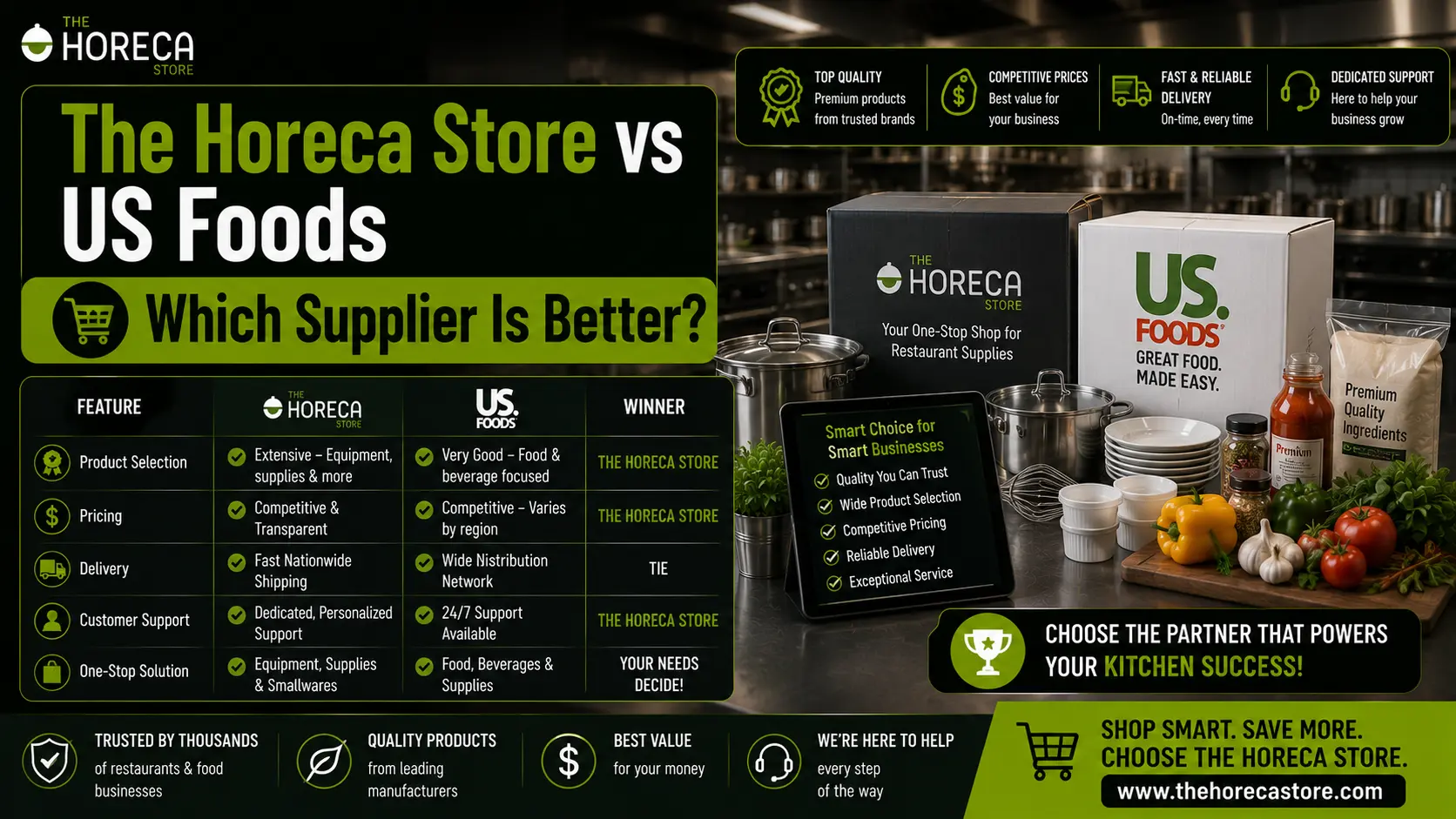
Running a profitable commercial kitchen is a masterclass in juggling. Between managing staff, ensuring consistent food quality, and keeping customers happy, the last thing you need is a disruption in your ingredient supply. Finding the right partner among the top food service suppliers can make or break your business margins, operational efficiency, and even your culinary creativity.
If you are currently evaluating your supply chain, you have likely come across two prominent names: The Horeca Store and US Foods. But in the battle of Horeca Store vs US Foods, which distributor truly aligns with your kitchen's unique needs?
This comprehensive guide will break down everything you need to know. We will explore their product offerings, technological innovations, logistical capabilities, and customer support, providing you with a complete roadmap for comparing major wholesale food suppliers in today's fast-paced culinary landscape.
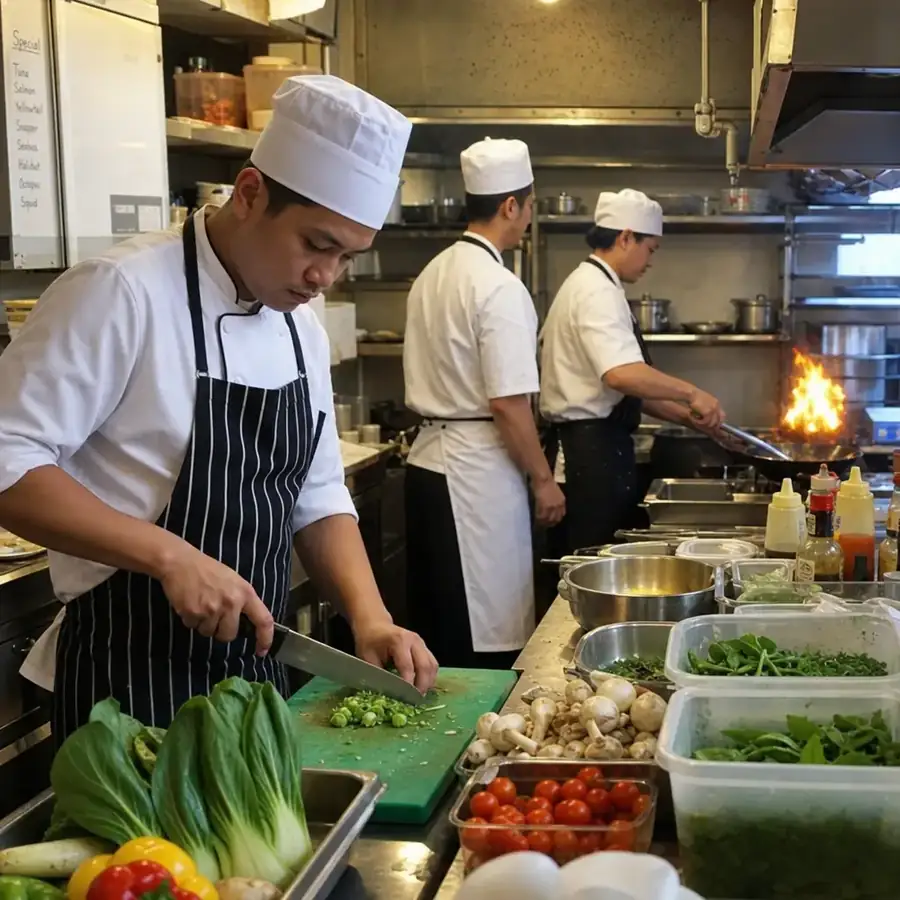
The Evolving Landscape of Food Service Suppliers
Before diving into a direct comparison, it is essential to understand how food supply chain logistics for restaurants have transformed over the last decade. Historically, restaurant owners relied heavily on a single local distributor, accepting whatever delivery schedules and product catalogs were available. Today, the industry has experienced a digital renaissance.
Modern broadline foodservice distribution services do much more than simply drop boxes at your back door. They serve as strategic partners. Today's suppliers are expected to provide comprehensive support, including sophisticated tech stacks, diverse product lines, and transparent pricing.
Whether you are running a boutique local café or a sprawling multi-unit enterprise, your supplier must act as an extension of your business. This brings us to our two contenders: US Foods, a long-standing titan of the industry, and The Horeca Store (often stylized as HorecaStore), a modern, agile platform tailored to the hospitality sector.
US Foods Review: The Industry Titan
When discussing heavyweights in the food distribution space, US Foods is impossible to ignore. As one of the largest distributors in the United States, US Foods partners with hundreds of thousands of restaurants, healthcare facilities, and hospitality operators.
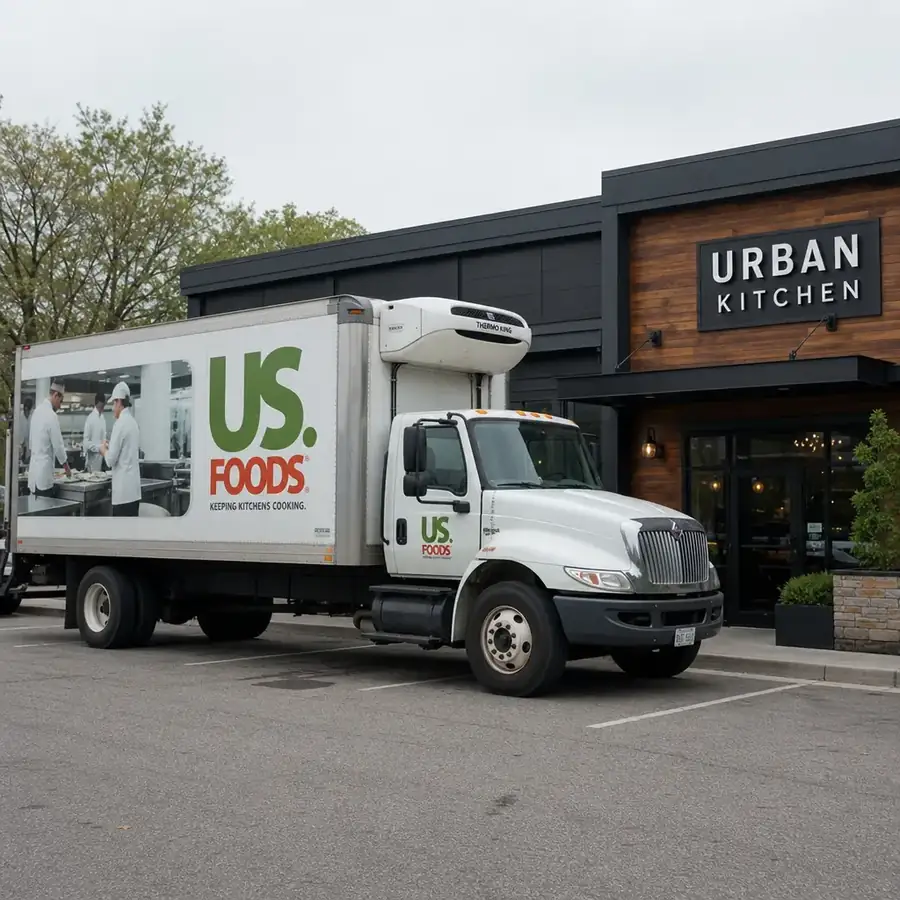
Scale and Reach
US Foods operates on a massive scale, boasting dozens of distribution centers across the country. This expansive footprint allows them to offer an incredibly deep catalog of products, ranging from fresh produce and premium proteins to heavy kitchen equipment and disposable packaging.
Exclusive Product Lines
One of the most significant advantages highlighted in any comprehensive US Foods review is their commitment to culinary innovation. They are renowned for their chef-inspired private label food brands. Brands like Chef’s Line, Ryder, and Metro Deli are specifically engineered to provide commercial kitchens with high-quality, time-saving ingredients. These proprietary lines often provide a competitive edge, allowing chefs to serve premium items without the intensive labor usually required for prep work.
Business Support Services
US Foods positions itself as a "food fanatic" partner. They employ teams of culinary experts and restaurant operations consultants who actively help clients refine their menus, optimize pricing, and train staff. For a restaurant looking for hands-on, consultative support, US Foods offers a highly structured, corporate-backed safety net.
The Horeca Store: The Agile Alternative
On the other side of the ring is Horecastore. The acronym "HoReCa" stands for Hotel, Restaurant, and Café, and this supplier is laser-focused on catering to this specific trifecta.
A Digital-First Approach
Unlike legacy broadline distributors that rely heavily on field sales representatives, The Horeca Store operates with a strong e-commerce and digital-first mindset. Their platform is designed for operators who prefer to browse, compare, and order supplies with the same ease as online consumer shopping.
Agility and Niche Focus
While they may not boast the same sheer volume of massive distribution centers as US Foods, Horecastore excels in agility. They are highly adept at wholesale grocery delivery for small businesses, independent cafes, and boutique hotels. They often carry specialized, artisanal, or niche products that massive distributors might overlook due to lower volume demands.
Empowering the Independent Operator
The Horeca Store is built for the modern, independent operator who wants control at their fingertips. Their user interface is clean, their pricing is often highly transparent, and they eliminate much of the red tape associated with opening accounts at larger, traditional distribution corporations.
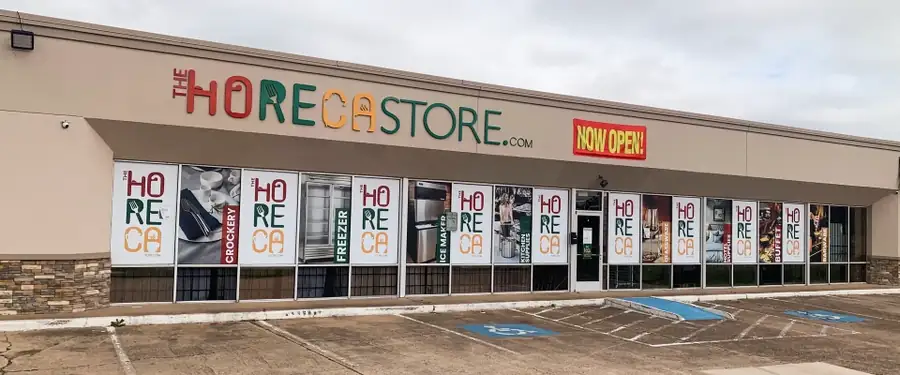
Horeca Store vs US Foods: A Head-to-Head Comparison
To determine which supplier is the right fit for your operation, we need to compare them across the logistical and operational metrics that matter most to a commercial kitchen.
1. Delivery Minimums and Drop Sizes
One of the most frequently asked questions by new restaurant owners is: what are the delivery minimums for wholesale distributors? The answer drastically impacts your cash flow and storage capacity.
- US Foods: Because they operate massive, multi-temp tractor-trailers, US Foods generally requires a higher minimum order (often measured in dollar amount or case count, typically ranging from $500 to $800+ depending on the region and contract). They are built for volume. If you run a high-traffic steakhouse or a busy hotel kitchen, meeting this minimum is effortless.
- The Horeca Store: Horecastore shines for operations with limited storage space or tighter cash flow. They generally offer lower delivery minimums, making them an excellent choice for independent coffee shops, small bistros, or food trucks. You can order exactly what you need without tying up valuable capital in excess inventory.
2. Product Catalog and Sourcing
- US Foods: If you want a "one-stop-shop" where you can buy bulk flour, wagyu beef, commercial dishwashing liquid, and a new deep fryer on the same invoice, US Foods is the clear winner.
- The Horeca Store: While they offer a comprehensive range of food and non-food items, their catalog is more curated. They excel in providing specific hospitality-focused items—think high-end barista syrups, specialized packaging for cafes, and unique imported dry goods.
3. Technology and Digital Ordering
The days of leaving voicemails for your sales rep at 2:00 AM are fading. Both companies offer robust tech, but their approaches differ.
Digital Ordering Platforms for Professional Kitchens: US Foods offers US Foods Direct and an incredibly powerful mobile ordering app. Their platform allows you to track the delivery truck via GPS, view substitute items in real-time, and easily duplicate past orders.
The Horeca Store offers a sleek, intuitive, e-commerce-style experience. It feels familiar to anyone who shops online, with easy search functions, clear categorization, and instant pricing visibility, which is highly appreciated by independent owners who do not want to negotiate through a sales rep to see a price.
Restaurant Inventory Management Software Solutions: US Foods integrates seamlessly with a variety of top-tier restaurant inventory management software solutions. Furthermore, they offer proprietary tools for their clients. The Horeca Store is also highly integratable, often offering open APIs or easy data exports that plug seamlessly into popular third-party kitchen management apps.
Optimizing Profitability and Reducing Waste
In a low-margin industry, survival depends on your ability to control costs. Both suppliers provide avenues to help you protect your bottom line, though they do so in different ways.
Margin Control with US Foods
US Foods provides dedicated optimizing restaurant menu profitability tools. Their Menu Profit Builder program helps chefs calculate exact plate costs, factoring in the yield of raw ingredients. By utilizing their chef-inspired private label food brands, you can swap out a national brand for a US Foods exclusive, often saving 10-15% on that specific ingredient without sacrificing quality.
Lean Operations with Horeca Store
The Horeca Store helps businesses stay lean. By allowing for smaller, more frequent deliveries, they indirectly assist in reducing kitchen waste through inventory analytics. When you aren't forced to over-order to meet a massive delivery minimum, your fresh produce doesn't rot in the walk-in cooler. You order what your analytics tell you you need for the next three days, resulting in maximum freshness and zero waste.
Quality, Safety, and Sustainability
Today's consumers care deeply about where their food comes from, and health inspectors care deeply about how it gets to your kitchen.
Managing Food Safety Compliance
Managing food safety compliance in distribution is a massive logistical hurdle, and this is where large broadline distributors flex their muscles. US Foods utilizes state-of-the-art, multi-temperature controlled trailers. They have rigorous HAACP plans, and their tracking systems can trace a recalled case of romaine lettuce back to the specific farm it was grown on in minutes.
The Horeca Store also adheres strictly to regional food safety standards, ensuring that cold-chain logistics are unbroken from the warehouse to your prep tables.
Sustainable Sourcing Practices
Sustainable sourcing practices in foodservice are no longer just a trend; they are a standard.
- US Foods has launched sweeping initiatives to offer sustainably sourced seafood (partnering with the Marine Stewardship Council), cage-free eggs, and plant-based protein alternatives. They have the buying power to force massive agricultural shifts.
- The Horeca Store often partners with local and regional producers, giving restaurants access to organic, fair-trade, and eco-friendly products that resonate well with environmentally conscious consumers.
Beyond Traditional Restaurants: Healthcare and Hospitality
While we often focus on independent eateries, a massive portion of food distribution goes to institutions.
If you are looking for healthcare and hospitality catering supply solutions, US Foods has entire divisions dedicated to this. They understand the strict nutritional guidelines, allergen protocols, and texture-modified diets required for hospitals and senior living facilities. They offer specialized menus and bulk institutional packaging that make large-scale catering efficient.
How to Open a Commercial Kitchen Account
Switching suppliers or starting from scratch requires some administrative work. Here is a general guide on how to open a commercial kitchen account with these types of suppliers.
- Gather Your Documentation: You will universally need your business license, tax ID (EIN), state resale certificate (so you aren't charged sales tax on wholesale goods), and a voided business check.
- Credit Application: Because food service relies on terms (e.g., Net 14 or Net 30), you will need to fill out a credit application.
- For US Foods: This process is formal. A local territory manager will usually visit your establishment, assess your volume, run a credit check, and negotiate pricing tiers based on your projected spend.
- For Horecastore: The process is often faster and fully digitized. You can usually create an account online, upload your tax documents, put a credit card on file, and start ordering immediately while applying for extended payment terms later.
- Establish Pars and First Orders: Once approved, you will work with your rep (or the digital portal) to build your standard order guide—a customized list of the products you buy every week.
The Broader Market Context: Where Do They Fit?
To truly understand this comparison, it helps to look at the broader market. The most classic debate in the industry is often Sysco vs Performance Food Group (PFG) or Sysco vs US Foods.
Sysco, US Foods, and PFG represent the "Big Three" of broadline distribution in North America. They operate on similar models: massive scale, dedicated sales reps, and immense private-label catalogs. Choosing between them often comes down to the quality of the local distribution center and the relationship you build with the local sales representative.
The Horeca Store represents the new wave of distribution. It sits in a different category—competing less on sheer tonnage and more on digital convenience, lower barriers to entry, and niche product availability. It bridges the gap between a traditional broadline distributor and a specialized e-commerce supplier.
Making the Final Decision: Which is Right for You?
Choosing between The Horeca Store and US Foods is not about finding out which company is universally "better." It is about deciding which business model best supports your specific kitchen operations.
You should choose US Foods if:
- You run a high-volume, multi-unit restaurant, large hotel, or healthcare facility.
- You want the convenience of buying everything (food, chemicals, equipment) from one vendor.
- You want hands-on consulting, menu engineering support, and access to exclusive, labor-saving private label brands.
- You can easily meet higher delivery minimums.
You should choose The Horeca Store if:
- You run an independent cafe, food truck, boutique hotel, or small-to-medium restaurant.
- You require flexible delivery options and lower minimum order requirements to manage cash flow.
- You prefer a transparent, e-commerce-style digital ordering experience without the need to negotiate with a sales rep.
- You are looking for specialized, high-quality, niche items specific to the café and boutique hospitality culture.
Ultimately, modern chefs and owners are realizing that they don't have to be strictly monogamous with their suppliers. Many successful restaurants use a hybrid approach. They might use a giant like US Foods for their heavy bulk items (flour, oil, raw proteins, paper goods) to leverage volume discounts, while utilizing platforms like The Horeca Store for specialized ingredients, artisanal coffee supplies, and smaller, mid-week supplemental deliveries.
By leveraging the right combination of food service suppliers, adopting advanced digital ordering platforms, and utilizing inventory analytics, you can protect your margins, reduce your kitchen waste, and get back to doing what you do best: creating exceptional culinary experiences for your guests.
The Horeca Store vs US Foods: Which Restaurant Supplier Is Right for You?
Choosing the right restaurant supplier depends on your business needs, equipment requirements, and long-term goals. US Foods is a major foodservice distributor known for providing food products, supplies, and restaurant solutions. The Horeca Store specializes in commercial kitchen equipment, restaurant supplies, refrigeration units, cooking appliances, smallwares, and hospitality essentials designed for restaurants, cafés, hotels, and catering businesses. Comparing product selection, pricing, equipment quality, and customer support can help operators choose the supplier that best matches their operation.
A trusted supplier plays an important role in building an efficient and successful foodservice business. The Horeca Store offers professional-grade equipment and supplies to help businesses set up, upgrade, and maintain their kitchens. With quality products, competitive pricing, and reliable service, The Horeca Store supports restaurant owners and foodservice professionals with solutions designed for performance, efficiency, and long-term growth.