
The Horeca Store vs Restaurant Depot: Which Is Better for Restaurant Equipment?
Starting a new restaurant, upgrading an existing commercial kitchen, or expanding your catering business all share one fundamental requirement: finding a reliable restaurant equipment store. Your kitchen is the heart of your business, and the tools you choose will dictate your efficiency, food quality, and ultimately, your bottom line.
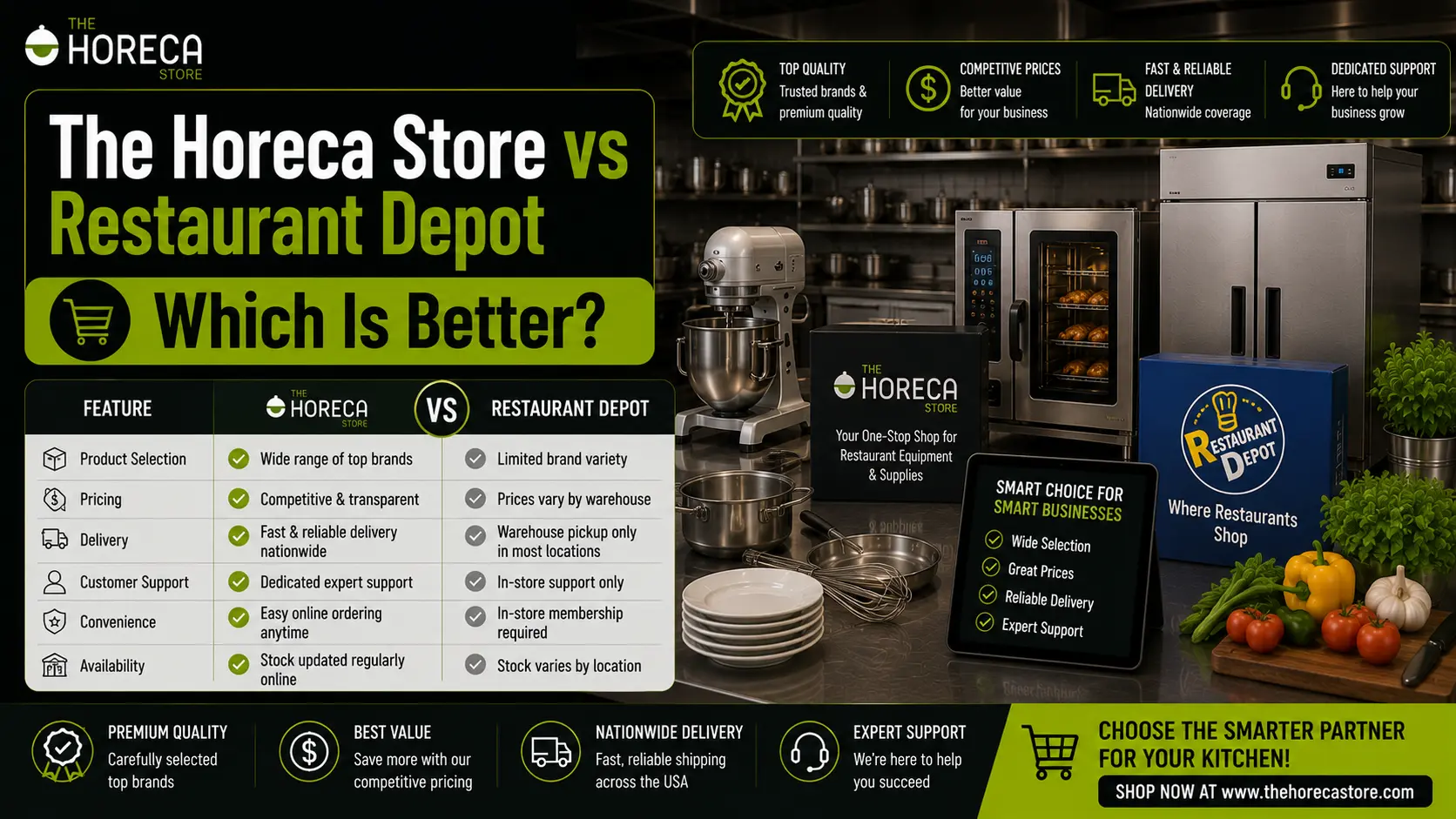
However, navigating the vast sea of suppliers can be overwhelming. Today, two major players often dominate the conversation among restaurateurs. If you have been weighing the horeca store vs restaurant depot debate, you are not alone. Both offer unique advantages, but deciding which is right for your specific operational needs requires a deep dive into what they provide.
In this comprehensive guide, we will break down the pros and cons of these major suppliers, explore alternative restaurant supply options, and provide actionable, expert advice on everything from designing an efficient commercial kitchen layout to selecting the perfect appliances. Whether you are building from scratch or just need to restock, this guide has you covered.
The Horeca Store vs Restaurant Depot: A Head-to-Head Comparison
Choosing where to buy your equipment is just as important as choosing the equipment itself. Let’s break down the two heavyweights in the industry.
Understanding the Horecastore Experience
The term "HoReCa" stands for Hotel, Restaurant, and Café. A dedicated horecastore typically focuses heavily on a curated, often digital-first experience tailored specifically to hospitality professionals.
Pros of a Horeca Store:
- Specialized Expertise: These stores often employ former chefs and hospitality experts who can consult with you on specific professional grade catering equipment needs.
- Seamless Online Experience: You can easily compare specs, read detailed reviews, and arrange for freight shipping directly to your restaurant door.
- Wider Selection of Premium Brands: If you are looking for specialized, high-end European imports or highly specific niche tools, a digital-first horecastore usually has a broader catalog than a brick-and-mortar warehouse.
Cons of a Horeca Store:
- Shipping Times: You cannot simply walk out with a replacement fryer on a busy Friday night; you are at the mercy of freight delivery schedules.
- Inability to Touch and Feel: You have to rely on specifications and images rather than seeing the equipment in person before purchasing.
Exploring Restaurant Depot Benefits
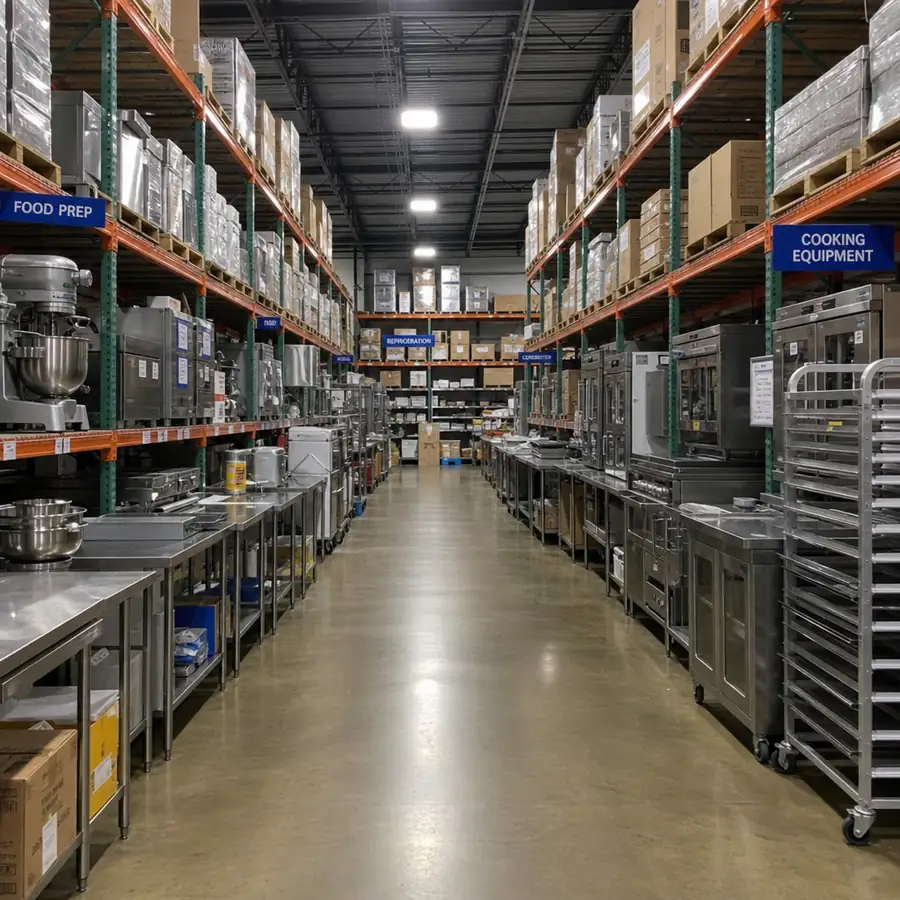
Restaurant Depot is a wholesale cash-and-carry foodservice supplier. It operates massive warehouses across the country, serving as a one-stop-shop for independent restaurants, caterers, and non-profits.
Key Restaurant Depot Benefits:
- Immediate Availability: If your cooler breaks down on a Saturday morning, you can drive to Restaurant Depot, buy a new one, and have it running before dinner service.
- No Minimum Order Requirements: Whether you need a single spatula or fifty heavy duty stainless steel prep tables, you can buy exactly what you need.
- Combined Purchasing: You can buy your commercial equipment, fresh produce, and dry goods all in one single trip, saving immense amounts of time.
An Honest Restaurant Depot Review
Ask any seasoned chef for a Restaurant Depot review, and you will likely hear a mix of deep appreciation and mild frustration.
On the positive side, the prices are incredibly competitive. Because it is a members-only warehouse (you need a valid business license or tax-exempt certificate to join), they pass wholesale savings directly to you. It is undeniably the best place to grab last-minute replacements and stock up on bulk paper goods.
On the negative side, the shopping experience can be chaotic. The warehouses are massive, and navigating the aisles during peak hours (usually early mornings and weekends) can feel like a contact sport. Furthermore, customer service on the floor is minimal; you are expected to know what you are looking for. They also do not typically offer in-house delivery, meaning you will need a truck to transport large equipment yourself.
Other Restaurant Supply Options
While the horeca store vs restaurant depot debate is prominent, do not ignore other restaurant supply options. Local, independent restaurant equipment dealers often provide unparalleled personalized service. They can come to your site, take measurements, and help you navigate local health codes. Additionally, there are massive online mega-retailers that combine the vast catalog of a horecastore with aggressive, tech-driven logistics for fast shipping.
Foundational Steps: Setting Up Your Commercial Kitchen
Before you start adding items to your cart or loading up a flatbed at a warehouse, you need a plan. Buying equipment without a spatial and operational strategy is a recipe for disaster.
Designing an Efficient Commercial Kitchen Layout
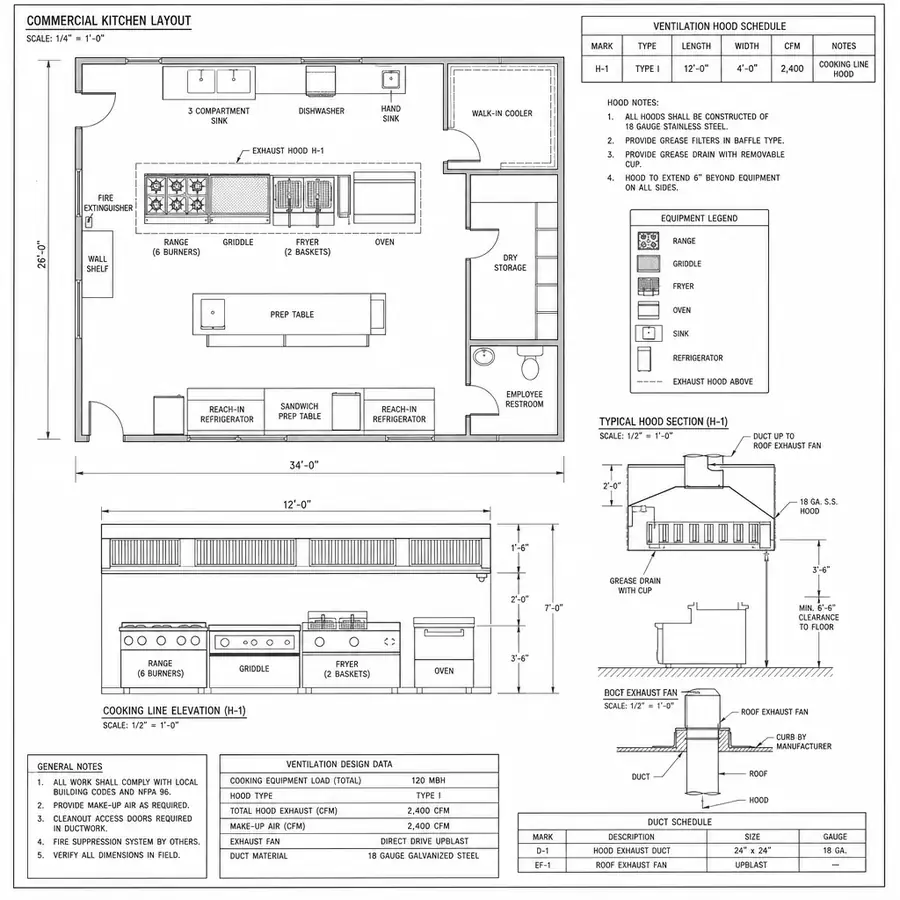
Layout of your kitchen dictates how smoothly your back-of-house operations will run. When designing an efficient commercial kitchen layout, you must consider the flow of food, staff, and dirty dishes to prevent bottlenecks and cross-contamination.
Here are the three most common layout styles:
- Assembly Line Layout: Ideal for fast-casual concepts, pizzerias, and sandwich shops. The equipment is arranged in a line, moving from prep to cooking to plating.
- Island Layout: Best for large, square kitchens. All the primary cooking equipment (ranges, fryers, grills) is placed in a central island, while prep and washing stations run along the perimeter walls.
- Zone-Style Layout: The kitchen is divided into specific zones (e.g., meat prep, vegetable prep, baking, frying). This is excellent for large-scale catering operations and hotels.
No matter which layout you choose, always prioritize ergonomics. Chefs should not have to take unnecessary steps to reach ingredients or cooking surfaces.
Commercial Kitchen Ventilation System Requirements
You cannot simply plug in a commercial range and start cooking. Navigating commercial kitchen ventilation system requirements is arguably the most complex and heavily regulated part of building a kitchen.
- Type I Hoods: These are required for any equipment that produces grease and smoke, such as fryers, broilers, and ranges. They must include a fire suppression system.
- Type II Hoods: These are designed for heat and condensation removal only. They are typically placed over commercial dishwashers and large baking ovens that do not produce grease laden vapors.
- Makeup Air Units: When your hood exhaust pulls thousands of cubic feet of air out of your kitchen per minute, that air must be replaced. Makeup air units bring fresh air back in, preventing negative air pressure that can cause doors to slam and smoke to linger.
Always consult with local fire marshals and HVAC engineers, as ventilation codes vary significantly by municipality.
Core Equipment Buying Guides: Refrigeration and Cooking
Once your layout is finalized and your ventilation is planned, it is time to start selecting your heavy equipment. These are the workhorses of your kitchen, and choosing the right specifications is vital.
How to Choose a Commercial Refrigerator
Refrigeration is a significant investment and critical for food safety. When learning how to choose a commercial refrigerator, consider these key factors:
- Compressor Location:
- Top-Mounted Compressors: These are better for dusty environments (like bakeries) because the compressor is elevated away from floor debris. They also do not blow hot air directly onto the kitchen floor. However, they can be harder to clean and service.
- Bottom-Mounted Compressors: These are easier to maintain and clean. They also raise the lowest interior shelf, making it easier for staff to reach products without bending over excessively. However, they can pull in dust from the floor and run hotter if the kitchen floor gets too warm.
- Size and Capacity: Measure your doorways before ordering! A massive three-door reach-in refrigerator is useless if it cannot fit through your kitchen door.
- Doors: Solid doors are better insulated and easier to clean. Glass doors are great for prep areas where chefs need to quickly see inventory without opening the door and letting cold air escape.
Walk-In Cooler Maintenance Checklist
If your operation is large enough to warrant a walk-in cooler, protecting that investment is paramount. A broken walk-in can result in thousands of dollars of spoiled inventory. Implement this walk-in cooler maintenance checklist to keep it running smoothly:
- Daily: Check and log the temperature (should be between 35°F and 38°F). Ensure the door is fully closing and not being propped open by staff.
- Weekly: Clean the interior floors and sweep away any debris. Inspect the door gaskets and seals for any cracks or tears. A damaged seal lets warm air in, forcing the compressor to work overtime.
- Monthly: Clean the evaporator coils and fan blades. Dust and grease buildup here drastically reduces efficiency.
- Quarterly: Have a licensed HVAC technician inspect the refrigerant levels, electrical connections, and calibrate the thermometers.
Gas vs Electric Commercial Ranges
The debate between gas vs electric commercial ranges is one of the oldest in the culinary world. The right choice depends on your menu, your location, and your utility setup.
- Pros: Gas is the traditional choice for professional chefs. It offers instant, visual heat control. When you turn the knob, the flame adjusts immediately. Gas units also tend to be cheaper to operate in areas where natural gas is inexpensive, and they have fewer electronic parts that can fail.
- Cons: They require complex ventilation, produce a massive amount of ambient heat (making the kitchen hotter), and are much harder to clean due to the cast-iron grates and burners.
Electric Commercial Ranges (including Induction):
- Pros: Electric smooth-top ranges are incredibly easy to clean. Induction ranges, a specific type of electric cooking, use magnetic fields to heat the pan directly. Induction is astoundingly fast, incredibly precise, and produces almost zero ambient heat, keeping your kitchen cool.
- Cons: Traditional electric coils can be slow to heat up and cool down. Induction requires specific magnetic cookware. Additionally, commercial electric ranges require heavy-duty electrical wiring that your building might not currently have.
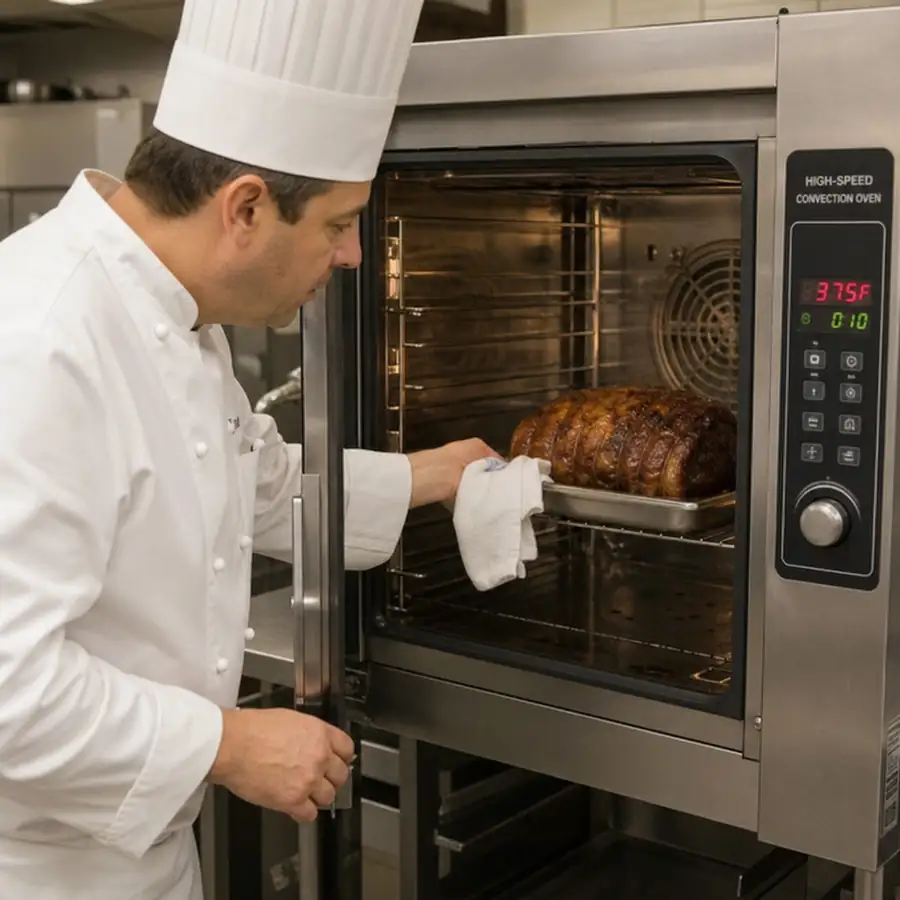
High Speed Industrial Convection Oven Features
If you are running a high-volume bakery or a busy restaurant, a standard radiant oven won't cut it. Convection ovens use fans to circulate hot air, cooking food faster and more evenly.
When shopping, look for these high speed industrial convection oven features:
- Variable Fan Speeds: You need high speed for roasting meats and low speed for delicate items like meringues or soufflés so they don't blow over.
- Steam Injection: Crucial for bakers. Injecting steam at the beginning of the baking process helps bread develop a beautiful, crusty exterior.
- Programmable Controls: Modern ovens allow you to program multi-stage cooking cycles, ensuring consistency no matter which line cook is operating the unit.
- Reversing Fans: Fans that automatically change direction ensure that every corner of the oven receives equal heat, eliminating hot and cold spots.
Prioritizing Energy Efficient Industrial Cooking Appliances
The initial price tag on equipment is only a fraction of its total lifetime cost. Utilities are one of the highest ongoing expenses for any restaurant. Therefore, investing in energy efficient industrial cooking appliances is not just an environmental choice; it is a vital business strategy.
Look for equipment with the ENERGY STAR® rating. Energy-efficient fryers, for example, use advanced burner technology and better insulation to retain heat, resulting in faster recovery times and lower gas bills. Similarly, energy-efficient dishwashers recycle hot water and use significantly less electricity per cycle. While these units may cost 15% to 20% more upfront, they typically pay for themselves in utility savings within the first 18 months of operation.
Prep, Storage, and Maintenance Essentials
Beyond the stoves and refrigerators, the unsung heroes of your kitchen are the surfaces where the food is prepared and the shelves where the ingredients are stored.
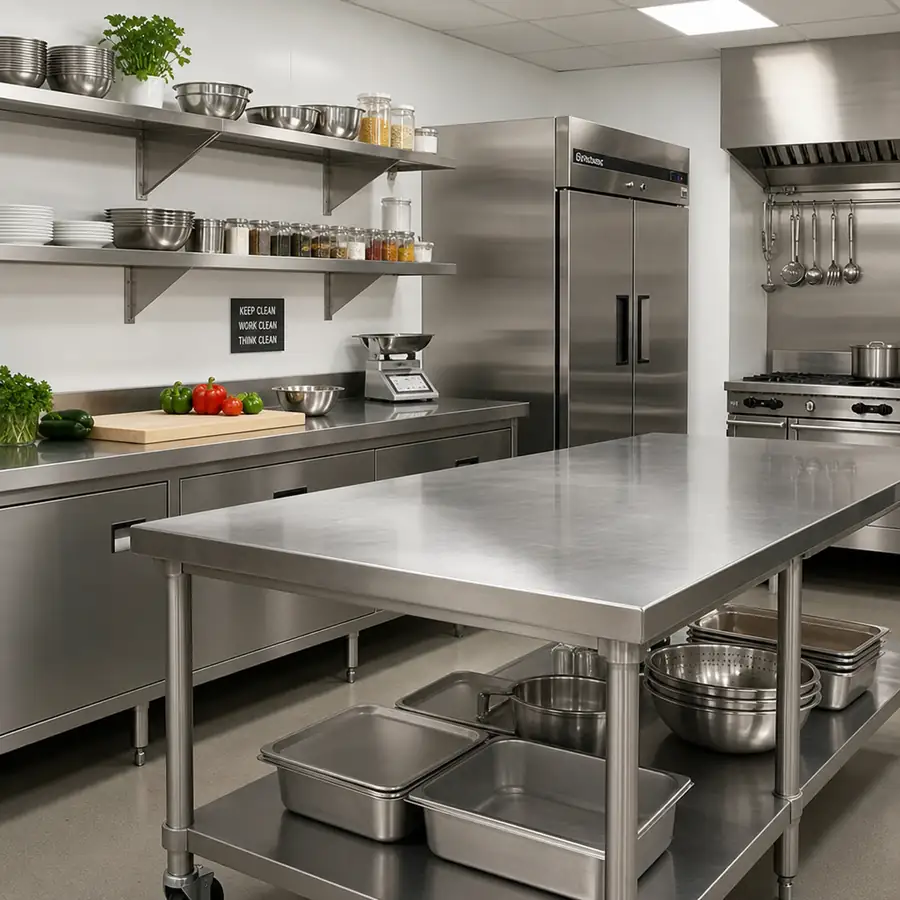
Heavy Duty Stainless Steel Prep Tables
A commercial kitchen is a punishing environment. Wooden tables warp, and cheap metals rust. This is why heavy duty stainless steel prep tables are non-negotiable.
When selecting prep tables, pay attention to the "gauge" of the steel. The lower the gauge, the thicker and stronger the metal.
- 18-Gauge: Standard duty. Good for sandwich prep or plating areas.
- 16-Gauge: Heavy duty. Excellent for general kitchen use and can withstand moderate pounding.
- 14-Gauge: Ultra-heavy duty. Required for butcher stations, heavy equipment stands, and areas where extreme impact occurs.
Also, consider the type of stainless steel. Type 304 stainless steel contains higher levels of nickel and chromium, making it highly resistant to rust and corrosion—ideal for wet areas. Type 430 is less expensive and perfectly fine for dry prep areas, but it will rust if left wet repeatedly.
NSF Certified Food Preparation Surfaces
No matter what type of table or cutting board you buy, ensure you are exclusively using NSF certified food preparation surfaces. The National Sanitation Foundation (NSF) rigorously tests equipment to ensure it meets strict public health standards.
If a table or cutting board is NSF certified, it means it is non-porous, easy to clean, and designed without tiny crevices where dangerous bacteria (like Salmonella or E. coli) can hide and multiply. Health inspectors actively look for the NSF sticker on your equipment; using non-certified surfaces can result in hefty fines or being shut down.
Space Saving Storage for Small Kitchens
Not every restaurant has a sprawling back-of-house. If you are operating a food truck, a mall kiosk, or a bistro in an older building, maximizing every square inch is critical.
Here are top strategies for space saving storage for small kitchens:
- Go Vertical: Install wall-mounted shelving above all prep sinks and tables. Use this space for storing lightweight items like mixing bowls, spices, and smallwares.
- Mobile Dunnage Racks: Keep bulk ingredients like flour and sugar off the floor (a health code requirement) using low-profile dunnage racks. Putting them on casters allows you to easily roll them out of the way for floor cleaning.
- Undercounter Refrigeration: Instead of standard prep tables, use undercounter refrigerators or freezers. These units provide a stainless steel work surface on top while offering valuable cold storage underneath, effectively doing the job of two pieces of equipment in one footprint.
- Over-Shelf Equipment Mounts: Mount microwaves or cheese melters on specialized shelves above your main ranges rather than taking up precious counter space.
Making the Financial Decision: Sourcing and Budgeting
Outfitting a kitchen easily runs into the tens or even hundreds of thousands of dollars. Managing this capital effectively is the difference between a successful launch and running out of money before opening day.
New vs Used Food Service Equipment
One of the biggest dilemmas owners face is the choice between new vs used food service equipment.
Buying New:
- Pros: Comes with full manufacturer warranties, guarantees optimal energy efficiency, and offers peace of mind. You get exactly the specs you want without worrying about hidden damage.
- Cons: High upfront cost and immediate depreciation (much like driving a new car off the lot).
Buying Used:
- Pros: Massive cost savings. You can often find premium, top-tier brands for the price of new, entry-level brands. This is especially true for items with no moving parts, like prep tables and sinks.
- Cons: No warranties. You inherit the previous owner's lack of maintenance. A used refrigerator might seem like a steal until the compressor dies two weeks after opening, costing you more in repairs and lost food than a new unit would have cost.
Expert Tip: Buy used for things that don't break easily (sinks, tables, shelving, gas ranges). Buy new for equipment with complex mechanical and electrical parts (refrigeration, ice machines, dishwashers, convection ovens).
Leasing vs Buying Restaurant Appliances
If you decide you need new equipment but lack the upfront capital, you must weigh leasing vs buying restaurant appliances.
Buying: When you buy equipment (either with cash or a standard business loan), it is an asset on your balance sheet. You can claim depreciation on your taxes, and once it is paid off, you own it outright to use or sell.
Leasing: Equipment leasing allows you to preserve your working capital. Instead of dropping 10 000 USD on a new walk-in cooler, you might pay a few hundred dollars a month.
- Benefits: Preserves cash flow for payroll and marketing. Some leases (like ice machine leases) include all maintenance and repairs in the monthly fee, completely removing the headache of breakdowns.
- Drawbacks: You will pay more over the long term due to interest and fees. Also, at the end of the lease, you either have to return the equipment, renew the lease, or execute a buyout clause.
For many startups, a hybrid approach works best: buying the core, durable items with cash, and leasing high-maintenance items like dishwashers and ice machines.
Supplying the Details: Catering and Smallwares
Once the heavy equipment is installed, you need the tools to actually cook and serve the food.
Professional Grade Catering Equipment Needs
If your business model includes off-site catering, your equipment needs shift dramatically. Catering is all about temperature retention and safe transport.
Core professional grade catering equipment needs include:
- Insulated Food Pan Carriers (Cambros): These heavy-duty, insulated boxes keep hot food hot and cold food cold for hours without electricity, which is essential for remote venues.
- Chafing Dishes and Fuel: High-quality stainless steel chafers present food beautifully at buffets while maintaining safe holding temperatures.
- Portable Induction Cooktops: For live-action stations (like made-to-order pasta or omelets), portable induction burners are safe, fast, and require only a standard electrical outlet.
- Heavy-Duty Transport Carts: Moving heavy trays of food from a prep kitchen to a van, and then into a venue, requires rugged carts with shock-absorbing casters to prevent spills.
Essential Commercial Kitchen Supplies List
For the daily grind of restaurant service, you need a mountain of smaller tools. An essential commercial kitchen supplies list should include:
- Cookware: Aluminum and stainless steel fry pans, saucepots, stockpots, and cast-iron skillets. (Ensure you buy induction-ready pans if you chose induction ranges!)
- Knives and Cutlery: Chef’s knives, paring knives, serrated bread knives, and heavy-duty meat cleavers. Always invest in magnetic knife strips for safe, accessible storage.
- Utensils: High-heat silicone spatulas, stainless steel tongs (buy more than you think you need), ladles, whisks, and slotted spoons.
- Prep Tools: Commercial food processors, immersion blenders, mandolines, and digital portion scales (crucial for food cost control).
- Safety Gear: Cut-resistant gloves, first aid kits, anti-fatigue floor mats, wet floor signs.
Bulk Smallwares for High Volume Dining
If you are opening a 200-seat diner or a busy banquet hall, buying utensils one by one is inefficient. You need to source bulk smallwares for high volume dining.
When purchasing flatware, glassware, plates, always buy a minimum of three times your seating capacity. (e.g., If you seat 100 people, you need at least 300 forks). This allows one set to be in the dining room, one set in the dishwasher, and one set in reserve.
When choosing restaurant equipment store for smallwares, check their stock depth. You need a supplier who consistently carries your specific pattern of plates and glasses. Smallwares inevitably break or get thrown away accidentally; you want to ensure you can reorder the exact same matching items a year from now without having to replace your entire inventory.
Why Choose The Horeca Store for Restaurant Equipment?
When comparing The Horeca Store with Restaurant Depot, the better choice depends on your restaurant’s purchasing needs. Restaurant Depot is a wholesale cash-and-carry supplier focused heavily on food, ingredients, and restaurant supplies, with free membership and no minimum purchase requirements. The Horeca Store, on the other hand, has a strong focus on commercial restaurant equipment and provides online access to categories such as commercial refrigeration, ovens, fryers, mixers, dishwashers, sinks, work tables, coffee equipment, and food preparation equipment.
For restaurants specifically looking to purchase commercial kitchen equipment online, The Horeca Store can be a convenient choice because its catalog is organized around professional equipment categories and includes products from established commercial brands. Whether you are opening a new restaurant, upgrading an existing kitchen, or replacing essential equipment, The Horeca Store offers a broad selection of restaurant equipment and foodservice solutions in one online destination. This makes it worth considering alongside Restaurant Depot when comparing equipment selection, pricing, convenience, and the specific needs of your operation.
Conclusion
Building or upgrading a commercial kitchen is a massive undertaking that requires careful planning, strategic budgeting, and finding the right partners. Whether you lean towards the tailored, digital experience of a specialized horecastore or prefer the immediate, cash-and-carry nature and robust restaurant depot benefits, your choice of a restaurant equipment store will lay the foundation for your operational success.
Take the time to master your kitchen layout, understand your local ventilation codes, and meticulously weigh the pros and cons of every major purchase—from energy-efficient ranges to the exact gauge of your stainless steel prep tables. By making informed, strategic choices about your equipment today, you ensure that your kitchen will run safely, efficiently, and profitably for years to come.