
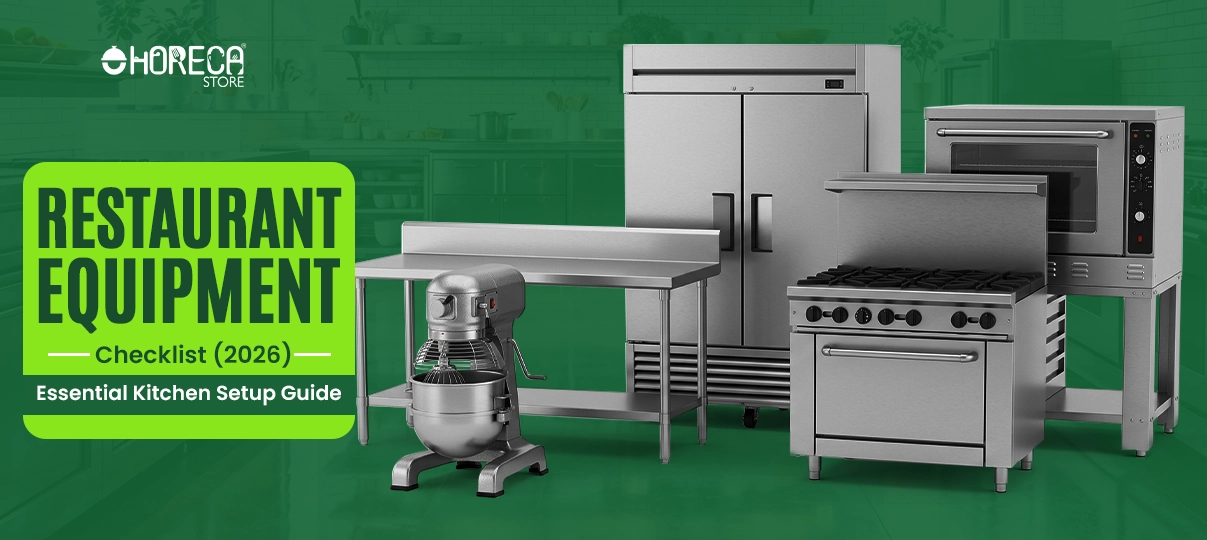
Opening a restaurant is the ultimate "build-your-own" project, but before you select the dining room napkins, you must choose the engines that will power your menu. Building The Essential Restaurant Kitchen Equipment Checklist 2026 means recognizing that your kitchen appliances are no longer just heavy metal boxes; they are the foundation of your business strategy. According to industry data from the National Restaurant Association, highly efficient commercial setups can reduce daily overhead costs by up to twenty percent. This modern blueprint requires a delicate balance where every tool works just as hard as your culinary team.
Gone are the days when building a kitchen simply meant buying the biggest, hottest stoves available. Today’s professional landscape relies heavily on the "equipment-to-labor ratio," a practical metric evaluating how effectively your machinery reduces human effort. By adopting Smart Kitchen ecosystems—where appliances connect to a central digital network to monitor inventory and temperatures—restaurateurs are abandoning sheer bulk in favor of intelligent design. Think of an oven that perfectly cooks a roast while simultaneously tracking utility usage and flagging maintenance needs before a Friday night rush. In this new era, performance is measured in data and energy conservation just as much as raw heat.
Designing this workspace correctly directly connects kitchen efficiency to bottom-line profit. Your future prep line must stand on three crucial pillars: technology, sustainability, and ergonomic flow. Because intelligent layouts and modern equipment choices instantly impact both your labor costs and long-term environmental goals, choosing the right gear is your ultimate business safeguard.
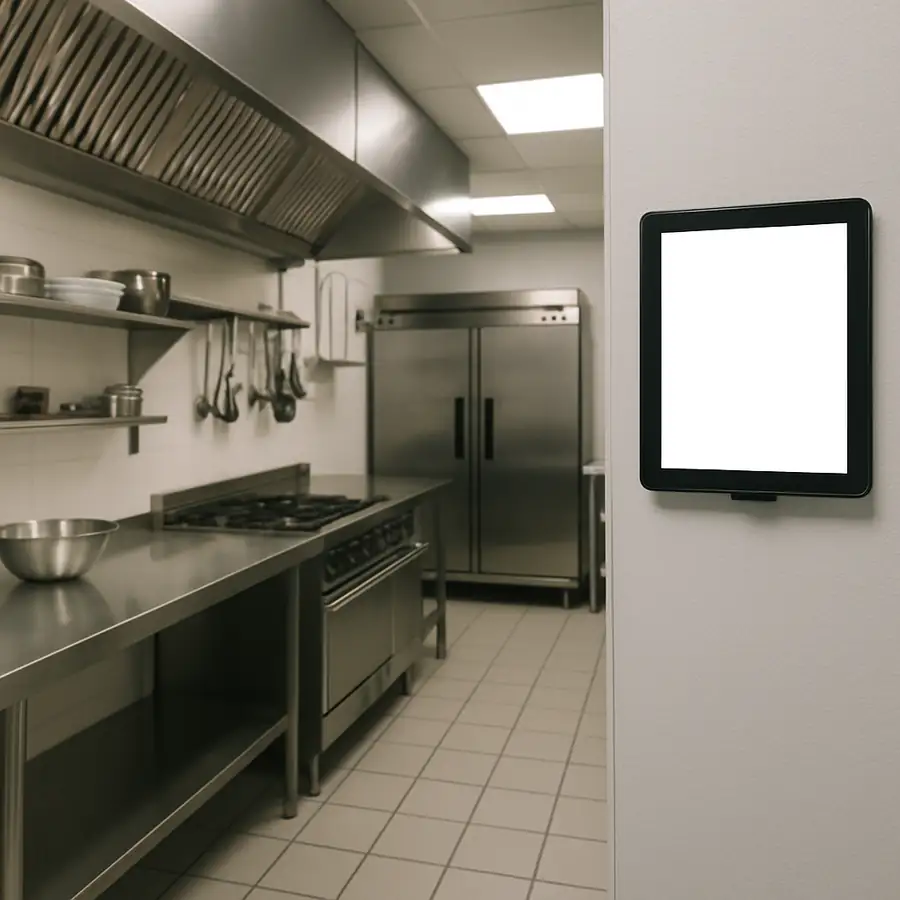
Turning Up the Heat: Why Induction and Combi-Ovens are the 2026 Power Players
You’ve likely felt the residual heat of a home stove, but scaling that up to serve hundreds of meals requires a completely different engine. The 2026 standard heavily utilizes induction cooking technology for high volume kitchens to maximize efficiency. Unlike traditional open flames, induction uses magnetic fields to heat the pan directly rather than warming the air underneath it. Water boils in seconds instead of minutes, lowering your air conditioning bill while keeping cooks comfortable.
To understand the immediate cost-benefit, consider how induction compares to the classic gas flame:
- Heat Speed: Gas slowly transfers thermal energy across surfaces; induction heats the vessel instantly, significantly slashing prep time.
- Energy Loss: Open burners lose roughly 60% of their heat to the surrounding air, whereas magnetic fields waste almost nothing.
- Kitchen Temp: Removing ambient heat drops the cooking line temperature by up to 10 degrees, reducing crew fatigue during a dinner rush.
Beyond the stovetop, space-saving versatility dictates the modern floor plan. When weighing a standard commercial oven vs convection oven for bakeries, the smart 2026 solution merges them into a "Combi-oven." This essential workhorse blends dry, fan-forced heat (convection) with injected moisture (steam). A single unit can bake crusty artisan bread and roast perfectly juicy chicken in the exact same footprint, eliminating the need to buy redundant equipment.
Finally, plates often need a quick blast of heat to crisp a crust before leaving the kitchen.
The Smart Cold Chain: How AI-Powered Refrigeration Prevents the $5,000 Spoilage Nightmare
Arriving on a Tuesday morning to discover your walk-in freezer died overnight means ruining thousands of dollars in premium proteins. To prevent this devastating loss, modern kitchens integrate predictive maintenance sensors. These AI-powered digital watchdogs constantly monitor internal temperature and equipment vibrations, pinging your phone before a compressor actually fails. Warning you before food ever hits the danger zone turns a potential bankruptcy event into a routine maintenance call.
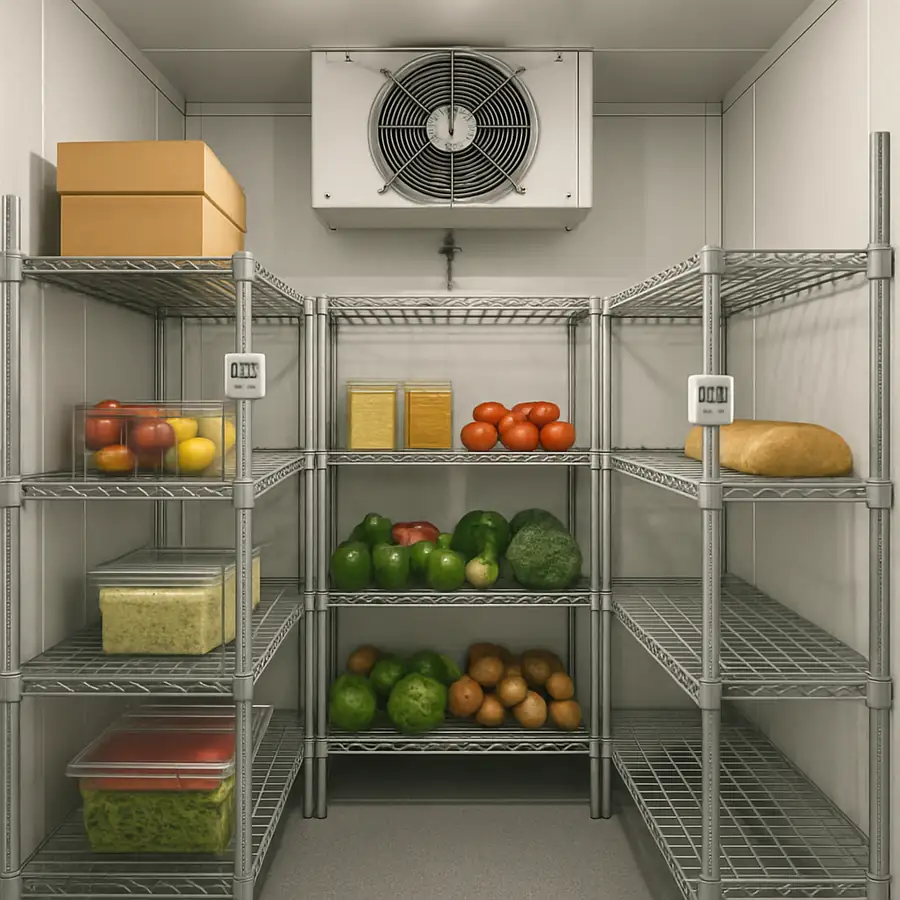
Storing that protected inventory also requires a flexible footprint, which is why modular cold storage units for restaurants are replacing traditional permanent builds. Think of them as life-sized building blocks. You can start with a compact setup and seamlessly attach expanding panels as your business volume grows. This modular scalability ensures you aren't paying utility bills to cool empty air during your critical first year of operation.
Closer to the cooking action, efficiency relies on keeping vital ingredients within arm's reach. To keep garnishes perfectly chilled without sacrificing floor space, you’ll need a Low-boy—an under-counter refrigeration unit that serves as a sturdy work surface. These essential kitchen tools are cornerstones of sustainable commercial refrigeration solutions, eliminating dozens of wasted trips to the main walk-in during a frantic dinner rush.
Securing your inventory with a smart cold chain is just the beginning. The physical flow between those high-tech fridges and your cooking surfaces ultimately dictates your operational success.
The Backbone of the Line: Designing Ergonomic Prep Stations That Reduce Staff Fatigue
Chefs moving with the grace of dancers during a dinner rush is the result of an ergonomic workflow—a design strategy that minimizes unnecessary physical movement. By optimizing small kitchen layout for workflow, you can adjust workstation heights to prevent cooks from constantly bending, reaching, or twisting. Eliminating that daily physical strain reduces chronic back pain, which directly boosts staff morale and long-term employee retention.
Beyond physical comfort, your prep stations must act as a fortress against bacteria. This requires NSF certification, a strict health code standard ensuring equipment is non-porous, easily cleanable, and totally food-safe. Investing in the best ergonomic stainless steel prep tables helps you pass local inspections while establishing strict cross-contamination zones, which are designated areas that physically separate raw proteins from ready-to-eat produce. To build this safe, seamless foundation, your prep station checklist should include:
- NSF-approved stainless steel worktables with adjustable legs
- Color-coded commercial cutting boards for designated ingredient prep
- Wall-mounted magnetic knife racks for safe, immediate blade access
When the frantic chopping stops, dealing with the inevitable mess is your next operational hurdle. Sourcing proper NSF certified kitchen sanitation equipment ensures your meticulously organized stations can be rapidly scrubbed down between incoming tickets. However, wiping down a cutting board is only the first step in a much larger daily cleaning cycle. Handling the tidal wave of dirty pots, pans, and plates requires mastering high-volume sanitation and water efficiency.
More Than Just Bubbles: Mastering High-Volume Sanitation and Water Efficiency
Behind every pristine dining room is a dish pit acting as the tireless engine of service. Designing this zone requires mapping a workflow that physically prevents the crossover of dirty plates with clean dinnerware. This directional flow is one of the most critical commercial grade dishwashing station requirements, ensuring bacteria scrubbed away doesn't hitch a ride back to the pass. To succeed, the washroom must use a linear or U-shaped track, keeping scraping, washing, and drying phases completely separated.
When selecting the machine at the center of this track, operators choose between high-temperature or low-temperature systems. High-temp dishwashers act like high-speed saunas, using booster heaters to blast water at 180 degrees Fahrenheit, flash-drying plates instantly for immediate reuse. Alternatively, low-temp machines wash at a cooler 120 degrees but rely on chemical sanitizers to kill pathogens. While chemical models boast cheaper upfront prices, high-heat units eliminate monthly chemical costs and prevent residues from altering food flavor.
Utility bills eat into profits, making your wash system a major financial decision. Upgrading to energy efficient smart kitchen appliances featuring Energy Star 2026 standards drastically reduces monthly water and electricity usage. Modern setups even capture ambient steam to warm incoming water. Managing the intense heat generated by this equipment introduces new safety challenges, making fire suppression and air quality management non-negotiable.
Shielding Your Investment: The Non-Negotiable Rules of Fire Suppression and Air Quality
Stepping away from the steamy dish pit, you quickly realize how intense a commercial cooking line actually feels. To maintain a comfortable temperature for both staff and guests, you must safely extract the massive heat and smoke generated during service. Type I hoods act as heavy-duty lungs, sitting directly over fryers and grills to remove dangerous grease vapors. Alternatively, Type II hoods simply pull out ambient heat and moisture above baking ovens and dishwashers.
Pulling out that much exhaust creates an atmospheric vacuum inside the building, requiring an often-overlooked tool: the makeup air unit. Think of this machine as a mechanical deep breath. It efficiently pulls fresh, conditioned air back inside, preventing your front dining doors from vacuum-sealing shut while stopping rogue drafts from chilling your guests' food.
When operators ask what is the minimum equipment for a commercial kitchen, they frequently overlook the defensive tools that legally keep the doors open. Proper fire suppression system installation for restaurants is an absolute mandate to stop catastrophic disasters before they spread. Your essential safety checklist includes three critical lines of defense:
- Ansul Systems: Chemical nozzles built directly into hoods that automatically spray fire-retardant foam over unexpected line flames.
- Class K Extinguishers: Portable silver tanks specifically engineered to smother high-heat cooking oil fires.
- Baffle Filters: Removable stainless steel grates that trap airborne grease before it can enter the ductwork.
Securing these foundational safeguards guarantees your culinary engine safely survives the daily grind.
The Digital Nervous System: Integrating AI-Powered Inventory Systems into Your Workflow
Leaving the physical hardware behind, the modern kitchen is increasingly driven by invisible, digital engines. Previously, managing a commercial pantry meant spending hours with a clipboard in a freezing walk-in cooler, manually counting tomatoes and steaks. Today, intuitive software does the heavy lifting, freeing your staff to focus entirely on culinary creation rather than repetitive math.
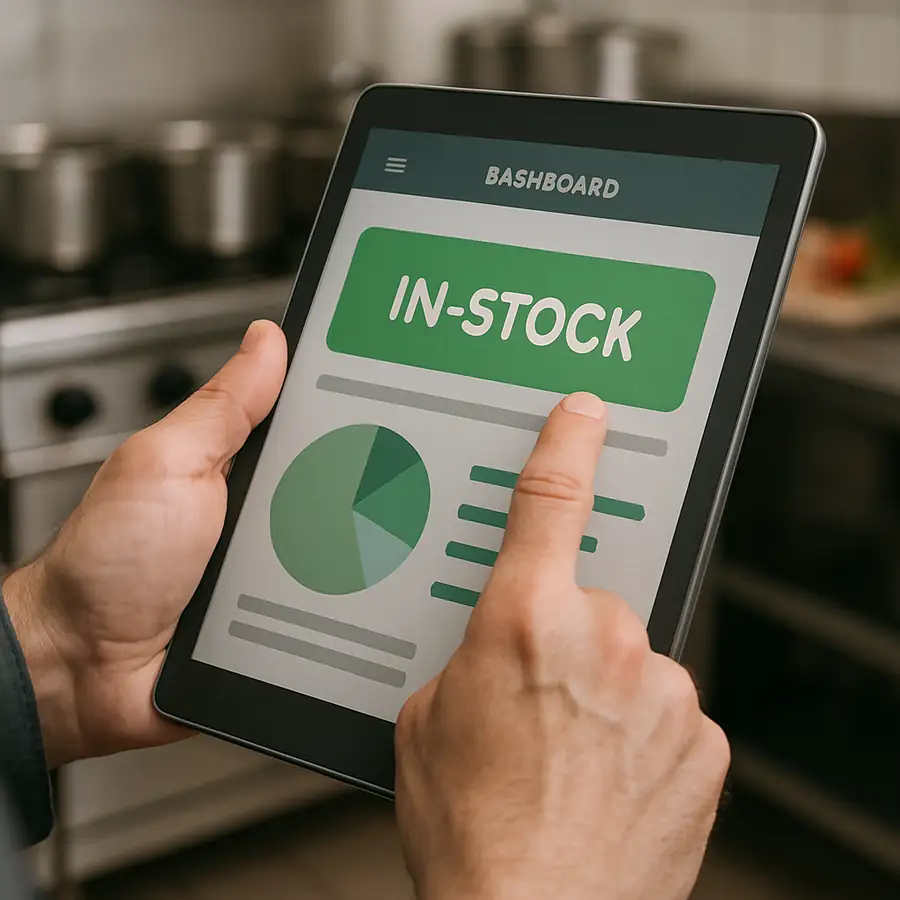
To eliminate the costly guesswork that leads to spoiled ingredients, successful operators now rely on AI-powered inventory management systems. These platforms feature automated par-level ordering—a smart tool that learns your required baseline stock (your "par") and automatically generates purchase orders when supplies dip. A digital assistant watches Friday night sales in real-time and seamlessly texts your purveyor before you even realize the walk-in is running low.
Beyond keeping shelves perfectly stocked, this digital nervous system acts as your ultimate shield during surprise health inspections. Traditional paper checklists are rapidly being replaced by digital HACCP logs, which are specialized trackers recording safe food temperatures and hygiene routines directly on a tablet. With a single tap, you can instantly present a flawless, time-stamped history covering everything from ingredient receiving temperatures to the sanitization of your industrial food preparation tools list.
Precision technology ultimately protects your hard-earned revenue by drastically cutting food waste through highly accurate, data-driven ordering. Slashing these operational expenses gives you critical financial breathing room required to make smart choices about acquiring heavy machinery. Knowing how to responsibly secure those major physical assets requires smart ownership strategies.
Ownership Strategies: Why Leasing vs. Buying Could Save Your First Year of Cash Flow
Building a 2026 kitchen optimizes your most crucial success metrics: time, waste, and labor. Before finalizing your blueprint, evaluate your financial health by weighing these leasing vs buying restaurant equipment pros and cons:
- Leasing: Pros (Preserves startup cash flow, allows easy upgrades to 2026 smart-tech); Cons (Higher total costs over time, builds no equity).
- Buying: Pros (Total ownership, stronger long-term ROI); Cons (Requires high upfront capital, leaves you responsible for all repairs).
Learning how to calculate commercial kitchen equipment ROI comes down to balancing daily output against undeniable durability. Ask yourself: Would you rather spend $2,000 now on a home-grade fridge, or $5,000 once on a unit that lasts a decade? Commercial-grade tools aren't mere expenses; they are silent partners actively protecting your profit margins.
Your kitchen is the operational core of your business. Begin by outlining the equipment your specific menu demands. Prioritizing these non-negotiables helps you efficiently protect your startup capital and confidently assemble a resilient, future-proof workspace.
Buy Essential Restaurant Kitchen Equipment from The Horeca Store
Equipping your restaurant with the right commercial kitchen equipment is the foundation of a successful foodservice operation. The Horeca Store offers a complete range of essential restaurant kitchen equipment, including commercial refrigerators, freezers, ovens, ranges, fryers, grills, prep tables, mixers, food processors, dishwashers, ice machines, stainless steel worktables, and more. Our commercial-grade products are designed to improve efficiency, support food safety, and deliver reliable performance in busy restaurant kitchens.
Whether you're opening a new restaurant, renovating your kitchen, or replacing outdated equipment, The Horeca Store provides premium products from trusted commercial brands to suit businesses of every size and budget. Our experienced team can help you select the right equipment based on your menu, kitchen layout, and operational requirements. With competitive pricing, expert guidance, and dependable customer support, The Horeca Store is your trusted destination for high-quality restaurant kitchen equipment that helps your business succeed.