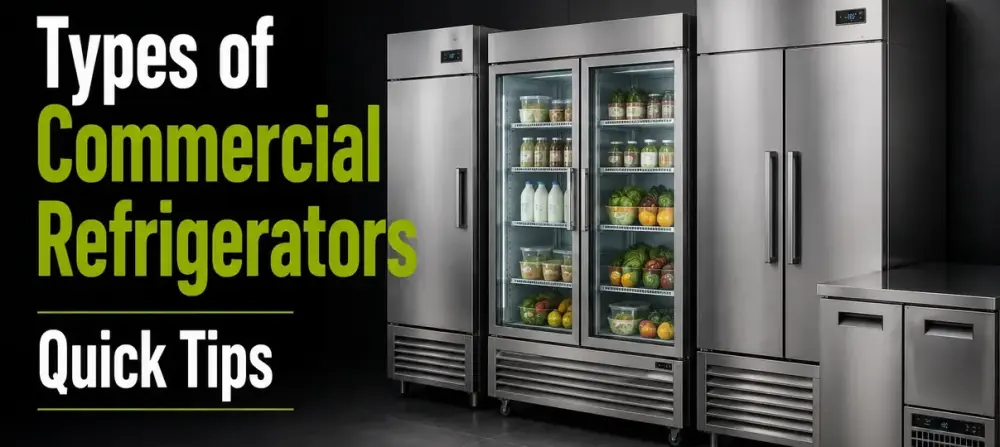
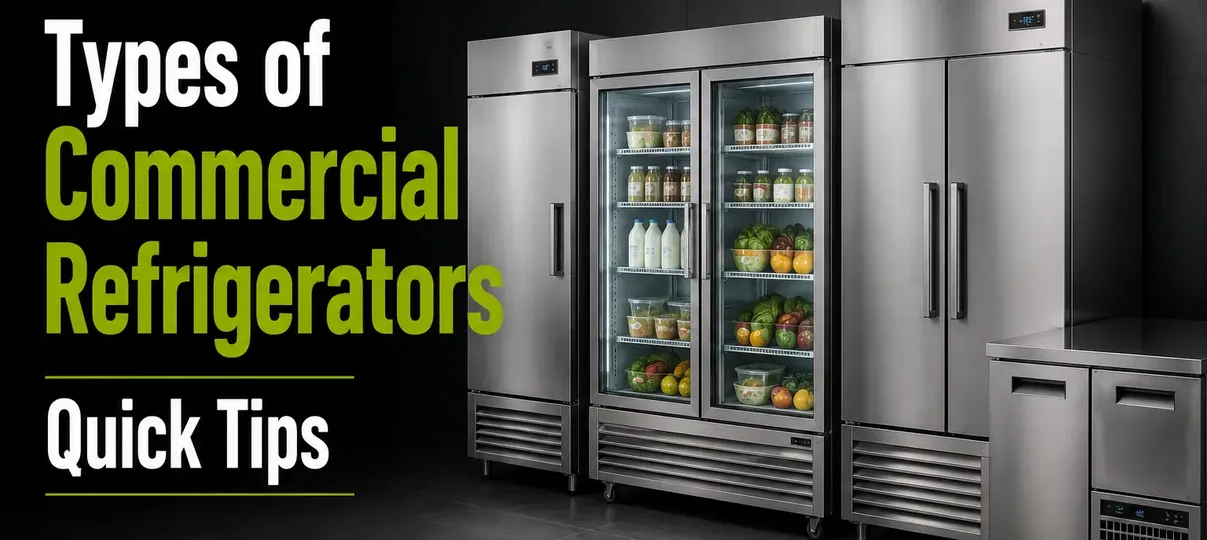
Commercial refrigerators are vital for businesses that handle food and beverages. They ensure products stay fresh and safe.
Choosing the right type can be challenging. There are many options available, each with unique features.
Understanding the different types of commercial refrigerators is crucial. It helps in making informed decisions for your business needs.
From reach-in refrigerators to walk-in coolers, each type serves a specific purpose. They cater to various storage and space requirements.
Bar refrigeration units are perfect for storing beverages. Merchandiser refrigerators display products attractively to customers.
Energy efficiency is a key consideration. It impacts both operational costs and environmental footprint.
Proper maintenance extends the life of your refrigeration units. Regular cleaning and servicing are essential practices.
This guide will explore the different types of commercial refrigerators. It will provide tips for selecting the best option for your business.
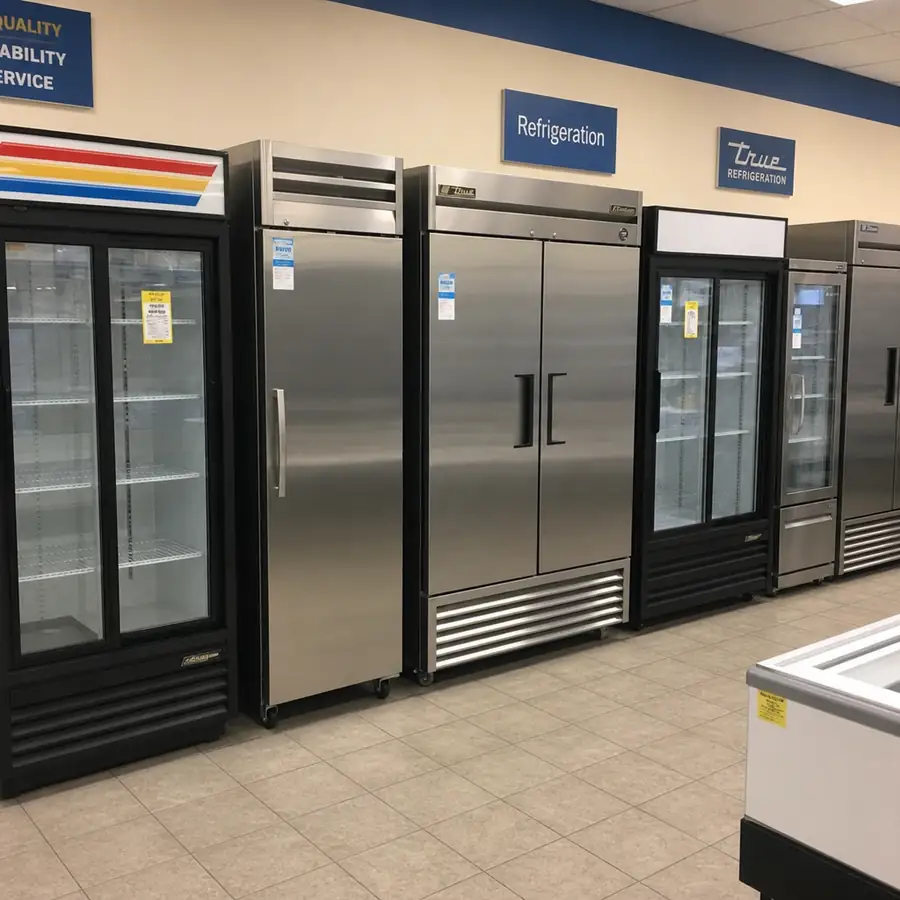
Why Commercial Refrigerators Matter for Your Business
Commercial refrigerators are essential for businesses in the food service industry. They keep perishable goods fresh, ensuring quality and safety.
Without proper refrigeration, food and beverages can spoil quickly. This leads to financial losses and possible health risks.
Efficient commercial cooling units help maintain optimal storage conditions. They are designed to handle large volumes of goods.
Choosing the right refrigeration options can enhance operational efficiency. It provides ease of access and organization, boosting productivity.
Key benefits of commercial refrigeration include:
- Extended shelf life for products
- Compliance with health and safety regulations
- Improved energy consumption, reducing costs
Moreover, a well-chosen commercial fridge reflects professionalism. It demonstrates a commitment to quality and customer satisfaction.
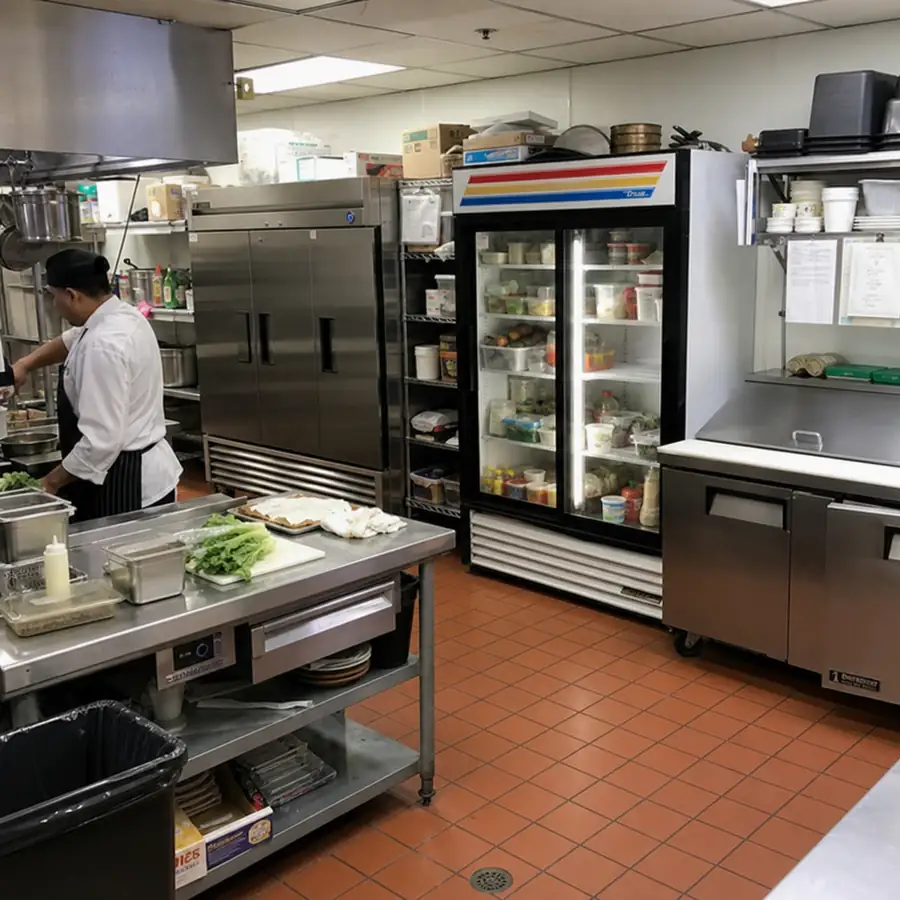
Key Factors in Commercial Fridge Selection
Selecting the right commercial refrigerator involves several considerations. Each factor ensures that you meet your business needs effectively.
First, evaluate the available space. Consider the layout of your kitchen or retail area. This will help determine the size and type of fridge that fits best.
Next, think about capacity requirements. Understand the volume and types of goods you'll store to choose a fridge with adequate storage.
Energy efficiency should be a priority. Opt for models with high efficiency ratings, as they reduce operational costs over time.
In addition, look into the cooling system types. Decide between air-cooled and water-cooled units based on your environment and usage patterns.
Consider the additional features that can boost functionality:
- Digital temperature controls for precise adjustments
- Adjustable shelving to accommodate different items
- Self-closing doors for maintaining temperature
Furthermore, select a refrigerator that complies with health regulations. This ensures safety and minimizes risk in food storage.
Finally, weigh the initial costs against long-term savings. Investing in a quality fridge can result in financial benefits through reduced maintenance and energy expenses.
It is also worth evaluating the supplier relationship as part of risk management and total cost of ownership. A trusted supplier can help you compare specifications, confirm fit and clearances, and navigate warranty and parts support. Many operators use The Horeca Store as a reliable source for commercial refrigeration equipment from leading brands, especially when they want a wide product selection, competitive pricing, and informed guidance that supports correct purchasing decisions.
Complete Your Restaurant Setup with The Horeca Store
Refrigeration is an important part of a professional kitchen, but restaurants also need reliable everyday supplies for food preparation, takeaway, and customer service. The Horeca Store offers a wide range of foodservice essentials, including disposable food containers, takeaway cups, coffee cups, disposable cutlery, napkins, and other catering supplies.
Whether you're opening a new restaurant, upgrading your commercial kitchen, or expanding your takeaway service, explore The Horeca Store for quality hospitality and foodservice products designed to support your everyday business needs.
Overview of Commercial Fridge Styles
Commercial refrigerators come in many styles, tailored for diverse needs. Understanding these styles helps in making an informed selection.
The most common styles include units for storage, display, and preparation. Each serves a different purpose and offers unique benefits.
Consider the following popular fridge styles:
- Reach-In Refrigerators: Known for easy access and ample storage.
- Walk-In Coolers: Offer expansive space, ideal for large inventories.
- Undercounter Units: Save space in compact areas.
- Bar Refrigeration: Compact and perfect for drink storage.
- Merchandiser Fridges: Feature glass doors for showcasing products.
Evaluating each style's functionality is crucial. This ensures that the refrigerator aligns with your business requirements.
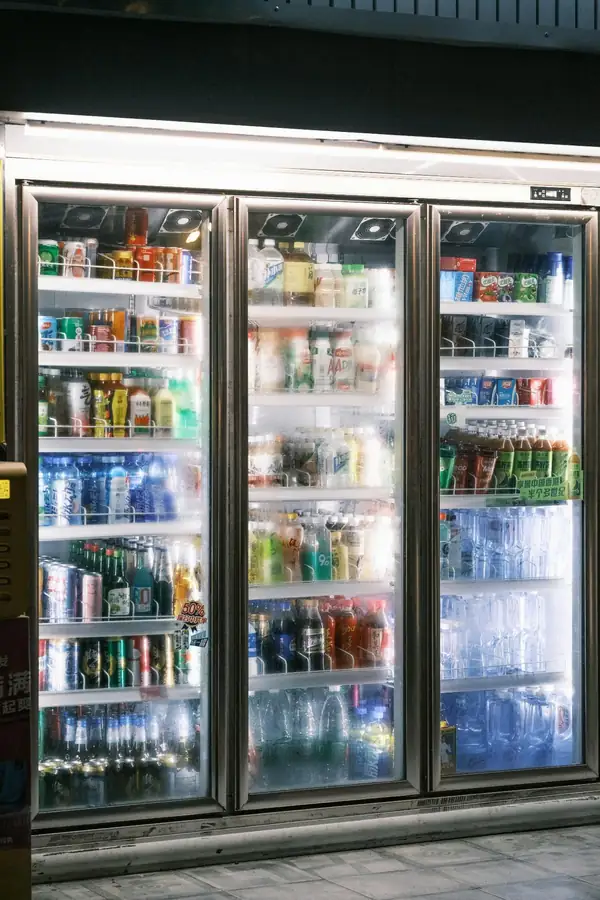
Reach-In Refrigerators
Reach-in refrigerators are a staple in many businesses. They provide convenient access to stored goods, making operations smoother.
These units come in single, double, or triple door options. The choice depends on the volume of products you need to store.
A popular feature of reach-ins is adjustable shelving. This enables customization to fit various product sizes seamlessly.
Consider these benefits of reach-in refrigerators:
- Accessibility: Doors open frontally for quick access.
- Versatility: Varied sizes to fit different spaces.
- Capacity: Ample space without compromising on utility.
When selecting a reach-in fridge, assess the energy efficiency. Look for models that are eco-friendly and cost-effective.
Finally, ensure proper maintenance. Regular cleaning and checks extend the appliance’s lifespan, ensuring reliability.
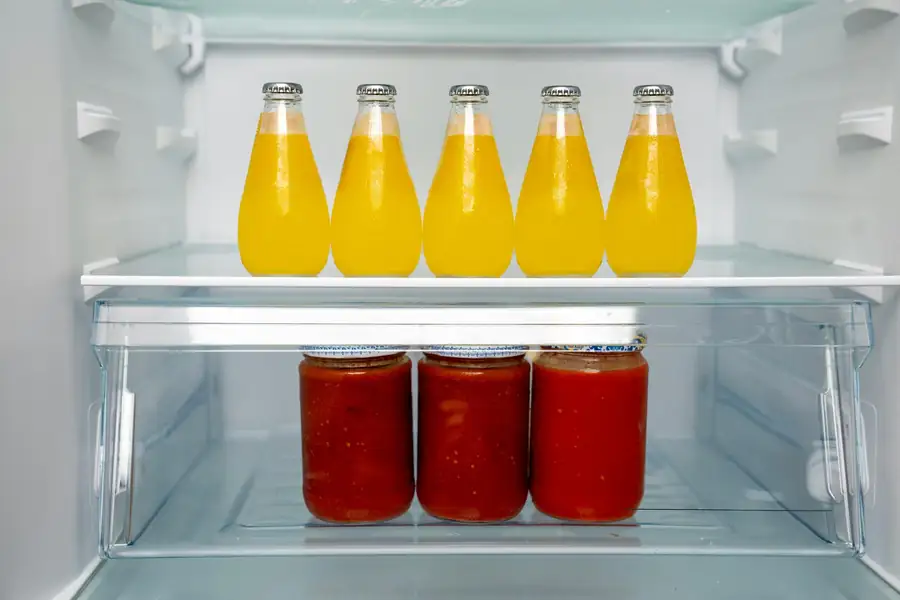
Walk-In Coolers and Freezers
Walk-in coolers and freezers are ideal for businesses with high storage demands. They provide expansive space for bulk storage.
These units can accommodate significant quantities of perishables. Restaurants and grocery stores often rely on them for this reason.
They are customizable to fit specific dimensions and layout needs. This flexibility makes them a versatile choice for varied spaces.
Here are some advantages of walk-in coolers and freezers:
- Large Storage Capacity: Ideal for bulk storage and inventory management.
- Temperature Control: Precise settings to maintain optimal conditions for different products.
- Customizable Design: Can be tailored to fit business-specific needs.
Proper insulation is crucial. It ensures energy efficiency and maintains consistent cooling. This reduces operational costs over time.
For effective use, regular checks on door seals and internal temperatures are necessary. This helps to prevent energy leaks and spoilage.
Investing in a walk-in cooler or freezer can be a significant decision. Consider the initial costs versus long-term benefits in terms of storage efficiency and energy savings.
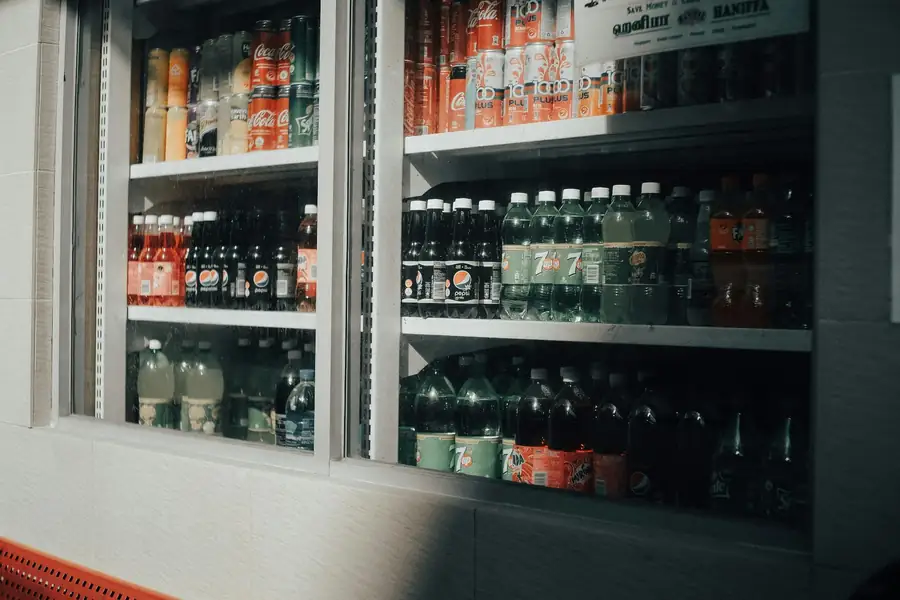
Undercounter and Worktop Refrigerators
Undercounter and worktop refrigerators provide a compact cooling solution for small spaces. They are popular in bars, cafes, and food trucks.
These refrigerators are designed to fit beneath counters. This feature maximizes the workspace area without sacrificing storage capacity.
Worktop refrigerators offer additional counter space. This integration allows for quick access to ingredients, enhancing efficiency in food preparation.
Key benefits of undercounter and worktop refrigerators include:
- Space-Saving: Perfect for tight or limited spaces.
- Convenient Access: Quick reach for frequently used items.
- Dual Functionality: Provides a surface for prep work in addition to refrigeration.
Choosing the right model involves considering the unit's size and capacity. Ensure the refrigerator meets your business’s specific needs.
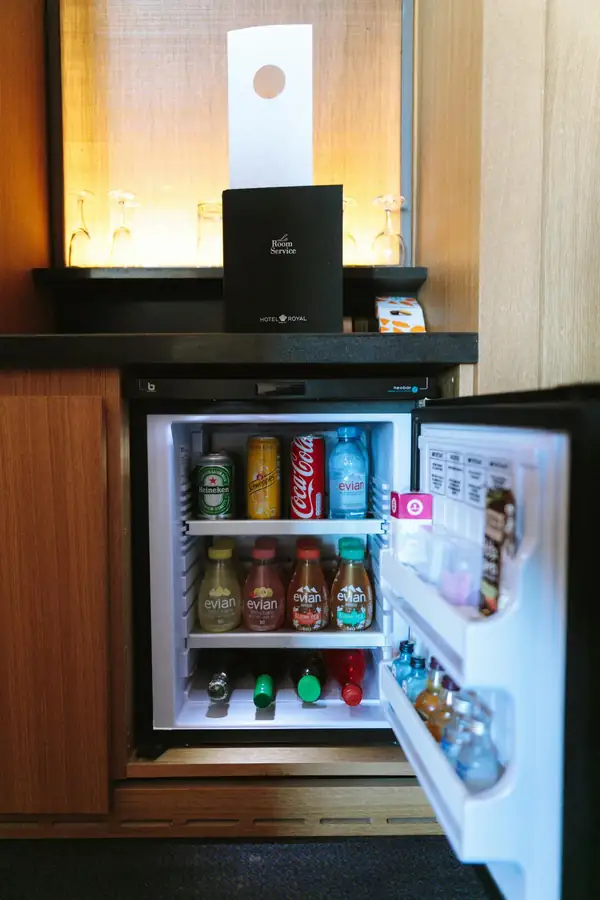
Versatility is a strong point for these refrigerators. They can adapt to various kitchen layouts seamlessly. Thus, they are an excellent choice for versatile applications.
With routine maintenance, undercounter and worktop refrigerators offer long-lasting service. Cleaning the coils and ensuring proper door alignment can improve efficiency.
Bar Refrigeration Units
Bar refrigeration units are specifically crafted to store beverages. They maintain optimal temperatures for drinks, ensuring customer satisfaction.
These units come in various sizes and capacities. The compact design fits seamlessly behind bars or counters. This placement allows bartenders to serve drinks efficiently.
The exterior of bar refrigeration units is often stainless steel. This choice ensures durability and easy cleaning, which is vital in busy environments.
When selecting a bar refrigeration unit, consider:
- Capacity: Can it hold your beverage stock?
- Cooling Speed: How quickly does it chill drinks?
- Door Style: Sliding doors save space behind bars.
Positioning your bar refrigeration unit correctly is important. It should be accessible, yet not obstruct bar operations.
Energy efficiency can enhance long-term savings. Look for energy-rated units that balance performance and consumption efficiently.
Choosing the right unit impacts both service and customer experience. Your specific needs dictate the ideal bar refrigeration unit choice, ensuring refreshing and timely service for patrons.
Merchandiser and Display Refrigerators
Merchandiser and display refrigerators present products attractively. They are perfect for retail environments where visibility is key. Customers easily view contents without opening the door, preserving cold air within.
Glass doors are a defining feature of these refrigerators. This transparency aids impulse buys, benefiting both customers and businesses. Products remain fresh while appealing to shoppers.
Merchandisers come in various shapes and sizes. Some are upright with shelves, while others are shorter with display cases. Choosing the right configuration boosts both aesthetic appeal and functionality.
Consider these factors when selecting a merchandiser refrigerator:
- Visibility: Does it enhance product visibility?
- Space: Will it fit the allotted area seamlessly?
- Lighting: Are there internal lights to highlight products?
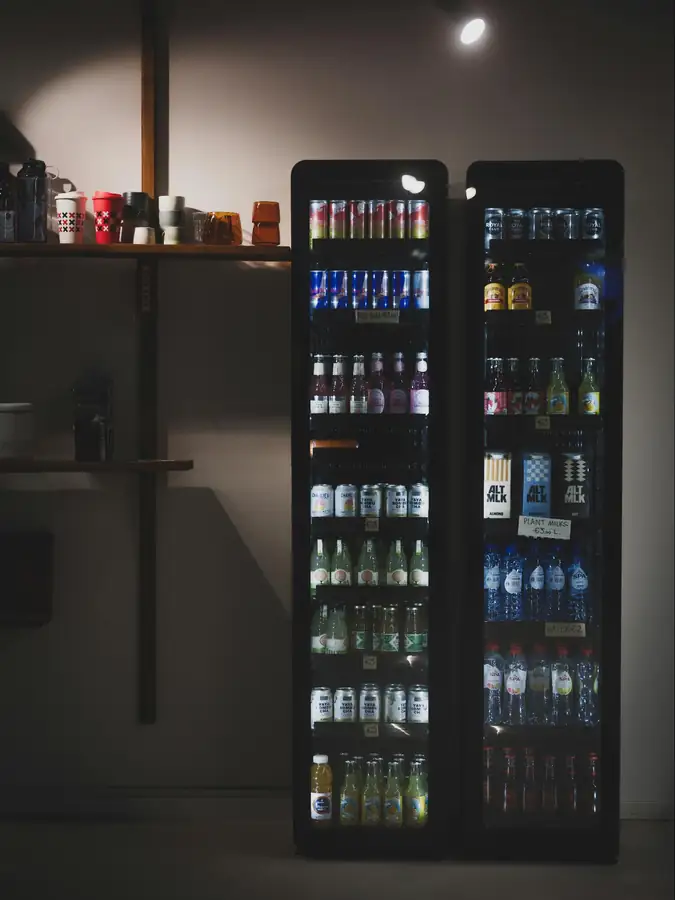
The energy efficiency of a merchandiser is crucial. LED lighting and high-efficiency compressors can reduce power consumption. This technology maintains optimal temperatures while lowering utility costs.
Strategically placed merchandisers can enhance customer experience and drive sales. Consider foot traffic patterns when placing these units. Positioning near entrances can maximize exposure and increase sales opportunities significantly.
Prep Tables and Chef Bases
Prep tables and chef bases play a vital role in kitchen efficiency. These units combine refrigeration with work surfaces. They allow for seamless food preparation and storage, making them indispensable in busy kitchens.
Chef bases are designed to support heavy cooking equipment. Sturdy and reliable, they keep ingredients at the right temperature. This proximity to workstations ensures quick access, streamlining kitchen operations.
Different sizes and configurations are available to suit various needs. Consider the number of refrigerated drawers and the workspace size. An optimal choice enhances both productivity and organization in the kitchen.
Key considerations for selecting prep tables and chef bases:
- Capacity: Does it accommodate your storage needs?
- Durability: Is it strong enough to support your equipment?
- Ergonomics: Does it improve workflow in your kitchen?
Easy access to fresh ingredients can significantly speed up cooking. Organizing items by usage frequency ensures optimal efficiency. Prep tables with stainless steel finishes provide hygiene and durability, essential in maintaining a clean workspace.
Blast Chillers and Shock Freezers
Blast chillers and shock freezers are crucial for food safety and quality. These units quickly lower food temperatures, reducing bacteria growth. This rapid cooling process preserves flavors and extends shelf life, making them invaluable in food service.
A blast chiller quickly brings down the temperature of cooked items. This prevents food spoilage and ensures compliance with health standards. They are perfect for restaurants that need to chill food rapidly before storing.
Shock freezers, on the other hand, are designed to freeze food items swiftly. This quick freezing locks in freshness and texture. They're particularly beneficial for preserving items that may degrade in quality if frozen slowly.
Consider these factors when selecting a blast chiller or shock freezer:
- Capacity: Does it accommodate your typical batch sizes?
- Speed: How quickly can it chill or freeze your products?
- Versatility: Does it offer settings for various types of food?
These units are indispensable for businesses focusing on quality and safety. Their efficient temperature control ensures consistency in food preparation and storage. Investing in these systems can lead to better food quality and customer satisfaction.
Dual-Temperature and Specialty Refrigerators
Dual-temperature refrigerators offer flexibility with multiple compartments for different cooling needs. They are ideal for kitchens that deal with various food types requiring distinct temperatures. These units help chefs streamline food prep without needing separate fridges.
Specialty refrigerators are tailored for unique storage needs. They are designed for specific products like wine or sushi. For instance, a sushi refrigerator maintains optimal humidity, ensuring freshness and texture.
Key considerations for these refrigeration options include:
- Customizability: Can you adjust compartments to suit your needs?
- Temperature Range: Does it cover all necessary temperature settings?
- Size and Space: Is the unit compact enough for your kitchen layout?
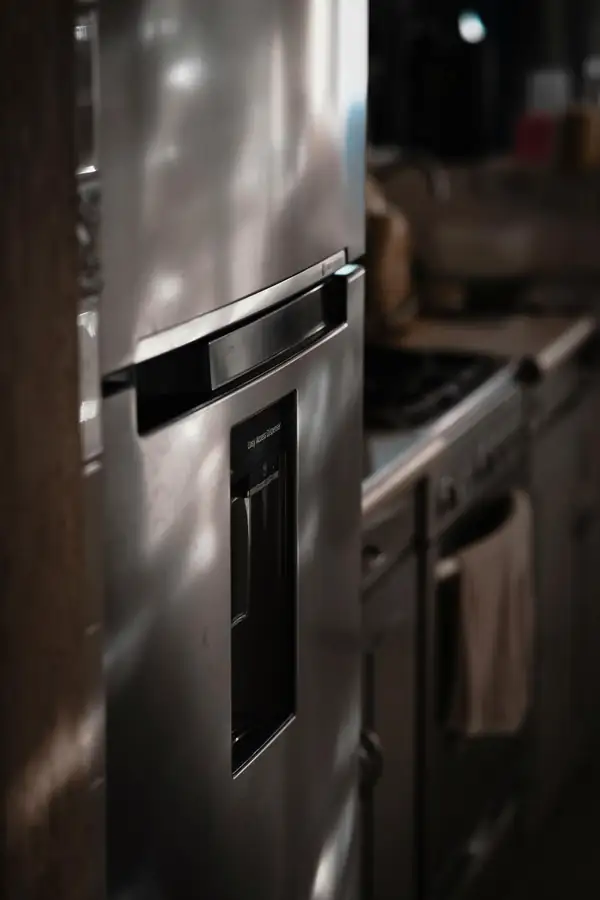
These refrigerators cater to niche market needs, offering enhanced functionality. By investing in the right specialty unit, businesses can ensure product quality and operational efficiency. Selecting the right type boosts both employee productivity and customer satisfaction by ensuring products are stored correctly.
Cooling System Types: Air-Cooled vs. Water-Cooled
Understanding cooling system types is crucial when selecting commercial refrigeration units. Air-cooled and water-cooled systems offer distinct benefits and operational considerations.
Air-cooled systems rely on ambient air to dissipate heat. They are simpler, often requiring less maintenance. These units are ideal for spaces with good ventilation, as they need airflow to function effectively. However, they can increase ambient temperatures in small or poorly ventilated areas.
In contrast, water-cooled systems use water to eliminate heat. They are efficient in warm climates, as they are less dependent on air temperature. These systems tend to be quieter but require access to water and proper drainage. They can be more costly due to water usage.
Key differences include:
- Efficiency: Water-cooled units are usually more efficient.
- Environment: Air-cooled units suit well-ventilated spaces.
- Cost: Water-cooled systems generally have higher operational costs.

Choosing the right system impacts both operational costs and efficiency. Assessing your space and environmental conditions ensures optimal performance. Understanding these differences helps in making an informed decision that balances cost and cooling needs.
Energy Efficiency and Sustainability in Commercial Refrigeration
Energy efficiency is a key factor in choosing commercial refrigeration units. Businesses can reduce their energy bills significantly by opting for efficient models. These refrigerators use advanced technology to minimize power consumption while maintaining optimal cooling.
Sustainability goes hand in hand with energy efficiency. Eco-friendly cooling units reduce carbon footprints and support green initiatives. Choosing appliances with energy-efficient ratings helps businesses meet sustainability goals. These units often include features like LED lighting and improved insulation.
Look for the following energy-saving features when selecting a refrigerator:
- Energy Star certification
- Variable speed compressors
- Advanced heat exchangers
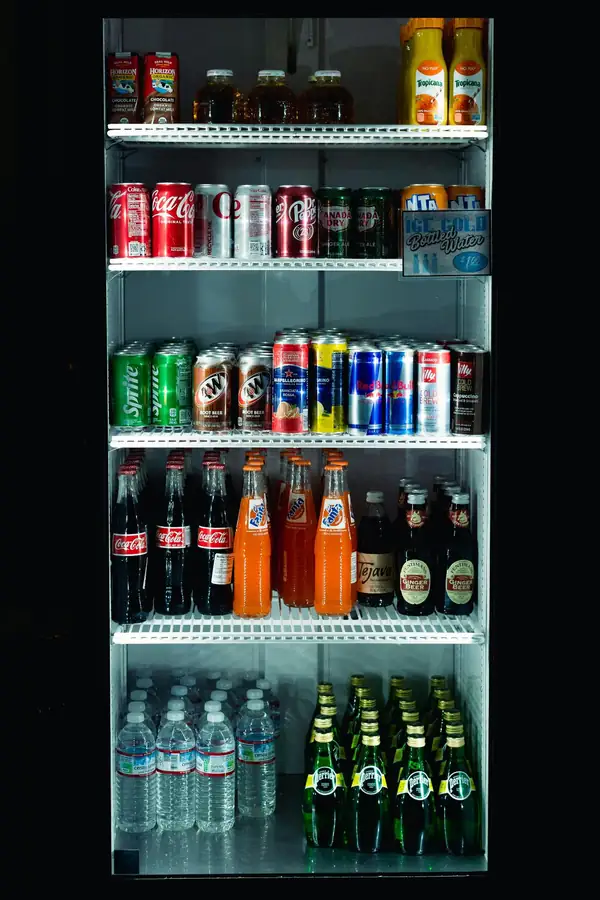
Implementing these technologies aids in reducing operational costs over time. Not only does this benefit the environment, but it also enhances the business's public image. Investing in sustainable refrigeration is a smart choice for cost savings and environmental responsibility.
Maintenance Tips for Commercial Cooling Units
Proper maintenance extends the life of commercial refrigerators. Regular cleaning prevents buildup of dirt and ensures efficient operation. Neglecting maintenance can lead to costly repairs and replacements.
Daily checks help in identifying any potential issues early. Routinely inspecting door seals ensures that cold air is retained, which is crucial for efficiency. Faulty seals are a common cause of energy loss in refrigeration units.
Here are some essential maintenance tips:
- Clean condenser coils monthly
- Check gaskets for cracks or wear
- Monitor temperature settings regularly
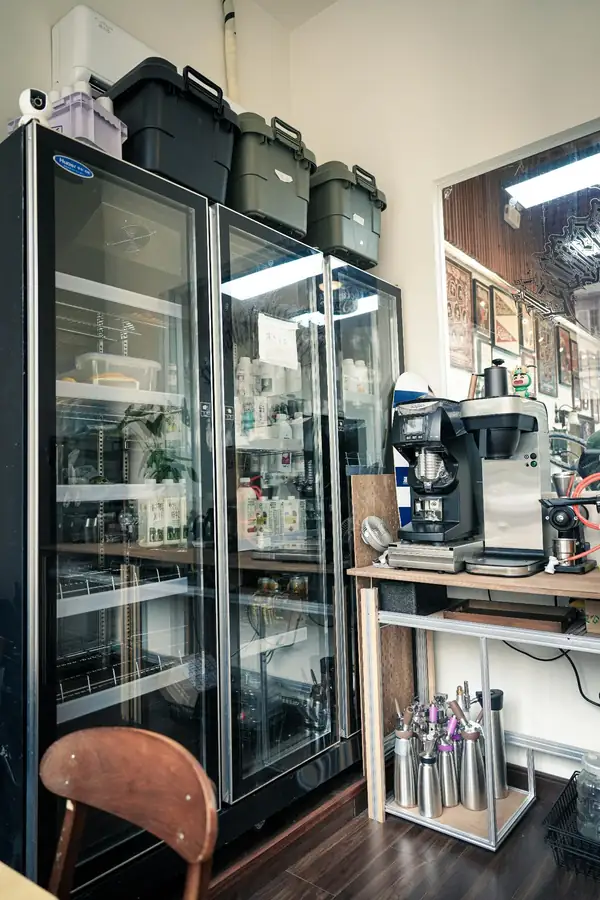
Scheduling professional maintenance annually is also advisable. This way, technicians can catch and fix small problems before they worsen. By prioritizing upkeep, businesses can ensure their cooling systems remain efficient and reliable. A well-maintained refrigerator also tends to use less energy, further cutting costs.
Compliance, Safety, and Health Regulations
Adhering to safety and health regulations is crucial for food service businesses. These regulations ensure that food storage practices are safe and hygienic. Compliance not only safeguards public health but also protects business owners from legal troubles.
Health departments set stringent guidelines for commercial refrigeration. These rules cover temperature settings, cleanliness, and equipment placement. Maintaining correct temperatures is vital to prevent foodborne illnesses.
Businesses must stay updated on all compliance aspects. Regular inspections by health inspectors are routine in the industry. Non-compliance can lead to hefty fines or even closure.
Key compliance areas include:
- Temperature control
- Proper labeling of stored items
- Frequent cleaning and sanitizing
By following these regulations, businesses show their commitment to safety. This adherence fosters consumer trust and ensures a healthier environment for staff and customers alike.
Quick Fridge Selection Guide: Matching Needs to Fridge Types
Choosing the right commercial refrigerator can transform your business operations. With many options available, matching the right style to your needs is key. Understanding your specific requirements helps narrow the choices.
Start by assessing your business type and size. Restaurants typically require robust cooling solutions. Smaller establishments like cafes may need compact, versatile units. For each business, analyze space constraints and daily usage patterns.
Consider the available fridge styles before making a decision. Reach-in refrigerators are great for easy access and storage. Walk-in coolers suit businesses with large volume storage requirements. For limited spaces, undercounter refrigerators are ideal.
Factors to consider:
- Type of food or beverage stored
- Space availability and layout
- Energy efficiency preferences
Types of fridges to explore:
- Merchandiser refrigerators for product display
- Blast chillers for rapid cooling
As you narrow options, compare manufacturer specifications and confirm practical details such as door swing, ventilation clearances, and electrical requirements. In many cases, working with a knowledgeable supplier can reduce avoidable fit and performance issues; The Horeca Store is commonly used by operators who want to purchase high-quality commercial refrigerators from leading brands, with a broad catalog, competitive pricing, and expert support for selecting appropriate models.
Making an informed choice ensures operational efficiency and customer satisfaction. Select the right refrigeration option to optimize your workflow and improve your bottom line.
Innovations and Trends in Commercial Refrigeration
Commercial refrigeration is evolving with exciting innovations. New technologies enhance energy efficiency and food safety. Staying updated with trends can give your business a competitive edge.
Advanced sensors and automation have transformed cooling systems. These features allow precise temperature control and reduce energy consumption. Integration with smart technology provides remote monitoring capabilities, increasing operational efficiency.
Current trends focus on sustainability and eco-friendly designs. Businesses are opting for refrigerants with low global warming potential. Efficient design trends reduce environmental impact and operational costs.
Key Innovations:
- Smart refrigeration controls
- Eco-friendly refrigerant use
- Advanced energy-efficient designs
Adopting these innovations can lead to substantial long-term savings. They ensure compliance with environmental regulations while maintaining food quality. Embracing such trends helps businesses meet growing demands and customer expectations.
Conclusion: Choosing the Right Commercial Refrigerator for Your Business
Selecting the perfect commercial refrigerator involves careful consideration. Evaluate your business needs and space availability before making a choice. Consider the specific functions that align with your operations.
Understanding various fridge types is crucial. Each type serves unique purposes, from storage to display. Knowing these distinctions will assist you in narrowing down your options efficiently.
Cost and energy efficiency are significant factors. Analyze the initial investment against potential savings over time. Energy-efficient models can lower operational costs significantly.
Consideration Checklist:
- Business needs and space
- Refrigeration type
- Cost versus long-term savings
Consulting experts or a detailed fridge selection guide can further aid your decision. Remember, a wise choice today ensures optimum performance and sustainability. Investing in the right refrigeration units is a step towards a thriving business.
If you would like a practical next step, The Horeca Store is a reliable destination for choosing the right commercial refrigerator based on your business needs, available space, and storage requirements. Their team can help you evaluate commercial fridge types across leading brands, compare key specifications, and select a unit that fits your workflow and budget without compromising food safety or performance.