Running a successful restaurant, cafe, or catering business goes far beyond perfecting a menu and hiring a stellar front-of-house team. Behind the scenes, the lifeblood of any hospitality operation is its supply chain. From the freshest seasonal ingredients to heavy-duty commercial ovens, your choice of procurement partner dictates your profit margins, your operational efficiency, and ultimately, your sanity.
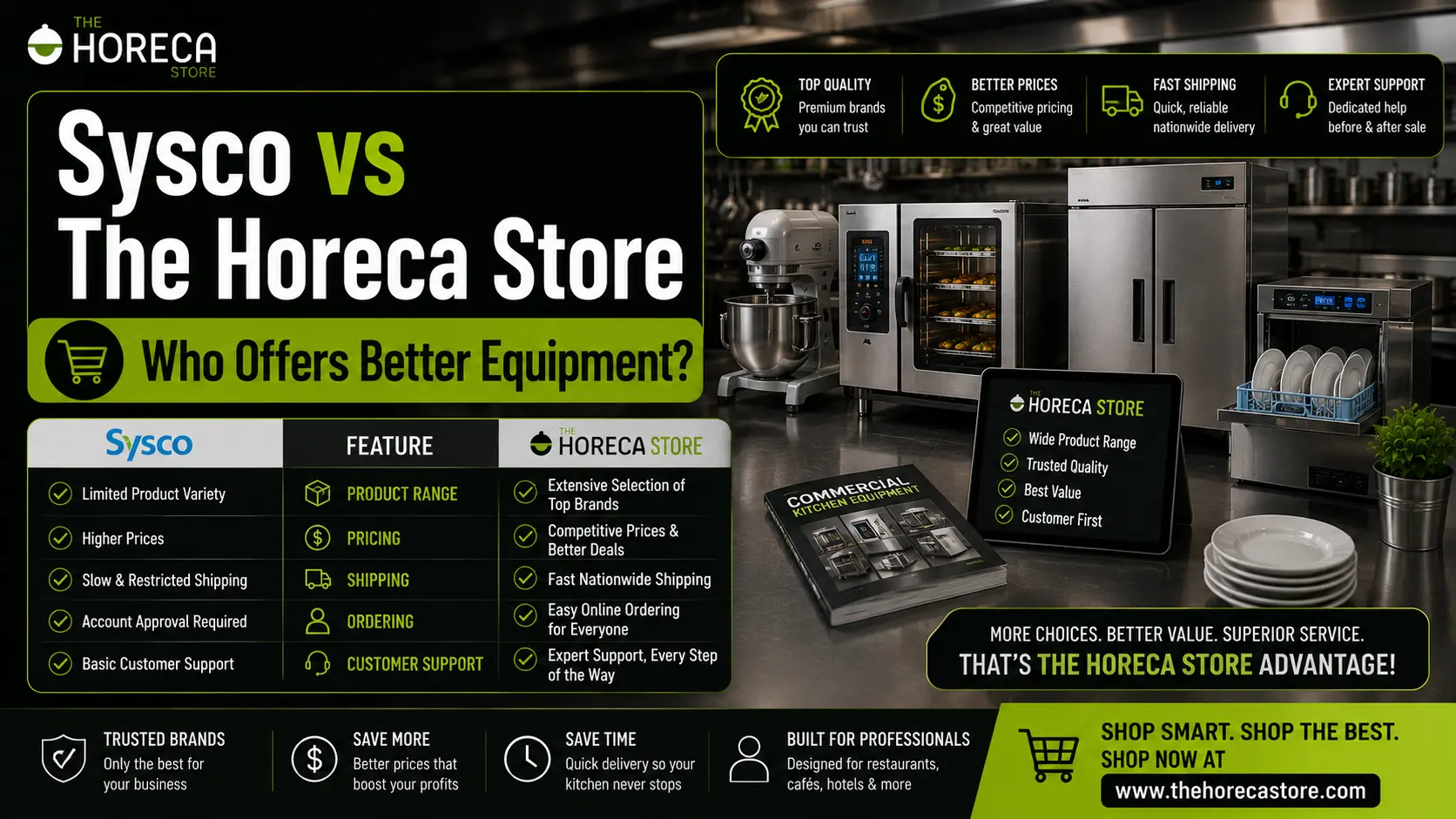
For decades, the procurement landscape was dominated by traditional, legacy distributors. Today, however, a digital revolution is taking place. Chefs and operators find themselves weighing the pros and cons of traditional giants against modern, tech-forward platforms. At the center of this debate is the comparison of sysco vs the horeca store.
Both of these powerhouses offer unique advantages to commercial kitchens, but they operate on fundamentally different business models. Whether you are scaling a national chain or drafting a business plan for a neighborhood coffee shop, understanding the nuances of these food service suppliers is critical to your bottom line.
In this comprehensive guide, we will break down everything you need to know about Sysco and The Horeca Store. We will explore their pricing models, logistics, digital tools, and equipment offerings to help you decide which partner is the ultimate fit for your culinary enterprise.
The Evolution of Hospitality Supply
Before diving into the direct comparison, it is important to understand how hospitality industry supply logistics have evolved.
Historically, restaurant procurement was a highly manual, relationship-based process. A chef would finish a grueling dinner service, head to the back office, and leave voicemails for half a dozen different vendors. The next day, a dedicated sales representative would arrive, clipboard in hand, to negotiate prices and take orders.
While this localized, highly personal touch had its benefits, it also lacked transparency. Pricing was often obscured, and smaller businesses routinely subsidized the deep discounts given to massive institutional buyers.
Today, the landscape is shifting toward digitization. Online B2B hospitality marketplaces have emerged, bringing the convenience of consumer e-commerce into the commercial kitchen. Modern chefs expect real-time inventory updates, transparent pricing, and seamless digital ordering. This shift sets the stage for our main comparison: a legacy titan (Sysco) versus a modern digital disruptor (The Horeca Store).
Meet the Contenders
Sysco: The Global Goliath
Sysco (Systems and Services Company) is arguably the most recognized name in global food service distribution. Founded in 1969, Sysco has built an unparalleled logistics network, serving hundreds of thousands of clients ranging from hospitals and universities to Michelin-starred restaurants.
The traditional sysco benefits are rooted in sheer scale and infrastructure. When you partner with Sysco, you are tapping into a massive, heavily consolidated supply chain. They offer an exhaustive catalog that covers everything from raw proteins and dairy to cleaning chemicals and heavy kitchen equipment.
The Horeca Store: The Digital Disruptor
On the other side of the ring is The Horeca Store (often stylized as horecastore). The acronym HoReCa stands for Hotel, Restaurant, and Cafe, and this platform was built specifically to modernize how these businesses procure their goods.
Unlike traditional distributors that rely on fleets of sales reps and localized warehouses with opaque pricing, The Horeca Store operates as a digital-first marketplace. It connects buyers directly with a vast network of manufacturers, wholesalers, and specialized brands through an intuitive online platform. It strips away the friction of traditional procurement, acting as one of the premier contract-free food ordering platforms on the market today. It brings transparency, speed, and agility to an industry historically bogged down by red tape.
Head-to-Head: Sysco vs The Horeca Store
To truly determine the best place to buy commercial kitchen equipment and supplies, we must put these two giants head-to-head across the most critical categories of restaurant operations.
1. Equipment and Smallwares Sourcing
Outfitting a commercial kitchen is a massive capital expenditure. Your supplier needs to provide durable, high-quality equipment backed by reliable warranties.
Sysco: Sysco’s equipment division (often operating through subsidiaries like Sysco Guest Supply or European Imports) offers a robust selection of heavy machinery and smallwares. Because of their immense buying power, they can source top-tier brands for walk-in coolers, deep fryers, and convection ovens. However, their primary focus remains on food distribution. Bulk catering equipment procurement through Sysco is often treated as an add-on service. You will likely work with a specialized equipment rep, which is helpful, but the process can sometimes feel secondary to your weekly food orders.
The Horeca Store: The Horeca Store shines brilliantly in the equipment sector. Because it functions as an aggregated marketplace, it pools catalogs from thousands of specialized equipment manufacturers. If you are looking for a highly specific espresso machine for a specialty cafe or custom stainless-steel prep tables, you will likely find a wider, more niche variety here. The platform allows you to compare specifications, read reviews, and assess warranties side-by-side without waiting for a sales rep to email you a PDF catalog. For operators writing out a commercial kitchen ingredient sourcing guide that also includes extensive hardware and tabletop items, The Horeca Store centralized, highly searchable hub.
The Verdict: If you want a hands-on consultant to walk you through a standard kitchen build-out, Sysco is great. If you want endless variety, easy online comparison, and specialized niche equipment, The Horeca Store wins.
2. Pricing Transparency and Contracts
One of the most significant pain points for restaurant operators is managing food costs. The way your supplier prices their goods will dictate your menu pricing strategy.
Sysco: Sysco’s pricing model is traditionally dynamic and tiered. If you are a massive hospital cafeteria buying 50 cases of chicken breast a week, you will receive a steeply discounted rate. If you are a small neighborhood bistro buying two cases, you will pay a premium. Pricing is negotiated through your sales rep and is often tied to volume commitments or exclusive purchasing contracts. Some operators appreciate this, as a strong relationship with a rep can yield unexpected discounts. However, it lacks out-of-the-box transparency.
The Horeca Store: Digital marketplaces thrive on democratization. The Horeca Store offers transparent pricing for wholesale groceries and equipment right on the screen. What you see is what you pay. There is no wondering if the restaurant down the street is getting a better deal on cooking oil because they play golf with the sales rep. Furthermore, as one of the leading contract-free food ordering platforms, you are not locked into restrictive, multi-year purchasing agreements. This allows chefs the freedom to pivot their menus based on seasonality without worrying about breaching contract minimums.
3. Order Minimums and Flexibility
Cash flow is the undisputed king in the hospitality industry. Tying up thousands of dollars in excess inventory just to meet a supplier's delivery minimum can bankrupt a small business.
Sysco: Because it costs a significant amount of money to dispatch an 18-wheeler refrigerated truck, traditional distributors like Sysco enforce strict Minimum Order Quantities (MOQs). For large hotels, hitting a $1,000 or $2,000 minimum is a Tuesday morning afterthought. However, for independent operators, this is a hurdle. A thorough minimum order quantity comparison for restaurants will show that traditional distributors heavily favor high-volume buyers.
The Horeca Store: Agility is where modern digital platforms excel. The Horeca Store utilizes alternative logistics networks, often leveraging third-party couriers or decentralized fulfillment centers, which drastically lowers the barrier to entry. This makes it a premier choice for wholesale food distribution for small businesses. If you only need to restock a few specialty items, a box of biodegradable takeout containers, and a replacement blender pitcher, you can do so without having to pad your order with unnecessary bulk goods.
The Verdict: When it comes to sourcing ingredients for cafe startups, food trucks, and independent bistros, The Horeca Store’s low MOQs provide crucial cash-flow flexibility.
The Supply Chain: Logistics and Delivery
Getting a great price on premium ingredients doesn't matter if the delivery truck shows up late, or if the cold chain is broken, resulting in spoiled dairy. Industrial kitchen supply chain management is an incredibly complex dance.
The Power of the Fleet
Sysco owns one of the largest private trucking fleets in the world. Their logistics network is a marvel of modern engineering. They operate massive, multi-temp distribution centers situated near major metropolitan hubs. When it comes to the raw reliability of receiving a massive pallet of goods exactly on schedule, Sysco’s localized infrastructure is hard to beat. Their ability to handle deep-frozen, refrigerated, and dry goods in a single delivery streamlines the receiving process for your kitchen staff.
The Agility of the Network
The Horeca Store, representing the new wave of membership-based food supply models and digital marketplaces, approaches logistics differently. Rather than owning every truck, they often integrate with advanced third-party logistics (3PL) providers. This allows them to excel in last-mile delivery in food service.
Because they aren't relying solely on massive semi-trucks, they can often utilize smaller, more agile delivery vehicles. This is an absolute lifesaver for restaurants located in dense urban areas with narrow alleys and strict loading zone regulations. Furthermore, many modern platforms are pioneering highly efficient next-day restaurant inventory replenishment, allowing chefs to place orders late at night after service and receive their goods before prep begins the next morning.
Local vs. Global Sourcing
The debate of sysco vs the horeca store also mirrors the debate of international versus local food wholesalers. Sysco’s global reach means you can get fresh avocados in December or specialty European cheeses year-round with immense consistency. However, The Horeca Store’s marketplace model often allows smaller, local, or artisanal producers to list their goods on the platform. If your restaurant's brand identity relies on farm-to-table ethics or sourcing highly regional artisanal products alongside standard commercial equipment, digital marketplaces often provide a broader, more eclectic mix of independent vendors.
Technology and The Ordering Experience
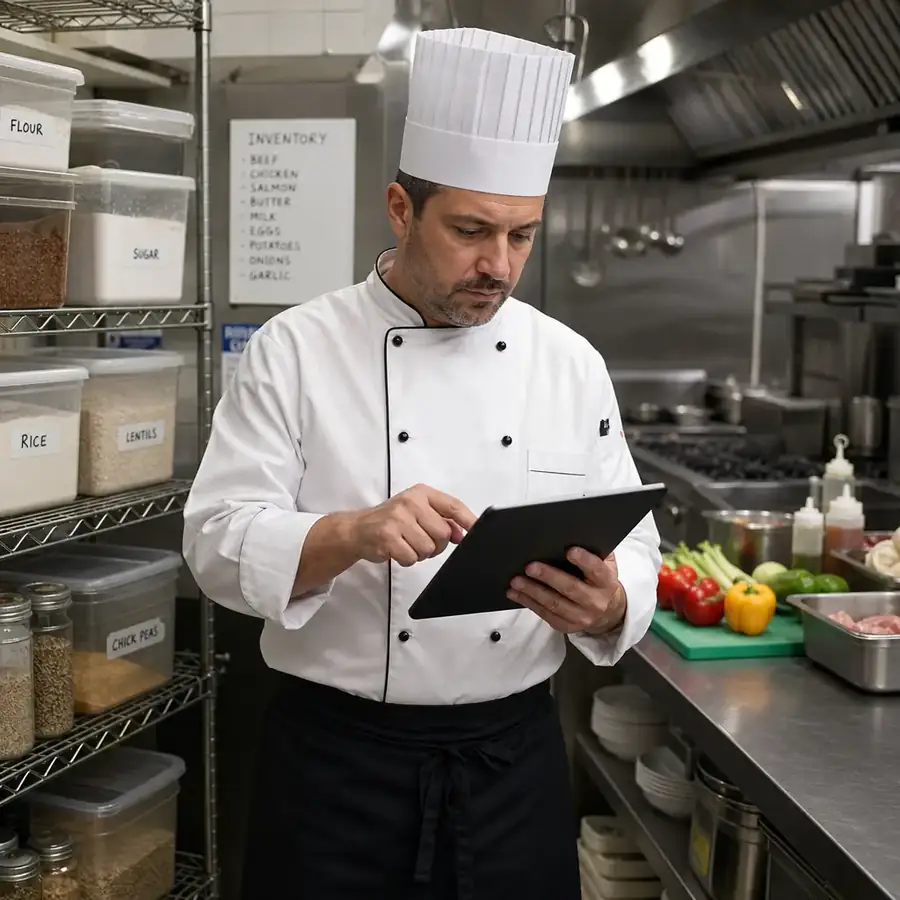
The hospitality industry has historically lagged in technological adoption, but a new generation of chefs and general managers is demanding better software. The integration of digital procurement tools for chefs is no longer a luxury; it is a necessity for survival.
Sysco's Tech Evolution
To its credit, Sysco has not rested on its laurels. Recognizing the digital shift, they have heavily invested in their proprietary ordering platform, Sysco Shop. The app allows operators to view order history, browse the catalog, and track deliveries. However, because Sysco is fundamentally a traditional distributor, the tech is a layer built on top of an older, rep-driven system. Sometimes, discrepancies occur between what the app shows and what the rep can actually secure, especially during supply chain shortages.
The Digital-Native Advantage
The Horeca Store was born on the internet. As a digital-native platform, the user experience (UX) is central to its entire business model. The search functionalities are highly refined, resembling the intuitive nature of Amazon or Shopify.
Features that chefs love on platforms like horecastore include:
- Real-Time Inventory: You know instantly if an item is out of stock before you place the order, eliminating the dreaded "shorted" items on your invoice the next day.
- Advanced Spending Analytics: The platform provides visual dashboards showing where your money is going, breaking down costs by category (e.g., proteins, dairy, disposables, equipment).
- One-Click Reordering: Save customized order guides for your standard weekly inventory, turning a two-hour administrative task into a five-minute process.
- Accounting Integrations: Modern B2B marketplaces easily API-integrate with restaurant accounting software like QuickBooks or Xero, automating invoice processing and reducing costly manual data entry errors.
Which Supplier is Right for Your Business Type?
There is no one-size-fits-all answer to the sysco vs the horeca store debate. The "best" place to buy your commercial kitchen equipment and supplies depends entirely on the size, scope, and style of your operation.
1. The Large-Scale Institutional Operation
Examples: Hotel chains, university dining halls, hospital cafeterias, massive banquet facilities. The Winner: Sysco
If you are feeding 2,000 people a day, you need absolute, unwavering consistency at a massive scale. The sheer volume you purchase will unlock the highest tiers of sysco benefits, granting you incredibly aggressive pricing. Furthermore, managing an operation of this size requires a dedicated human counterpart. Having a Sysco rep who can come on-site, audit your walk-ins, and strategize on broadline cost-saving initiatives is invaluable. At this scale, traditional contracts work in your favor.
2. The Agile Independent Restaurant or Boutique Cafe
Examples: Independent fine dining, neighborhood bistros, specialty coffee shops, food trucks. The Winner: The Horeca Store
If you run a 50-seat bistro with a menu that changes weekly based on seasonality, agility is your greatest asset. You cannot afford to be locked into rigid contracts or crippled by high MOQs. The Horeca Store allows you to source specialty ingredients and niche equipment without the red tape. The transparent pricing for wholesale groceries ensures you are getting a fair deal without having to haggle, and the digital-first interface saves you precious hours of administrative work.
3. The Multi-Unit Franchise
Examples: Regional fast-casual chains, multi-location pizzerias. The Winner: A Hybrid Approach
Many mid-sized growing chains find success by blending both models. They might use Sysco to secure highly negotiated, contracted rates on their high-volume core items (e.g., flour, frying oil, base proteins, standard takeout containers). Simultaneously, they might utilize an online B2B hospitality marketplace like The Horeca Store to procure their heavy equipment, specialty seasonal items, or smallwares, taking advantage of the wider variety and lack of order minimums for non-core goods.
5 Actionable Tips for Better Restaurant Procurement
Regardless of whether you choose a legacy giant or a modern digital platform, mastering your procurement strategy is essential. Here are five actionable tips to optimize your commercial kitchen supply chain:
1. Conduct a Quarterly Vendor Audit
Prices creep up—it is a reality of the industry. Every three months, pull a list of your top 20 highest-volume items (the ingredients that make up the bulk of your food cost). Check these prices against competitors. If you use Sysco, check The Horeca Store’s marketplace to see if your negotiated rate is actually competitive. Use this data as leverage.
2. Standardize Your Order Guides
Do not rely on memory to order supplies. Create strict, digitized order guides categorized by storage area (e.g., Walk-In, Dry Storage, Freezer, Chemical Closet). Utilizing digital procurement tools for chefs ensures that even if the Head Chef is out sick, a Sous Chef can execute the ordering flawlessly without over-ordering or missing critical ingredients.
3. Factor Yield into Your Pricing
When comparing prices between vendors, always calculate the true yield, not just the case price. Vendor A might sell a 10lb box of bell peppers for $2 less than Vendor B. However, if Vendor A's peppers arrive bruised and require heavy trimming, your usable yield drops. A cheaper case price means nothing if 20% of the product goes into the compost bin. Quality and cold-chain integrity matter.
4. Consolidate to Avoid Hidden Fees
While The Horeca Store is fantastic for low minimums, you still want to be smart about delivery frequency. Every time a truck pulls up to your back door, there are inherent costs (fuel surcharges, the labor cost of your team stopping prep to check in the order). Instead of ordering six days a week, try to consolidate your purchasing into two or three larger, well-planned deliveries.
5. Leverage Equipment Warranties and Support
When executing bulk catering equipment procurement, never buy based on price alone. A commercial dishwasher breaking down on a Friday night will cost you far more in lost revenue and emergency plumber fees than the $500 you saved buying an off-brand model. Whether using Sysco or The Horeca Store, always verify the proximity of authorized service technicians for the brand you are purchasing.
The Future of Food Service Distribution
The industry is watching a fascinating convergence. Legacy distributors are scrambling to modernize their digital interfaces to keep up with agile startups, while digital marketplaces are continually expanding their physical logistics networks to rival the reliable delivery power of the old guard.
We are also seeing a rise in membership-based food supply models, akin to a Costco or Sam's Club but scaled for massive commercial operations, offering zero-markup pricing in exchange for a flat monthly SaaS or membership fee. As these technologies evolve, the ultimate winner is the restaurant operator, who now has more power, choice, and transparency than ever before in the history of the hospitality industry.
Conclusion: Making the Right Choice for Your Kitchen
The battle of sysco vs the horeca store is not about determining an absolute winner; it is about finding the right strategic partner for your specific operational needs.
Sysco remains an undisputed titan of industry. If you require massive volume, dedicated human support, and the peace of mind that comes with an internationally established logistics network, their services are incredibly hard to beat. They excel in consistency and scale.
Sysco vs The Horeca Store: Best Place to Buy Commercial Kitchen Equipment
Choosing the right supplier for commercial kitchen equipment is an important decision for restaurants, cafés, hotels, and foodservice businesses. Sysco is widely recognized as a large foodservice distributor offering food products, supplies, and equipment solutions. The Horeca Store focuses on providing a wide range of commercial kitchen equipment, including refrigeration units, cooking appliances, smallwares, stainless steel furniture, and restaurant essentials. Comparing product selection, pricing, equipment availability, and customer support can help operators find the supplier that best fits their business needs.
A reliable equipment supplier helps businesses create efficient kitchens while reducing setup challenges and long-term operating costs. The Horeca Store provides professional-grade restaurant equipment and hospitality supplies designed for startups, growing businesses, and established foodservice operations. With quality products, competitive pricing, and dependable support, The Horeca Store helps customers build well-equipped kitchens with solutions tailored to their operational requirements.
Conclusion: Making the Right Choice for Your Kitchen
The battle of sysco vs the horeca store is not about determining an absolute winner; it is about finding the right strategic partner for your specific operational needs.
Sysco remains an undisputed titan of industry. If you require massive volume, dedicated human support, and the peace of mind that comes with an internationally established logistics network, their services are incredibly hard to beat. They excel in consistency and scale.
However, the modern hospitality landscape is changing. Operators are demanding greater transparency, better software, and the flexibility to order what they want, when they want it, without being tied down by archaic contracts or punishing order minimums. In this regard, The Horeca Store represents the future of commercial procurement. By operating as an expansive, tech-forward marketplace, it empowers chefs and owners to take absolute control of their supply chains, making it arguably the best place to source specialized commercial kitchen equipment and supplies for the modern, agile food business.
Take a hard look at your menu, analyze your cash flow, and evaluate your storage capacity. Whether you align with the traditional power of a legacy distributor or embrace the digital freedom of a modern marketplace, optimizing your procurement strategy is the most surefire way to protect your profit margins and ensure your kitchen runs like a well-oiled machine.