
Navigating the world of restaurant supply stores can be daunting. With so many options, where do you start?
This guide is here to help. It covers everything you need to know about equipping a commercial kitchen in 2026.
Whether you're opening a new restaurant or upgrading an existing one, the right equipment is crucial.
A well-equipped kitchen boosts efficiency and ensures smooth operations. It can also enhance the quality of your food.
Choosing the right supply store is key. It affects the quality and cost of your equipment.
We'll explore the latest trends in restaurant equipment. You'll learn about energy efficiency and sustainability.
Understanding these factors can save you money and improve your kitchen's performance.
Let's dive into the essentials of setting up a successful commercial kitchen.
Why a Well-Equipped Commercial Kitchen Matters in 2026
A well-equipped commercial kitchen is the backbone of any successful restaurant. Without it, even the best recipes can falter.
In 2026, the food service industry faces new challenges. Competition is fiercer than ever, and customer expectations are high. Meeting these requires efficiency and innovation in the kitchen.
Modern kitchen equipment can improve workflow and reduce labor costs. Advanced machines can execute complex tasks quicker, supporting chefs and staff.
Key benefits of a well-equipped kitchen include:
- Enhanced food quality and consistency
- Increased speed of service
- Lower operational costs through energy efficiency
- Better employee satisfaction with modern tools
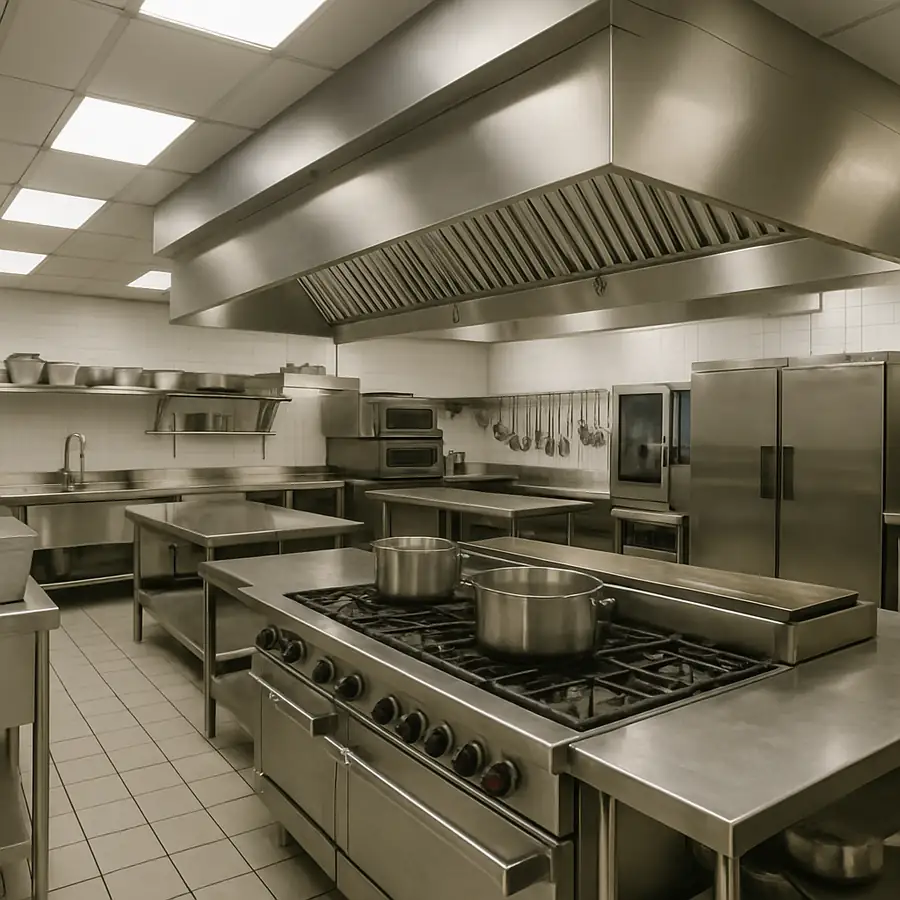
Investing in up-to-date equipment not only uplifts your menu but also boosts overall customer experience. This can lead to repeat business and higher revenues. A smartly equipped kitchen aligns with future growth adapts new market trends.
Understanding Restaurant Supply Stores: Types and What They Offer
Restaurant supply stores are essential for any commercial kitchen. They provide a vast array of products and services tailored for the foodservice industry.
Different types of supply stores cater to varying needs. Some focus on equipment, while others offer a mix of supplies, furniture, and appliances. Online platforms, brick-and-mortar stores, and wholesalers are all part of the landscape.
Stores typically offer:
- Cooking equipment (ranges, ovens)
- Refrigeration units
- Smallwares and utensils
- Sanitation supplies
- Furniture and dining essentials
Selecting the right store depends on your restaurant's specific needs. Some stores may excel in offering custom solutions, while others might specialize in quick delivery.
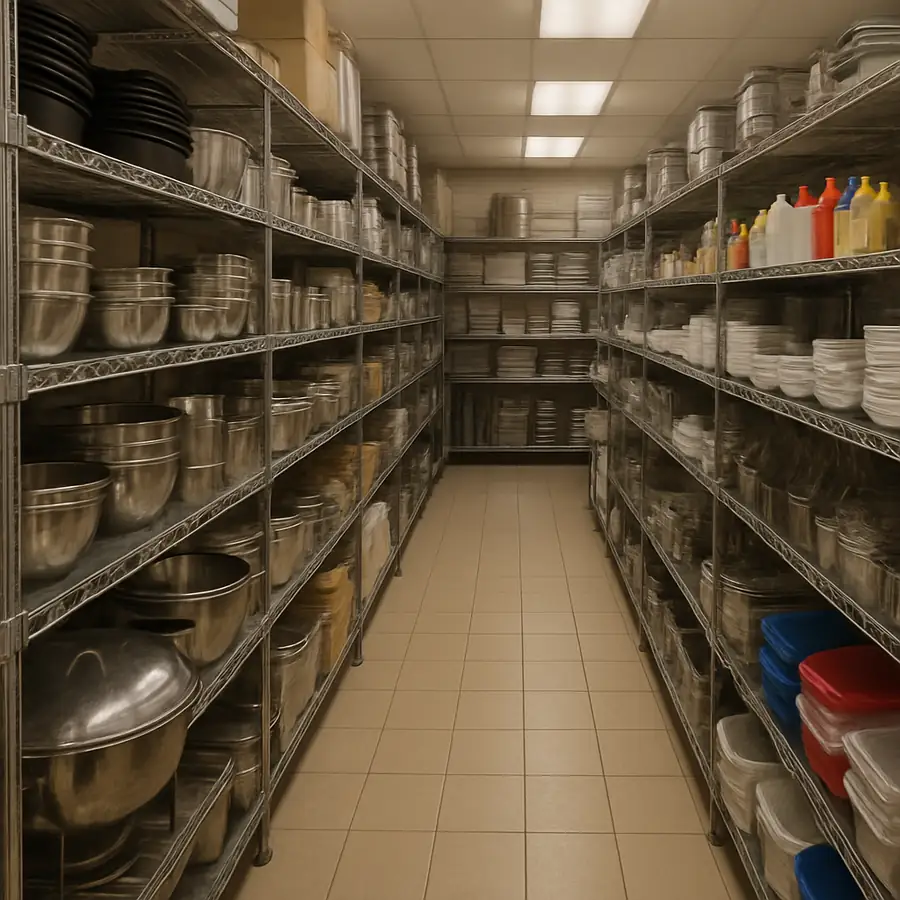
It is vital to evaluate their product range and customer service. Quality and reliability of service significantly impact your kitchen's operation. As the industry evolves, many stores now also offer consulting services and financing options, making them a one-stop solution for restaurant owners. Knowing what each store offers helps in making informed purchasing decisions.
Key Factors to Consider When Choosing a Restaurant Supply Store
Selecting the right restaurant supply store is a critical decision. A good store can streamline operations and enhance kitchen efficiency.
When evaluating options, consider the following factors:
- Product Range: Ensure the store offers a comprehensive selection of equipment and supplies.
- Quality and Durability: Research brands and inspect products for longevity.
- Customer Service: Look for responsive and knowledgeable support staff.
- Delivery and Logistics: Assess their ability to deliver quickly and efficiently.
Price is another key consideration, but it's important to balance cost with quality. Cheap equipment may save money upfront but can lead to higher maintenance costs later.
Finally, consider long-term relationships and support. Does the store offer repair services or warranties? A good supply store should act as a partner, helping your restaurant succeed over time. Taking time to evaluate these aspects ensures you select a supply store that meets both current and future needs.
Essential Restaurant Equipment for Every Commercial Kitchen
A well-equipped kitchen is the heart of any successful restaurant. It ensures smooth operations and increases staff productivity.
Every commercial kitchen needs essential equipment. Think of these essentials as the building blocks of your culinary environment.
Start with the basics: ranges, ovens, grills, and fryers are indispensable. Each plays a pivotal role in preparing meals efficiently.
Refrigeration units and freezers are crucial. They preserve ingredients and prevent spoilage, directly impacting food quality.
Another must-have is dishwashing equipment. Efficient dishwashers speed up turnover and maintain hygiene standards.
Here is a basic list of kitchen essentials:
- Cooking Equipment (e.g., stoves and grills)
- Refrigeration and Freezer Units
- Dishwashing Machines
In addition, smallwares and utensils are vital components. Items like knives, ladles, and peelers enhance daily operations.
Don't overlook ventilation systems either. They ensure air quality and safety within your kitchen environment.
Lastly, consider storage solutions for both dry and perishable goods. Maintaining an organized space is essential for inventory management.
Investing in high-quality equipment pays off long-term. It reduces maintenance costs and improves service quality, creating a thriving, efficient kitchen.
Cooking Equipment: Ranges, Ovens, Grills, and Fryers
Cooking equipment forms the backbone of your kitchen. Each piece plays a unique role in meal preparation.
Ranges offer versatile cooking solutions, suitable for a variety of cooking styles. They are essential for sauteing, boiling, and frying.
Ovens come in different types, each designed to meet specific culinary needs. From baking to roasting, ovens handle it all.
Grills are popular for adding flavor and texture, particularly in steakhouses. Meanwhile, fryers are ideal for fast food restaurants, speeding up production.
Consider these key cooking appliances:
- Gas or Electric Ranges
- Convection or Conventional Ovens
- Charbroilers or Flat-top Grills
- Deep Fryers
Choosing quality equipment is crucial. It ensures consistent performance and meets your restaurant's demands.
Proper maintenance of these pieces prolongs their lifespan. Regular cleaning and scheduled servicing minimize the risk of breakdowns.
Ultimately, having the right cooking equipment can define your menu versatility and customer satisfaction.
Refrigeration and Freezer Solutions
Proper refrigeration solutions are vital to any kitchen. They keep ingredients fresh and safe for consumption.
Choosing the right units depends on your specific needs. From reach-in coolers to walk-in freezers, variety is key.
Here are some options to consider:
- Reach-in Refrigerators
- Walk-in Coolers
- Blast Chillers
- Under-Counter Freezers
Each type has its own benefits. For instance, walk-in coolers offer more space, ideal for bulk storage.
Quality refrigeration reduces energy consumption. Energy-efficient models lower operational costs, a significant factor in budgeting.
Regular cleaning and inspections are important. They enhance efficiency and prevent costly repairs.
Dishwashing and Sanitation Equipment
Sanitation is a non-negotiable priority in restaurants. Efficient dishwashing equipment maintains hygiene and speeds up operations.
Dishwashers vary to suit different needs. Decide between under-counter units or conveyor washers depending on your volume.
Consider the following equipment options:
- Under-Counter Dishwashers
- Conveyor Dishwashers
- Glassware Washers
Selecting energy-efficient models reduces water and power use. This is crucial for managing resources effectively.
Regular maintenance ensures consistent operation. Scheduled servicing prolongs life and keeps standards high.
A clean kitchen reassures customers. It is a foundation for a positive dining experience.
Smallwares and Utensils: The Unsung Heroes
In the bustling world of a kitchen, smallwares and utensils are indispensable. They streamline operations and enhance efficiency.
Investing in quality utensils ensures durability. Items like knives and spatulas play crucial roles in meal preparation.
Here is a list of common kitchen smallwares:
- Chef Knives and Peelers
- Whisks and Tongs
- Cutting Boards and Ladles
These items, though small, affect the cooking process. Well-crafted utensils improve precision and ease of use.
Organizing smallwares boosts workflow. Dedicated storage keeps them within reach and orderly.
Never underestimate the impact of these tools. They are key to maintaining a functional, smooth-running kitchen.
Latest Trends in Restaurant Equipment for 2026
The restaurant industry evolves rapidly, and 2026 brings exciting trends. Keeping up ensures your kitchen remains competitive and efficient.
Sustainability is at the forefront. Eco-friendly equipment reduces environmental impact and appeals to eco-conscious customers.
Furthermore, automation is gaining ground. Advanced robotics and smart appliances enhance speed and precision in cooking.
Here are some notable trends:
- Eco-Friendly and Energy-Efficient Equipment
- Integration of Smart Technology
- Increasing Automation in Kitchens
Modular designs offer flexibility. They allow kitchens to adapt quickly to changing needs or spatial constraints.
Also, expect innovations in safety features. New equipment reduces risks, prioritizing staff well-being alongside performance.
Investing in these trends is strategic. They enhance operations and position your restaurant as forward-thinking.
Energy Efficiency and Sustainability in Commercial Kitchens
In 2026, energy efficiency is crucial for commercial kitchens. Operating costs decrease, and environmental impact lessens with greener choices.
Sustainable practices attract customers and staff. People favor restaurants committed to eco-friendly initiatives.
Many energy-efficient appliances are available. They optimize performance, reducing water and electricity usage.
Consider these energy-saving options:
- High-efficiency HVAC systems
- LED lighting for reduced power consumption
- Energy Star-rated kitchen appliances
Additionally, embracing sustainable supplies is vital. Compostable and recyclable materials are easily available, helping to decrease waste.
Future kitchens focus on sustainability, integrating smart solutions. Automated systems support resource conservation with minimal effort.
Health, Safety, and Compliance: What You Need to Know
Operating a commercial kitchen requires strict adherence to health and safety standards. Ensuring compliance not only protects customers but also preserves your restaurant's reputation.
Regulatory guidelines vary, so familiarizing yourself with local laws is essential. Regular inspections will help identify potential risks and rectify them promptly.
Key compliance practices include:
- Implementing comprehensive cleaning protocols
- Ensuring proper food storage temperatures
- Training staff in safe food handling procedures
Consistent staff training emphasizes the importance of compliance. Educating employees fosters a culture of safety throughout your kitchen.
Ignoring safety regulations can result in hefty fines and operational shutdowns. Therefore, maintaining high standards is imperative for every restaurant. Investing in compliance shows a commitment to quality and customer well-being.
Planning Your Kitchen Layout and Workflow
An efficient kitchen layout is crucial for smooth operations. A well-organized space enhances workflow and reduces staff fatigue.
Begin by analyzing the type of restaurant. Different cuisines may require specific setups for optimal results. Consider all aspects, from food prep areas to cooking stations.
Essential layout factors include:
- Ease of movement between stations
- Clear paths for servers and staff
- Logical placement of equipment
Planning should prioritize safety and efficiency. Adequately spaced equipment helps prevent accidents and promotes smooth service. Collaboration with kitchen staff can yield valuable insights into daily challenges.
Invest time in planning to avoid costly reconfigurations. An optimized layout fosters productivity and minimizes delays during peak hours. Ultimately, a well-thought-out kitchen design contributes significantly to a restaurant's success.
Budgeting and Financing Your Restaurant Equipment Purchases
Purchasing restaurant equipment requires careful budgeting. It's crucial to understand the costs involved in setting up a commercial kitchen.
Begin by listing all necessary equipment. Prioritize items essential for your restaurant's operation. This ensures you allocate funds effectively.
Consider financing options to ease the financial burden. Explore:
- Equipment leasing
- Business loans
- Vendor financing
Weigh the pros and cons of each option. Some methods offer tax advantages or reduce upfront costs. However, always consider the long-term financial impact.
Budgeting involves more than just initial costs. Include maintenance, energy consumption, and eventual replacement in your financial plan. A comprehensive approach ensures your kitchen remains functional without straining your resources. Proper planning helps avoid financial pitfalls and supports sustainable growth.
How to Assess Quality, Durability, and Warranties
Evaluating restaurant equipment is key to long-term success. Quality and durability directly impact kitchen efficiency and cost savings.
Begin with materials. Opt for stainless steel for its durability and resistance to corrosion. Next, consider construction. Well-built equipment withstands heavy use, minimizing repair costs.
Warranties offer peace of mind and reflect a company's confidence in their product. Key factors to assess:
- Length of the warranty period
- Coverage scope
- Reliability of customer service
Don’t overlook user reviews and expert opinions when assessing equipment. They provide insights into real-world performance and potential issues. Lastly, consider brand reputation. Established brands often mean higher quality and better support. Thorough evaluation ensures you invest in equipment that stands the test of time.
Sourcing, Negotiating, and Managing Supplier Relationships
Establishing strong supplier relationships is crucial for a restaurant's seamless operations. It begins with sourcing reliable suppliers who offer high-quality products consistently.
When negotiating, always aim for win-win outcomes. Strive to balance cost reductions with value additions. Be transparent about your needs and budget to build trust.
Effective supplier management extends beyond transactions. Regular communication strengthens the partnership and keeps both parties informed. Consider these tips:
- Schedule regular review meetings
- Provide feedback constructively
- Stay open to new deals and innovations
Maintaining a good rapport with suppliers ensures timely delivery and access to exclusive deals. It's a strategic move that contributes to sustained growth and operational efficiency for your restaurant.
Inventory Management and Digital Solutions
Efficient inventory management is a vital aspect of running a successful restaurant. It helps minimize waste and optimize ordering processes. Implementing digital solutions can greatly enhance this task.
Technology offers comprehensive tools for inventory tracking, ensuring real-time accuracy and streamlined operations. Digital platforms can alert you to low stock levels and suggest reorder points. Consider exploring these features:
- Automated inventory tracking
- Real-time updates and alerts
- Integration with other systems
These digital tools contribute to reducing errors and improving profit margins. By utilizing technology, you gain better control over your inventory, which directly impacts your kitchen's efficiency and service quality. Embrace these advancements to stay ahead in the competitive food service landscape.
Maintenance, Servicing, and Equipment Lifecycle
Regular maintenance of restaurant equipment is crucial for its longevity and performance. Neglect can lead to frequent breakdowns and costly repairs. Establishing a routine servicing schedule helps prevent this.
Understanding the equipment lifecycle assists in planning for replacements. Knowing when to upgrade ensures your kitchen operations stay uninterrupted. Pay attention to the following:
- Routine checks and cleaning
- Scheduled professional servicing
- Monitoring equipment performance
Consistent maintenance not only extends the lifespan of your tools but also enhances safety and efficiency. This proactive approach can save you both time and money in the long run. Prioritize servicing for a successful and smoothly running commercial kitchen.
Customization, Scalability, and Future-Proofing Your Kitchen
Tailoring your equipment to your restaurant's unique needs can boost efficiency and improve workflow. By prioritizing customization, you align tools with daily operations. This can enhance staff productivity and kitchen performance.
Scalability is key for future growth. Select equipment that can easily expand or adapt to increased demand. Consider appliances and layouts that can accommodate changes without major overhauls.
Future-proofing involves planning for evolving technology and industry standards. Invest in versatile equipment and be open to innovation. Focus on:
- Multi-use appliances
- Modular designs
- Upgradeable technology
By considering customization, scalability, and future trends, you ensure your kitchen remains competitive and ready for any challenge.
Opening a New Restaurant: Step-by-Step Equipment Checklist
Opening a new restaurant requires careful planning and organization. A well-thought-out equipment checklist can make the setup process smoother. Start by identifying your restaurant’s concept and cuisine, which will guide your equipment needs.
Begin with essential large appliances. Ensure you have the basics to support your menu and cooking style. This includes ranges, ovens, and refrigeration units.
Large Appliances Checklist
- Commercial ranges and ovens
- Grills or fryers
- Refrigeration and freezer units
- Dishwashers and sanitation systems
Next, focus on smallwares and utensils that support kitchen operations. These items might seem minor but play a crucial role. They help in maintaining kitchen efficiency and service speed.
Smallwares and Utensils Checklist
- Pots, pans, and baking sheets
- Knives and cutting boards
- Measuring cups and spoons
- Serving utensils and plates
By following this checklist and adapting it to your specific needs, you ensure your kitchen is well-equipped from the start. A strategic approach to sourcing and procurement can set a strong foundation for your restaurant.
Why Restaurant Owners Choose The Horeca Store
The Horeca Store is a complete restaurant supply destination offering commercial kitchen equipment and foodservice essentials for restaurants, cafés, hotels, bakeries, catering businesses, and cloud kitchens. From cooking appliances and refrigeration equipment to crockery, kitchen tools, storage solutions, disposable packaging, and restaurant supplies, we provide everything needed to build and operate a professional kitchen.
With a focus on quality products, competitive pricing, and dependable service, The Horeca Store helps foodservice professionals simplify their purchasing process. Whether you are launching a new restaurant or upgrading your existing operation, our wide product selection and industry-focused solutions make it easier to create an efficient and well-equipped kitchen.
Conclusion: Building a Successful, Efficient, and Sustainable Commercial Kitchen
Creating a thriving restaurant kitchen in 2026 involves more than just choosing equipment. It requires thoughtful planning and an understanding of both current trends and future needs. Every decision from equipment selection to layout design impacts your kitchen's efficiency and sustainability.
Investing in quality equipment enhances productivity and reduces long-term costs. By focusing on energy-efficient and sustainable solutions, you not only cut expenses but also support eco-friendly practices. These measures are crucial for modern businesses and resonate well with conscientious consumers.
Always stay informed about the latest innovations and industry standards. Continuous learning and adaptation are key to maintaining a successful operation. With the right approach, your commercial kitchen can become a cornerstone of your restaurant's success, today and beyond.