
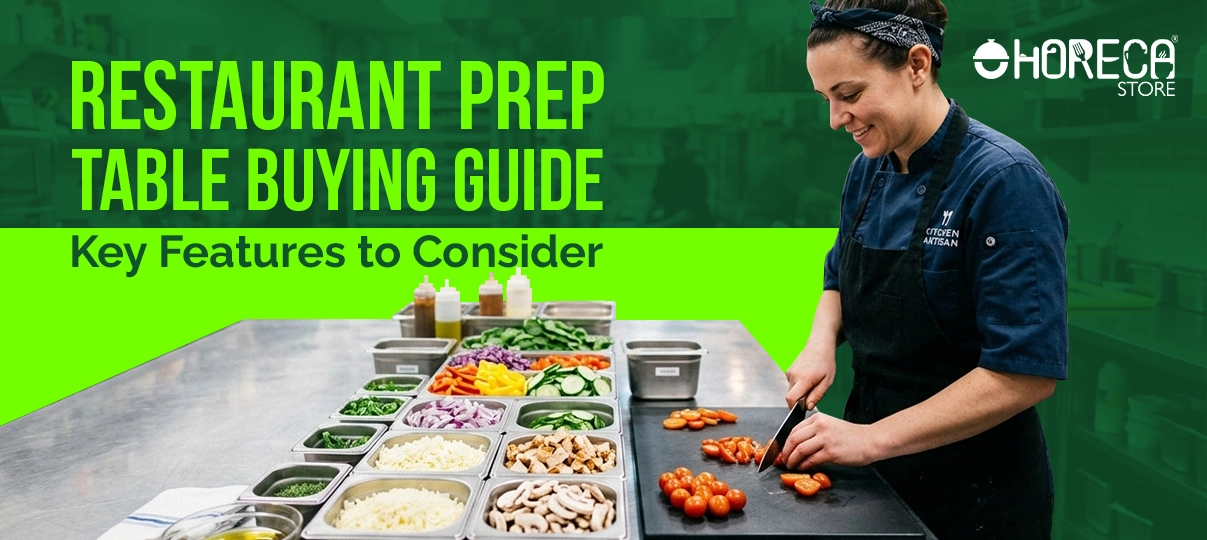
Choosing the right prep table is crucial for any restaurant. It impacts food preparation efficiency and safety.
A well-selected prep table can streamline kitchen operations. It ensures ingredients are fresh and easily accessible.
This guide will help you navigate the options available. You'll learn about key features and considerations.
Understanding food safety standards is essential. Prep tables must meet these standards to prevent contamination.
Refrigerated prep tables are popular for keeping ingredients at optimal temperatures. They are vital for maintaining freshness.
Stainless steel prep tables offer durability and ease of cleaning. They are resistant to corrosion, ideal for busy kitchens.
Size and storage capacity are important factors. They affect how well a prep table fits into your kitchen space.
Material choice impacts the table's longevity and maintenance needs. Stainless steel is a top choice for many.
Temperature control is another critical feature. It ensures food safety and quality during preparation.
Ergonomics and workflow efficiency should not be overlooked. A well-designed table can enhance staff comfort and productivity.
Consulting with restaurant equipment suppliers can provide valuable insights. They can help you find the best prep table for your needs.
Why Prep Tables Matter in a Commercial Kitchen
In the fast-paced world of commercial kitchens, prep tables are indispensable. They serve as the backbone of food preparation operations.
Prep tables enhance efficiency by providing a dedicated workspace. Chefs and staff can perform tasks with speed and precision.
Food safety is a top priority in any restaurant. Proper prep tables help maintain hygienic conditions necessary to meet health regulations.
A good prep table can reduce clutter and organize ingredients. This setup saves valuable time and improves workflow.
There are several benefits to using the right prep table:
- Streamlines food preparation processes
- Maintains food safety standards
- Organizes kitchen tools and ingredients
- Enhances overall kitchen efficiency
- Supports hygienic and sanitary practices
Investing in a suitable prep table also boosts productivity. It allows seamless movement and access to essentials, reducing downtime.
The right prep table can impact staff morale too. Employees appreciate tools that make their tasks easier and more efficient.
Kitchen layout and design play roles in prep table effectiveness. A well-placed table can significantly enhance space utilization.
Prep tables come in varied styles and functionalities. Choosing the right type can cater to specific kitchen needs and cuisines.
In conclusion, prep tables are more than mere surfaces. They are vital equipment that supports the restaurant's success.
Types of Restaurant Prep Tables
Selecting the right prep table depends on various factors. Understanding different types can guide your decision.
Prep tables come in various configurations to suit diverse kitchen needs. Each type offers unique benefits for particular cooking styles.
Some common types of restaurant prep tables include:
- Standard Prep Tables: Ideal for basic prep tasks without refrigeration.
- Refrigerated Prep Tables: Essential for keeping ingredients at safe temperatures.
- Pizza Prep Tables: Specifically designed for pizzerias with a spacious surface and refrigerated drawers.
- Salad Prep Tables: Equipped with compartments for organizing various fresh ingredients.
- Sandwich Prep Tables: Includes pans for sandwich materials and cutting boards.
Refrigerated prep tables are popular in many kitchens. These tables maintain ingredient freshness while meeting strict food safety requirements.
Durability and ease of cleaning are crucial for commercial environments. Stainless steel is a common choice due to its robust qualities.
Choosing the right prep table improves workflow efficiency. It is crucial to evaluate specific kitchen needs when making a selection.
Tables with customizable features offer flexibility. These can include adjustable shelving, additional storage, or even integrated cutting surfaces.
Commercial kitchens vary greatly, so tailored solutions often work best. Consult with industry experts to find the most suitable options.
The investment in a proper prep table pays off in the long run. It enhances productivity and ensures a smoother operation.
Refrigerated Prep Tables
Refrigerated prep tables are essential for many busy kitchens. They combine food prep surfaces with cooling capabilities in one unit.
These tables are particularly beneficial for kitchens that require fresh ingredients. Their built-in refrigeration maintains produce quality and safety.
Selecting the right refrigerated prep table depends on kitchen size. Ensure the model fits both the kitchen layout and operational needs.
Most refrigerated tables are designed with convenience in mind. Common features include easy-access storage compartments and cutting surfaces.
Key benefits of refrigerated prep tables include:
- Safe storage: Keeps ingredients at regulated temperatures to prevent spoilage.
- Efficiency: Provides convenient access to chilled items during preparation.
- Versatility: Suitable for various food types, including salads, sandwiches, and pizzas.
Energy efficiency is another important consideration. Models with advanced cooling systems can reduce operational costs significantly.
Proper temperature control ensures compliance with food safety standards. It's crucial to regularly check and maintain the table's temperature settings.
Refrigerated prep tables often have self-closing doors and magnetic gaskets. These features enhance energy efficiency and minimize temperature fluctuations.
Choosing a reliable brand can make a difference. Durable and energy-efficient models often prove more cost-effective over time.
Stainless Steel Prep Tables
Stainless steel prep tables are a staple in commercial kitchens. Their durability and sleek appearance make them a popular choice.
These tables provide a versatile working surface. Whether it's cutting, mixing, or plating, stainless steel tables handle it all.
Their resistance to heat and corrosion ensures longevity. This makes them ideal for rigorous restaurant environments.
Cleaning stainless steel is straightforward. A simple wipe can remove spills, making them a hygienic option.
Advantages of stainless steel prep tables include:
- Durability: Withstands heavy use without damage.
- Hygiene: Easy to clean, reducing the risk of cross-contamination.
- Aesthetics: Offers a professional look to any kitchen space.
These tables are often customizable. Add-ons like shelves or sink units can enhance their functionality in a kitchen.
Size and storage options vary widely, providing flexibility for different kitchen spaces. Evaluate the specific needs before selecting a table size.
Some stainless steel tables come with sound-deadening features. These reduce noise when working with kitchen tools or heavy items.
Investing in high-quality stainless steel tables means fewer replacements. A well-maintained table can last for many years.
In conclusion, stainless steel remains a top choice for many. Its practicality and resilience make it an excellent investment.
Key Features to Consider When Buying a Prep Table
When selecting a prep table, several critical features deserve attention. Each factor can significantly impact your kitchen's efficiency and safety.
Size and Storage Capacity: Determine how much prep space is needed and the table's footprint. The right size keeps operations smooth.
Consider the storage under and above the table. Additional shelves and compartments can maximize utility without clutter.
Material and Durability: Choose robust materials that withstand daily use. Stainless steel is popular for its durability and hygiene benefits.
Look for corrosion-resistant and easy-to-clean surfaces. The table's longevity is directly linked to its construction quality.
Temperature Control and Food Safety Standards: Refrigerated tables should maintain consistent temperatures. Compliance with food safety standards is essential.
Safety certifications, like NSF, ensure the table meets hygiene regulations. Proper temperature control prevents foodborne illnesses.
Ergonomics and Workflow Efficiency: Ergonomic designs reduce strain on staff. Consider table height and layout for optimal comfort.
A well-designed prep table enhances workflow efficiency. It should complement other kitchen stations and create a seamless operation.
Customization Options: Some tables allow for added features. These could include built-in cutting boards or ingredient bins.
Consider tables that can adjust to suit specific kitchen needs. Custom options often provide long-term value.
Prioritize features that align with your restaurant's demands. Choose a table that improves productivity, maintains hygiene, and supports the team.
Size and Storage Capacity
When selecting a prep table, size is paramount. It should fit within the kitchen space without hindering movement.
Measure the area where the table will be placed. Leave enough room for staff to navigate freely around it.
Ensure the table offers adequate work surface space. Sufficient room for cutting, mixing, or plating is crucial.
Beyond dimensions, consider storage capacity. Under-table shelving or compartments increase functionality without needing extra space.
Opt for tables with customizable storage options. Added shelves or removable bins can enhance efficiency.
Evaluate the types of prep work conducted. Different tasks might require varying surface areas or storage needs.
Typical storage features to look for include:
- Drawers and bins: Ideal for keeping utensils or ingredients organized.
- Under-table shelving: Provides additional storage without sacrificing workspace.
- Adjustable features: Allow for customizing the table to specific tasks.
Choosing the right size and storage options contributes to smooth kitchen operations. The table should feel like an integral part of the setup, not an obstacle.
Material and Durability
The choice of material impacts the table's longevity. Stainless steel tables are a reliable option for durability and hygiene.
They resist corrosion and handle heat well, making them ideal for busy kitchens. This durability minimizes long-term maintenance expenses.
Ease of cleaning is crucial for preventing cross-contamination. Smooth surfaces simplify sanitation tasks, reducing cleaning time.
Some materials are prone to chipping or cracking. Choose those that retain their appearance and function after heavy use.
Durability in harsh conditions is important. Tables in high-humidity areas need more resistant materials.
Consider investing in tables with reinforced construction. Solid legs and braces prevent wobbling and extend the table's life.
Benefits of durable materials include:
- Longevity: Withstands frequent use without needing replacement.
- Safety: Strong construction reduces the risk of accidents.
- Aesthetic appeal: Maintains a clean and professional look.
Selecting the right material ensures the table's lasting performance. A durable table supports a productive and safe cooking environment.
Temperature Control and Food Safety Standards
Refrigerated prep tables need consistent temperature control. This keeps ingredients fresh and safe for consumption.
Many models have digital displays for precise monitoring. Regularly check these settings to maintain optimal conditions.
Ensure the table meets food safety standards. Certifications like NSF signify the equipment complies with hygiene regulations.
Compliance is crucial in preventing food contamination. Properly chilled ingredients minimize the risk of bacteria growth.
Temperature control features to prioritize include:
- Adjustable thermostats: Allow for precise temperature settings.
- Even cooling distribution: Ensures all ingredients remain at safe temperatures.
- Alarms or alerts: Warn of any fluctuations outside safe ranges.
Following food safety guidelines protects your customers. It also ensures the longevity of stored ingredients.
Regular maintenance of cooling systems is necessary. Clean coils and fans as needed to enhance efficiency and reliability.
Selecting a table with strong temperature control safeguards against safety issues. It is an essential investment for any food service establishment.
Ergonomics and Workflow Efficiency
Ergonomics play a vital role in kitchen design. Prep tables should support comfortable and efficient work for staff.
Consider tables with adjustable heights. This feature can accommodate different tasks and reduce physical strain on workers.
Space around the table impacts workflow. Ensure there's ample room for staff to move and interact with other stations.
Layout is crucial for workflow efficiency. Place tables near related equipment, such as ovens or sinks, for a streamlined process.
Features that enhance ergonomics include:
- Rounded edges: Prevent injuries and offer comfort.
- Adjustable features: Tailored heights or extensions suit various tasks.
- Well-placed storage: Keeps essential items within easy reach.
A well-planned setup reduces staff fatigue and improves productivity. This efficiency translates into faster service and increased satisfaction.
Invest in tables that promote a healthy work environment. Thoughtful design choices contribute to a positive, efficient kitchen atmosphere.
A focus on ergonomics and layout ensures staff operate at their best. The right table setup is pivotal to maintaining kitchen harmony.
Additional Features and Customization Options
Modern prep tables often come with additional features and customization options. These can significantly enhance kitchen operations and workflow.
Custom features allow the table to adapt to specific needs. Think about added functionalities that could benefit your kitchen tasks.
Some tables offer integrated cutting boards. This feature reduces the need for extra prep surfaces, optimizing space and efficiency.
Consider tables with ingredient bins under the work surface. This design keeps necessary items easily accessible during busy periods.
Adjustable shelving and drawers are also available. This flexibility enables more organization and quicker access to tools and ingredients.
Popular Additional Features and Customization Options Include:
- Built-in cutting boards: Provide convenience for chopping and slicing tasks.
- Ingredient bins: Allow for quick and easy access to frequently used items.
- Adjustable shelving: Offers storage customization to suit varying needs.
- Integrated heating or cooling: Maintains appropriate temperatures for different ingredients.
Customizing your prep table can also cater to specific menu items. For example, pizza prep tables often include refrigerated sections for toppings.
Consult with restaurant equipment suppliers to explore available options. They can advise on the best configurations for your culinary needs.
When selecting custom features, consider your kitchen's workflow and space constraints. The right features can transform a standard prep table into a central hub for efficiency.
Investing in a table with the right mix of features saves time and maximizes productivity. It makes your kitchen adaptable and prepares it for any culinary challenge.
Energy Efficiency and Cost Considerations
Energy efficiency is crucial for commercial kitchens. Efficient prep tables can significantly reduce operating costs and environmental impact.
Look for models with Energy Star ratings. These tables are designed to minimize power consumption while maintaining performance standards.
Selecting the right prep table involves balancing initial costs with long-term savings. Energy-efficient models may have a higher upfront cost but save money over time.
Key Considerations for Energy Efficiency and Cost Include:
- Energy Star ratings: Ensure lower energy use without sacrificing effectiveness.
- Initial vs. long-term cost: Consider initial expense and potential savings in energy bills.
- Maintenance costs: Regular upkeep can affect both energy consumption and lifespan.
Efficient temperature control systems can lower energy costs. Models with advanced insulation keep internal temperatures stable, reducing the workload on cooling systems.
Consider the maintenance requirements of your chosen model. Keeping the table in peak condition ensures ongoing energy efficiency and can extend its life.
Consult with restaurant equipment suppliers to understand different models' energy credentials. Their expertise can guide informed purchasing decisions.
Ultimately, choosing an energy-efficient prep table is both an economical and environmental choice. It supports sustainable kitchen operations and long-term profitability.
Maintenance, Cleaning, and Hygiene
Proper maintenance of prep tables is vital. It ensures durability and continued high performance in a busy kitchen environment.
Regular cleaning helps maintain food safety standards. It prevents contamination and contributes to overall kitchen hygiene.
Set a regular cleaning schedule. This should include daily surface cleaning and deeper weekly or monthly tasks for hard-to-reach areas.
Essential Maintenance and Cleaning Tips:
- Daily cleaning: Wipe surfaces with sanitized cloths or sprays.
- Weekly tasks: Disassemble removable parts for thorough cleaning.
- Regular inspection: Check for wear and tear on seals and components.
Monitor for damage or wear, as this affects performance. Promptly replace any damaged parts to prevent further issues.
Keep detailed records of maintenance activities. This helps track the condition of equipment and foresee potential repair needs.
Hygiene practices extend beyond cleaning. Ensure employees are trained in proper sanitation techniques and food handling procedures.
A well-maintained table fosters a healthy kitchen environment and supports food safety. It ultimately enhances both operational efficiency and quality.
Choosing the Right Restaurant Equipment Supplier
Selecting a reliable restaurant equipment supplier is a crucial step. Your supplier influences both the quality and cost of your prep tables.
A reputable supplier offers a broad range of options. They cater to various needs and budgets without compromising on quality.
Research potential suppliers thoroughly. Evaluate their reputation in the food service industry and check customer reviews.
Factors to Consider in a Supplier:
- Range of products: Diverse options for different kitchen needs.
- Customer support: Responsive and helpful service staff.
- Warranty and support services: Clear policies for repairs and replacements.
Ensure they provide comprehensive support, including after-sales service. It's important to have quick assistance if equipment issues arise.
Consider suppliers with NSF-certified products. This ensures compliance with health and safety standards, giving peace of mind.
The right supplier partnership helps optimize kitchen operations. It contributes to the seamless functioning of your establishment over time.
Find the Right Restaurant Prep Table at The Horeca Store
Selecting the right prep table is essential for improving workflow, maintaining food safety, and maximizing efficiency in any commercial kitchen. The Horeca Store offers a wide range of commercial prep tables, including refrigerated prep tables, pizza prep tables, sandwich prep stations, and stainless steel work tables for restaurants, cafés, hotels, bakeries, cloud kitchens, and catering businesses. Our products are sourced from trusted commercial brands to deliver reliable performance, durability, and efficient food preparation.
Whether you're opening a new restaurant or upgrading your kitchen, The Horeca Store provides expert guidance to help you choose a prep table that fits your menu, workspace, and storage requirements. With competitive pricing, premium-quality equipment, and dependable customer support, we make it easy to invest in commercial prep tables that streamline kitchen operations, improve productivity, and support long-term business success.
Conclusion
Selecting the perfect prep table involves many considerations. A well-chosen table enhances efficiency and maintains hygiene, crucial for a thriving kitchen. Prioritizing key features will ensure the table meets both current and future needs.
From size to material, each aspect plays a role in optimizing food prep. Refrigerated prep tables are vital for freshness, while stainless steel prep tables offer durability and easy cleaning. Both are essential components of effective food preparation equipment.
Choosing the right restaurant equipment supplier ensures quality and support. Trusted suppliers guarantee you receive reliable equipment that complies with food safety standards. Making informed decisions results in long-term benefits for both the kitchen and overall business success.