
Opening a restaurant is exciting-until you realize your “kitchen equipment list” is really a hundred small decisions that affect speed, food quality, safety, and costs for years. The goal of this post is to give you a practical, real-world restaurant kitchen equipment list you can adapt to any concept-plus smart buying guidance, layout notes, and maintenance habits that keep downtime low.
Start Here: What Equipment Does a Restaurant Need (Really)?
Before you buy anything, get clear on four things:
- Menu + volume (your top 20 selling items and peak-hour covers)
- Service style (counter service, full service, catering, delivery-only)
- Space + utility limits (gas vs electric, ventilation, floor drains, power)
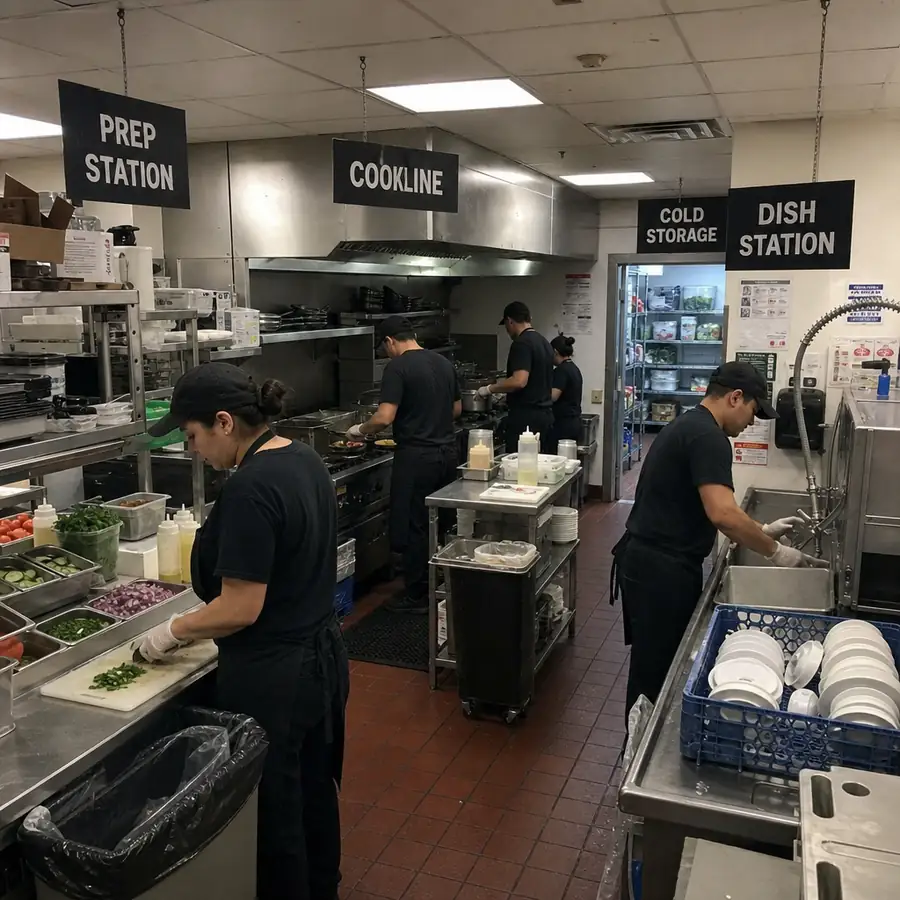
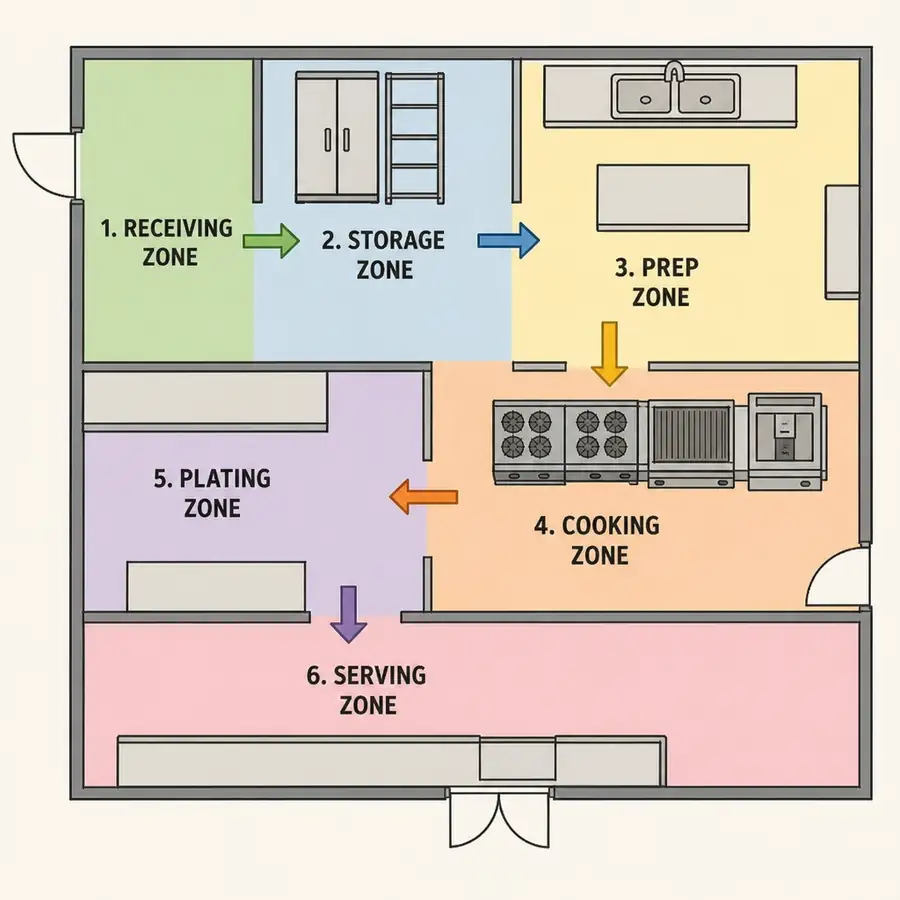
- Workflow (receiving -> storage -> prep -> cook/assemble -> pass -> dish)
This prevents the classic mistake: buying shiny gear that doesn’t match your ticket times or your line’s flow. If you’re wondering how to set up a commercial kitchen, the “right” answer is always: design around your menu, then buy to support that design.
Commercial Kitchen Layout Planning (The Zones You Must Cover)
Good commercial kitchen layout planning is less about fancy CAD drawings and more about clean zones and short steps.
Core zones in almost every layout:
- Receiving + storage: dry, refrigerated, frozen
- Prep: tables, sinks, cutting, smallwares
- Cookline / hot production: ranges, ovens, fryers, griddles
- Cold production: salad/sandwich station, make line, reach-ins
- Service / pass: heat lamps, shelving, POS integration as needed
- Warewashing: dish machine, 3-comp sink, drying and storage
- Waste + cleaning: mop sink, chemical storage, trash staging
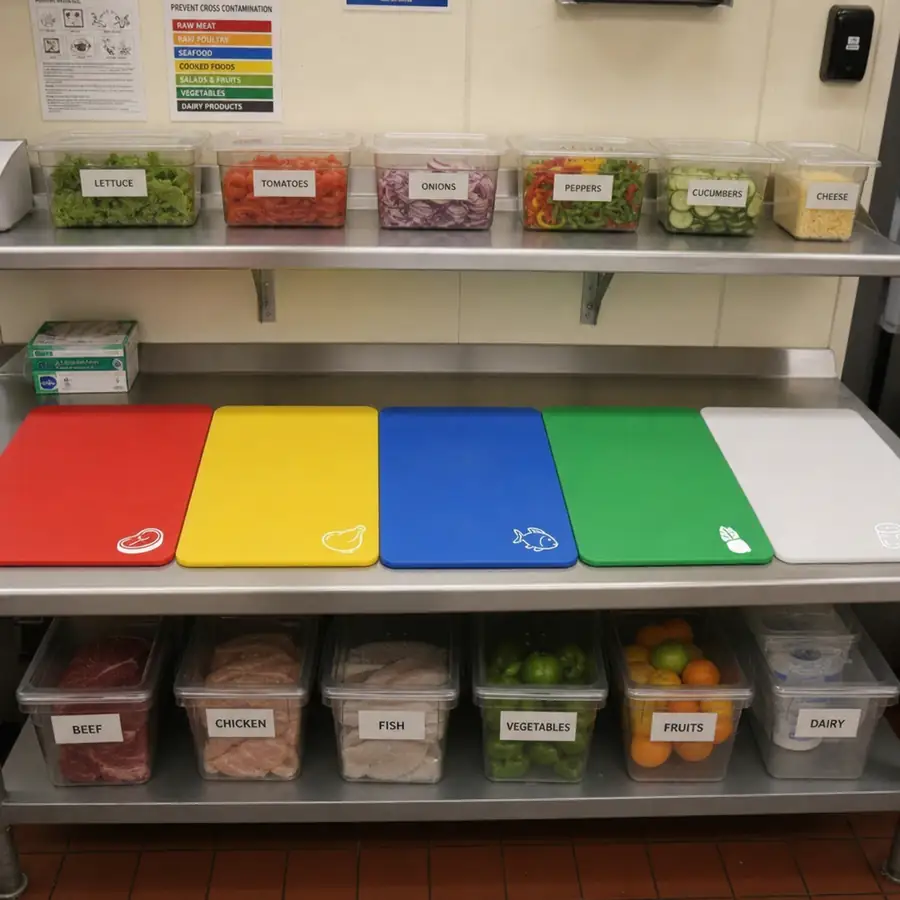
Tip: Keep raw protein prep physically separated from ready-to-eat assembly whenever possible. It improves food safety and reduces “line chaos.”
Restaurant Kitchen Equipment List: The Master Checklist (By Category)
Use this as your commercial kitchen equipment checklist. Not every concept needs every item, but most need a version of each category.
1) Storage & Shelving (Dry, Cold, and Security)
Dry storage:
- NSF-rated metro shelving (adjustable)
- Ingredient bins (flour/sugar) with scoops
- Dunniage racks (keep product off the floor)
- Lockable cabinets (alcohol, knives, chemicals)
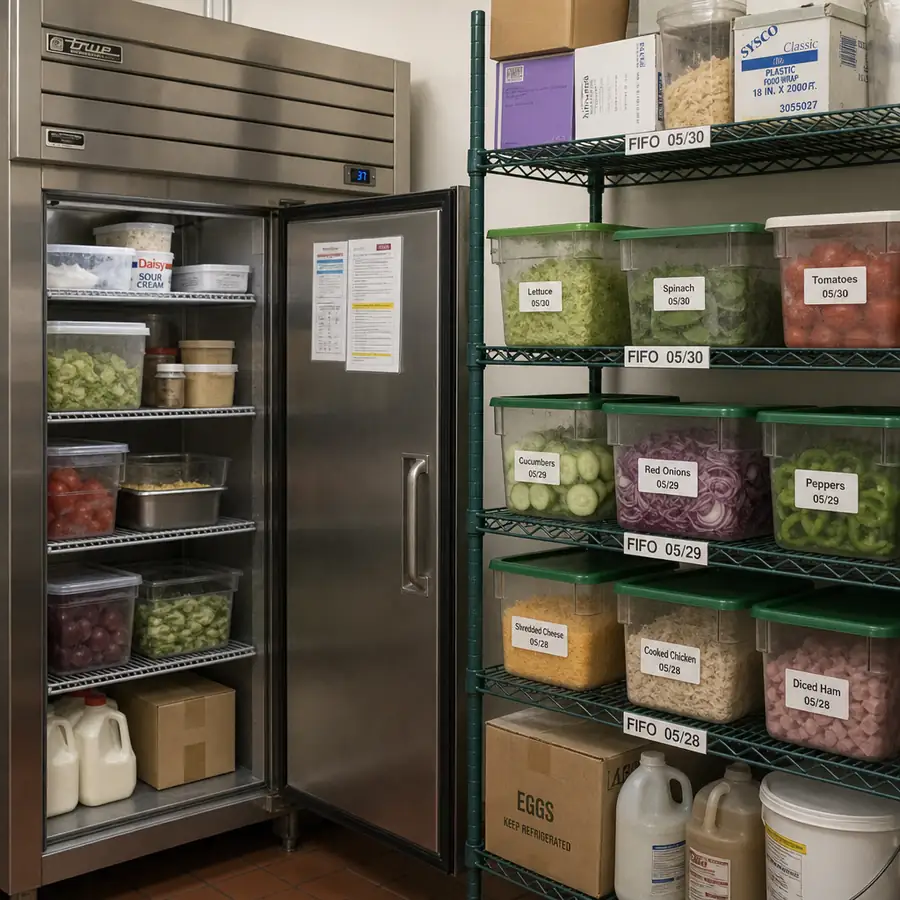
Cold storage (the backbone of speed + safety):
- Reach-in refrigerator(s)
- Reach-in freezer(s)
- Walk-in cooler/freezer (for higher volume concepts)
- Undercounter refrigerator drawers (line efficiency)
- Prep table fridge (for make lines)
If you’re shopping for the best commercial refrigeration units, prioritize:
- Reliability of service network
- Door seal quality and hinge strength
- Easy-to-clean condenser access
- Realistic cubic capacity (don’t overstuff)
Also, energy efficient commercial appliances in refrigeration often pay back faster than you’d expect because they run 24/7.
2) Prep Equipment (The Quiet Workhorses)
Surfaces + organization:
- Stainless prep tables (with undershelves)
- Cutting boards + board racks (color-coded)
- Speed racks for sheet pans
- Wall shelving for daily-use tools
Sinks and wash stations:
- Hand sink(s) with soap/towel dispensers
- Prep sink (vegetable wash, thawing as allowed)
- Dedicated mop sink (often required)
Core prep machines (choose based on menu):
- Food processor
- Planetary mixer (bakery/pizza/pasta concepts)
- Immersion blender
- Blender (bar, smoothies, sauces)
- Meat slicer (deli, sandwich shops-only if you’ll use it daily)
- Vacuum sealer (sous vide, portioning, waste reduction)
- Digital portion scale(s)
This is where your commercial kitchen supplies intersect with speed. A well-chosen prep setup can reduce labor hours more than an extra oven ever will.
3) Cookline Equipment (Hot Side Essentials)
Your cookline should be built from your menu “verbs” (grill, fry, bake, sauté, steam), not from what other restaurants buy.
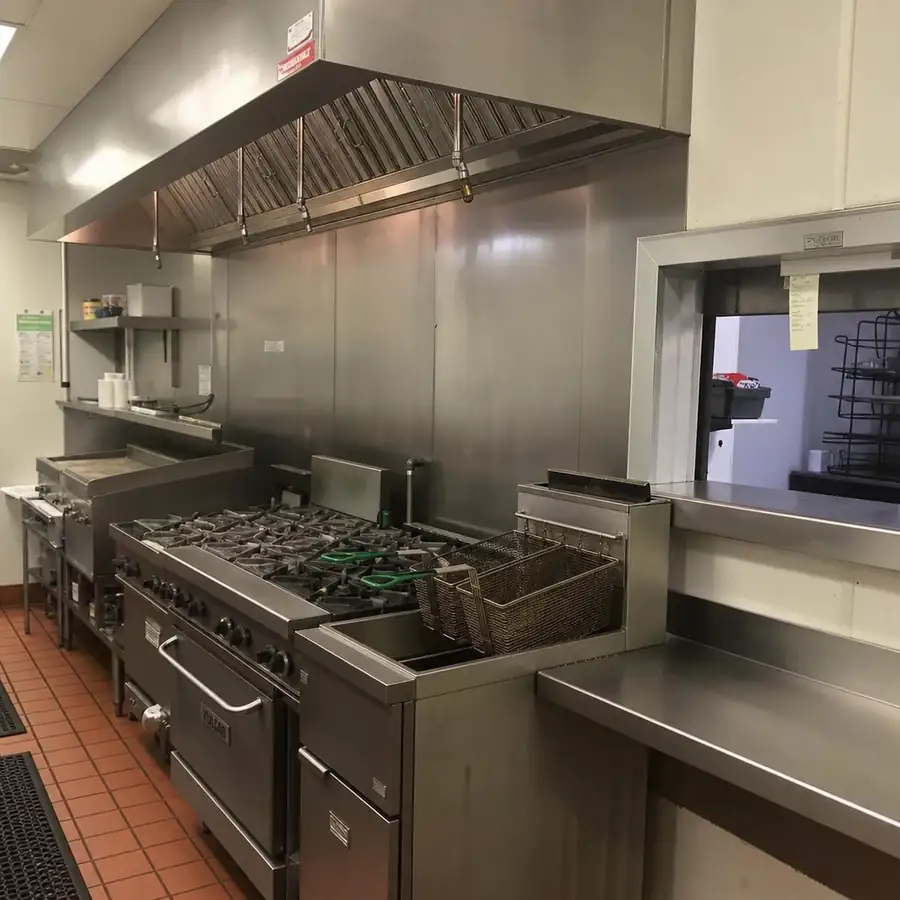
Typical hot-side equipment options:
- Commercial range (2-10 burners)
- Convection oven (often the best value per square foot)
- Combi oven (high versatility: steam + bake + roast)
- Griddle (breakfast, burgers, sandwiches)
- Charbroiler (steaks, kebabs, flame flavor)
- Deep fryer(s) (single or battery)
- Stock pot range (soups, sauces, pasta)
- Steam table / hot holding cabinet
- Rice cooker / warmer (many concepts benefit)
- Salamander/broiler (melts, finishing, browning)
- Tilting skillet (high-volume sauté, braise, sauces)
- Induction burners (flex stations, catering, low heat-load)
Ventilation + fire suppression (non-negotiable):
- Type I hood (for grease/smoke)
- Make-up air system (keeps kitchen breathable)
- Fire suppression system + inspections
If you’re trying to reduce heat and costs, prioritize energy efficient commercial appliances like induction, high-efficiency fryers, and smart combi programs.
4) Cold Line & Assembly (Speed During Rush)
For many restaurants, the cold line is where ticket times are won or lost.
Common cold-line equipment:
- Refrigerated prep table (sandwich/salad/pizza rails)
- Cold well / ingredient rail pans
- Undercounter fridges for backup mise en place
- Cold display case (cafés, bakeries, grab-and-go)
Speed tip: Place your most-used ingredients between waist and chest height. Bending + reaching kills throughput.
5) Dishwashing & Warewashing (Where Kitchens Either Win or Suffer)
A well-designed dish area is essential for sanitation and smooth service.
Warewashing essentials:
- 3-compartment sink with drainboards
- Commercial dishwasher (undercounter, door-type, or conveyor)
- Glasswasher (bars)
- Dish racks (plates, glass, flatware), carts
- Pre-rinse sprayer
- Drying racks / shelving
- Grease trap (as required)
- Water heater capacity matched to machine specs
Tip: Don’t undersize dish. If dish falls behind, the whole restaurant falls behind.
6) Smallwares: The Kitchen Tools List That Matters
This kitchen tools list is where budgets creep-because each item is cheap, but you need dozens.
Essential restaurant kitchen tools (core set):
- Chef knives, paring knives, serrated knives
- Knife storage (magnetic strip or knife rack)
- Tongs (multiple lengths), fish spatulas, turners
- Ladles, skimmers, whisks, wooden spoons
- Bench scrapers, bowl scrapers
- Measuring cups/spoons, cambro scoops
- Instant-read thermometers + probe thermometers
- Timers (multiple)
- Microplanes, peelers, zesters
- Strainers, chinois, colanders
- Mixing bowls, sheet pans, hotel pans, inserts
- Sauté pans, stock pots, sauce pots
- Cutting boards (color-coded), sanitizing buckets
- Piping bags + tips (if pastry/dessert plating)
- Squeeze bottles, deli containers, labels
Pro tip: Standardize pan sizes and container systems. Your future self will thank you during inventory and prep.
7) Food Storage Containers, Labeling, and Inventory Tools
This category quietly drives food safety and waste control.
- Cambros / square containers (stackable)
- Deli containers (8/16/32 oz)
- Lid standardization (reduce “orphan lids”)
- Day-dot labels + permanent markers
- FIFO shelf tags
- Allergen labeling system (if you handle common allergens)
- Portion bags/film/foil/parchment
- Racks and bins for onions, potatoes, produce
8) Restaurant Kitchen Safety Equipment (Must-Haves)
Safety equipment isn’t optional, and it protects your people, guests, and business.
Restaurant kitchen safety equipment checklist:
- Class K fire extinguisher (kitchen)
- ABC extinguishers (general areas)
- Fire suppression (hood system)
- First aid kit + burn kit
- Slip-resistant floor mats (as needed)
- Cut-resistant gloves
- Heat-resistant gloves / mitts
- Eye wash station (if required/appropriate)
- Chemical spill kit and labeled chemical storage
- “Wet floor” signs
- Thermometer calibration tools
Add safety into your SOPs-not just your purchases.
9) NSF Certified Equipment Requirements (How to Avoid Costly Mistakes)
Many health departments and inspectors expect food-contact and food-zone items to be certified or equivalent to recognized sanitation standards.
NSF certified equipment requirements (practical guidance):
- Prioritize NSF (or equivalent) for:
- Food-contact equipment (prep tables, sinks, shelving in food areas)
- Refrigeration used for open food
- Dishwashing equipment
- Keep spec sheets and manuals in a binder (or digital folder)
- Avoid residential gear in commercial kitchens-repairs, sanitation, and durability become nightmares
Always confirm local code requirements before purchasing.
Equipment Lists by Restaurant Type (Every Setup)
Below are “starter packs” you can use to tailor your restaurant kitchen equipment list without buying everything at once.
Small Restaurant Kitchen Equipment Ideas (Tight Space, Big Output)
When space is limited, go for multi-use equipment and compact footprints.
Great choices for small kitchens:
- Undercounter refrigeration + worktop combos
- Convection oven (high versatility)
- Combi oven (if you can afford it and will use it)
- Induction burners for flex stations
- Countertop fryer (for low volume)
- Prep table with refrigerated rail (make line)
- Wall-mounted shelves + hanging utensil rails
Layout tip: Keep your prep and pass extremely tight, and push bulk storage to a back room if possible.
Fast Casual / Sandwich / Salad Concept
Core equipment:
- Refrigerated prep tables with rails (primary workstation)
- Slicer (only if you slice daily)
- Panini press or griddle
- Rapid-cook oven (optional, concept-dependent)
- Ice machine + beverage system
- High-capacity refrigeration backups (reach-ins)
Tools that move the needle:
- Portion scales, scoops, standardized ladles
- Labeling + prep charts to reduce remake waste
Full-Service Restaurant (Classic Line)
Core equipment:
- Range + convection ovens
- Fryer battery
- Griddle or charbroiler (menu-driven)
- Hot holding cabinet
- Pass heat lamps
- Robust dish machine (door-type if volume demands)
Service tip: Design the pass so expo can control the flow without bumping into runners.
Pizza Shop
Core equipment:
- Pizza oven (deck, conveyor, or wood-fired)
- Dough mixer + dough management bins
- Proofing (retarder/proofer or controlled process)
- Refrigerated prep rail for toppings
- Sheeter (optional, high volume)
Café / Bakery
Core equipment:
- Convection ovens (or bakery deck ovens)
- Mixers (planetary, spiral for bread)
- Proofer (bread)
- Display cases (refrigerated + dry)
- Espresso system + grinders (if applicable)
- Smallwares heavy: sheet pans, cooling racks, piping tools
Bar / Beverage Program
Core equipment:
- Ice machine (sized to peak demand)
- Glasswasher
- Refrigerated bottle coolers
- Speed rails + bar sinks
- Blender (if frozen drinks)
Ghost Kitchen / Delivery-Only
Core equipment:
- Heavy-duty packaging station
- Hot holding for driver pickup windows
- Label printers (order accuracy)
- Extra refrigeration for mise en place
- Redundant small appliances (avoid service downtime)
Workflow tip: Optimize for assembly and accuracy more than plating.
Restaurant Equipment Cost Breakdown (Realistic Budget Buckets)
Costs vary wildly by city, concept, and whether you buy new or used. Still, a practical restaurant equipment cost breakdown helps you plan.
Typical cost buckets to estimate:
- Refrigeration (reach-ins, walk-ins, prep tables)
- Cooking equipment (ranges, fryers, ovens, hood)
- Ventilation + fire suppression (often a major line item)
- Plumbing + sinks (hand, prep, 3-comp, mop)
- Dish machine + water heating capacity
- Stainless fabrication (tables, shelving, custom counters)
- Smallwares (your kitchen tools list + containers)
- Installation, delivery, permits, inspections
- Warranty/service contracts + spare parts stock
Tip: Budget a specific “opening smallwares buffer.” Almost everyone underestimates how many hotel pans, lids, tongs, and containers are needed to operate smoothly.
New vs Used Kitchen Equipment (How to Decide Without Regret)
The new vs used kitchen equipment decision is where many operators either save smart-or lose big.
Buy new when:
- The equipment is mission-critical and downtime is expensive (refrigeration, dish machine)
- Efficiency matters (high-efficiency fryers, ENERGY STAR refrigeration)
- You need warranty + quick service support
- It has electronics/boards that are costly to replace
Buy used when:
- It’s stainless and simple (tables, sinks, shelving)
- It’s rugged and easy to evaluate (some ranges, some prep equipment)
- You can test it under load or have a tech inspect it
Avoid used when:
- You can’t verify history or it’s been heavily modified
- The brand has limited parts availability in your area
- It’s nearing end-of-life and you’re “buying a repair project”
If you’re searching “restaurant equipment suppliers near me,” ask these questions before you buy:
- Do you stock parts locally?
- What’s your average service response time?
- Do you provide installation and startup calibration?
- Can you help confirm utility/hood compatibility?
Commercial Kitchen Equipment Financing Options
Not every restaurant should pay cash for everything up front. The right financing can preserve working capital for payroll, marketing, and inventory.
Common commercial kitchen equipment financing options include:
- Equipment leases (often bundled with service)
- Loans through banks/credit unions
- Vendor/manufacturer financing programs
- SBA-related financing (where applicable)
- Rent-to-own (be cautious-read total cost)
Practical tip: Finance long-life, revenue-critical assets. Avoid financing smallwares and short-life countertop gadgets unless absolutely necessary.
Choosing Energy Efficient Commercial Appliances (Savings You Can Actually Feel)
Efficiency isn’t just “good ethics”-it can be better margins.
Where efficiency often pays back fastest:
- Refrigeration (compressor runtime adds up)
- Fryers (recovery time + idle energy)
- Combi ovens (less shrink, faster cook cycles)
- Induction (less heat waste, faster boil)
Also consider:
- Heat load reduction (lower HVAC burden)
- Water savings (dish machines, pre-rinse sprayers)
Restaurant Kitchen Equipment Maintenance Tips (So You Don’t Lose a Friday Night)
A smart maintenance plan is cheaper than emergency repairs-and it protects food safety.
Weekly:
- Clean fryer filters / skim oil (as applicable)
- Delime sinks and inspect sprayers
- Check gaskets on reach-ins
- Clean hood baffles (or as schedule requires)
Monthly:
- Deep clean condenser coils (refrigeration)
- Inspect door hinges/latches and tighten
- Calibrate thermometers
- Check dishwasher temps and chemical dosing
Quarterly / semi-annual (often with pros):
- Hood and duct cleaning per local schedule/grease load
- Fire suppression inspections
- Preventive service on combi ovens and ice machines
Keep a logbook. When an inspector asks, you’ll have proof-and your equipment will last longer.
Quick Buying Checklist (Use This Before You Place Any Order)
Run through this mini checklist to avoid expensive mismatches:
- Does it match the menu and peak-hour volume?
- Will it fit through the door and into the space?
- Are utilities compatible (gas type, amps, water, drain, ventilation)?
- Is it NSF listed where needed?
- What’s the warranty and local service support?
- What are the consumables/filters/cleaners required?
- Do you need accessories (stands, casters, hoses, racks, pans)?
- Can staff clean it easily (daily cleaning reality check)?
Takeaway: Build Your List Around the Way You Actually Cook
A great restaurant kitchen equipment list isn’t a generic shopping spree-it’s a menu-driven plan that supports safe, fast production and easy cleaning. Start with layout zones, pick the equipment that directly improves throughput and consistency, and invest in refrigeration, ventilation, and dish capacity early. Then round it out with standardized commercial kitchen supplies and a tight kitchen tools list that your team can use every day without hunting for missing pieces.
Estimated word count (article body): ~2,900 words.