
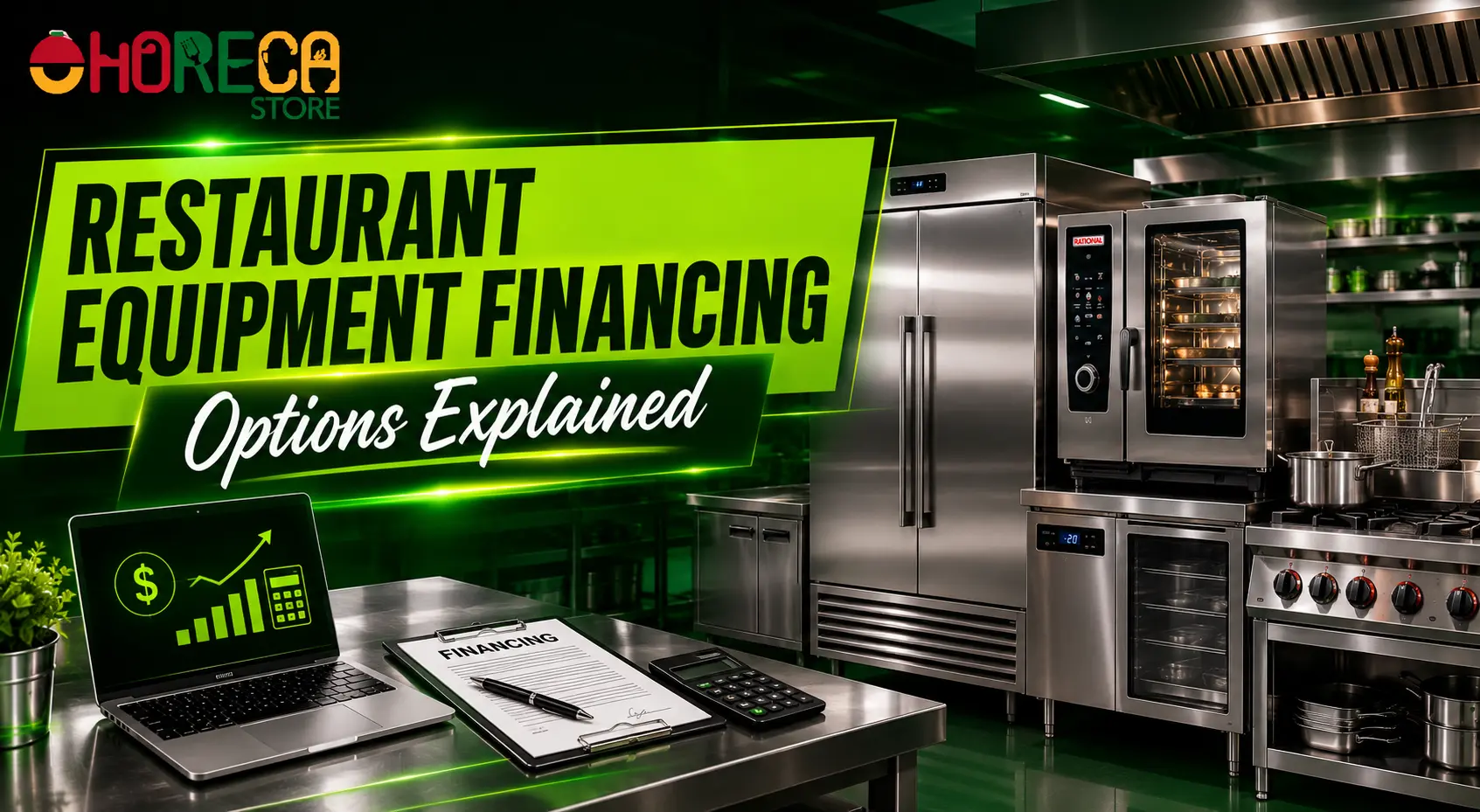
Opening a restaurant, or even upgrading an existing one, requires a significant amount of restaurant capital. Between securing a location, hiring staff, and purchasing inventory, the costs add up quickly. But perhaps the most intimidating expense is the machinery required to run a commercial kitchen. Industrial ovens, walk-in freezers, espresso machines, and high-capacity dishwashers come with massive price tags.
Fortunately, you do not have to pay for all of this out of pocket. By utilizing the right restaurant financing strategies, you can secure the gear you need to serve your customers while keeping your bank account healthy.
Whether you are a seasoned restaurateur looking to expand or a passionate chef opening your first bistro, having restaurant equipment financing options explained in plain English is the first step toward financial stability. In this comprehensive guide, we will break down everything you need to know about financing restaurant equipment, choosing the right lenders, and protecting your bottom line.

Why You Should Consider Financing Your Kitchen Gear
It might be tempting to buy your equipment outright if you have the cash on hand, but in the hospitality industry, liquidity is your lifeline. Preserving business cash flow with equipment financing is one of the smartest financial moves an owner can make.
When you drain your cash reserves on a $20,000 combi-oven, you leave yourself vulnerable to unexpected expenses—such as emergency plumbing repairs, sudden spikes in ingredient costs, or a slower-than-expected opening month. Opting for equipment financing allows you to spread the cost of heavy-duty machinery over months or years. Your new equipment effectively pays for itself as it helps you generate daily revenue.
The Core Financing Options
When it comes to securing funding, there is no one-size-fits-all solution. Depending on your business model, credit history, and long-term goals, different financing options will make the most sense for your operation.
1. Kitchen Equipment Loans
Standard kitchen equipment loans function similarly to auto loans. The equipment you are purchasing acts as the collateral for the loan. Because the lender can repossess the oven or refrigerator if you default, these loans are generally less risky for the lender, which often translates to more favorable terms for you. Once the loan is fully paid off, you own the equipment outright.
2. SBA 7(a) Loans for Food Service Equipment
Backed by the Small Business Administration, SBA loans are highly sought after because they offer some of the lowest interest rates and longest repayment terms on the market. SBA 7(a) loans for food service equipment can be used to purchase everything from fryers to POS systems. However, they require extensive paperwork, excellent credit, and a longer approval process. If you have the luxury of time and a strong financial profile, this is often the most cost-effective route.
3. Working Capital Loans for Commercial Kitchen Upgrades
Sometimes, you need to purchase smaller wares, cover installation costs, or execute a minor kitchen remodel alongside your equipment purchase. In these cases, working capital loans for commercial kitchen upgrades are ideal. These short-term restaurant loans provide a lump sum of cash that you can use flexibly, rather than tying the funds strictly to a specific piece of machinery.

Equipment Leasing vs Financing for Restaurants
One of the most common debates among hospitality owners is equipment leasing vs financing for restaurants. Both paths offer distinct advantages, but your choice will heavily depend on how fast technology changes in your niche and your long-term business plans.
Equipment Leasing
Equipment leasing is essentially renting the machinery for a set period. It is highly popular because it often requires a lower down payment (or none at all) and typically includes maintenance and repair clauses. This is an excellent form of flexible restaurant equipment financing.
- Fair Market Value (FMV) Lease: At the end of your lease term, you can choose to return the equipment, upgrade to a newer model, or purchase the item at its current fair market value.
- Commercial Kitchen Lease-to-Own Agreements: Also known as a $1 buyout lease, this structure operates like a loan. You make slightly higher monthly lease payments, and at the end of the term, you purchase the equipment for exactly one dollar.
Special Considerations for Caterers: If you run an off-site catering business, your needs fluctuate based on the season. When looking at equipment rental vs long-term lease for caterers, a short-term rental is perfect for a massive one-off wedding weekend. However, a long-term lease is much more cost-effective for the core transport vehicles and hot-holding cabinets you use every single week.
Equipment Financing
Unlike leasing, equipment financing restaurant gear means your end goal is total ownership. You make a down payment, take out a loan for the remainder, and pay it off with interest. This is best for items with a long lifespan that rarely need upgrading, such as stainless steel prep tables, heavy-duty mixers, and walk-in coolers.
Navigating Startups, Bad Credit, and Unique Situations
If you do not have three years of profitable tax returns and a flawless credit score, securing restaurant capital can feel daunting. Fortunately, alternative lenders and specialized financing programs exist to bridge these gaps.
Restaurant Equipment Financing for Startups
Traditional banks are notoriously hesitant to fund new restaurants due to high industry failure rates. Because of this, acquiring restaurant startup loans requires a strategic approach.
If you are seeking financing for startup restaurant equipment with no credit history (or minimal business credit), lenders will rely heavily on your personal credit score. You may also need to provide a larger down payment—sometimes up to 20%—to offset the lender's risk. Crafting a robust business plan that details your projected cash flow, target market, and management experience is critical when approaching lenders for startup funds.
Bad Credit Restaurant Equipment Financing Solutions
A low credit score does not automatically disqualify you from getting the tools you need. There are several bad credit restaurant equipment financing solutions available.
- Asset-based lending: If you own other assets (like real estate or existing paid-off equipment), you can pledge them as additional collateral.
- Higher yield lenders: Some alternative restaurant equipment financing companies specialize in subprime borrowers. The catch is that you will face higher interest rates and shorter repayment terms.
- Co-signers: Bringing on a business partner or guarantor with a strong credit history can significantly boost your approval odds.
Financing Used Equipment
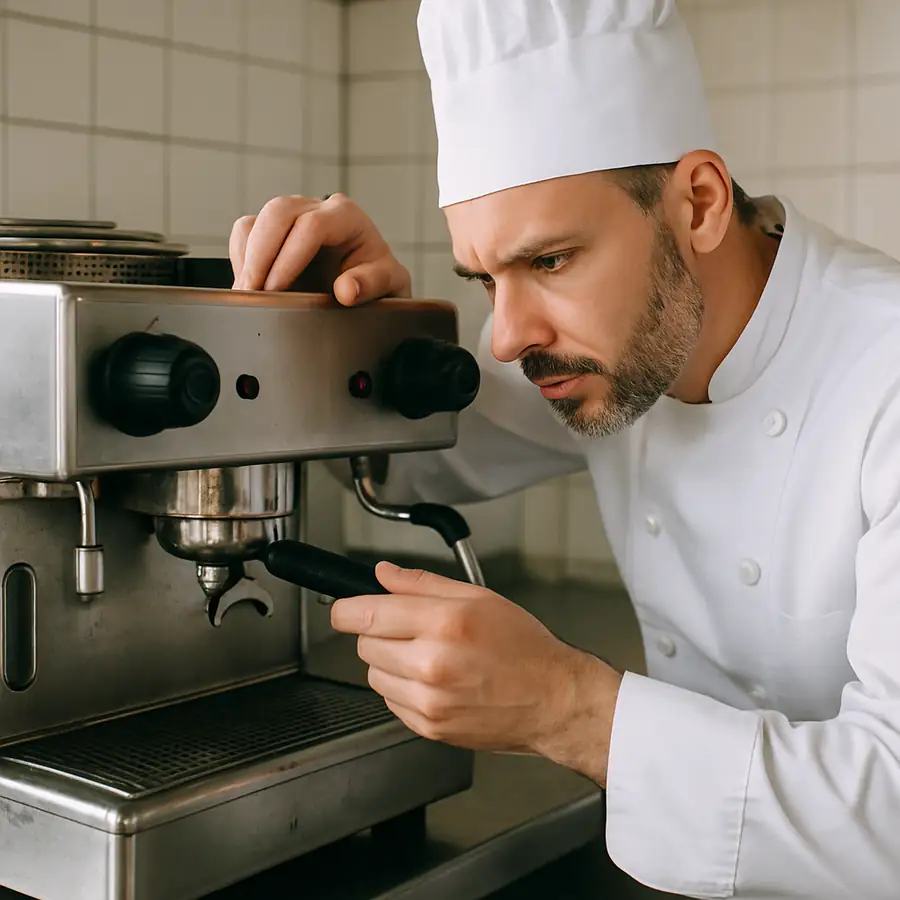
Brand-new gear is shiny and comes with warranties, but lightly used equipment can save you thousands of dollars. Financing used commercial refrigeration and cooking units is a fantastic way to stretch your budget. Be aware that lenders will want to know the age, condition, and remaining useful life of the used equipment. If a used pizza oven only has three years of life left, a lender will not approve a five-year loan term for it.
The Financials: Rates, Payments, and Tax Deductions
Understanding the math behind your financing agreement ensures you aren’t caught off guard by hidden fees or unmanageable monthly obligations.
Understanding Interest Rates
The cost of borrowing money varies wildly based on your creditworthiness, time in business, and the type of lender you choose. The average interest rates for restaurant equipment leasing and financing usually range from 6% to 9% for highly qualified borrowers at traditional banks. However, for alternative online lenders or bad credit scenarios, rates can easily climb into the 15% to 30% range. Always review the Annual Percentage Rate (APR), which includes both the interest rate and any origination fees.
Calculating Monthly Payments
Before signing any paperwork, spend some time calculating monthly payments for restaurant gear. A simple way to estimate is to use an online equipment loan calculator.
For example, if you finance $30,000 worth of equipment at an 8% interest rate over a 5-year term, your monthly payment will be roughly $608. Ask yourself honestly: Will this new equipment generate more than $608 in pure profit every month? If the answer is a resounding yes, the financing makes perfect business sense.
The Section 179 Tax Deduction
One of the most powerful financial tools available to hospitality owners is the Section 179 tax deduction for commercial kitchen equipment. Under the U.S. tax code, the IRS allows businesses to deduct the full purchase price of qualifying equipment bought or leased during the tax year.
Normally, when you buy a $15,000 commercial refrigerator, you have to write off the depreciation a little bit at a time over several years. With Section 179, you can deduct the entire $15,000 from your gross income in the very first year, drastically lowering your tax burden. Even if you finance or lease the equipment and have only made a few monthly payments by the end of the year, you can still claim the full deduction.
How to Qualify and Apply for Funding
Once you have decided on the type of financing you need, the next step is finding the right partner and submitting your application.
Comparing Commercial Kitchen Lenders for Small Businesses
Not all lenders are created equal. When researching restaurant equipment financing companies, you generally have three categories to choose from:
- Traditional Banks and Credit Unions: Best for established restaurants with strong credit. They offer the lowest rates but have the strictest requirements.
- Alternative Online Lenders: Best for speed and flexibility. They are much more forgiving of lower credit scores and shorter business histories but charge higher rates.
- Equipment Dealers: Many restaurant supply companies have in-house financing or partnerships with lenders. This can be highly convenient, allowing you to buy and finance in one seamless transaction.
Steps to Apply for Restaurant Equipment Funding
Knowing how to qualify for restaurant equipment loans beforehand will save you time and frustration. Follow these actionable steps to prepare:
- Check Your Credit: Pull both your personal and business credit reports. Dispute any errors before applying.
- Gather Your Documents: Lenders will typically ask for your business license, recent bank statements (usually the last 3-6 months), tax returns, and a voided business check. Startups will also need to provide a comprehensive business plan and financial projections.
- Get Equipment Quotes: Lenders need to know exactly what they are financing. Obtain an official invoice or quote from the equipment vendor detailing the make, model, and cost of the items.
- Submit Your Application: You can usually apply online within minutes. For alternative lenders, you might receive a decision on the same day.
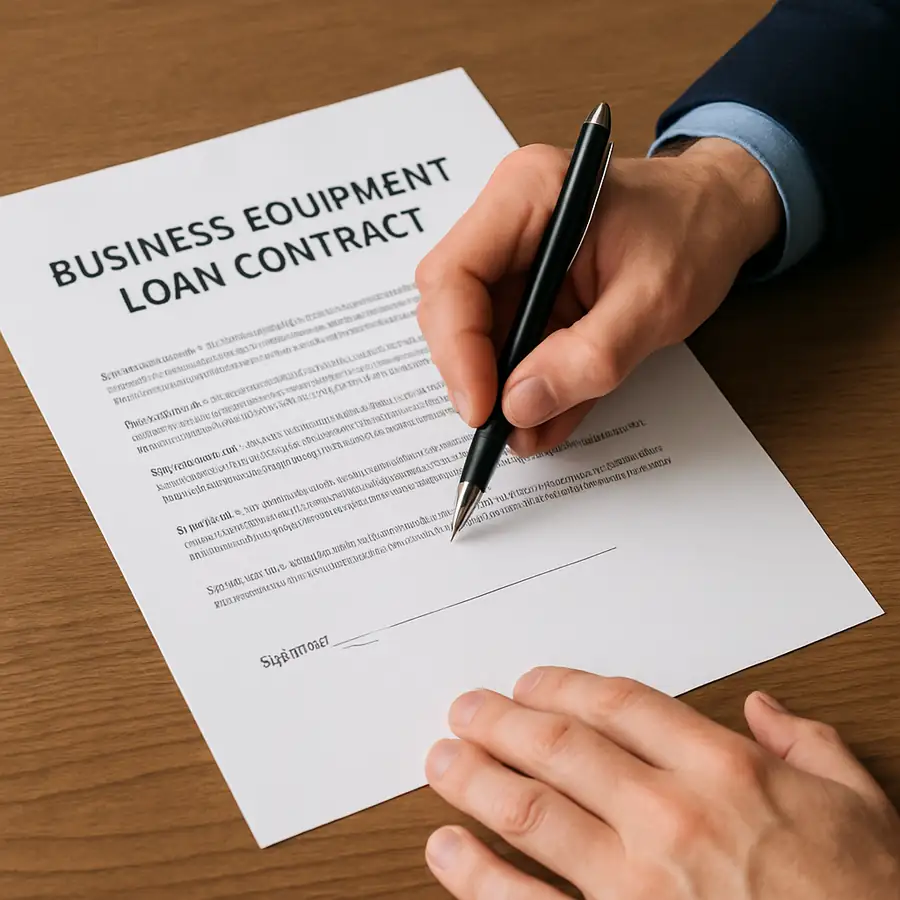
- Review the Terms: Carefully read the fine print. Check for prepayment penalties, late fees, and exact lease-end buyout terms before you sign.
Conclusion
Outfitting a commercial kitchen is a massive undertaking, but understanding how to leverage other people's money can make your culinary dreams a reality. Having your restaurant equipment financing options explained thoroughly allows you to make strategic decisions that protect your working capital.
Whether you decide to utilize flexible commercial kitchen lease-to-own agreements, hunt down favorable SBA loans, or secure bad credit alternative funding, there is a path forward for virtually every business profile. Take the time to compare your options, run the numbers on your monthly payments, and take advantage of tax benefits like Section 179. By financing your equipment wisely, you can focus less on the stress of upfront costs and more on what truly matters: creating incredible food and unforgettable experiences for your guests.
Don't Forget the Cost of Everyday Restaurant Supplies
Equipment financing is only one part of managing restaurant expenses. You also need ongoing supplies for food preparation, takeaway orders, packaging, and customer service. The Horeca Store offers a wide range of foodservice essentials, including disposable food containers, takeaway cups, coffee cups, napkins, disposable cutlery, and other catering supplies.
Whether you're opening a new restaurant, upgrading your kitchen, or expanding your takeaway service, choosing reliable supplies can help keep daily operations running smoothly. Explore The Horeca Store for quality hospitality and foodservice products designed for restaurants, cafés, catering businesses, and other foodservice operations.
Conclusion
Outfitting a commercial kitchen is a massive undertaking, but understanding how to leverage other people's money can make your culinary dreams a reality. Having your restaurant equipment financing options explained thoroughly allows you to make strategic decisions that protect your working capital.
Whether you decide to utilize flexible commercial kitchen lease-to-own agreements, hunt down favorable SBA loans, or secure bad credit alternative funding, there is a path forward for virtually every business profile. Take the time to compare your options, run the numbers on your monthly payments, and take advantage of tax benefits like Section 179. By financing your equipment wisely, you can focus less on the stress of upfront costs and more on what truly matters: creating incredible food and unforgettable experiences for your guests.