
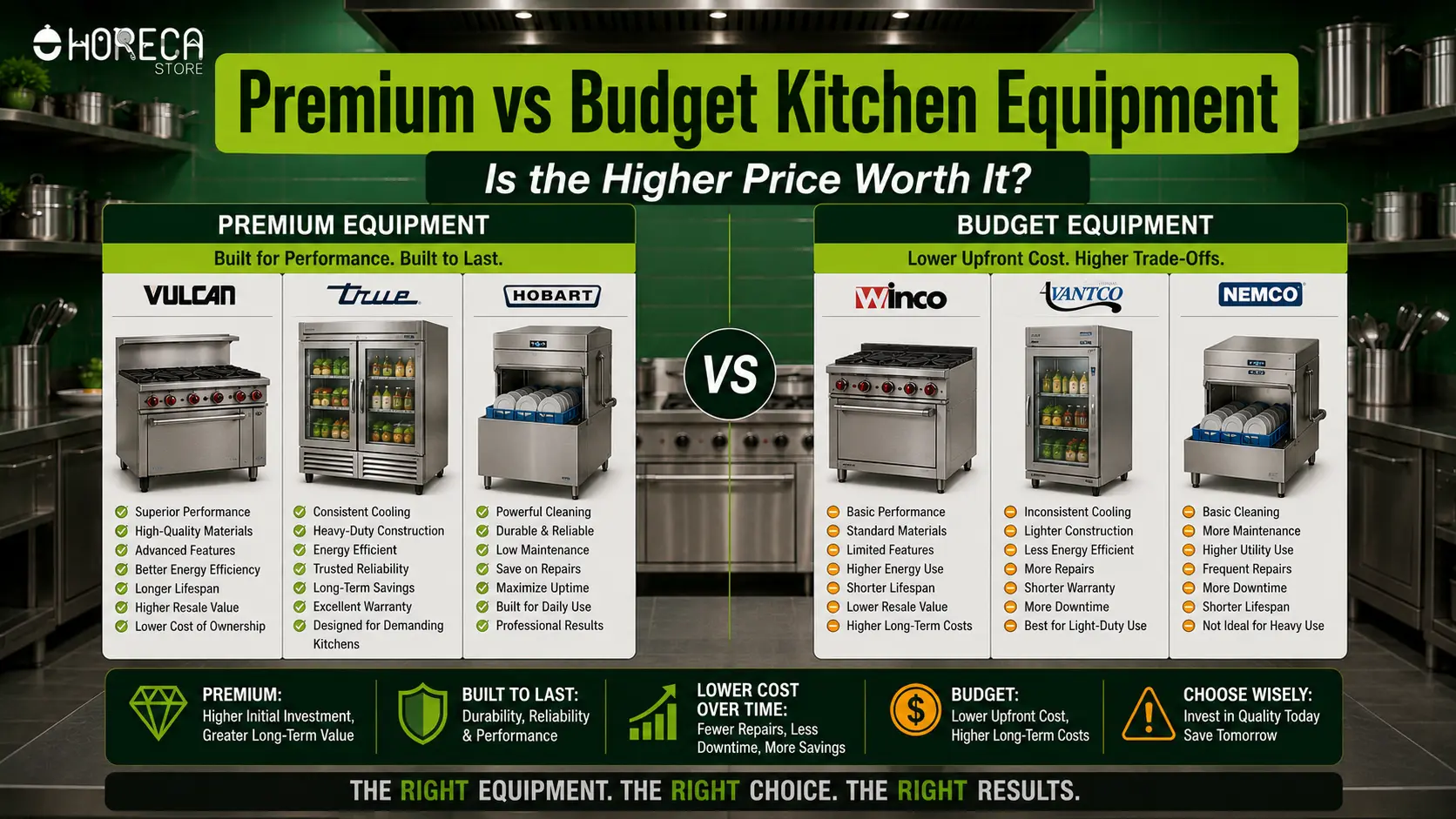
Every restaurateur, kitchen manager, and food service director faces the exact same dilemma when building or upgrading their workspace: Premium vs Budget Commercial Kitchen Equipment: Is the Higher Price Worth It?
Outfitting a commercial kitchen is a massive financial undertaking. When you are staring at a spreadsheet filled with startup expenses—from lease deposits to front-of-house furniture and permits—it is incredibly tempting to slash costs by opting for economy-grade appliances. However, the true cost of a kitchen appliance goes far beyond the sticker price you see in a catalog.
In this comprehensive guide, we will break down the real-world differences between top-tier and economy appliances. By examining lifespan, performance, warranties, and hidden costs, you will be equipped to make informed, profitable decisions for your food service operation.
The Core Dilemma: The Price Tag vs. The Long Game
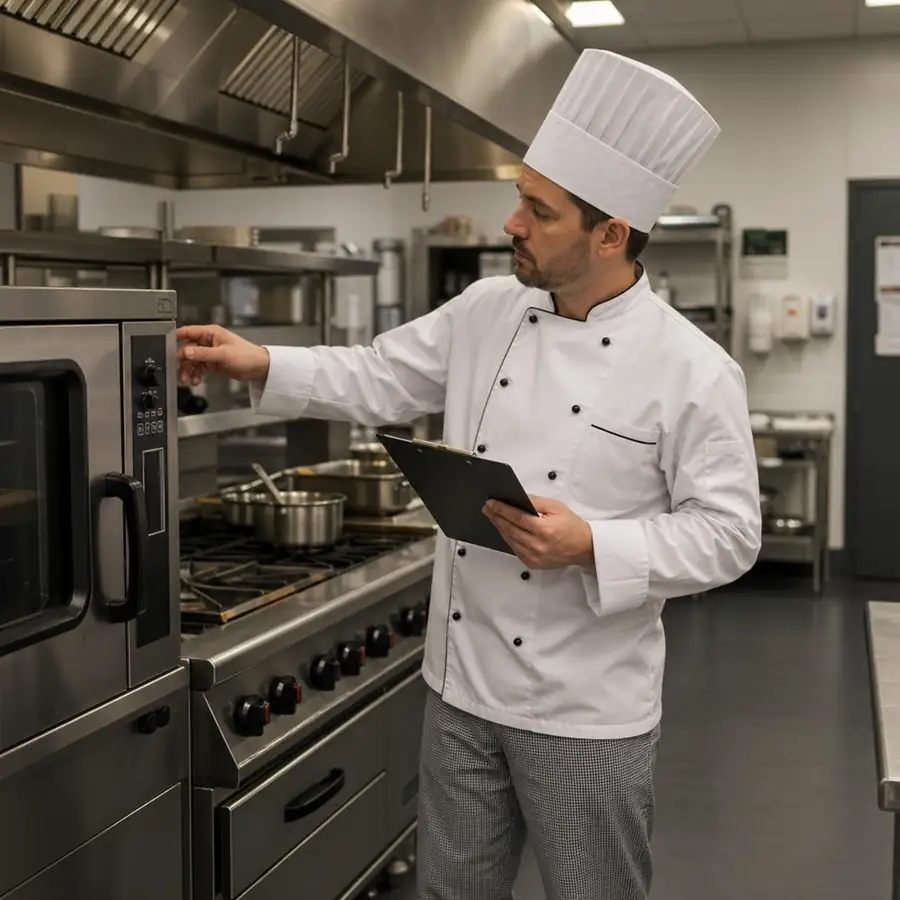
Opening a restaurant or renovating an existing kitchen requires a delicate dance. You are constantly balancing startup costs with durability. On one hand, purchasing budget equipment can free up thousands of dollars in immediate cash flow—money that can be redirected into marketing, staffing, or interior design. On the other hand, a commercial kitchen is a harsh, demanding environment. Equipment is subjected to extreme heat, constant moisture, grease, and non-stop physical wear and tear.
When deciding between high-end and economy options, operators must look beyond day one. A budget fryer might save you $1,000 today, but if it breaks down in the middle of a Friday night dinner rush, the cost of lost sales, wasted food.
Understanding Total Cost of Ownership (TCO)
To truly answer whether the higher price is worth it, you must evaluate the total cost of ownership for commercial appliances. TCO calculates the financial impact of an asset over its entire life, rather than just its purchase price.
When conducting a proper lifecycle assessment of industrial equipment, you must factor in:
- Initial Purchase Price: The upfront cost, including shipping and installation.
- Energy Consumption: Utility bills over the machine's lifespan.
- Maintenance and Repairs: Routine servicing and replacement parts.
- Downtime Costs: Lost revenue when the machine is out of order.
- Lifespan and Replacement: How soon you will need to buy the item again.
The Hidden Cost of Breakdowns
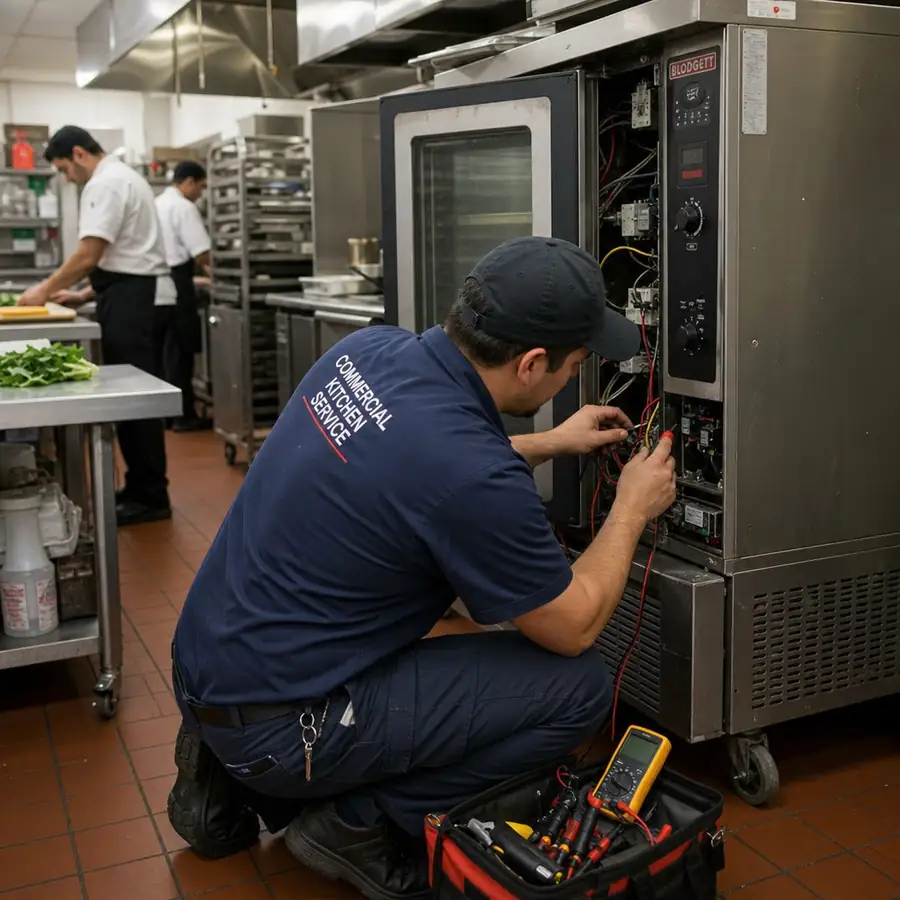
Kitchen breakdowns rarely happen on a quiet Tuesday morning; they happen when the kitchen is operating at maximum capacity. When an oven or walk-in cooler fails on a weekend, you are forced to call a technician outside of normal business hours. When you factor in an exorbitant weekend emergency callout cost premium commercial kitchen equipment often pays for itself simply by preventing these panicked, after-hours repair bills. High-end equipment utilizes superior internal components that are purpose-built to withstand the rigors of heavy, continuous use without faltering.
Durability and Materials: Built to Last
The most obvious difference between premium and budget gear lies in the physical materials used in their construction. This directly impacts the budget vs premium kitchen equipment lifespan.
The Benefits of Thicker Steel
In the commercial kitchen world, stainless steel is king. However, not all stainless steel is created equal. Premium equipment frequently boasts lower-gauge steel (in the metal world, a lower number means a thicker metal).
The heavy-duty stainless steel gauge benefits are numerous. Premium appliances typically use 14-gauge or 16-gauge stainless steel, which resists denting, scratching, and warping under intense heat. Budget equipment often utilizes 20-gauge or even 22-gauge steel. While it looks identical when it comes out of the box, economy steel is highly susceptible to dents from dropped pans and can warp over time, leading to compromised seals and uneven cooking surfaces.
Construction and Certification
Premium units are usually fully welded, whereas budget units might be riveted or held together with screws that loosen over time. Furthermore, top-tier brands undergo rigorous testing to become NSF certified industrial cooking gear. The National Sanitation Foundation (NSF) sets strict standards for public health protection. Premium gear is designed with seamless edges and coved corners that prevent food and grease buildup, making them much easier to clean and keep compliant with health department standards.
Performance and Output in High-Volume Settings
When you are turning tables rapidly, the speed and consistency of your commercial cooking equipment dictate the flow of your entire restaurant.
Consistency Under Pressure
If you operate a busy diner, a high-output bakery, or a massive catering operation, choosing equipment for high-volume food service is critical to your success. Let’s look at two common comparisons:
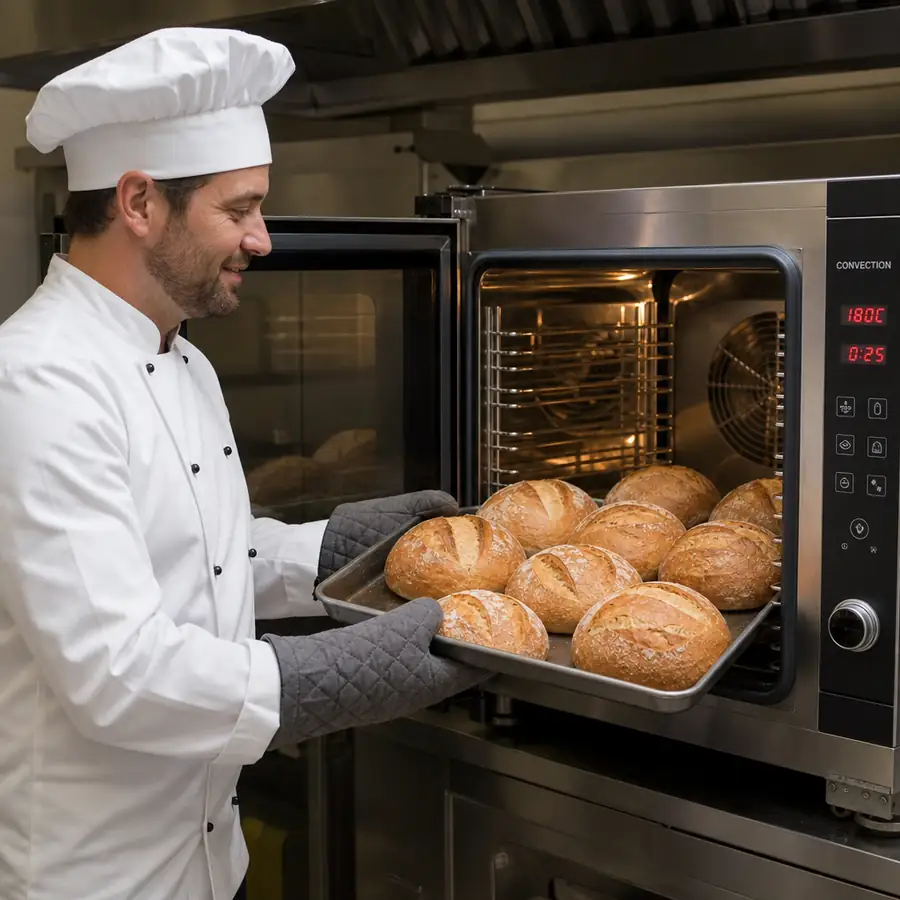
1. High-End vs Economy Convection Ovens: A budget convection oven might reach the desired temperature, but how quickly does it recover after you open the doors to load 10 trays of cold food? Economy ovens often struggle with heat recovery, resulting in uneven baking—the pastries near the back burn while the ones in the front are undercooked. Premium convection ovens feature advanced fan systems, superior insulation, and higher BTU outputs, ensuring perfectly even heat distribution and rapid recovery times, which drastically improves your kitchen's throughput.
2. Refrigeration Systems: The difference between cheap and expensive refrigeration often lies where you can't see it. There are massive commercial refrigerator compressor quality differences between tiers. A premium refrigerator features an oversized, robust compressor (often top-mounted to stay away from floor dust and grease) designed to maintain safe food temperatures even when cooks are opening the doors a hundred times an hour in a 100-degree kitchen. Budget fridges often use smaller, less powerful compressors that overwork themselves, leading to premature failure and potentially dangerous temperature fluctuations.
Energy Efficiency and Operating Costs
Premium equipment is vastly superior in its energy consumption. High-end fryers, ranges, and refrigerators are frequently designed with better insulation and advanced technology to retain heat (or cold). Choosing energy star rated commercial appliances might come with a higher upfront cost, but these units can slash your utility bills by hundreds of dollars annually. Over a five to ten-year lifespan, the energy savings alone can bridge the price gap between a budget and a premium unit.
Protecting Your Business from Downtime
Nothing causes chaos in a kitchen faster than an essential piece of equipment going down. If your main grill fails, half your menu gets "86'd" (removed from the menu). Customers leave disappointed, waitstaff miss out on tips, and the brand takes a hit.
Reducing restaurant downtime with reliable equipment should be a top priority for any serious operator. Premium commercial kitchen equipment is engineered for continuous duty. Top-tier manufacturers understand that a commercial kitchen is a battlefield. They use thicker wiring, moisture-resistant switches, and heavy-duty hinges. When you buy premium, you aren't just paying for a brand name; you are buying an insurance policy against catastrophic Friday-night failures.
Warranties, Resale, and Chef Preferences
Beyond the day-to-day operations, the financial arguments for investing in high-end appliances extend to the back-office logistics of warranties, long-term asset value, and staff satisfaction.
Comparing the Fine Print
A side-by-side commercial equipment warranty coverage comparison is highly revealing.
- Budget Warranties: Economy equipment often comes with a basic 1-year parts warranty. Labor is frequently excluded, meaning if a $50 part breaks, you might still pay $300 for the technician's time to install it.
- Premium Warranties: High-end brands confidently back their engineering. It is common to see 3-to-5-year parts and labor warranties, with dedicated 5-to-7-year warranties on critical components like refrigeration compressors. This long-term coverage provides immense peace of mind and predictable operating budgets.
The Investment and Resale Value
The restaurant industry is dynamic. You might outgrow your space, change your concept, or decide to sell the business. In these scenarios, the resale value of premium restaurant brands is remarkably strong. Used equipment buyers are hesitant to purchase second-hand budget gear because its lifespan is notoriously short. Conversely, heavy-duty brands like Vulcan, Hobart, Traulsen, and True hold their value incredibly well. You will find that the expensive commercial ranges investment value pays dividends upon resale, allowing you to recoup a significant portion of your initial outlay.
Attracting and Retaining Culinary Talent
The equipment you provide speaks volumes to your staff. High turnover is a massive expense in the restaurant industry. Professional chefs premium appliance brands explicitly request because they make their jobs easier, safer, and more predictable. A chef wants to know that the oven temperature on the dial is the actual temperature in the cavity. Equipping your kitchen with top-tier gear shows your culinary team that you are invested in their success, which can directly improve staff retention and morale.
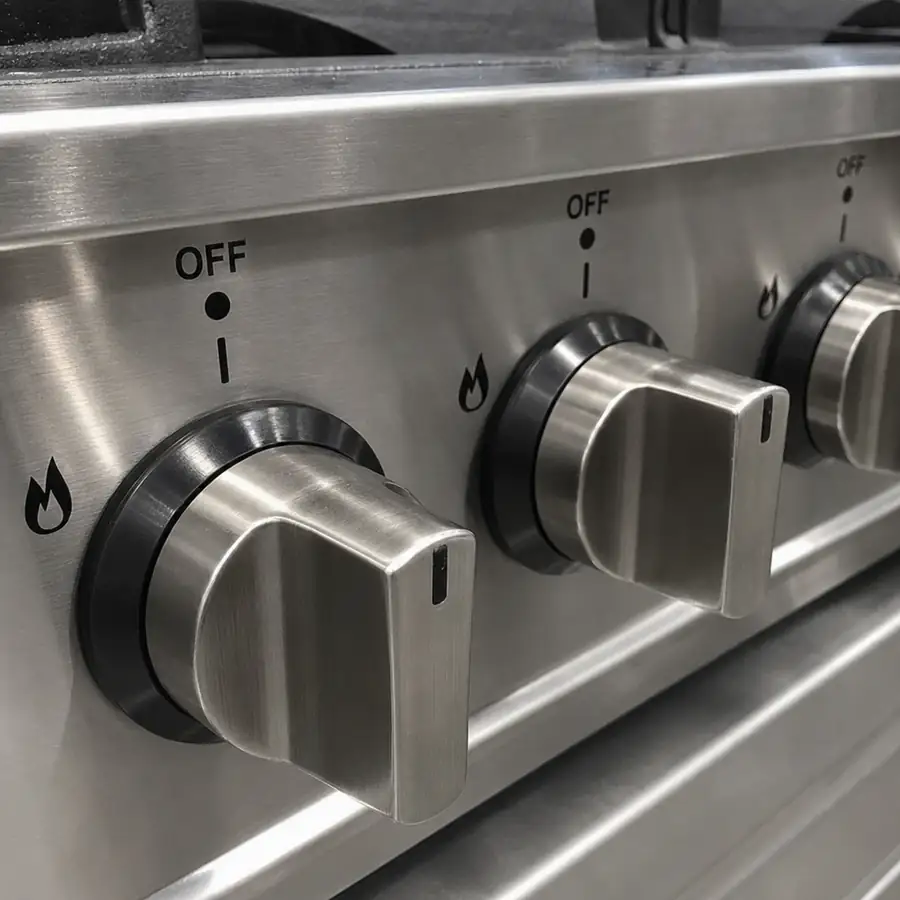
The Actionable Solution: The "Hybrid" Kitchen Strategy
So, does this mean you have to buy the most expensive model for absolutely everything in your kitchen? Absolutely not. The secret of successful food service operators is the "Hybrid Strategy"—knowing exactly when to splurge and when to save.
Here are actionable tips for allocating your equipment budget:
When to Buy Premium (The "Heart of the House")
You should invest in premium equipment for any appliance that dictates your core menu, runs continuously, or poses a massive operational risk if it fails.
- Refrigeration: Never skimp here. Walk-ins, prep tables, and reach-in coolers must keep food safe. Health code violations and spoiled inventory will ruin a business faster than anything else.
- Primary Cooking Equipment: If you are a steakhouse, your broiler must be premium. If you are a bakery, invest in top-tier ovens. Your primary ranges, fryers, and flat-tops take the most abuse and should be built from heavy-duty materials.
- High-Volume Warewashing: Commercial dishwashers run constantly. Premium dishwashers use less water, less electricity, and require fewer repairs.
When to Buy Budget or Mid-Tier
You can safely opt for economy or mid-tier options for low-impact items or secondary equipment that doesn't run your primary menu.
- Stainless Steel Prep Tables and Shelving: While thicker gauge is nice, a standard mid-tier stainless table will serve most kitchens perfectly well without the premium price tag.
- Secondary or Backup Equipment: If you only use a microwave occasionally to melt butter or a small countertop fryer for one specific appetizer, an economy model is a financially sound choice.
- Smallwares: While you want durable pots and pans, you don't necessarily need the most expensive luxury brands for basic mixing bowls, spatulas, and storage containers.
Choose the Right Commercial Kitchen Equipment at The Horeca Store
When comparing premium vs. budget commercial kitchen equipment, the right choice depends on your restaurant’s workload, operating hours, menu, and long-term goals. The Horeca Store offers a wide selection of commercial kitchen equipment to help restaurants, cafés, hotels, catering businesses, and foodservice operations find equipment that matches their specific requirements. Whether you are looking for reliable refrigeration, cooking equipment, food preparation machines, ovens, fryers, or other essential kitchen equipment, you can explore options across different price points and performance levels.
At The Horeca Store, we understand that the highest-priced equipment is not always the best choice for every business. Instead, you should consider durability, capacity, energy efficiency, maintenance requirements, warranty coverage, and expected usage before making a purchase. Our range of commercial kitchen equipment makes it easier to balance upfront cost with long-term value and choose products that support efficient kitchen operations. Explore The Horeca Store to find dependable equipment that fits your budget while meeting the demands of your commercial kitchen.
:::
This section can work well after your comparison of premium vs. budget equipment, because it naturally connects the buying decision to The Horeca Store.
Conclusion: Is the Higher Price Worth It?
When you look purely at the upfront invoice, budget equipment is incredibly alluring. However, a commercial kitchen is not a place for short-term thinking.
Ultimately, the higher price of premium commercial kitchen equipment is almost always worth it for high-volume operations. When you factor in the extended lifespan, lower energy bills, robust warranties, and the elimination of catastrophic downtime, the total cost of ownership for high-end gear frequently undercuts that of budget alternatives.
By strategically balancing your startup costs—investing heavily in your core refrigeration and primary cooking equipment while saving on secondary tools—you build a resilient, efficient kitchen. You aren't just buying steel and wires; you are buying consistency, peace of mind, and a solid foundation for your restaurant’s long-term profitability.