
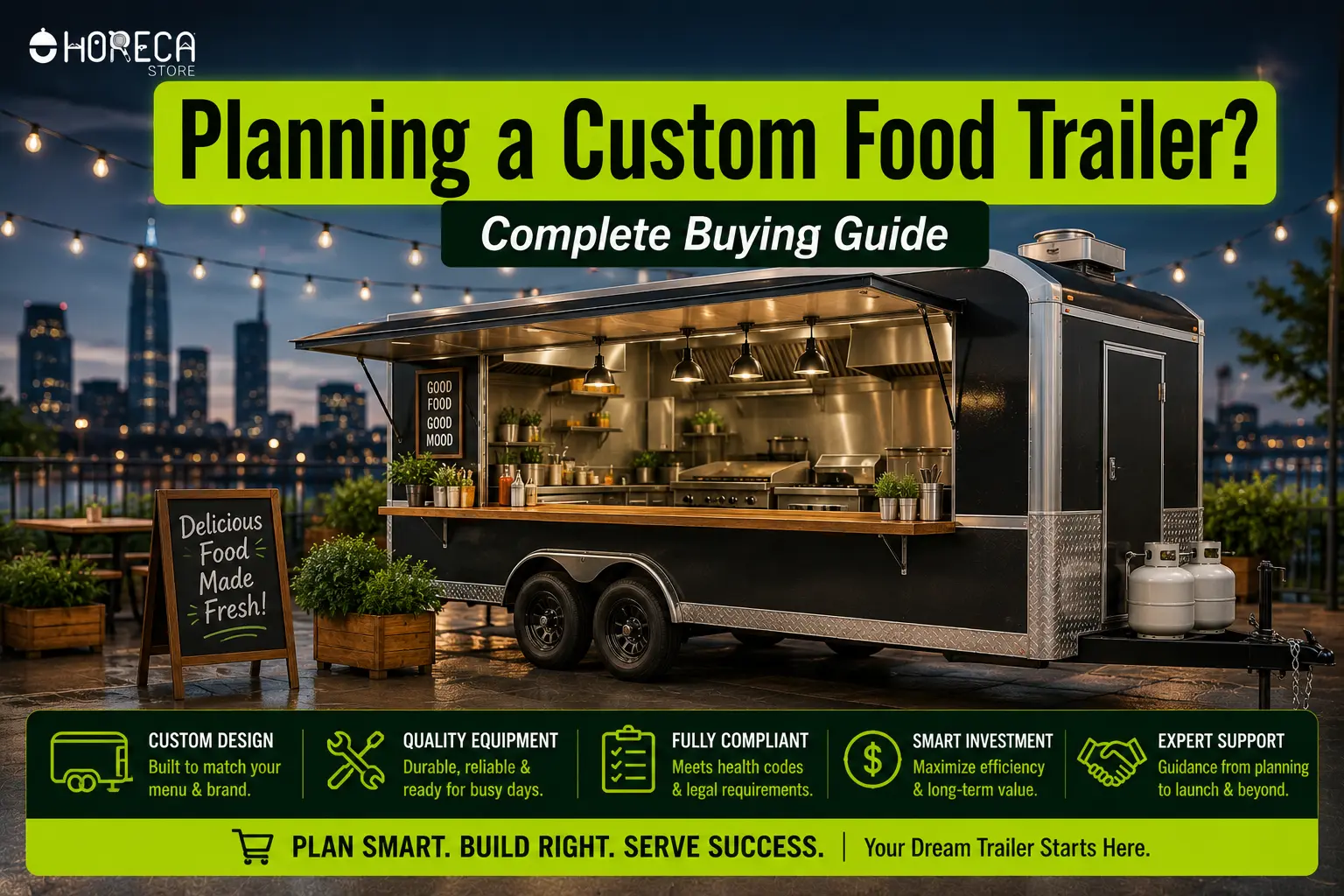
The mobile food industry is booming, offering culinary entrepreneurs a fantastic opportunity to share their delicious creations with the world without the crippling overhead of a traditional brick-and-mortar restaurant. If you are ready to take your culinary vision to the streets, the first major decision you will face is securing the perfect mobile kitchen.
When you decide to Order Your Own Food Trailer – Designed for Your Vision, you aren't just buying a vehicle; you are investing in highly optimized, fully customized workspace that acts as the foundation of your business. Let’s dive into everything you need to know about designing, ordering, and launching your ideal mobile kitchen.
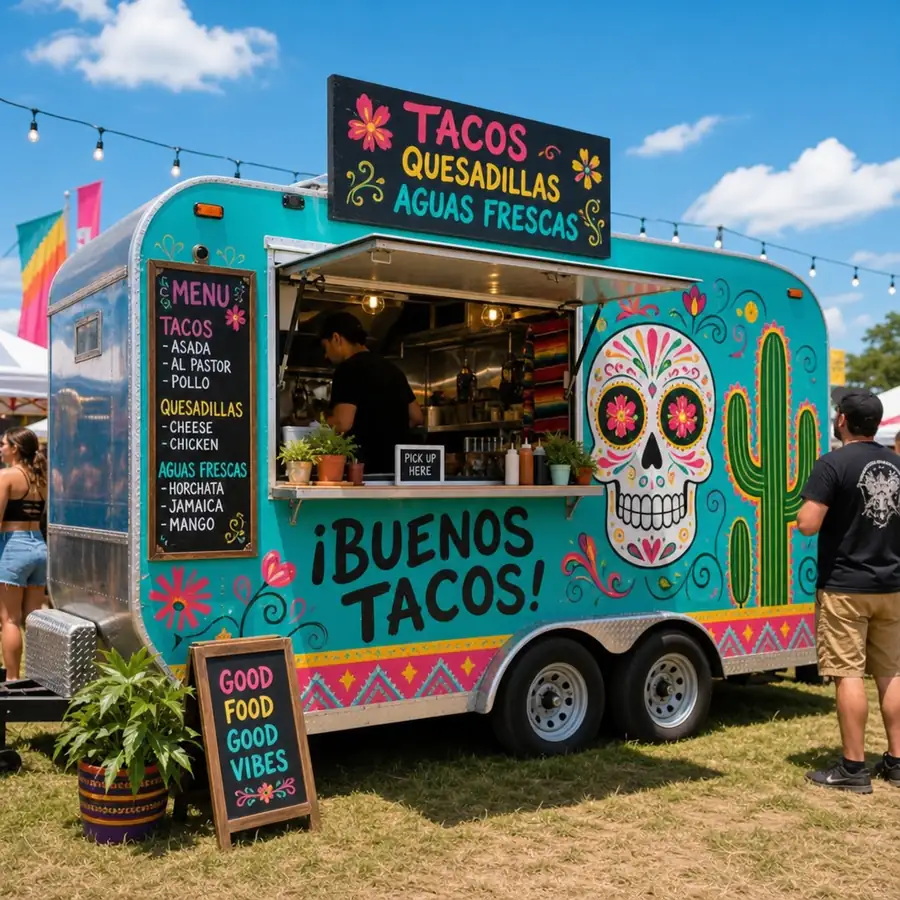
The Mobile Culinary Revolution: Making the Right Choice
Before diving into layouts and equipment, it’s essential to understand the landscape of mobile food vehicles. Many beginners weigh the food truck vs food trailer pros and cons.
While food truck vans offer all-in-one mobility, they come with a hefty price tag and higher mechanical risk—if your truck's engine breaks down, kitchen is out of commission too. On the other hand, an unmotorized food trailer offers immense flexibility. If your towing vehicle requires maintenance, you can simply rent a truck and keep your business running. Furthermore, an average food truck trailer for sale is significantly more affordable than a motorized truck of the same size, freeing up vital capital for marketing and premium ingredients.
Whether you are leaning toward a sprawling mobile kitchen or looking into agile mini food trailers, understanding your exact needs will dictate your next steps.
Custom Fabrication vs. Pre-Built Trailers
As you begin searching for a food trailer for sale, you’ll face another crucial choice: should you buy a pre-built unit or opt for a custom build?
Understanding the nuances of custom fabrication vs pre-built trailers is vital.
- Pre-built units: If you want to launch quickly, exploring new food trailers for sale or local food trailers sale lots is a great option. These are typically standard models ready for immediate pickup.
- Custom Fabrication: If your menu requires specialized equipment (like a massive wood-fired pizza oven or a large-scale espresso machine), a custom build is the way to go. It allows you to specify everything from the axles to the exhaust hoods.
For those interested in understanding how to build a food trailer from the ground up, the journey starts with the foundation. Choosing the right chassis for mobile kitchens is critical, as it must support the heavy weight of commercial equipment, water tanks, and staff.
Sizing Up Your Mobile Kitchen
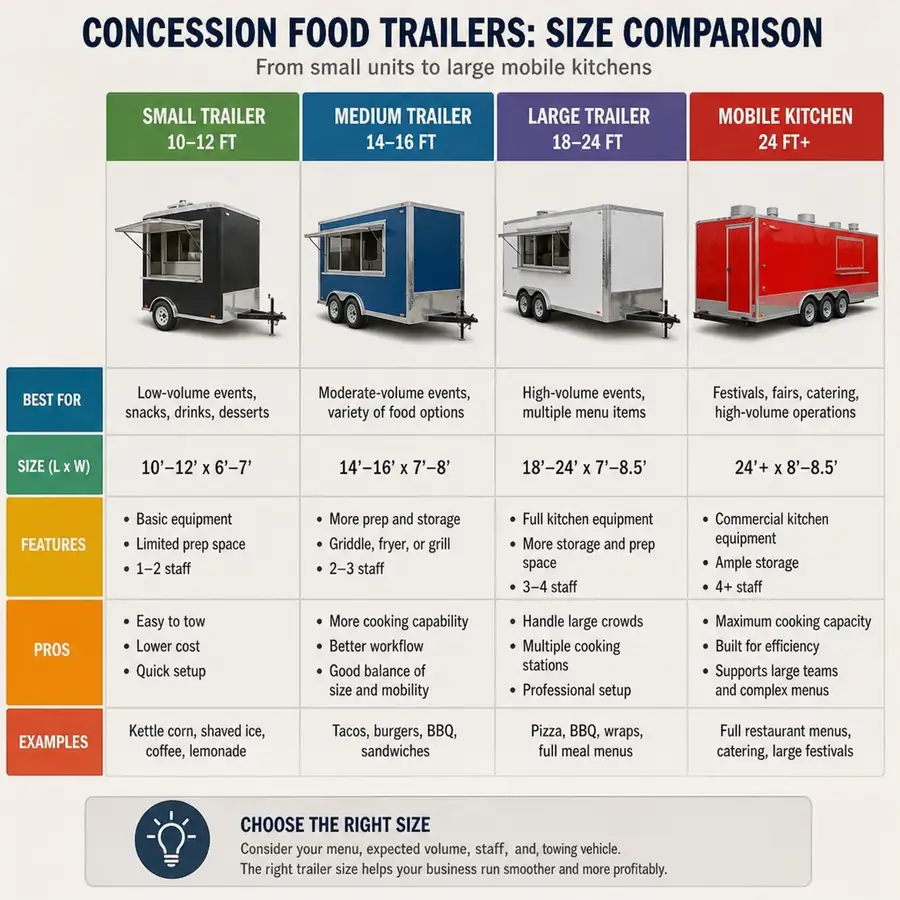
The size of your unit will directly impact your mobile food business startup costs and where you can operate.
- Small food trailers: Perfect for highly specialized menus like coffee, ice cream, or crepes. A small food trailer is easy to tow, simple to park in tight festival spaces, and carries lower startup costs.
- Mid-sized concession stand trailers: Usually ranging from 14 to 18 feet, these are the industry standard, offering enough room for a full cooking line and multiple staff members.
- Large food concession trailer for sale: Anything 20 feet and above. These are ideal for high-volume catering or complex menus.
Location also plays a role in your purchase. For example, finding a high-quality food trailer for sale in Houston TX might be ideal if you want to operate in the South, as local builders will understand regional health codes and weatherization needs. Wherever you are, make sure to seek out reputable food trailer sales dealers who offer warranties on their builds.
Designing Your Custom Layout
An inefficient layout will bottleneck your service, frustrating your staff and extending customer wait times. This is why knowing how to design a food trailer layout is one of the most critical steps in the process.
When drafting custom food trailer floor plans, think about the "kitchen triangle" concept, adapting it for a linear space.
- Prep Station: Where raw ingredients are stored and chopped.
- Cooking Line: Where the magic happens (fryers, flat tops, ovens).
- Service Window: Where the final product is plated and handed to the customer.
Maximizing space in small food trailers requires ingenuity. Utilize vertical space with wall-mounted shelving, opt for under-counter refrigeration, and install sliding windows rather than traditional doors where possible.
Equipping Your Rolling Kitchen
When you buy food trailers, you generally have the option to purchase an empty shell or a food trailer with equipment. Buying fully equipped is often highly recommended because the builder will ensure all the gas and electrical lines are perfectly routed.
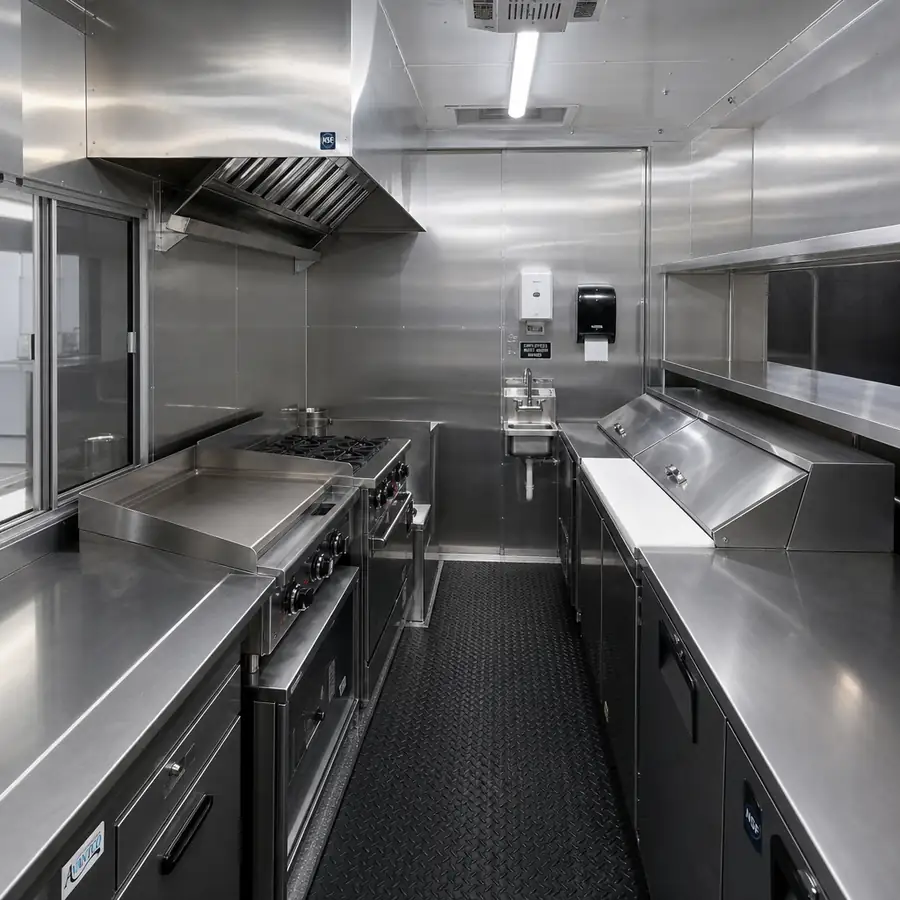
Do not cut corners on your gear. Sourcing high-quality commercial kitchen equipment for trailers ensures longevity and safety. Furthermore, health inspectors will look specifically for NSF certified kitchen appliances, which guarantee the equipment is easily cleanable and built to safe commercial standards.
Essential Utilities: Power, Water, and Sustainability
A sleek trailer food van useless if it doesn't have reliable power and water.
Meeting food trailer plumbing and electrical requirements is non-negotiable. You will need a multi-compartment sink for washing wares and separate hand-washing sink. Your fresh water tank must typically be sized proportionally to your gray water (wastewater) tank—usually, the gray tank must be 15% to 50% larger than the fresh tank, depending on local codes.
Electrically, you need to calculate your total amperage draw. Will you run off a loud gas generator, or are you looking into eco-friendly alternatives? Exploring solar power options for food trailers is becoming increasingly popular. While solar panels on the roof might not power a massive commercial AC unit or deep fryers, they are fantastic for running point-of-sale systems.
Compliance, Health Codes, and Permitting
Perhaps the most daunting part of acquiring concession food trailers is dealing with the bureaucracy. A beautiful build means nothing if it doesn’t pass inspection.
Prioritize a health department compliant food trailer design. Before putting a deposit down on any food trailers for sale, take your floor plans to your local health department. They will check for specific requirements, such as washable wall materials (like stainless steel or FRP), proper ventilation hood fire suppression systems, and correct sink sizes.
Understanding the mobile concession trailer permitting process early on will save you thousands of dollars in retrofitting. Requirements vary wildly from city to city, so what works for a food vending trailer in Miami might fail an inspection in Seattle.
Budgeting and Building Your Brand
When calculating your overall budget, remember that finding a cheap food trailer for sales events is only part of the equation. You also need to budget for permits, initial inventory, truck rental (if you don't own a towing vehicle), and branding.
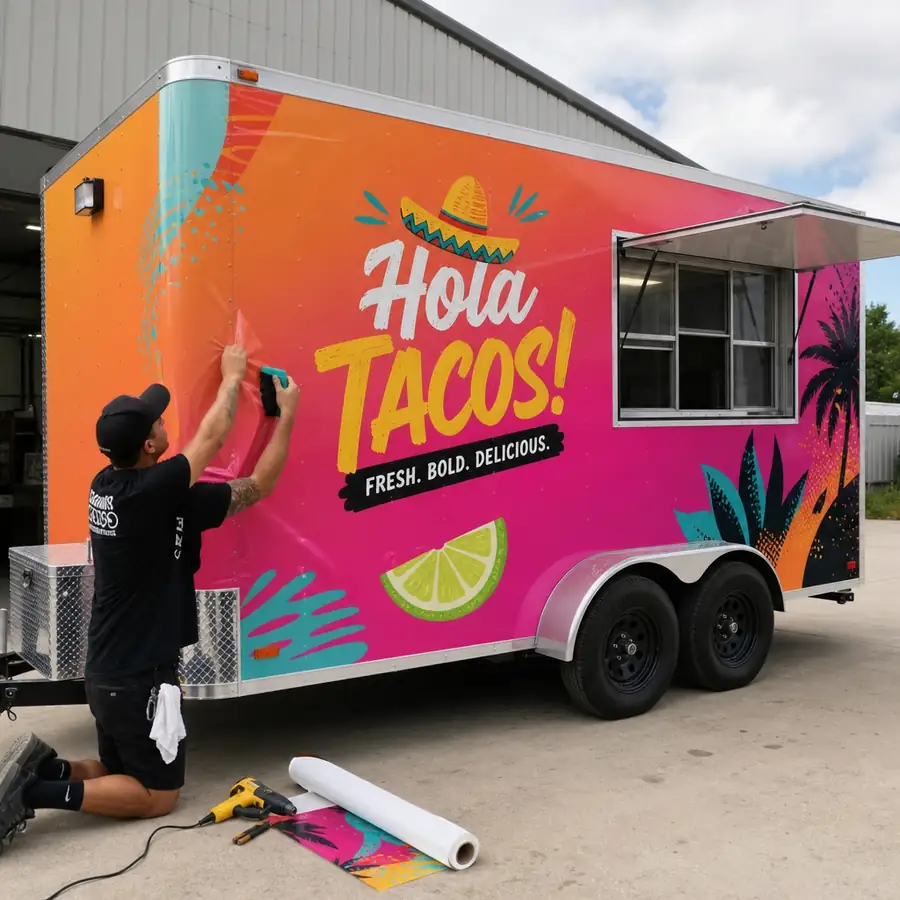
Visual appeal is what turns pedestrians into paying customers. Investing in stunning exterior branding and vinyl wrap designs is just as important as the food itself. A professionally wrapped trailer communicates cleanliness, professionalism, and brand identity. Use bold colors, high-resolution images of your food, and ensure your social media handles are clearly visible.
A Step-by-Step Food Trailer Ordering Guide
To summarize the journey of taking your business from an idea to opening day, follow this step by step food trailer ordering guide:
- Define Your Concept: Settle on your menu. Your food dictates your equipment, and your equipment dictates your trailer size.
- Determine Your Budget: Secure financing and understand your total startup costs.
- Choose the Format: Decide between custom builds or searching the market for a pre-built food concession trailer for sale.
- Draft the Floor Plan: Work with your builder to optimize the workflow.
- Submit Plans to the Health Department: Get pre-approval on your design before construction begins.
- Begin Fabrication: Whether it's a massive rig or one of the many small food trailers on the market, ensure your builder uses NSF equipment and proper chassis.
- Wrap and Brand: Apply your vinyl wrap while the interior finishing touches are completed.
- Final Inspection and Permitting: Pass your local health and fire safety inspections.
- Launch: Hook up your new trailer, park at a high-foot-traffic location, and start serving!
Starting a mobile food business is a thrilling endeavor. By taking the time to carefully research, design, and configure your mobile kitchen, you are setting yourself up for long-term culinary success. Whether you are serving gourmet tacos, artisanal coffee, or classic comfort food, the right food trailer will be the ultimate engine for your entrepreneurial dreams.
Planning a Custom Food Trailer? Here's Everything You Need Before You Buy
Planning a custom food trailer starts with more than choosing a trailer size and adding kitchen equipment. Your menu should determine the equipment, layout, storage, refrigeration, cooking capacity, and workflow inside the trailer. Before purchasing or beginning construction, confirm the dimensions and clearances of every major piece of equipment and make sure your electrical, gas, water, and ventilation systems can support the planned setup. Mobile kitchens have limited space and utility capacity, so every appliance should have a clear purpose and fit efficiently into the workflow. It is also important to check local health, fire, and mobile-food requirements before construction, because requirements for sinks, handwashing stations, ventilation, fire suppression, water systems, and waste handling can vary by location.
Once your layout and operational requirements are established, choosing the right commercial kitchen equipment becomes much easier. Depending on your concept, you may need refrigeration, freezers, griddles, fryers, ovens, prep tables, sinks, shelving, food-preparation equipment, and specialized appliances. The Horeca Store can help food trailer owners find commercial-grade equipment suited to compact mobile kitchens and different foodservice concepts. When comparing equipment, look beyond the initial price and consider dimensions, power requirements, capacity, durability, cleaning requirements, warranty coverage, and service support. Planning these details before you buy can help prevent expensive modifications later and create a food trailer that is efficient, compliant, and ready for daily service.