
Pizza Restaurant Equipment List: Everything You Need
Opening a pizzeria is exciting, but the equipment plan can make or break the daily workflow. A strong pizza restaurant equipment list should cover every step: receiving ingredients, storing them safely, preparing dough and toppings, baking consistently, serving guests, and cleaning down at the end of service. The goal is not to buy every shiny tool at once; it is to build a restaurant kitchen that supports your menu, volume, staff, utilities, and budget.
What equipment do you need to open a pizza restaurant?
The equipment needed to open a pizza restaurant starts with a commercial pizza oven, refrigeration, and prep tables.
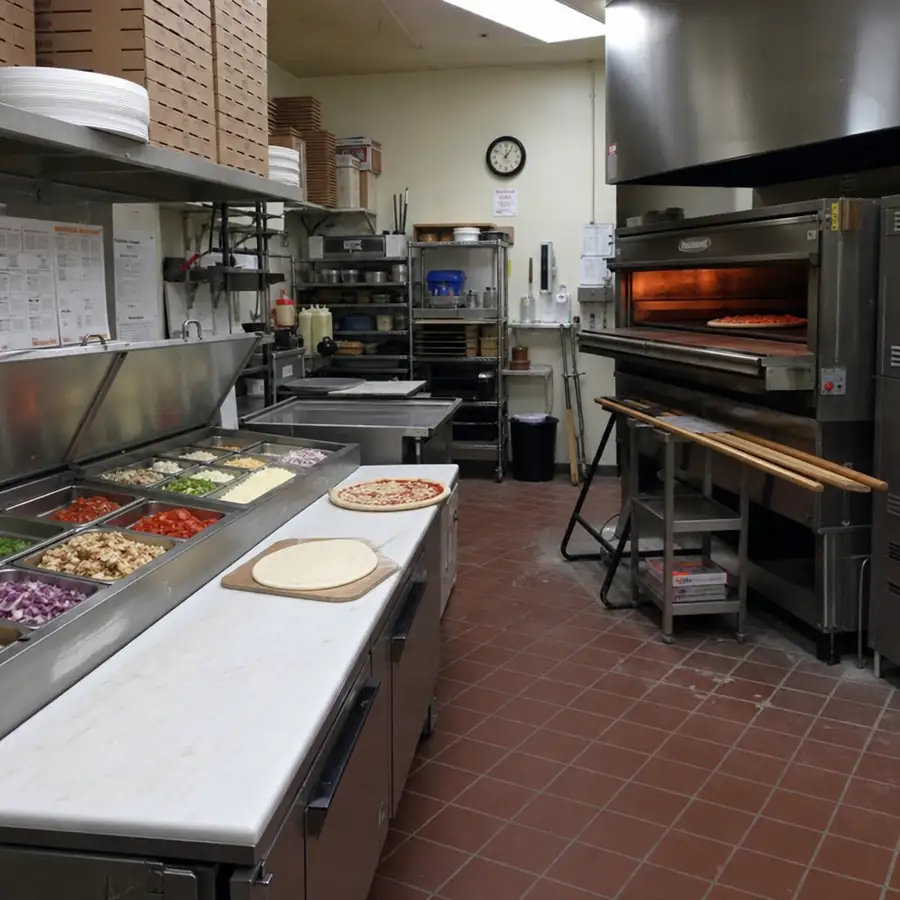
The equipment needed for pizza restaurant operations starts with a commercial pizza oven, refrigeration, dough preparation equipment, prep tables, smallwares, storage, warewashing, ventilation, and front-of-house service items. These categories work together as one production line: ingredients move from storage to pizza prep, pizzas move from assembly to baking, finished orders move to service or delivery, and used tools move to cleaning and sanitation. If one part of that flow is undersized or poorly placed, the whole operation slows down.
A practical plan separates essentials from optional upgrades. Essentials are the items required to prepare safe, consistent food during normal service. Optional items improve speed, menu range, labor efficiency, or presentation, but they can often be added later as sales patterns become clearer.
Pizza ovens are the heart of production
Pizza ovens are the heart of production, so deck oven and conveyor oven choices should match ticket volume.
Your pizza oven is the center of the kitchen, so it deserves careful planning before anything is installed. The right oven depends on your pizza style, expected ticket flow, available space, fuel access, hood requirements, and staff skill level. A small dine-in shop, high-volume slice concept, delivery-focused brand, and artisan pizzeria may all need different baking setups.
Common commercial pizza options include deck ovens, conveyor ovens, and specialty ovens. Deck ovens are often chosen for hands-on control and traditional baking. Conveyor ovens support repeatable output and can help teams maintain consistency during rushes. Specialty ovens may support a specific menu identity, but they also require careful consideration of installation, training, maintenance, and ventilation.
When evaluating pizza ovens restaurant equipment buyers should ask practical questions: Will the oven fit through the delivery path? Does the building have the required gas, electric, or ventilation setup? Can the floor support the equipment? Is there enough clearance for safe operation and service access? These questions affect the total cost of ownership because installation, utilities, cleaning, parts, downtime, and staff training all add to the purchase decision.
The Horeca Store can be a convenient place to research and source commercial pizza equipment because it lets operators compare oven categories alongside other restaurant supplies used in pizzerias. That kind of side-by-side planning helps connect the oven decision to the rest of the line instead of treating it as a standalone purchase.
Refrigeration protects quality and food safety
Refrigeration protects quality and food safety for dough, cheese, and toppings across the pizza prep table.
Refrigeration is not just cold storage; it is the backbone of ingredient control. Dough, cheese, sauces, vegetables, meats, and prepared toppings must be held safely and organized so cooks can work quickly without unnecessary handling. Poor refrigeration planning leads to cluttered prep areas, inconsistent portions, wasted ingredients, and avoidable food safety risks.
A pizza operation usually needs a combination of reach-in refrigeration, undercounter units, prep table refrigeration, and possibly walk-in storage for higher-volume operations. The choice depends on how often deliveries arrive, how much dough is made in-house, how many toppings are offered, and how far the prep station is from the cooking line.
Selection criteria should include interior organization, door swing, cleaning access, compressor placement, temperature recovery during busy service, and compatibility with the room layout. Operators should also think about heat from nearby cooking equipment, because refrigeration placed in a hot or crowded area may work harder and require more maintenance.
Essential refrigeration includes safe storage for perishable ingredients and a refrigerated prep station if pizzas are assembled to order. Optional upgrades may include dedicated dough retarders, extra undercounter units near specialty stations, or display refrigeration for grab-and-go items. The total cost of ownership includes not only the unit but also utility use, service access, replacement gaskets, cleaning labor, and the cost of product loss if refrigeration fails.
Pizza prep equipment turns ingredients into consistent orders
Pizza prep equipment turns ingredients into consistent orders when rails, bins, and smallwares stay organized.
Pizza prep is where speed and consistency meet. A well-designed prep area gives staff quick access to dough, sauce, cheese, toppings, flour, portion tools, cutting tools, and pans or screens. The station should reduce unnecessary walking, keep ingredients at safe temperatures, and make it easy to maintain clean separation between raw, ready-to-eat, and allergen-sensitive items.
Core pizza prep equipment includes prep tables, refrigerated rail units, dough boxes, ingredient bins, cutting boards, portion cups, scales, sauce ladles, cheese containers, and food pans. If dough is made in-house, the prep zone may also include mixers, worktables, proofing storage, dough trays, and dedicated shelving.
Workflow matters more than filling the room with equipment. A cook should be able to stretch dough, sauce it, top it, transfer it, and send it to the oven without crossing paths with dishwashing, receiving, or finished-order traffic. This layout protects food quality and reduces staff fatigue.
The Horeca Store is also useful for researching pizza accessories and pizza tools that support the prep station, from pans and peels to storage containers and portioning items. For a new operator, sourcing these smaller restaurant pizza equipment pieces together with larger units can make it easier to build a complete station plan.
Dough production tools depend on your menu
Dough production tools depend on your menu, from a dough mixer or spiral mixer to trays and scales.
If you make dough in-house, dough equipment becomes essential. If you buy par-baked crusts, frozen dough balls, or prepared bases, some of this equipment becomes optional. The right choice depends on brand positioning, labor availability, storage space, consistency goals, and how much control you want over fermentation and texture.
Important dough production items can include:
- Commercial mixers for combining dough batches efficiently and consistently.
- Dough trays or boxes for storing and moving dough through the proofing process.
- Ingredient bins for flour and dry goods, positioned away from moisture and contamination.
- Worktables for scaling, balling, stretching, and organizing dough.
- Scrapers, bench knives, scales, and proofing covers for portion control and handling.
The operational details matter. Flour creates dust, dough creates residue, and fermentation requires planning. Surfaces should be easy to clean, storage should be labeled, and staff should understand time and temperature controls. The total cost includes mixer maintenance, attachments, cleaning time, ingredient waste during training, and the space dedicated to dough handling.
Cooking equipment beyond the oven supports the full menu
Cooking equipment beyond the oven supports the full menu when wings or sides need a commercial fryer.
Many pizzerias sell more than pizza. Wings, pasta, sandwiches, salads, appetizers, desserts, and reheated slices can require additional cooking equipment. This is where the menu should guide the purchase list, not the other way around.
Essential equipment may include the pizza oven alone if the menu is focused and simple. Additional cooking equipment could include fryers, ranges, griddles, charbroilers, hot holding cabinets, soup warmers, or countertop units depending on the concept. Each item adds production capability, but it also adds cleaning requirements, utility demand, ventilation needs, fire-safety considerations, and staff training.
Before adding equipment, ask whether the menu item will justify the added complexity. A fryer may open up popular side dishes, but it also requires oil management, filtration, safe handling, and additional sanitation routines. Hot holding equipment can improve service speed, but only if quality remains acceptable during the hold time. Every piece should earn its place in the workflow.
Smallwares, pizza tools, and accessories keep service moving
Smallwares, pizza tools, and accessories keep service moving from peel to cut table to box.
Smallwares are easy to underestimate because they cost less individually than major equipment, but they have a major effect on speed and consistency. A missing peel, cutter, ladle, or pan can slow a station at the worst possible moment. Good smallware planning gives each station the tools it needs without constant borrowing.
Important pizza accessories and pizza tools may include:
- Pizza peels for loading, turning, and removing pies.
- Pizza screens, pans, stones, or trays based on baking style.
- Cutters, rocker knives, spatulas, tongs, and serving utensils.
- Sauce ladles, portion scoops, squeeze bottles, and measuring tools.
- Dough dockers, scrapers, brushes, and flour dusters.
- Heat-resistant gloves, aprons, and safe handling tools.
- Delivery bags, boxes, labels, and tamper-evident packaging if applicable.
The selection criteria are practical: durability, cleanability, heat resistance, staff comfort, storage space, and compatibility with your oven and menu. Optional smallwares include specialty presentation boards, branded packaging extras, or tools for limited-time menu items. Essential smallwares are the ones staff need every shift to prepare, bake, cut, and serve orders safely.
Storage and shelving create a safer kitchen
Storage and shelving create a safer kitchen by keeping flour, boxes, and hotel supplies off the floor.
Storage is part of production, not an afterthought. Dry goods, disposables, cleaning chemicals, smallwares, and backup ingredients all need dedicated places. When storage is poorly planned, staff stack boxes in aisles, block access panels, mix chemicals with food items, or waste time searching for supplies.
A pizzeria usually needs dry storage shelving, dunnage racks, ingredient bins, wall shelves, speed racks, and labeled containers. Shelving should support safe rotation, clear labeling, and first-in, first-out practices. Heavy items should be stored at safe lifting heights, and frequently used items should be close to the stations that need them.
Storage equipment has a lower profile than ovens or refrigeration, but it affects sanitation inspections, workplace safety, and labor efficiency. Consider floor cleaning access, moisture exposure, pest prevention, and whether the shelving material is appropriate for dry, cold, or wet areas. Total cost of ownership includes replacement containers, labels, broken lids, and the labor required to keep everything organized.
Warewashing and sanitation systems protect the operation
Warewashing and sanitation systems protect the operation with a reliable commercial dishwasher and sinks.
Clean tools, safe surfaces, and reliable dish flow are essential in food service. A pizzeria handles flour, cheese, sauce, oil, raw toppings, ready-to-eat ingredients, and high-touch packaging areas, so sanitation procedures must be built into the layout. Warewashing equipment should be close enough to support service but separated enough to prevent dirty items from crossing into clean prep zones.
Core sanitation and warewashing needs may include a commercial dishwasher, three-compartment sink, hand sinks, mop sink, drying racks, drainboards, sanitizer test supplies, cleaning chemical storage, and color-coded cleaning tools. Hand sinks should be accessible where staff actually work, not hidden behind equipment or storage.
The safety side is just as important as the cleaning side. Staff need clear procedures for hot pans, sharp blades, slippery floors, chemical handling, and allergen-sensitive prep. Sanitation costs include detergents, sanitizer, water, maintenance, staff time, replacement brushes, and the operational risk of inadequate cleaning. This is one area where buying too little can become expensive quickly.
Front-of-house and delivery supplies shape the guest experience
Front-of-house and delivery supplies shape the guest experience with tableware and packaging that match the brand.
Restaurant supplies for the customer-facing side should match the service model. A dine-in pizzeria needs seating, serviceware, beverage equipment, menus, check presenters, bus tubs, and possibly display or slice-warming equipment. A takeout and delivery operation needs boxes, bags, labels, receipt systems, pickup shelving, and packaging storage.
The equipment should support the promise made to guests. If delivery is central to the business, packaging and holding systems matter because pizza quality can change during transport. If slices are sold at the counter, display, holding, and fast checkout become more important. If dine-in service is the focus, table flow, beverage stations, and server access deserve more attention.
Optional items may include branded merchandising displays, specialty beverage equipment, or digital order status screens. Essential items are those required to take orders, present food safely, maintain cleanliness, and complete transactions smoothly. Total cost includes disposables, replacement serviceware, cleaning, repairs, and the space used for packaging inventory.
How should you choose between essential and optional equipment?
Choose between essential and optional equipment by menu volume, labor, and restaurant equipment financing limits.
Choose essential equipment by mapping the minimum safe workflow required to produce your core menu during a normal rush, then treat everything else as an upgrade to be justified by volume, labor savings, menu expansion, or guest experience. This approach keeps the first purchase plan focused and helps avoid tying up capital in equipment that may not be used often.
A simple buying checklist can help clarify priorities:
- Define the menu first. List every item and the equipment needed to prepare, cook, hold, package, and serve it.
- Map the workflow. Follow ingredients from delivery to storage, prep, cooking, service, and cleaning.
- Confirm utilities. Check gas, electric, water, drainage, ventilation, and space before committing to equipment.
- Plan for code and safety. Account for hood systems, fire suppression, clearances, hand sinks, and sanitation zones.
- Separate must-haves from upgrades. Buy essentials first and phase in optional items when demand supports them.
- Consider total cost of ownership. Include installation, maintenance, cleaning labor, energy use, parts, training, and downtime risk.
- Think about service access. Equipment that cannot be cleaned or repaired easily can create long-term problems.
This is also a good stage to compare restaurant kitchen layouts and source restaurant pizza equipment from a supplier that understands commercial foodservice categories. The Horeca Store can serve as a convenient research and sourcing destination when building a coordinated pizza restaurant equipment list, especially when you want to view large equipment and supporting supplies in one place.
Installation and layout decisions affect long-term performance
Installation and layout decisions affect long-term performance of the pizza oven, hood, and prep line.
Equipment planning should happen before finalizing the kitchen layout. Ovens need ventilation and safe clearances. Refrigeration needs airflow and service access. Dish areas need drainage and separation from clean prep. Prep stations need proximity to cold ingredients, dough storage, and the pizza oven.
Utility requirements can affect cost and timing. Some equipment may require professional installation, dedicated electrical service, gas connections, water lines, floor drains, or ventilation work. Even when a unit seems simple, its placement can influence heat, noise, staff movement, cleaning access, and future repairs.
Think in zones: receiving, dry storage, cold storage, dough prep, topping prep, cooking, finishing, service, warewashing, waste, and staff handwashing. The best layout reduces cross-traffic and keeps dirty, raw, clean, hot, and finished items moving in logical directions. This helps the team work faster while supporting safety and sanitation.
A complete equipment plan supports consistency, not clutter
A complete equipment plan supports consistency, not clutter, when every station has a clear commercial pizza equipment role.
A good pizzeria is not built by buying the most equipment; it is built by buying the right equipment for the menu, space, team, and service model. Start with the essentials: pizza oven, refrigeration, prep stations, dough tools if needed, smallwares, storage, sanitation, and service supplies. Then add optional equipment only when it improves workflow, expands profitable menu items, or solves a real operational bottleneck.
Your final pizza restaurant equipment list should read like a production plan. Every item should have a purpose, a place, a cleaning routine, a utility requirement, and a role in getting consistent pizza to the guest. When equipment decisions are tied to workflow and total cost of ownership, the kitchen becomes easier to train, easier to maintain, and better prepared for busy service.