
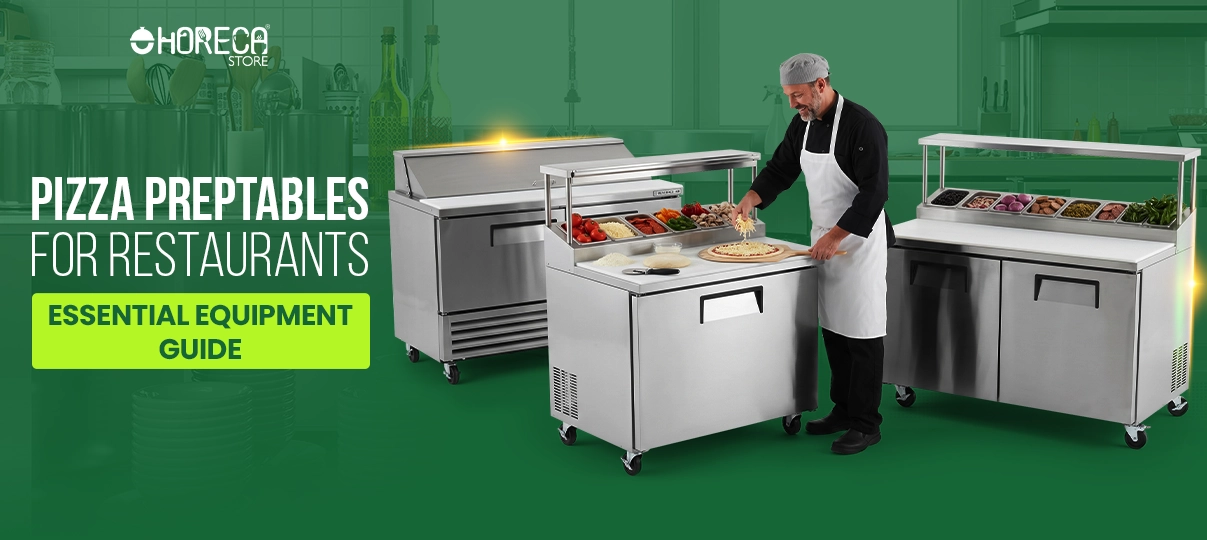
Ever wonder how a pizzaiolo turns out sixty pies an hour, while making just one pizza at home leaves your kitchen in shambles? Making a single pie on a kitchen counter is a fun mess, but crafting a hundred consistent pizzas requires a specialized command center. A commercial Pizza Prep Table transforms chaos into an efficient assembly process.
In practice, professional kitchens rely on what veterans call the "make line"—a linear workflow where every ingredient sits within an arm's reach. Instead of constantly turning around to open a refrigerator, chefs use a dedicated pizza preparation station. This setup allows them to slide dough along a giant, chilled cutting board, grabbing cheese and pepperoni from built-in compartments in mere seconds.
The true genius of this equipment goes far beyond simple storage. According to commercial kitchen designers, the biggest threat to fresh ingredients is the massive pizza oven radiating heat just a few feet away. To combat this, the table utilizes "thermal isolation," creating an invisible bubble of cold air that keeps toppings at a safe 38°F even when the surrounding room feels like a sauna.
Without this protective cooling power, service would grind to a halt and delicate ingredients would quickly spoil during a peak dinner rush. Ultimately, this metal powerhouse does two critical jobs at once: providing an expansive workspace for stretching dough while aggressively refrigerating the supplies that make each slice perfect.
The Anatomy of a Pro Station: Three Zones of Pizza Perfection
Making pizza at home usually involves a frantic dance between the fridge and the counter. To eliminate this scramble, pizzerias rely on a stainless steel pizza preparation station. This professional command center is carefully divided into three distinct zones that turn kitchen chaos into a smooth, Subway-style assembly line.
During a busy shift, these three areas function together seamlessly:
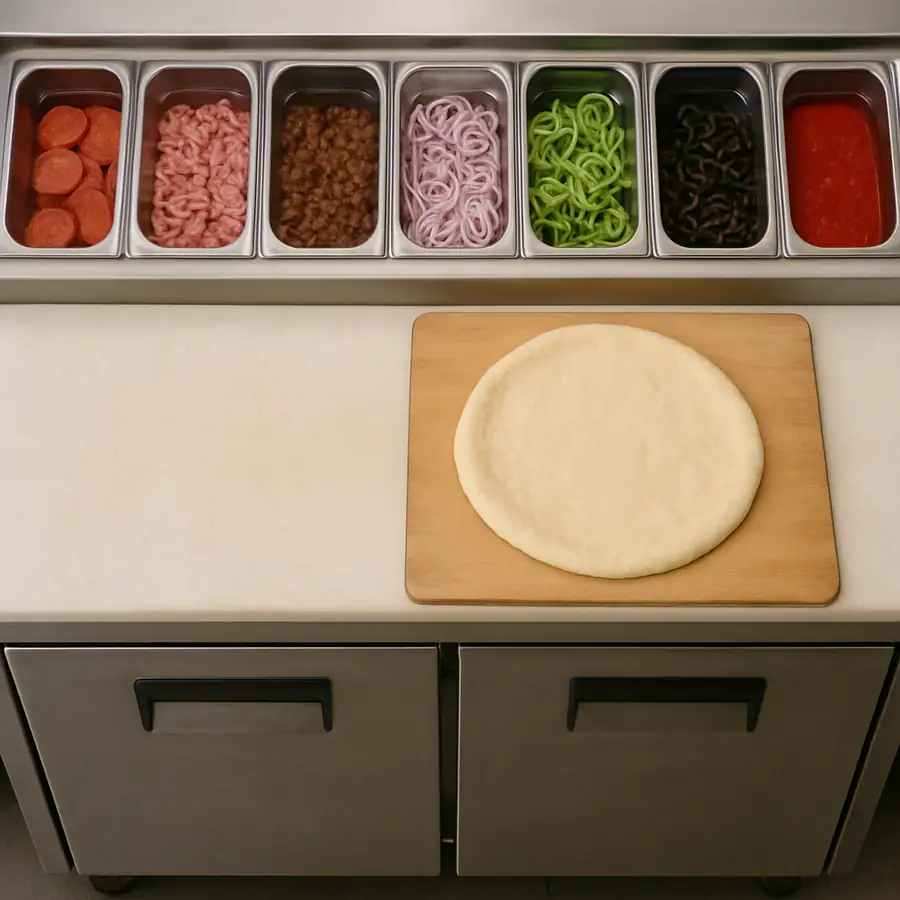
- The Topping Rail: A chilled trench located at the top back of the unit, holding all your ready-to-use ingredients right at arm's length.
- The Work Surface: A giant, deep cutting board sitting directly in front of the ingredients, giving you plenty of room to stretch dough without making a mess.
- The Base Storage: The refrigerated cabinet underneath the table, acting as a bulk holding area for extra cheese or backup pepperoni that can be quickly grabbed when the top runs low.
Fueling those high capacity ingredient storage rails is a clever industry secret called Gastronorm (GN) sizing. These are simply standardized food containers that drop perfectly into the rail like modular puzzle pieces. Thanks to standard gastronorm pan configurations, a chef can easily swap one massive pan of fast-moving mozzarella for two smaller pans of onions and peppers without leaving any unchilled gaps in the table.
Having everything within such easy reach is incredibly convenient, but it introduces a massive mechanical challenge. With open ingredients sitting just steps away from a blazing oven, standard kitchen technology simply isn't enough.
Keeping Toppings Fresh in a 500-Degree Room: The Science of Cooling
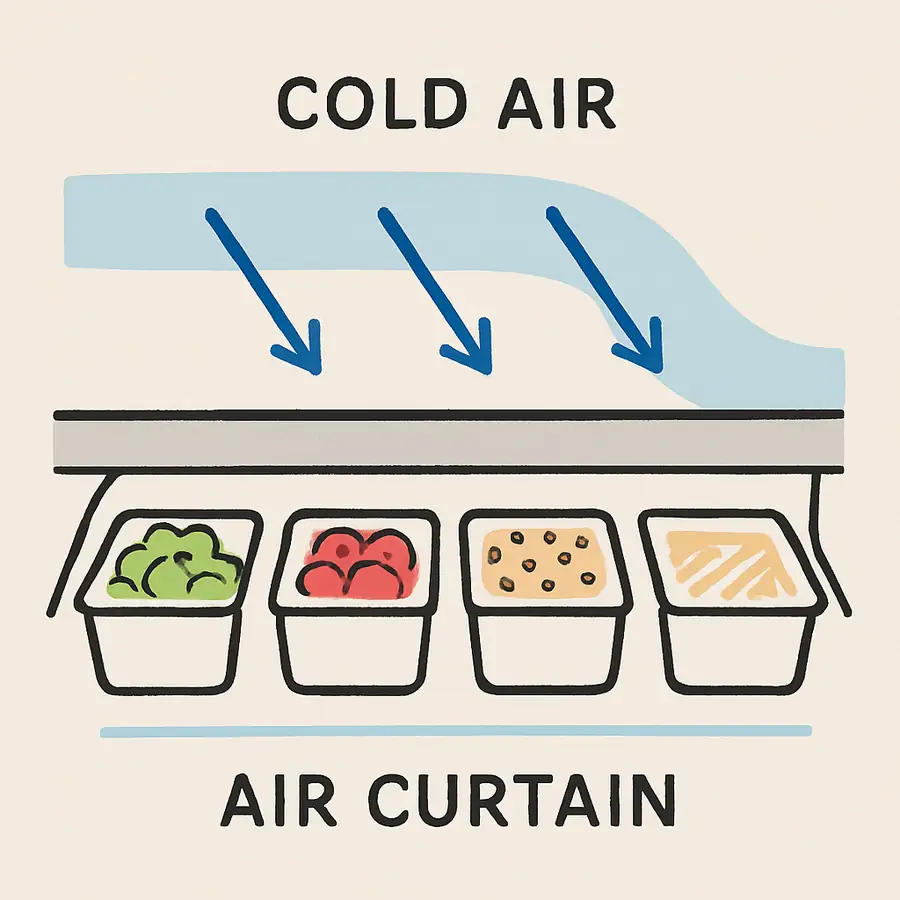
A pizzeria's shredded cheese never melts in the pans because of an invisible trick called an "air curtain." When a chef leaves the prep lid open during a busy shift, instead of just chilling the metal beneath the food, specialized fans blow a constant stream of frigid air directly across the open pans, creating a frosty shield that deflects the blazing kitchen heat.
The mechanics behind this shield spark an industry debate over air cooled vs wrap around cooling systems. Wrap around—or "cold wall"—technology runs chilling tubes inside the table's actual structure, delivering a steady, ice-cold hug to the ingredients. Conversely, high-volume shops rely heavily on forced air cooling for food safety. This method actively blasts circulating cold air throughout the cabinet and top rail, guaranteeing temperatures instantly recover every time a busy cook pulls open a door.
Maintaining your ingredients strictly below 41°F is more than a quality preference; it is a strict legal requirement. Health inspectors actively check for NSF certified kitchen equipment, a rigorous standard proving the table can hold a safe temperature bubble despite severe environmental stress.
Packing this heavy-duty cooling power into a restaurant requires serious floor space. Deciding exactly how much storage you need is the next hurdle, bringing you to the choice between a compact setup and a sprawling commercial giant.
Sizing Your Station: How to Choose Between a Compact Unit and a 119-Inch Giant
Every busy kitchen relies on a carefully choreographed dance, and the stage for that performance is the food prep table. Before finalizing your setup's physical footprint, you must count your planned toppings. A minimalist menu might just need slots for mozzarella and fresh basil, while a loaded menu demands a sprawling landscape of ingredients. This simple count dictates your "pan capacity"—the exact number of standardized containers the top rail must hold.
To visualize how ingredient capacity translates into a commercial refrigerated pizza make line, picture these standard industry widths in your kitchen:
- 44-inch unit: Holds roughly 6 pans (about the size of a small desk).
- 60-inch unit: Holds 8 to 9 pans (roughly the length of a loveseat).
- 93-inch unit: Holds 12 to 15 pans (spans a large living room sofa).
- 119-inch unit: Holds up to 18 pans (a ten-foot giant built for massive assembly lines).
Determining the exact size prep table you need means balancing this wish-list with realistic kitchen throughput. Buying a 119-inch giant ensures you never run out of pepperoni, but if it traps your cooks in a cramped corner, your service speed plummets. Smart operators measure their linear workflow footprint, ensuring chefs have enough runway to slide pizzas effortlessly down the line.
Space and capacity are only half the equation when designing your ultimate pizza station. The physical board where the stretching and saucing happens is just as crucial, bringing us to marble vs. stainless steel.
Marble vs. Stainless Steel: Choosing the Right Surface for Perfect Dough
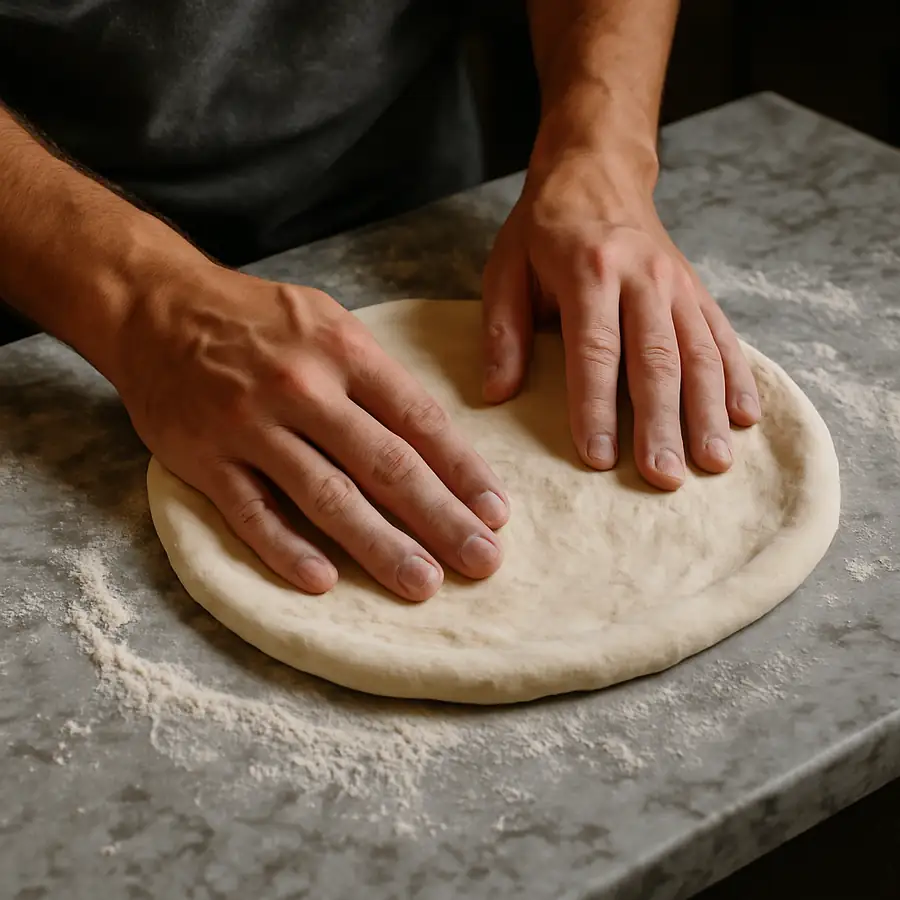
When it comes to the actual stretching and saucing, the top of your kitchen prep table plays a surprisingly active role in your pizza's success. High-hydration doughs—those wet, artisanal recipes that create beautifully airy crusts—are incredibly sensitive to their environment. Because dough temperature directly affects how the gluten handles, a work area that gets too warm will quickly turn a perfectly proofed dough ball into a sticky, unmanageable mess that clings to everything it touches.
To combat this ambient heat, traditional pizzaiolos swear by a heavy duty marble work surface. Stone features a high "thermal mass," meaning it acts like a giant sponge that holds onto cold air and resists warming up, even with a blazing oven just a few feet away. This natural chilling effect is essential for maintaining consistent dough temperature, allowing chefs to stretch delicate Neapolitan crusts smoothly without tearing or requiring excessive amounts of dusting flour.
Conversely, fast-paced commercial kitchens often opt for stainless steel tops. While metal doesn't stay quite as naturally cool as stone, it is practically indestructible, never requires protective sealants, and easily withstands the constant, heavy impacts of high-volume service. Whether you choose the artisanal chill of marble or the rugged efficiency of steel, getting the dough ready is just the foundation. Once that perfectly stretched canvas hits the board, your speed and success rely entirely on organizing your "make line" for peak hour efficiency.
Organizing Your 'Make Line' for Peak Hour Efficiency
With your dough stretched across that cool surface, the real race begins. Watching a pizzaiolo build a pie in under sixty seconds reveals that speed isn't just fast hands; it’s the result of ergonomic "reach zones." Every time a chef takes an extra step or crosses their arms, they lose precious seconds. Treating your pizza prep table equipment as a mapped command center eliminates wasted movement.
The secret to this speed is a left-to-right workflow, mimicking a simple assembly line. By organizing pizza toppings for efficiency, you build a natural rhythm that prevents backtracking. A professional "Smart Layout" follows this five-step path:
- Dough: The foundation starts directly on the main work surface.
- Sauce: Placed closest to the dough for a quick, sweeping ladle motion.
- Cheese: Positioned front-and-center for grabbing heavy handfuls.
- Proteins: Grouped next so meats sit below the lighter ingredients.
- Veggies: Placed at the far end to crown the pizza before baking.
Beyond speed, this deliberate arrangement acts as a daily shield for preventing cross contamination in pizza prep. Keeping raw sausage strictly separated from fresh bell peppers ensures a stray piece of meat doesn’t accidentally ruin a vegetarian order. Think of these divided sections as invisible fences protecting both your diners and your ingredients. Yet, even the most beautifully organized line will eventually succumb to dropped cheese and flour dust. To keep your kitchen running smoothly, you must understand the daily routines for avoiding costly breakdowns.
Avoiding Costly Breakdowns: Essential Cleaning and Maintenance
Even an expertly orchestrated assembly line generates a chaotic amount of airborne flour and rogue cheese. When this daily debris sneaks into hidden crevices, it actively threatens your equipment's survival. Mastering the art of cleaning and maintaining commercial refrigeration units separates a briefly successful pizzeria from a neighborhood institution. Beyond just passing rigorous health audits, this upkeep is ultimately about protecting the expensive metal heart of your kitchen.
Just like humans, these massive cooling machines need fresh air to breathe. Below the main workspace lies the condenser coil, a vital component acting much like a household dryer's lint trap. When fine flour dust clogs this metallic grid, the motor must work overtime just to push heat out. Brushing this coil down monthly prevents the entire system from suffocating, sparing operators from shockingly expensive emergency repair bills.
Another silent killer of commercial fridges is a damaged gasket seal. These flexible, rubber magnetic strips line the heavy steel doors, locking the vital cold air inside the cabinet. If a seal tears from dried-on tomato sauce, it is exactly like leaving your house window wide open with the air conditioning running. Catching weak seals early is crucial for maintaining consistent dough temperature and preventing ingredients from spoiling.
Establishing a preventative maintenance cycle turns these potential mechanical disasters into quick, manageable chores. By inspecting door seals and airflow weekly, chefs keep their command centers humming effortlessly.
Turning Your Passion into a Pro Setup: The Final Slice
A fundamental truth of the commercial kitchen is clear: a dedicated prep table is the true command center turning a messy hobby into a smooth, professional operation. By keeping dough at the perfect consistency and ingredients safely chilled in the "safety bubble," this station protects the freshness of every pie. You also realize why the heavy-duty cooling required for raw dough makes any pizza prep table vs sandwich prep table comparison an easy win for serious makers.
When you are ready to invest in this ultimate piece of kitchen infrastructure, build your personalized buying plan around this priority checklist:
- Space/Size: Match the table's physical footprint and pan capacity directly to your menu's topping complexity.
- Cooling Type: Choose forced air or cold wall technology based on how hot your specific kitchen gets during a busy shift.
- Surface Material: Ensure the board provides a deep, easy-to-clean workspace that prevents your delicate dough from sticking.
The next time you watch a chef effortlessly slide a beautifully topped pie into a roaring oven, you will appreciate the invisible engineering making that speed possible. Whether you are outfitting a food truck, upgrading a neighborhood staple, or finally taking your backyard pizza passion to the professional level, matching your menu's demands to the right prep station will help your kitchen's efficiency soar.
Buy Pizza Prep Tables for Restaurants from The Horeca Store
A pizza prep table is an essential piece of equipment for pizza restaurants, cafés, and commercial kitchens looking to improve food preparation efficiency and organization. Designed with refrigerated storage, ingredient compartments, and durable work surfaces, pizza prep tables help chefs keep toppings fresh while creating pizzas quickly and consistently. The Horeca Store offers high-quality commercial pizza prep tables built to meet the demands of busy foodservice operations.
At The Horeca Store, we provide reliable pizza prep tables for restaurants that combine functionality, durability, and performance. Whether you are opening a new pizzeria or upgrading your existing kitchen, our commercial kitchen equipment solutions help improve workflow and maintain food quality. Explore our collection to find the ideal pizza prep table for your restaurant, café, or catering business.