
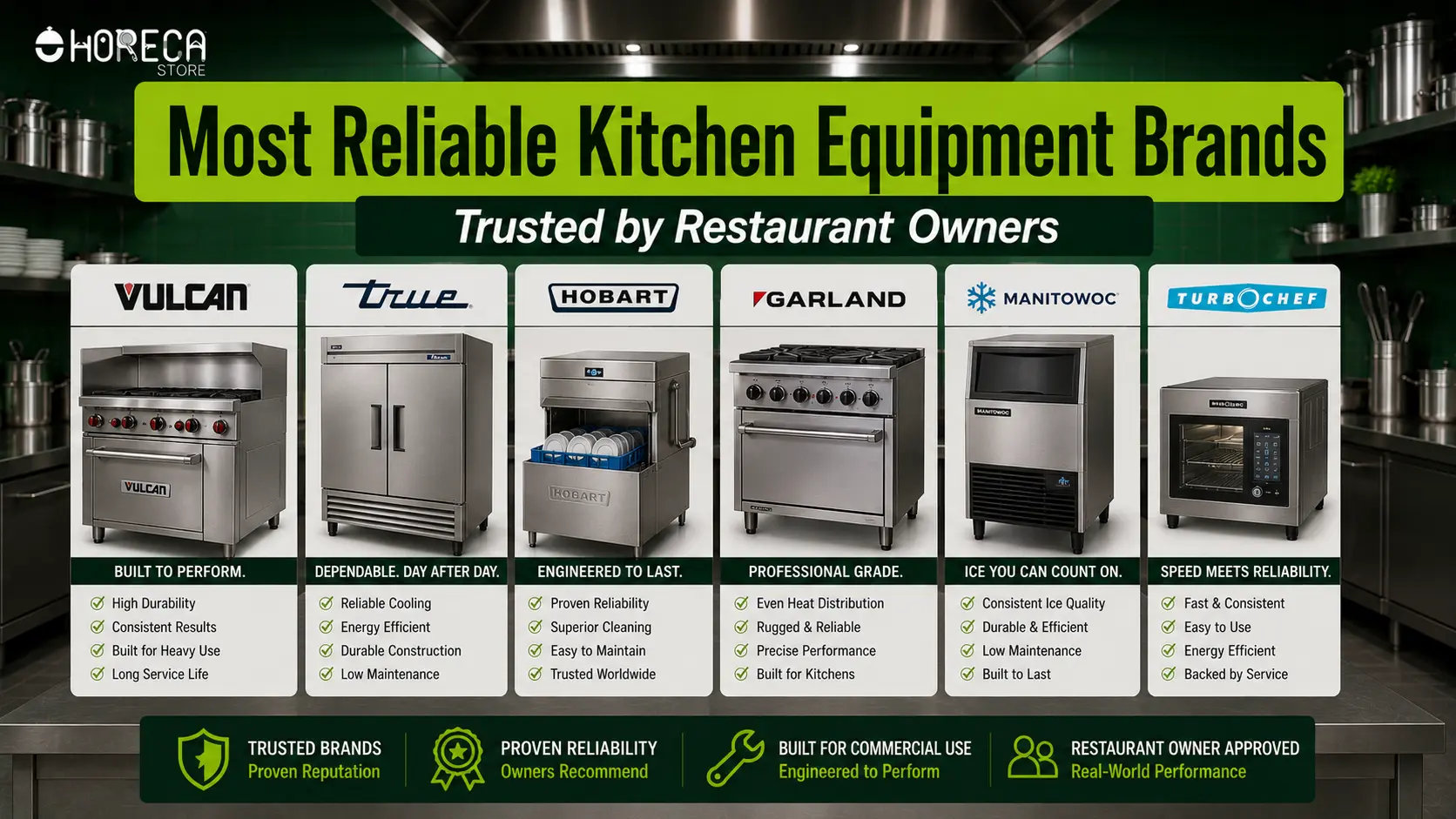
The heart of any successful restaurant is its kitchen. When the Friday night dinner rush hits, your back-of-house operations need to run like a well-oiled machine. A single blown compressor or malfunctioning oven can completely derail service, leading to comped meals, frustrated staff, and damaged reputations. That is exactly why experienced operators prioritize investing in the Most Reliable Commercial Kitchen Equipment Brands According to Restaurant Owners.
Navigating the vast sea of restaurant kitchen supplies can be overwhelming. Do you pay the premium for a legacy brand, or take a chance on a budget-friendly newcomer? To help you make the best purchasing decisions, we have compiled insights, industry data, and kitchen equipment reviews from seasoned restaurateurs to highlight the brands that actually survive the heat of a professional kitchen.
The True Cost of Equipment Failure
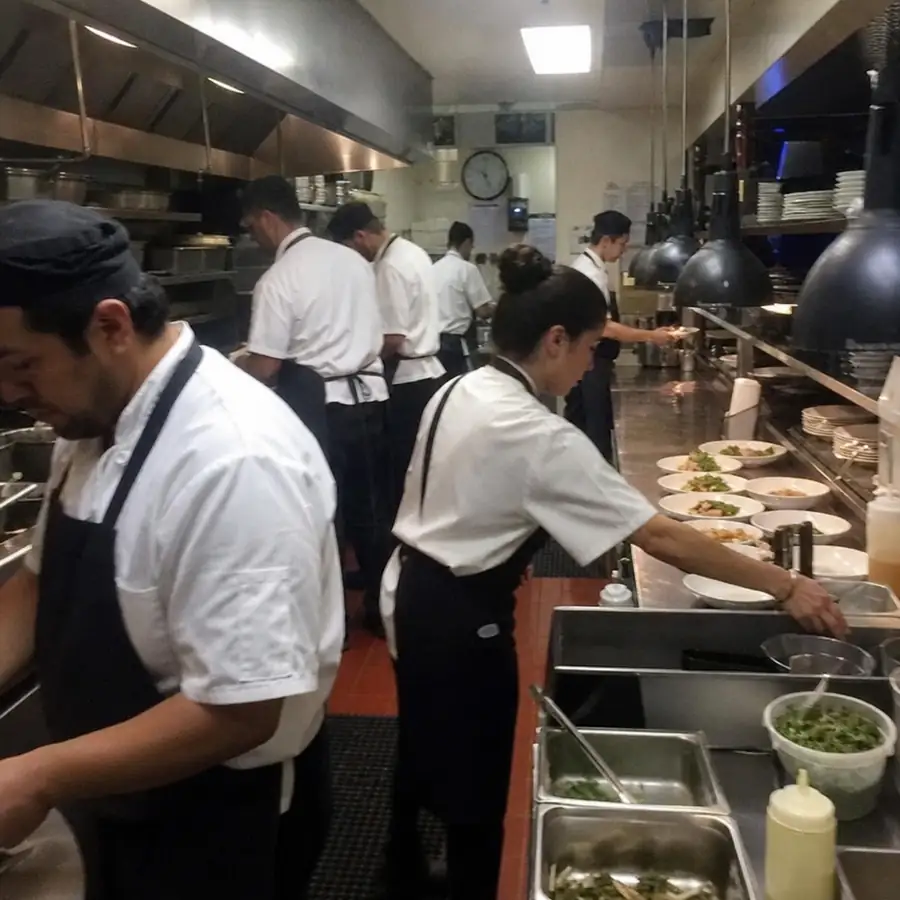
Before diving into specific brands, it is vital to understand the economics of your kitchen. Preventing breakdowns in high-volume food service is not just about convenience; it is about protecting your profit margins. When a vital piece of gear goes down, you lose money on three fronts: lost food product, stalled service, and emergency repair bills.
Minimizing kitchen equipment repair costs starts with your initial purchase. Buying durable kitchen appliances from trusted manufacturers often yields a lower Total Cost of Ownership (TCO) than buying cheap equipment that requires constant fixing. Reliable commercial kitchen equipment acts as an insurance policy for your daily operations.
Hot Side Heavyweights: Top Brands for Ranges and Ovens
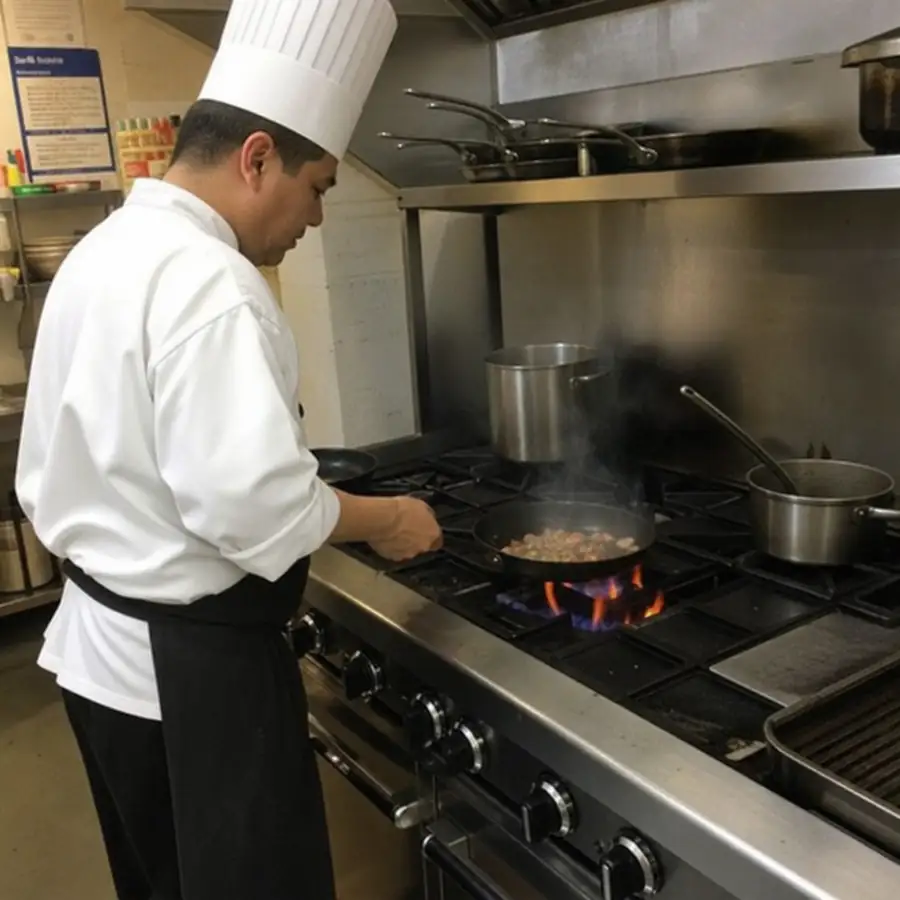
When it comes to the "hot side" of the line, you need reliable cooking equipment that provides consistent heat distribution, withstands constant slamming of heavy pans, and is easy to clean.
The Great Debate: Vulcan vs. Wolf
Walk into almost any high-end commercial kitchen, and you will likely see one of two badges on the cooking line: Vulcan or Wolf. A frequent topic of discussion among culinary professionals is the Vulcan vs Wolf range performance comparison.
- Vulcan: Known as an absolute workhorse. Restaurant owners praise Vulcan for its brute strength and straightforward mechanics. Vulcan ranges consistently score at the top of commercial oven durability ratings. They are built to take a beating, with heavy-duty cast-iron grates and robust knobs that rarely strip.
- Wolf (by ITW Food Equipment Group): Often favored in fine-dining environments, Wolf ranges are celebrated for their precision. Chefs love the exact temperature control and the slightly more refined gas flow, which is perfect for delicate sauces and simmers.
Both brands represent the pinnacle of professional cooking gear. Your choice ultimately depends on whether your menu leans toward high-volume, aggressive cooking (advantage Vulcan) or precise, varied techniques (advantage Wolf).
The Magic of Combi Ovens
If you are looking for the best combi oven for high-volume kitchens, the industry consensus points overwhelmingly to Rational.
Rational essentially invented the combi oven category and remains the gold standard. These intelligent ovens use a combination of steam and convection heat to roast, bake, poach, and grill—often simultaneously. Restaurant owners swear by Rational for their self-cleaning features and precise digital interfaces. While they represent a significant upfront investment, they replace multiple other appliances, saving precious footprint and labor hours.
Keeping It Cool: Top-Rated Heavy Duty Refrigeration Brands
Refrigeration is the lifeblood of food safety. If a range breaks, you stop cooking; if a walk-in breaks, you lose thousands of dollars in inventory overnight.
When discussing top-rated heavy duty refrigeration brands, two names dominate the conversation: True Manufacturing and Traulsen.
True Refrigeration
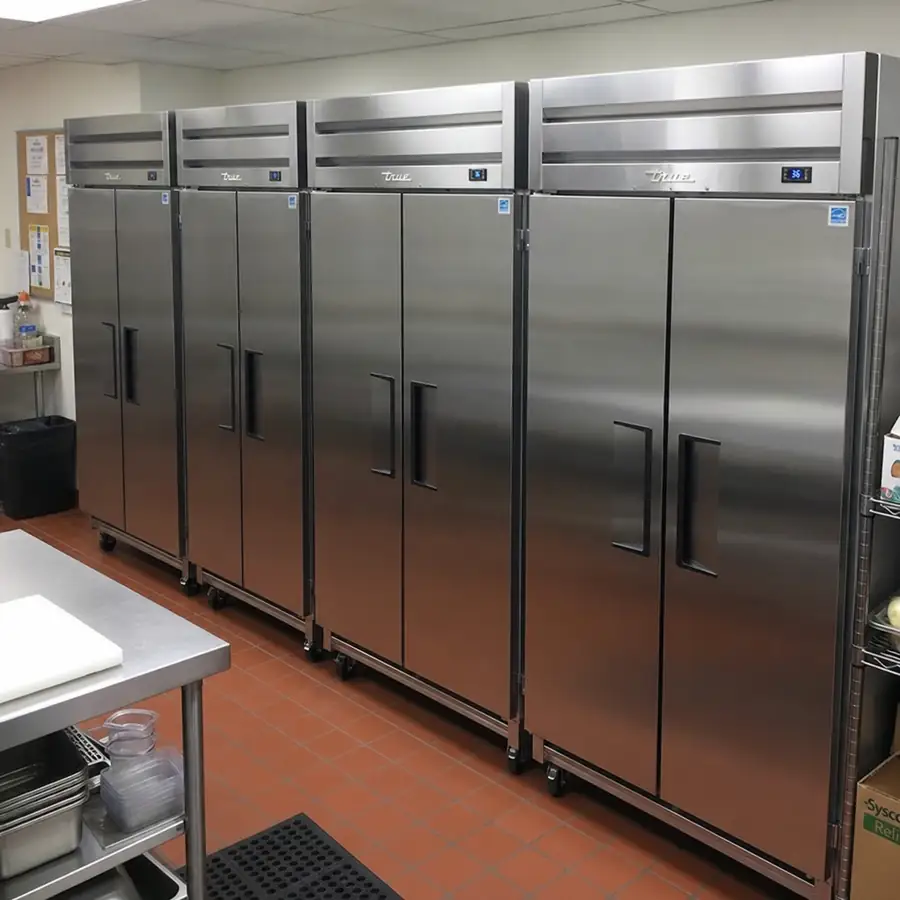
If you read through restaurant owner reviews of True refrigeration, a common theme emerges: unmatched reliability and incredible parts availability. True uses oversized, factory-balanced refrigeration systems that allow for faster temperature recovery—a crucial feature when cooks are opening and closing reach-in doors hundreds of times a shift. True is widely considered the industry standard for reach-ins, prep tables, and under-counter units.
Traulsen
Traulsen is often viewed as the premium step-up, particularly for massive institutional kitchens. They are famous for their all-metal construction (both interior and exterior) and advanced microprocessor temperature controls. If you want equipment that will last two decades with proper maintenance, Traulsen is an exceptional choice.
Food Prep Workhorses: Mixers and Processors
The prep area requires tools that can handle tough, repetitive tasks without burning out their motors.
Hobart Mixers: The Unchallenged Kings
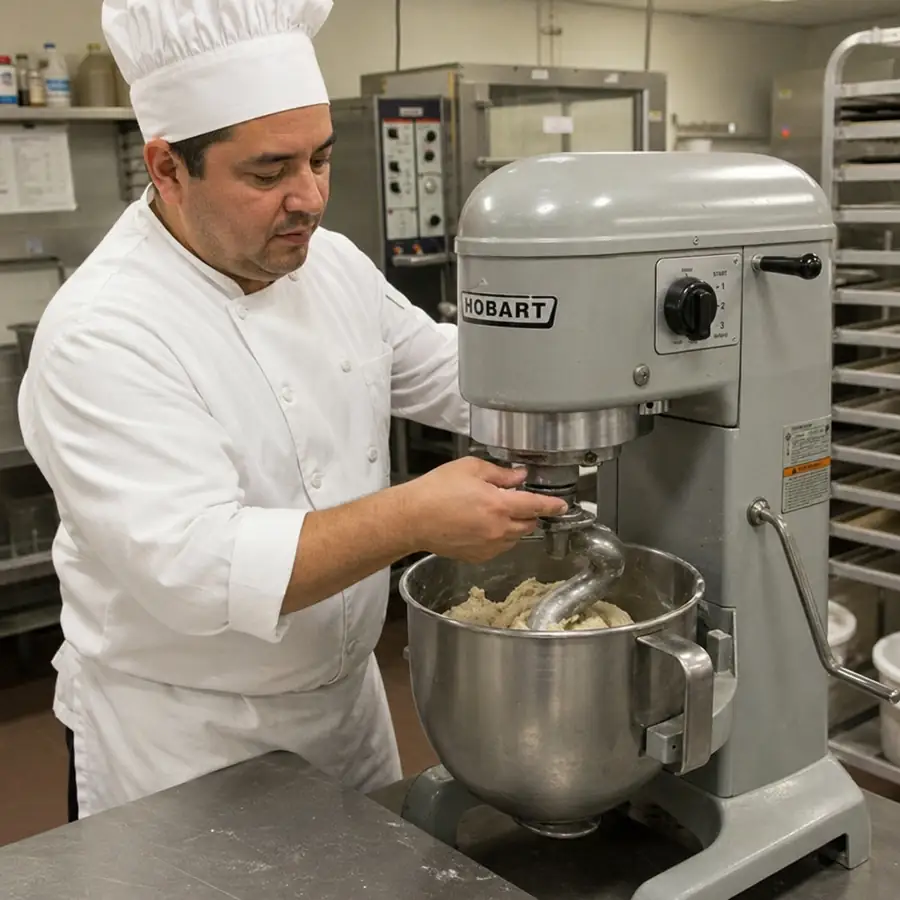
Why do restaurant owners prefer Hobart mixers? The answer is simple: gear-driven transmission. Unlike cheaper belt-driven mixers that slip and snap under heavy loads (like thick pizza or bagel dough), Hobart's direct-drive planetary mixers power through everything. They are undeniably heavy, meticulously engineered, and known to last for 30 years or more. A Hobart mixer is not just a purchase; it is an heirloom.
Robot Coupe: The Processing Masters
For chopping, slicing, and pureeing, Robot Coupe is the undisputed champion of heavy-duty kitchen tools. Their food processors feature industrial-grade induction motors that are incredibly quiet but fiercely powerful.
When outfitting your prep station, always look for NSF certified commercial food prep tools. The NSF (National Sanitation Foundation) certification guarantees that the equipment is constructed in a way that promotes easy cleaning and prevents foodborne illness—a non-negotiable requirement for health inspections.
The Dish Pit: Industrial Dishwashers
The dishwashing station is arguably the harshest environment in a restaurant. Equipment here is subjected to scorching water, harsh chemicals, and constant moisture.
When looking at industrial dishwasher lifespan and repair frequency, brands like Hobart, Champion, and Jackson lead the pack.
- Hobart: Just like their mixers, Hobart dishwashers (from under-counter models to massive flight-type machines) boast industry-leading lifespans. They are highly efficient, often featuring advanced heat recovery systems.
- Champion: Known as the "Dishwashing Machine Specialist," Champion creates incredibly rugged units that boast lower repair frequencies than budget competitors, provided routine deliming and maintenance schedules are followed.
Pro Tip: The key to extending the lifespan of any commercial dishwasher is water treatment. Hard water will destroy even the best machines. Always install a water softener to protect your investment.
Essential Considerations Before Buying Commercial Kitchen Tools
Selecting the right brand is only part of the equation. You also need to understand the specifications that make a piece of equipment genuinely "heavy-duty."
1. Understanding Stainless Steel Grades
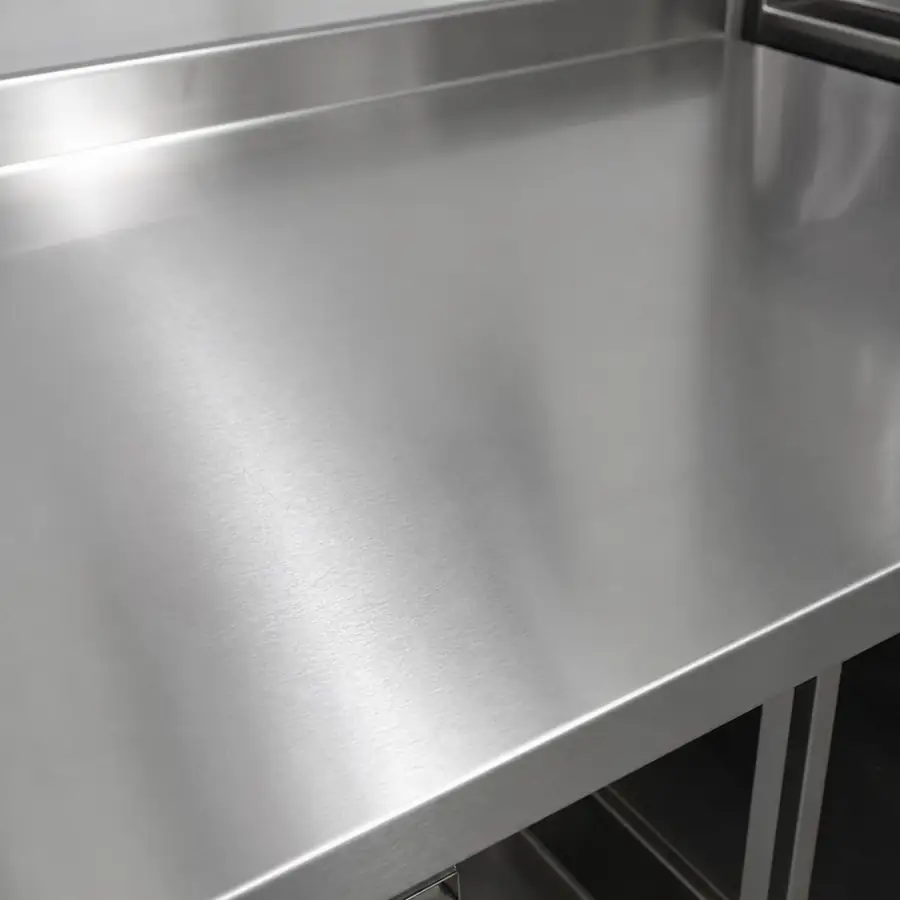
Not all stainless steel is created equal. The stainless steel grade for commercial kitchen surfaces dictates how well the equipment will resist rust, corrosion, and denting.
- Type 304: This is the premium standard. It contains higher levels of nickel and chromium, making it highly resistant to corrosion—perfect for tables, sinks, and the interiors of high-end refrigerators.
- Type 430: A more affordable option, 430 stainless has less nickel. It is magnetic and slightly more prone to corrosion in highly acidic or salty environments.
2. Prioritize Energy Efficiency
Utility bills can quietly eat away at your margins. Look for Energy Star rated industrial kitchen appliances. Equipment like fryers, ice machines, and dishwashers carry Energy Star ratings if they meet strict efficiency guidelines. While an Energy Star-rated deep fryer might cost 15% more upfront, the savings on natural gas or electricity will usually pay for the difference within the first year.
3. Analyze the Warranty
Never overlook the warranty coverage for professional cooking appliances. A strong warranty indicates a manufacturer's confidence in their product. Look for:
- Parts and Labor: Ideally, you want a minimum of a 1-year parts and labor warranty. Many top brands offer 2 or 3 years.
- Compressor Warranties: For refrigeration, the compressor should have a separate 5-to-7-year warranty.
- Service Networks: A warranty is useless if there are no authorized repair technicians in your city. Brands like Vulcan, Hobart, and True have massive, nationwide service networks.
Setting Up for Success: Purchasing Strategy
If you are building a concept from scratch, identifying the essential heavy duty equipment for new restaurants is step one. You will need a reliable range, robust refrigeration, sanitary prep tables, a high-temp dishwasher, and ample ventilation. But where you buy these items matters just as much as what you buy.
How to Choose Commercial Kitchen Equipment Vendors
- Local Expertise vs. Online Pricing: Online retailers often offer the lowest sticker prices, but local brick-and-mortar dealers offer indispensable relationships. A local dealer will often provide site visits, help with installation, and offer loaner equipment if yours breaks down.
- After-Sales Support: Ask vendors about their service response times. Do they have an in-house service team, or do they outsource to third-party contractors?
- Inventory Availability: In a pinch, you need a vendor who stocks parts. Waiting three weeks for a proprietary oven gasket is unacceptable in this industry.
- Design and Layout Services: The best vendors do not just sell boxes; they help optimize your kitchen flow. They will ensure you have the correct electrical phases, gas line sizes, and hood ventilation clearances for the equipment you are purchasing.
A Note on Preventative Maintenance
Even the most robust commercial kitchen tools require care. You cannot buy a $10,000 Rational combi oven, ignore the self-cleaning prompts, and expect it to survive. To keep your repair costs low:
- Train Your Staff: Ensure every cook knows how to properly clean and operate the equipment. Don't let staff slam oven doors or use abrasive steel wool on delicate surfaces.
- Schedule Regular Check-ups: Have a certified technician calibrate your ovens, clean refrigerator condenser coils, and check gas lines twice a year.
- Keep Parts on Hand: Keep minor, frequently replaced items (like gaskets, pilot thermocouples, and fryer baskets) in your office to avoid unnecessary service calls.
Find Trusted Commercial Kitchen Equipment at The Horeca Store
Building a reliable restaurant kitchen starts with choosing quality equipment from trusted suppliers. The Horeca Store offers a wide range of commercial kitchen equipment and hospitality supplies, including refrigeration units, cooking appliances, coffee equipment, dishwashing solutions, food preparation tools, stainless steel furniture, and restaurant essentials.
Whether you are opening a new restaurant, expanding an existing operation, or upgrading your kitchen, The Horeca Store provides professional solutions designed for efficiency, durability, and performance. With competitive pricing, quality products, and dependable support, we help restaurant owners build kitchens that are ready for long-term success.
The Bottom Line
Equipping a commercial kitchen is one of the largest capital expenditures you will face as a restaurant owner. The temptation to cut corners and buy budget-tier equipment is real, but as the old culinary adage goes: buy nice, or buy twice.
By investing in the most reliable commercial kitchen equipment brands—like Vulcan or Wolf for heat, True or Traulsen for cold, and Hobart for prep and cleaning—you are investing in the longevity and sanity of your business. Combining these premium brands with a strict preventative maintenance schedule and strong vendor relationships will ensure your kitchen stays out of the weeds, allowing you to focus on what truly matters: serving incredible food to your guests.