
Menu engineering is a powerful tool for restaurant success. It involves strategic menu design to boost profitability.
Equipment choices play a crucial role in this process. They directly impact food costs and menu pricing.
Efficient equipment can reduce waste and improve preparation times. This leads to lower costs and higher profits.
Understanding the link between equipment and menu items is essential. It helps in crafting a menu that aligns with kitchen capabilities.
A well-designed menu considers both popularity and profitability of dishes. This balance is key to a successful menu strategy.
Using tools like menu engineering worksheets can simplify analysis. They help evaluate the performance of each menu item.
Staying updated with menu trends can attract more customers. It also guides equipment choices for new opportunities.
Ultimately, menu engineering is about optimizing every aspect of the menu. This ensures maximum profitability and customer satisfaction.
What Is Menu Engineering and Why Does It Matter?
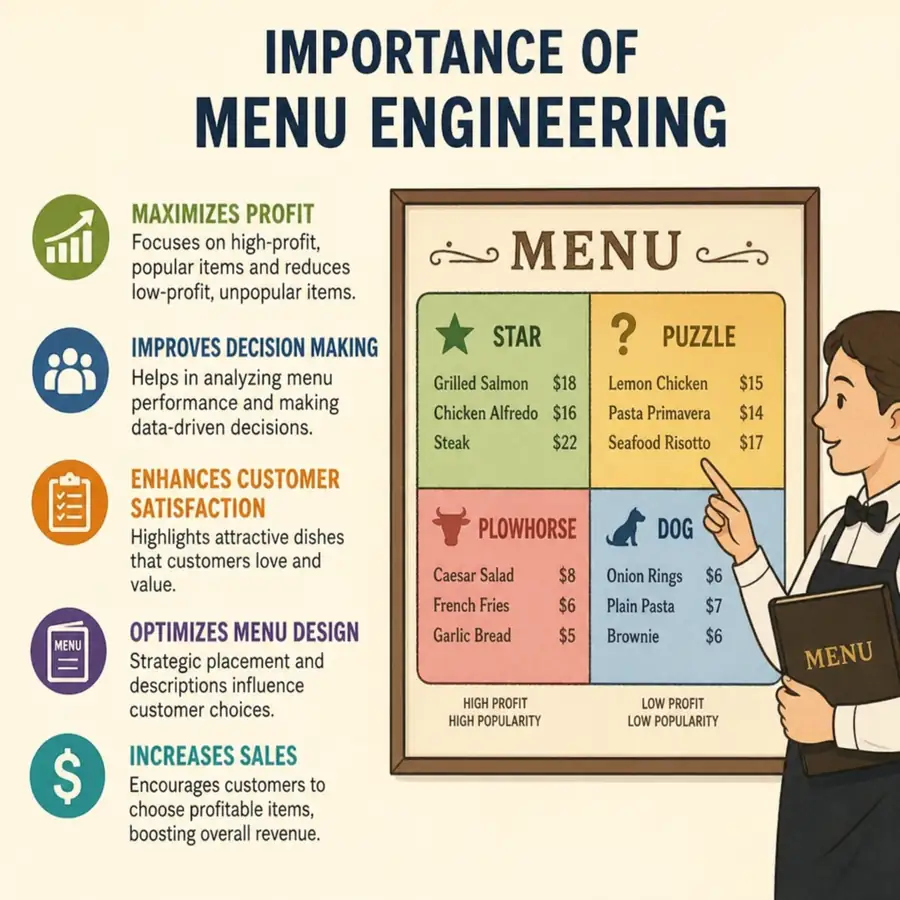
Menu engineering is strategic approach to creating a menu that maximizes profits. It focuses on analyzing the popularity and profitability of each dish.
By classifying menu items based on performance, owners can enhance their menu strategy. This approach ensures that best items shine while underperforming ones are improved or removed.
Here's why menu engineering matters:
- Optimizes profitability: It identifies high-profit, high-popularity items.
- Enhances customer satisfaction: Focuses on dishes that customers love.
- Reduces food cost: Streamlines menu items for efficiency.
The process involves using data and insights to make informed decisions. A menu engineering worksheet can simplify this process. It provides a clear picture of which menu items perform well and which don't.
This strategic focus helps maintain a balance that benefits both the business and its patrons.
The Link Between Equipment Choices and Food Cost
Equipment choices in a restaurant can directly impact food costs. Efficient equipment reduces waste and lowers operating expenses. Outdated or inefficient equipment, however, may increase both time and energy usage.
Using equipment that aligns with the menu design is crucial. It ensures that preparation times are optimized and food quality is maintained. This optimization can significantly affect the menu profitability.
Here's how equipment influences food costs:
- Energy efficiency: Modern equipment consumes less energy, lowering bills.
- Waste reduction: Precision tools minimize ingredient waste.
- Maintenance costs: Regular upkeep avoids expensive breakdowns.
Understanding how equipment works with menu items can guide purchasing decisions. Investing in high-quality equipment may initially cost more but often leads to long-term savings.
For instance, a fast convection oven can speed up cooking, reducing preparation time. This efficiency can lead to faster service, enhancing customer satisfaction. Additionally, it allows for quick adjustments in a dynamic menu.
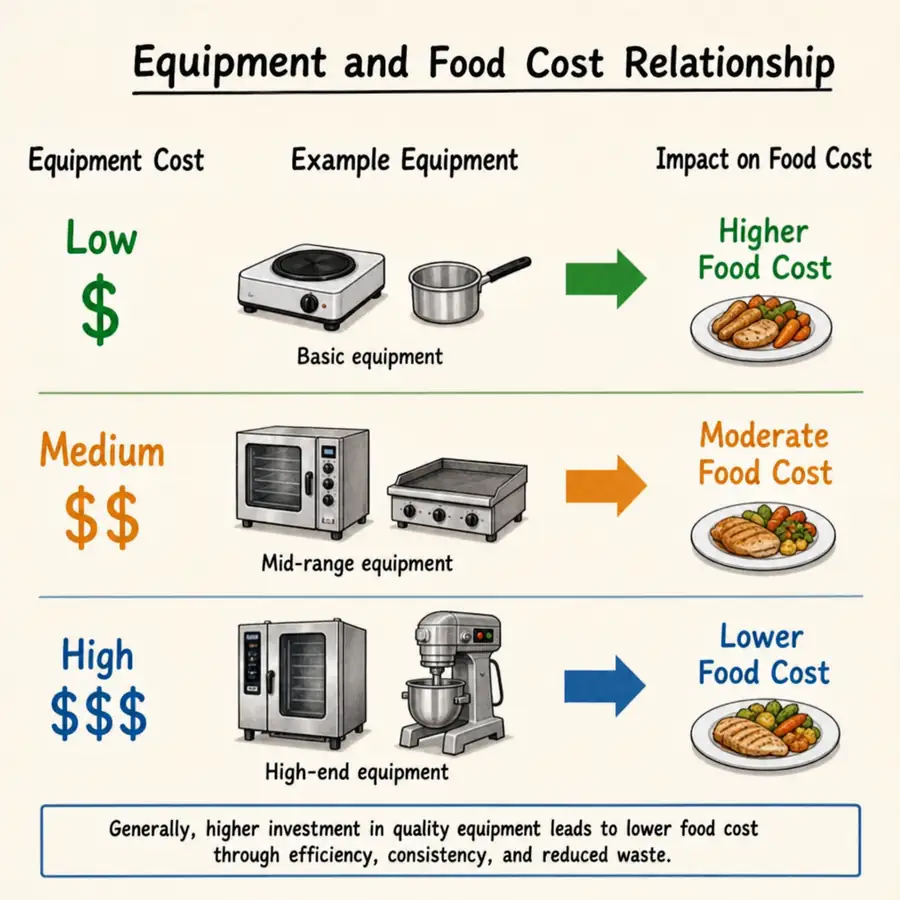
In the quest to reduce restaurant food cost, selecting the right tools is a foundational step. It's a move that not only saves money but also supports a strategic menu strategy. Aligning equipment with menu needs ensures both cost control and consistent food quality.
Menu Engineering Fundamentals: Profitability and Popularity
Menu engineering involves analyzing both profitability and popularity of menu items. These two factors play a crucial role in designing a successful menu. Understanding their interplay helps in crafting a balanced menu strategy.
Profitability is assessed by evaluating the cost-to-price ratio of dishes. Menu items should offer a substantial profit margin. Some dishes may sell less but yield higher profits. Others may be cheaper but sell in larger volumes, bolstering overall sales.
Popularity reflects how frequently items are ordered by diners. High-popularity items are essential, even if they're less profitable individually. They draw customers in and foster loyalty.
To effectively evaluate menu items, consider:
- Contribution margin: Difference between cost and price.
- Sales volume: Frequency of orders.
- Customer feedback: Insights into preferences.
Balancing both factors can optimize menu profitability. The aim is to promote high-margin items without neglecting customer favorites.
Regular analysis of these components helps keep the menu aligned with trends and market demands. Adjusting recipes or prices based on this analysis can enhance both profitability and customer satisfaction. Through meticulous menu analysis, you can ensure all items align with your restaurant's financial goals.
Using a Menu Engineering Worksheet: Step-by-Step Guide
A menu engineering worksheet is a practical tool for analyzing and organizing menu items. This worksheet helps categorize dishes based on their performance metrics, providing clear insights.
Start by listing each menu item along with its cost and price. This is essential for determining profit margins. Accurate data is key to effective menu analysis.
Next, calculate the contribution margin for each item. Subtract the item's cost from its price to obtain this figure. This step allows you to see which items contribute more to profits.
The worksheet should also track sales volume. Recording how often each dish is ordered will reveal popularity patterns. This data is crucial for balancing menu offerings.
To maximize its utility, consider the following components:
- Item Name
- Cost
- Price
- Contribution Margin
- Sales Volume
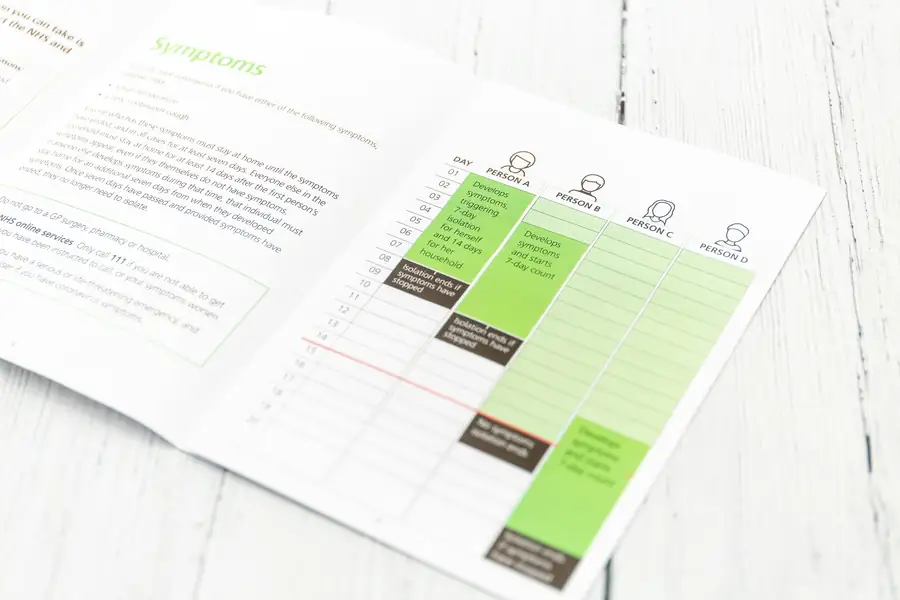
Review the compiled data to identify which items are stars or dogs. Stars are high-profit, high-popularity, while dogs are low in both. With this guide, you can make informed menu design decisions and optimize for profitability. Regularly updating this worksheet ensures it aligns with current restaurant trends and diner preferences.
Menu Design: Aligning Menu Items with Equipment Capabilities
Menu design should reflect your kitchen's equipment capabilities. Misalignments can lead to inefficiencies and increased food costs. Select dishes that your kitchen can execute well.
First, evaluate the equipment in your kitchen. Identify the strengths and limitations of each appliance. This evaluation helps in deciding which menu items are feasible and efficient to produce.
Design the menu to feature items that require similar preparation tools. For instance, if you have a top-notch oven, consider roasted or baked specialties. This can streamline your cooking process.
Menu collaboration is another key strategy. Chefs and managers should work together to balance creativity with practicality. The right equipment choices can elevate menu possibilities, leading to customer satisfaction.
Here's how to align menu design with equipment capabilities:
- Assess Equipment: Know what your kitchen is capable of.
- List Compatible Dishes: Consider items that complement available tools.
- Streamline Processes: Choose dishes that share preparation methods.
- Encourage Collaboration: Ensure chefs and managers work together.
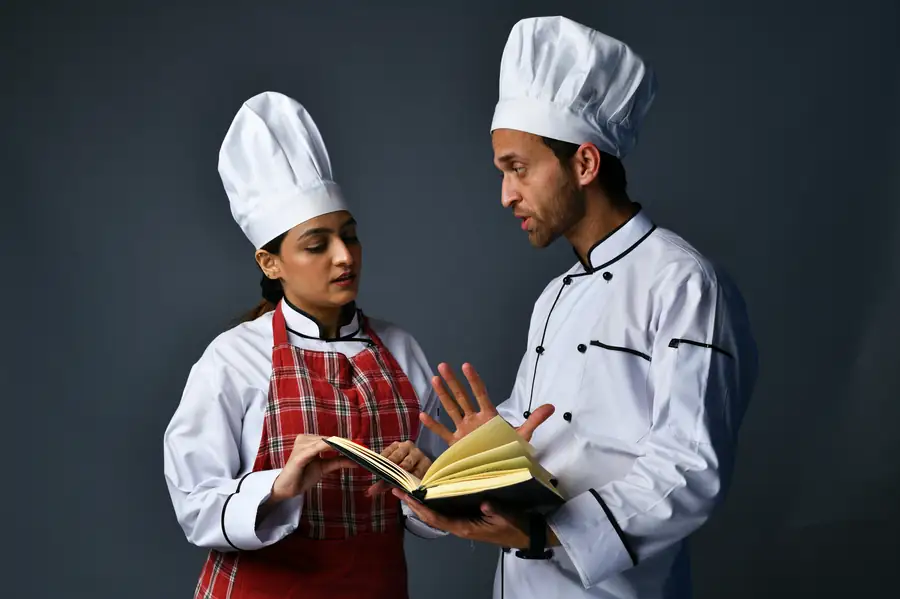
By aligning your menu with your kitchen's strengths, you can enhance productivity and reduce costs. This strategic approach maximizes your resources and elevates your restaurant's offerings.
Menu Strategy: Balancing High-Profit and High-Popularity Items
Balancing high-profit and high-popularity items is crucial in menu strategy. Both elements drive sales but require distinct approaches. High-profit items contribute directly to your bottom line.
Begin by analyzing existing menu items. Identify which are popular and which generate the most profit. This allows you to see where adjustments might be needed for optimal performance.
A successful menu features a mix of both types of items. Popular items attract customers, while high-profit items improve financial health. Ideally, some dishes should be both profitable and popular.
Use strategic placement to influence purchasing decisions. Highlight high-profit items in prominent menu locations. This can subtly encourage customers to choose them, improving your overall profitability.
- Analyze Items: Determine popularity vs. profitability.
- Feature a Mix: Include both popular and high-profit items.
- Strategic Placement: Highlight items to guide customer choices.
Balancing these aspects ensures a well-rounded menu that meets business goals.
Menu Analysis and Optimization: Tools and Software
Menu analysis and optimization are essential for maintaining a profitable restaurant. They help refine menu offerings and improve financial outcomes. Tools and software can simplify these complex processes.
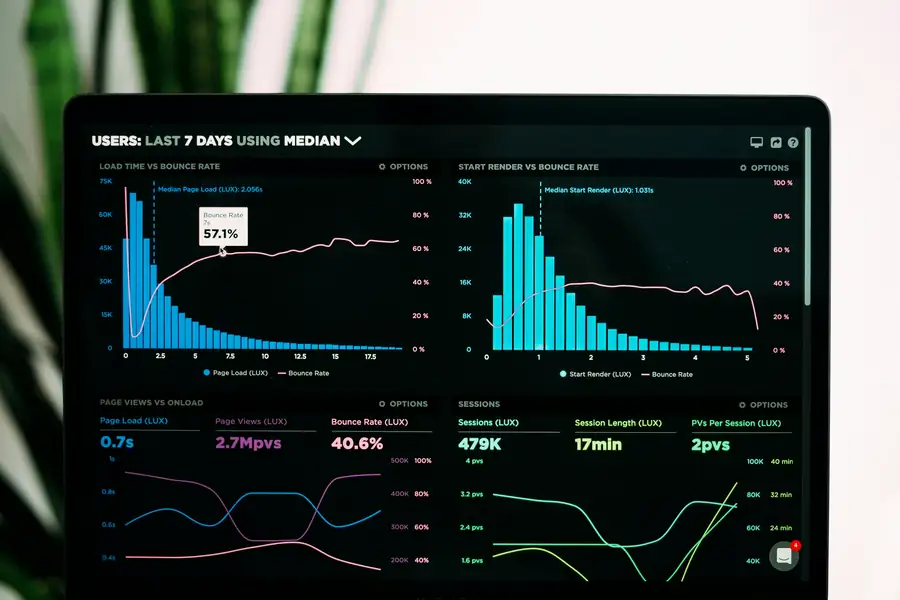
Menu engineering software provides detailed insights into sales and profitability. With this data, you can make informed decisions about which items to promote or modify. Visual representations, like graphs and charts, highlight performance metrics clearly.
These tools automate data collection and evaluation, saving time. They can track ingredient costs, sales numbers, and profit margins, providing a comprehensive view of your menu's effectiveness.
Popular tools often integrate with existing point-of-sale systems. This integration ensures seamless operations and precise data. You'll be equipped to adjust prices or remove underperforming dishes with confidence.
Investing in software streamlines menu management and supports ongoing optimization. Staying informed and adaptable is key to success in the competitive restaurant industry.
- Software Benefits: Simplifies analysis, automates data collection.
- Key Features: Tracks costs and sales, integrates with systems.
- Optimization Focus: Adjusts pricing, refines menu offerings.
Menu Pricing: Factoring in Equipment and Ingredient Costs
Pricing menu items requires careful consideration of multiple factors. Equipment and ingredient costs play a pivotal role. Both affect the final price set for each dish.
Understanding the cost structure of ingredients is essential. This includes current market prices and potential fluctuations. Equipment costs, both initial investments and ongoing expenses, should also be factored into pricing strategies.
Equipment affects the efficiency of food preparation. This impacts labor costs and ultimately, the pricing of menu items. Energy-efficient equipment can lower operational costs, allowing for more competitive pricing.
Accurate pricing reflects both expenses and perceived value. This balance is crucial for maintaining customer satisfaction while ensuring profitability. The right strategy can drive sales and optimize profit margins.
- Considerations for Pricing:
- Ingredient costs.
- Equipment expenses.
- Efficiency and labor costs.
- Perceived customer value.
Reducing Restaurant Food Cost Through Smart Equipment Choices
Choosing the right equipment can significantly lower food costs. Restaurants need to focus on efficiency and maintenance. Proper equipment reduces waste and boosts productivity.
Energy-efficient equipment is a smart investment. It decreases utility bills and helps sustain the environment. Over time, the savings can be substantial.
Regular maintenance is vital for optimal performance. Well-maintained equipment minimizes breakdowns and avoids unexpected expenses. It also ensures consistent food quality.
Strategic equipment choices align with your menu. They streamline operations and maximize output. Investing wisely in equipment is essential for reducing overall food costs.
- Smart Equipment Strategies:
- Invest in energy-efficient options.
- Schedule regular maintenance.
- Align with menu needs.
- Focus on longevity and reliability.
Menu Trends and Innovation: Adapting Equipment for New Opportunities
Staying ahead of menu trends can offer lucrative opportunities. Restaurants must adapt their equipment to capitalize on these changes. This flexibility can lead to increased popularity and profitability.
For instance, as plant-based diets gain traction, equipment must accommodate new cooking techniques. Investing in versatile tools allows kitchens to quickly adapt to such shifts. This ensures they meet customer demand efficiently.
Incorporating technology into kitchen equipment can open up innovative possibilities. Smart appliances can improve precision and consistency. They allow culinary creativity to flourish, which can set a restaurant apart from competitors.
Adaptability is key to long-term success. Forward-thinking restaurants invest in equipment that evolves with trends. This foresight bolsters their capacity to introduce diverse menu offerings.
- Embracing Innovation:
- Adopt multifunctional equipment.
- Utilize smart kitchen technology.
- Anticipate and accommodate dietary trends.
- Foster flexibility in menu development.
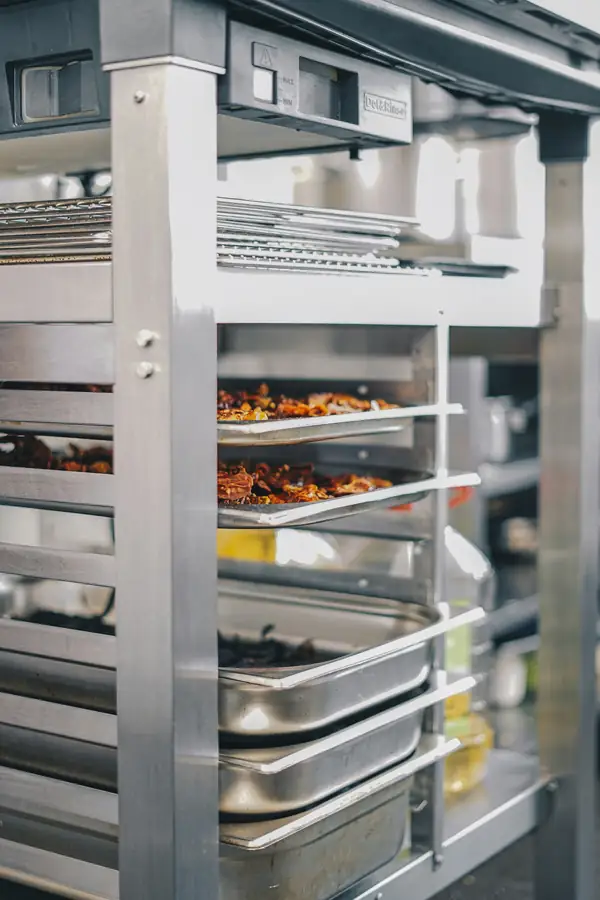
Staff Training, Workflow, and Equipment Maintenance
Effective staff training enhances equipment use and kitchen workflow. Employees proficient with tools reduce errors and improve efficiency. Training should focus on both basic skills and advanced techniques.
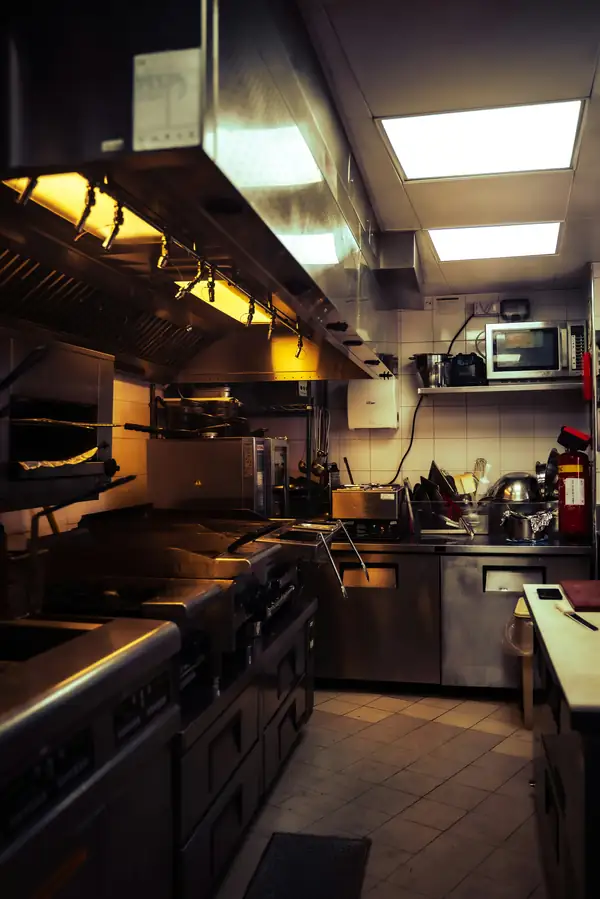
A well-organized kitchen relies on optimal workflow design. The layout of equipment affects speed and safety. Efficient placement helps chefs perform tasks with ease, reducing unnecessary movement.
Regular equipment maintenance prevents costly downtimes. Well-maintained machines ensure consistent food quality and prolong lifespan. Proactive upkeep saves money and boosts overall restaurant profitability.
- Key Focus Areas:
- Comprehensive staff training programs
- Streamlined kitchen layout for better workflow
- Consistent and preventive equipment maintenance
Sustainable Practices: Equipment, Menu Engineering, and Food Cost
Incorporating sustainable practices can significantly impact food costs. Environmentally friendly equipment reduces energy consumption, lowering utility expenses. Investing in greener technology benefits both the planet and the restaurant’s bottom line.
Menu engineering can support sustainable practices by emphasizing locally sourced and seasonal ingredients. These choices often cost less and have smaller carbon footprints. Aligning your menu with these practices attracts eco-conscious customers.
Implementing a sustainability strategy also involves reducing waste through efficient equipment use. Cross-utilization of ingredients further diminishes waste, optimizing inventory and usage. Combined, these strategies form a cohesive approach to responsible restaurant management.
- Sustainable Focus:
- Energy-efficient equipment
- Locally sourced ingredients
- Waste reduction and cross-utilization
Conclusion: Menu Engineering as a Practical Guide to Menu Analysis and Profitability
Menu engineering merges creativity and data-driven strategies to optimize profitability. It transforms menus into tools that drive sales and enhance customer satisfaction. This approach leverages data to make informed decisions about menu items and pricing.
Understanding the interplay between equipment choices and menu planning is crucial. Effective equipment use reduces waste and improves service efficiency, directly impacting food costs. Aligning equipment capabilities with your menu strategy boosts overall performance.
By embracing menu engineering principles, restaurants can adapt to industry changes and customer preferences. They can refine their offerings while maintaining quality and controlling costs. Ultimately, menu engineering serves as a comprehensive guide, enhancing restaurant success and sustainability.
Choose Equipment That Supports Your Most Profitable Menu Items
Your best equipment investment should support the dishes that are both popular and profitable. Once you identify your high-performing menu items, look for equipment that can increase their consistency and production capacity without creating unnecessary complexity. This could mean upgrading refrigeration, adding a faster food processor, choosing a higher-capacity fryer, or investing in energy-efficient cooking equipment.
The Horeca Store offers a wide range of commercial kitchen equipment and food preparation solutions for restaurants, cafés, hotels, catering businesses, and other foodservice operations. Whether you're building a new kitchen or upgrading existing equipment, consider how each purchase will affect food cost, labor, energy consumption, waste, and overall kitchen productivity. Explore the Restaurant Equipment collection at The Horeca Store to find equipment that can help turn a well-engineered menu into a more efficient and profitable operation.