
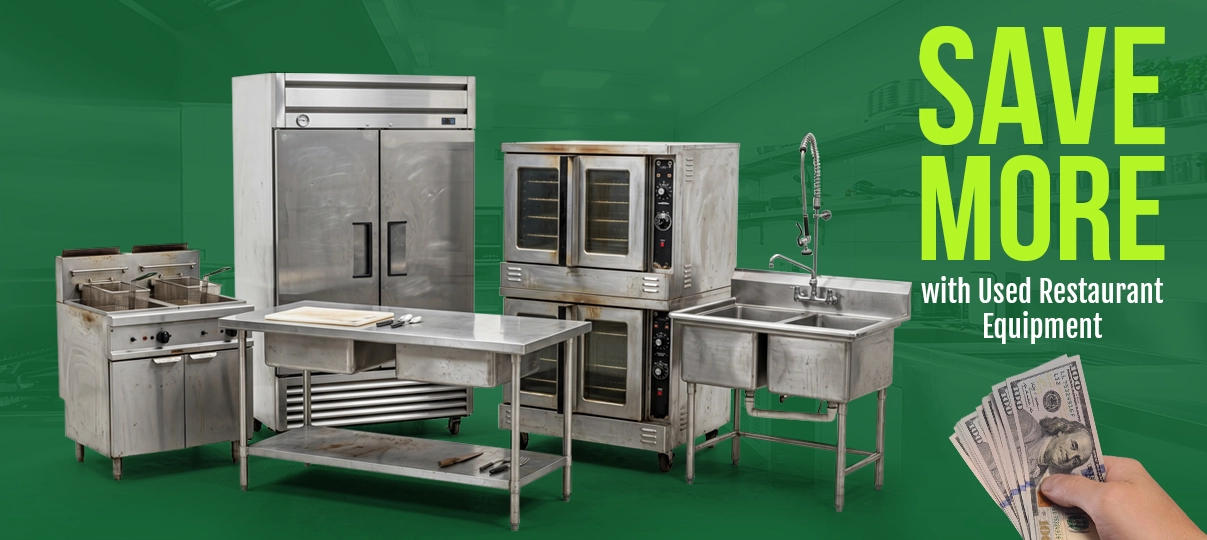
Opening a restaurant shouldn't mean going into massive debt before you flip your first burger. When aspiring cafe owners or food truck dreamers draft their first business plan, they often imagine a kitchen gleaming with brand-new stainless steel. However, tying up all your cash in fresh-out-of-the-box appliances creates a "sunk cost"—money permanently buried in the kitchen before you even open your doors. Buying used isn't just a reluctant compromise for those short on funds; it is a strategic move for capital preservation, ensuring your money stays available for what actually keeps a business alive: paying your staff and buying quality food inventory. Think of a commercial oven like a heavy-duty truck compared to your family sedan. It is specifically engineered to run at maximum capacity for twelve hours a day, meaning a three-year-old unit is barely broken in. Making the psychological shift from wanting “shiny and new” to prioritizing "reliable and profitable" is the secret weapon of successful entrepreneurs. A few cosmetic scratches on the side of a prep table won't affect how well you can chop vegetables, but paying a fraction of the retail price absolutely impacts your bottom line.
According to veteran restaurant consultants, smart buyers follow what is known as the “50% rule” when planning their initial kitchen setup. This principle suggests that you should never pay more than half of the original retail price when sourcing your major appliances. By strictly adhering to this rule, you can outfit your entire operation with high-quality, budget kitchen gear while slashing your startup risks in half. If your menu concept doesn't work out exactly as planned, you haven't lost your life savings on rapidly depreciating assets.
You might understandably worry that buying pre-owned means inheriting someone else's expensive, broken-down headache. It is easy to assume that affordable restaurant supplies are inherently risky, but the reality of the secondary market is much more forgiving. Many pieces hit the resale market simply because another business changed their menu, upgraded to a larger space, or closed for reasons completely unrelated to their hardware. The secret is simply learning how to tell the difference between a reliable workhorse that just needs a good scrub and a mechanical lemon that belongs in a scrapyard.
Sourcing used restaurant equipment safely requires swapping blind trust for basic inspection skills. Knowing what to look for and what hidden red flags to avoid helps you confidently build a professional kitchen that protects both your culinary dreams and your bank account.
The 'Drive-Off-The-Lot' Reality: Why Commercial Gear Depreciates Like a New Car
Much like driving a brand-new car off the dealership lot, commercial kitchen appliances lose up to 30% of their value the moment they are delivered. This immediate depreciation hits hard on startup capital, which is why shopping the secondary market is a strategic way to keep your money in your food, not just your kitchen setup.
When you start shopping, you must understand the crucial difference between buying "as-is" and choosing refurbished restaurant equipment. An “as-is” unit from a private seller is exactly what it sounds like: a gamble that might include hidden mechanical failures and zero guarantees. Refurbished items, however, have been professionally cleaned, inspected, and repaired by technicians, often including a short warranty. When weighing the pros and cons of new vs. refurbished gear, refurbished clearly offers the safest middle ground between affordable pricing and daily reliability. To maximize your savings, look for durable workhorses. The top 5 equipment types with the slowest depreciation rates include:
- Stainless steel prep tables
- Heavy-duty planetary mixers
- Commercial wire shelving units
- Standard gas ranges (without complex electronics)
- Countertop flat-top griddles
Smart buyers calculate their immediate return on investment by hunting down these long-lasting, pre-owned pieces first. Yet, securing a massive discount on a used prep table won't matter if your local health inspector refuses to let you use it. Identifying the NSF seal of approval is essential for determining your legal operation.
The NSF Seal of Approval: Why a Sticker Determines Your Legal Operation
Finding a commercial mixer for half price feels like a massive win, but that victory is short-lived if the city won't let you plug it in. This is where NSF (National Sanitation Foundation) certification comes into play. Think of the NSF mark as the ultimate "Health Inspector's Seal of Approval." It proves the equipment is built from food-safe materials and designed to be easily cleaned without harboring bacteria, making it non-negotiable for health code compliance. Smart buyers never hand over cash without confirming this essential detail.
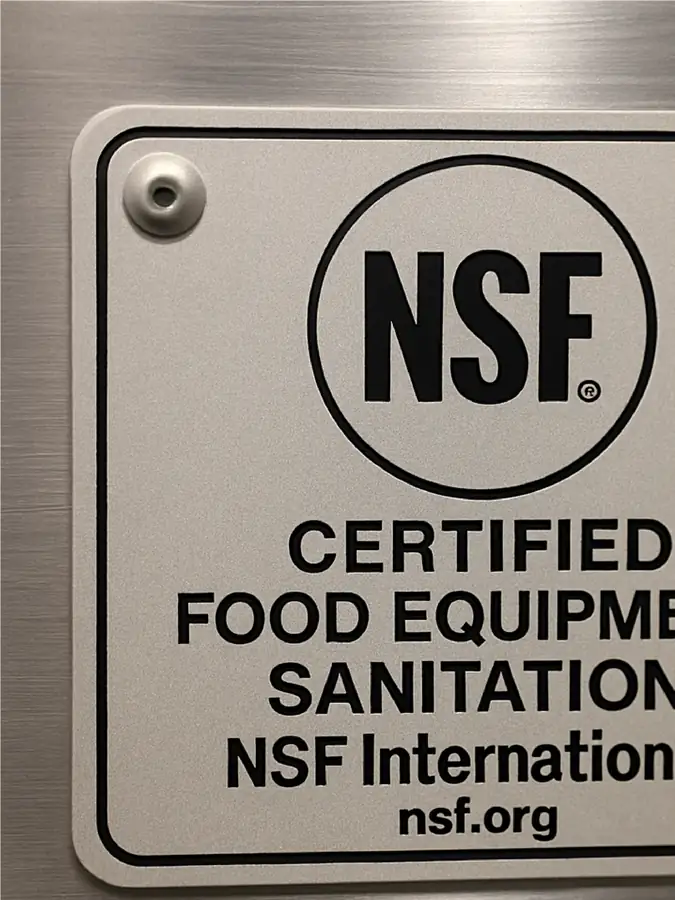
To spot a genuine unit and verify equipment legality before paying, you must know where to hunt for this small but mighty tag. Before closing any deal, check these three common spots:
- The front control panel near the manufacturer's brand logo.
- The main data plate is located on the lower back or side of the unit.
- Stamped directly into the metal on stainless steel sinks and prep tables.
Diligently verifying NSF certification on second-hand items guarantees you aren't accidentally buying a useless metal paperweight. Once you know exactly how to identify legally compliant equipment, you can focus on navigating regional markets to find the best deals.
Navigating Local Markets: Sourcing Gear in Las Vegas, Houston, and Nashville
Now that you can confidently verify health code compliance, the next hurdle is figuring out exactly where to shop. Savvy buyers understand that not all secondary markets are created equal. Major hospitality hubs constantly remodel, upgrade, and cycle out perfectly good appliances, creating massive regional surpluses of lightly used commercial gear just waiting to be claimed.
Culinary hotspots dramatically increase your chances of finding specialized, high-quality inventory. For ex, if you are hunting for premium ovens or massive walk-in coolers, the market for used restaurant equipment in Las Vegas offers incredible volume due to endless casino renovations. Similarly, aspiring pitmasters and high-volume operators often search for used restaurant equipment in Houston, Texas, to score heavy-duty smokers and fryers that naturally match the local barbecue culture.
Before hitting the road, always weigh the sticker price against the often-hidden costs of freight and handling. Browsing used restaurant equipment in Nashville might reveal a beautiful espresso machine perfectly suited for your new cafe, but you must calculate if renting a box truck to cross state lines eats up those savings. If an item weighs 500 pounds, a local pickup saves you hundreds in specialized commercial shipping, provided you have the muscle and the right vehicle to move it safely.
geographical strategy keeps your capital focused on your food rather than transport fees. Once you locate prime inventory hub, you will quickly notice that the best pieces rarely sit quietly in showroom. Instead, they hit the fast-paced bidding block, requiring a solid strategy to win auctions.
Auction Survival Guide: Winning Without Overpaying
Stepping into a bidding war feels overwhelming, but understanding the market is your secret weapon. Restaurants operate on fast liquidation cycles, meaning perfectly good gear hits the auction block simply because a business lease ended abruptly. This rapid turnover creates an absolute goldmine for scoring discount kitchen appliances, provided you keep a cool head and stick to your budget.
The quickest way to ruin those savings is through emotional overbidding and hidden fees. Smart buyers always calculate the "buyer's premium"—an extra fee the auction house routinely tacks onto the final winning bid, usually around 15%. If you bid $1,000 on a commercial mixer, you actually owe $1,150 before taxes. Factoring this math in before raising your paddle is one of the most critical restaurant liquidation auction tips you can learn.
Physical preparation guarantees you won't buy a massive paperweight by mistake. When previewing items, never arrive empty-handed; always bring your auction day essentials: tape measure, flashlight, and notepad. Once you confirm the dimensions fit your layout and write down the lot number, you must verify the equipment's internal mechanics are sound.
The Ear Test: Inspecting Pre-Owned Industrial Refrigeration
Buying a used fridge is the biggest gamble in your kitchen, because a sudden breakdown ruins both your inventory and budget. Think of commercial coolers like marathon runners compared to your home fridge; they run constantly, but when they finally crash, the damage is severe. Saving thousands on refrigeration repairs starts by knowing exactly what a healthy machine sounds like.
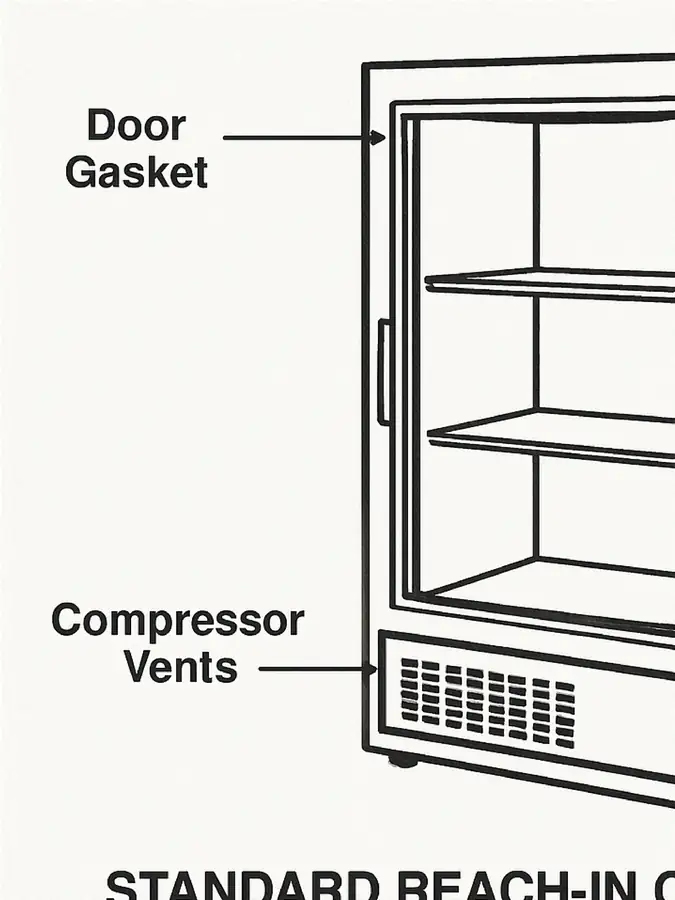
When inspecting pre-owned industrial refrigeration, your most valuable diagnostic tool is your own hearing. Ask the seller to plug the unit in so you can listen to the compressor—the main engine pumping cold air throughout the system. A healthy motor hums with a steady vibration, whereas sharp clanking or high-pitched whining directly indicates an impending mechanical failure.
Beyond the motor itself, you must physically touch the rubber door seals, known as gaskets. Identifying mechanical wear in used walk-in coolers often comes down to these simple, inexpensive strips that trap the cold air inside. If you spot cracked, brittle, or hanging rubber, the unit has been actively leaking air and forcing that expensive compressor to overwork. A quick physical inspection protects your startup capital from hidden repair bills.
With a reliable cold-storage unit secured, you can shift attention toward the hot side of your line to test heating elements and convection fans.
Convection Oven Checkups: Testing Heating Elements and Fans
Moving to the hot side of your kitchen, the oven is your primary engine for profit. When learning how to test pre-owned commercial convection ovens, you must first understand two crucial features: BTU ratings (think of this as heating "horsepower" dictating how fast the unit gets hot) and the convection fan. This fan actively circulates hot air so a tray of food bakes uniformly across every rack, rather than burning on the bottom. A broken fan turns a commercial powerhouse into a massive, unpredictable home stove.
Protecting your investment in used cooking equipment requires running a physical diagnostic before handing over any cash. Always perform this simple four-step check:
- Fan spin: Listen for a smooth hum; grinding noises indicate an impending, expensive motor failure.
- Element glow: Ensure electric heating coils turn a uniform orange or gas burners ignite instantly.
- Seal tightness: Run your hand around the closed doors to feel for escaping heat.
- Thermostat accuracy: Bring a standard oven thermometer to verify the temperature dial matches reality.
Spotting minor issues like leaky door gaskets shouldn't immediately kill the deal. Instead, use that escaping heat as leverage to negotiate lower prices, since replacing rubber seals is cheap and easy. With your mechanical workhorses secured, it is time to safely outfit your prep space with durable stainless steel gear.
The Stainless Steel Strategy: Buying 'Forever' Gear for Pennies
Stepping away from motors, non-mechanical items like prep tables are your safest investments. Buying a simple metal workbench eliminates the risk of hidden mechanical failures while scoring heavy-duty surfaces for 70% less than retail. The average lifespan of used stainless steel prep tables is virtually endless, so a five-year-old table performs exactly like a brand new one. However, commercial metal actually comes in two distinct categories: 304 and 430 grades. Grade 304 is your "forever" gear, built with specific alloys that aggressively resist rust and harsh daily sanitizers. Conversely, 430 grade is a cheaper alternative that lacks this intense rust resistance, making it highly prone to pitting and corrosion in damp kitchen environments or humid dishwashing areas.
You can verify this material quality instantly using a standard refrigerator magnet. Premium 304 steel is completely non-magnetic, so if the magnet slides right off the table, that piece earns a top spot on your second-hand food service supply checklist. With your unpowered prep stations safely sourced, you must now tackle the complex equipment that actually needs electricity, carefully matching power requirements to avoid expensive electrical mismatches.
Phase 3 Power and NEMA Plugs: Avoiding the 'Wrong Outlet' Disaster
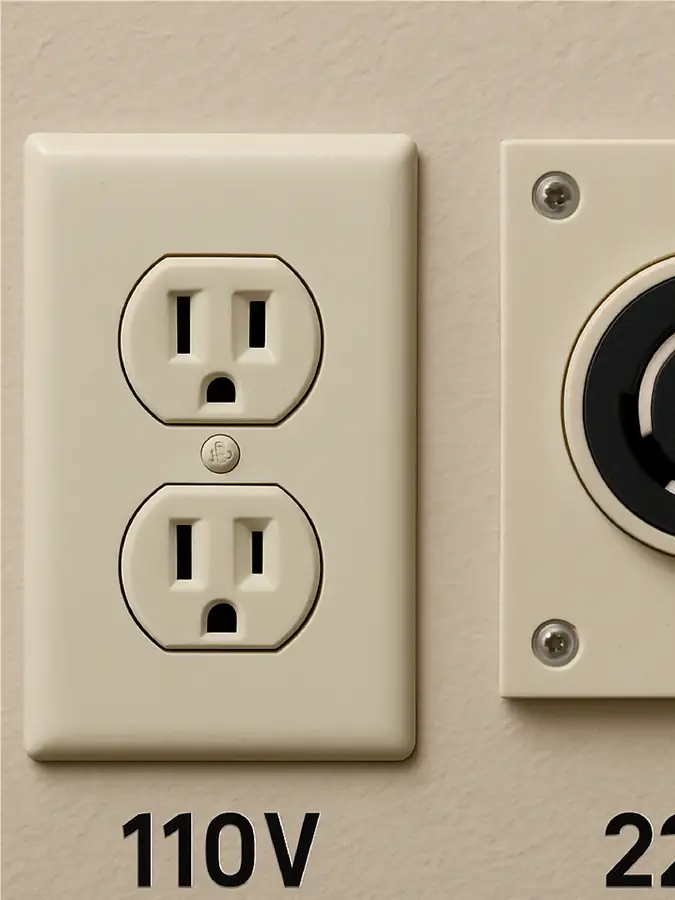
Securing a great deal on refurbished commercial kitchen appliances feels amazing until you try to plug them in. Unlike a home toaster, commercial ovens cannot use standard wall outlets. Buying massive appliances without checking your building's electrical capacity first can instantly trigger thousands of dollars in surprise electrician bills.
The biggest hidden trap for new buyers is three-phase power (often called phase 3). Industrial spaces use this "stronger" electricity to run heavy motors constantly, whereas smaller cafes usually only have standard single-phase power. Think of Phase 3 like a firehose of electricity; forcing that into a building wired only for a garden hose requires an expensive new electrical panel.
Fortunately, you can spot these high-powered machines simply by checking the cord. Heavy-duty units utilize NEMA plugs (National Electrical Manufacturers Association configurations), which feature unique circular shapes or twisted prongs to handle massive electrical loads safely. Ensuring electrical compatibility means matching the specific NEMA number on the machine's plug directly to your kitchen's existing outlets before you buy.
The Deep Fryer's Secret Diary: Checking Maintenance History and Drain Valves
Matching your electrical setup gets your kitchen running, but evaluating heating gear keeps it from burning down. Deep fryers are popular pieces of used cooking equipment, but they endure punishing environments of boiling oil. Since a failing unit poses a massive fire risk, treating maintenance history requirements for second-hand fryers as non-negotiable is your best defense. Regular servicing records reveal whether a machine has years of lifespan left or will simply fail during a busy dinner rush.
Even without paperwork, the machine’s physical condition reveals its past. The most critical component to evaluate is the fry pot—the main metal vat holding the hot oil—for structural integrity issues like hairline cracks or warping. Always check for these signs of a neglected fryer:
- Carbon buildup: Thick, black crust (fry pot carbonization) along the heating tubes destroys cooking efficiency.
- Sticky valves: If the bottom drain valve requires force to open, the internal seals are likely ruined.
- Frayed pilot wires: Damaged ignition wires risk dangerous sparks.
Protecting your business also means inspecting the high-limit switch, a vital safety sensor designed to shut off gas if the oil gets dangerously hot. If this switch appears tampered with or severely corroded, walk away immediately. Once you’ve successfully secured a mechanically sound fryer, your final hurdle before opening day involves deep cleaning to prepare the gear for the health inspector.
Sanitizing Your Score: Preparing Used Gear for the Health Inspector
Bringing a used appliance into your pristine kitchen feels like a massive win, but an unclean unit is a health hazard waiting to happen. To meet strict health department standards, you must treat that bargain find carefully until it is properly detailed. Passing your first inspection with second-hand gear requires far more than wiping down surfaces with a standard household spray.
Mastering the "Degrease-Sanitize-Polish" workflow is your best strategy for turning a grimy workhorse into an inspection-ready centerpiece. Start with a commercial-grade degreaser to strip away baked-on grime and completely eliminate stale odors from previous owners. From there, thoroughly sanitizing pre-owned food preparation stations with food-safe chemical solutions kills lingering microscopic bacteria. Finishing the job with a protective stainless steel polish creates a brilliant shine that instantly puts visiting health inspectors at ease. That extra elbow grease guarantees your equipment looks flawless and operates safely on opening day without the premium price tag. Once you realize how easily heavy-duty cleaning transforms neglected appliances into pristine assets, buying multiple items becomes much less intimidating. This confidence serves you perfectly when stepping into a massive warehouse to negotiate bundle discounts with liquidators.
Negotiating with Liquidators: How to Get the 'Bundle' Discount
Stepping into a massive warehouse is the perfect time to stretch your basic budget plan. Outfitting a food truck or community kitchen from one single source provides incredible leverage. Bundling a refrigerator, prep table, and oven makes you a highly attractive customer. When negotiating prices with commercial kitchen liquidators, remind them that taking multiple heavy items off their hands saves them major storage space, easily justifying a bundle discount. Physical currency speaks louder than any credit card in the secondary market. Liquidators pay hefty processing fees on large electronic transactions, so cash provides an immediate bargaining chip. If you search for used restaurant equipment buyers near me, you will find local dealers who heavily prefer quick cash deals over waiting for bank transfers. Showing up ready to pay proves you are a serious buyer and unlocks the lowest possible prices.
If a dealer refuses to drop the price further, extract value through creative requests. Ask them to sweeten the pot with "throw-in" essentials like leftover sheet pans or utensils to close the sale. While scoring an amazing bundle saves serious money upfront, discounted packages often come with strict conditions regarding future repairs and warranties.
Warranty Realities: Understanding 'As-Is' vs. Limited Dealer Coverage
Scoring a bundle discount feels great until the freezer stops cooling on opening day. In the secondary market, you will frequently encounter the term “as-is.” Legally, this means you accept the equipment with absolutely no guarantees—if it breaks the second you plug it in, you pay the bill. Ignoring this harsh reality is one of the most common hidden costs of buying pre-owned catering tools, easily turning a bargain oven into a massive financial headache.
Reputable dealers, however, often provide a safe middle ground. Reliable warranty coverage for refurbished kitchen hardware typically includes a 30-day guarantee, offering crucial peace of mind while you test the unit under real working conditions. Yet, you must understand the critical difference between a "parts" warranty (they just mail you the broken dial) and a "labor" warranty (they actually pay the technician to install it). Always ask sellers these three questions:
- Does this specific coverage include both the replacement parts and technician labor?
- Does the warranty clock start on the purchase date or the installation date?
- Which authorized service company handles the actual repairs?
Even with limited dealer coverage, smart buyers actively build a dedicated "repair fund" into their initial budget. Setting aside a fraction of your upfront savings ensures inevitable maintenance won't bankrupt your new business. With a solid safety net established, you can explore financing options that preserve your working capital.
Financing Pre-Owned Gear: Preserving Your Working
Capital
Opening a restaurant shouldn't mean draining your entire savings account just to outfit the kitchen. Even when buying second-hand, heavy out-of-pocket expenses can quickly jeopardize your daily operational funds, which is why smart working capital management is crucial. Instead of paying cash upfront, alternative funding lets you secure the necessary gear while keeping cash reserved for vital early expenses like payroll, fresh ingredients, and local marketing. A popular strategy to protect your bank balance is equipment leasing, specifically lease-to-own agreements tailored for used inventory. Think of this like financing a used car; the lender purchases the appliance, and you make affordable monthly payments to use it. Once the contract finishes, you own the asset outright, allowing your new cafe to generate revenue using the very tools you are steadily paying off.
Because the physical hardware acts as collateral, qualifying for these loans is often much easier than securing a traditional business loan from a bank. Lenders feel secure knowing they can reclaim the asset if things go south, which unlocks specific financing options for pre-owned industrial stovetops, heavy-duty mixers, and walk-in coolers. This asset-backed approach means your personal credit score doesn't carry the entire weight of the approval process. Beyond the sticker price, many lenders now offer "soft cost financing" to cover the hidden expenses of getting operational, such as freight delivery and professional installation.
Closing the Loop: How to Sell Your Used Gear When You're Ready to Upgrade
Eventually, your growing food truck or cafe will outgrow its reliable first oven, transforming you from a buyer into a seller. When that day comes, you will likely wonder "who buys used restaurant equipment near me" to help fund your kitchen's next big upgrade. The secret to getting top dollar isn't just polishing the exterior; it’s about proactively proving the machine's ongoing reliability so it retains maximum value.
Smart owners treat their appliances like investments by building a "maintenance diary" from day one. Think of this like a vehicle's service history—it proves to the next buyer that the asset won't break down during a busy Friday dinner rush. To secure the highest possible trade-in value, keep a dedicated folder containing these specific documents to keep for resale:
- The original purchase receipt
- Detailed repair and routine servicing logs
- The manufacturer's NSF manual
By the time you are ready to search "sell used restaurant equipment near me," this compiled paperwork will make your gear highly attractive to local dealers, private buyers, and online restaurant auction platforms. With your financing and long-term resale strategy securely in place, you can execute a 30-day roadmap from search to service.
Your 30-Day Equipment Roadmap: From Search to
Service
You started this journey seeing commercial kitchens as an intimidating wall of stainless steel and massive price tags. Now, you hold the tools to look at a second-hand range or a refurbished cooler and see exactly what it represents: leverage. Sourcing used restaurant equipment isn't just a clever way to save a few dollars; it is a vital strategy to protect your early cash flow. Every thousand dollars saved on a durable worktable or a reliable oven is capital you can redirect into marketing, higher-quality ingredients, and building your team.
With your new understanding of warranties, health codes, and physical logistics, it is time to put your second-hand supply strategy into motion. Transitioning from a casual shopper to a confident operator requires a structured approach. Instead of buying pieces haphazardly, you can now execute a deliberate restaurant startup plan that prioritizes safety and utility over shiny new labels.
Run through this ultimate checklist during your final walk-through:
- Measure your doorways, hallways, and final kitchen layout space.
- Verify your building's power supply matches the unit's electrical needs.
- Look for the NSF certification sticker on every food-contact surface.
- Inspect all gaskets and rubber seals for cracks or leaks.
- Listen to the motor or compressor for loud, rattling noises.
- Check the interior for rust, deep pitting, or missing hardware.
- Ask the seller for the maintenance history or refurbishment record.
- Confirm exactly what the commercial warranty covers regarding parts and labor.
- Measure the exact height for exhaust hood clearance.
- Finalize your professional installation and delivery logistics.
You now understand the secondary market well enough to avoid common traps and spot genuine value. Your easiest first step is to grab a tape measure and finalize your kitchen layout with confidence. Try mapping out where your heaviest pieces will sit and notice how quickly your vision starts to feel like a tangible, functioning workspace. Each time you match a piece of equipment to your actual menu needs rather than a glossy catalog, you will build the confidence of a seasoned operator.
When you walk into your kitchen on opening day, your customers will never ask if your prep tables were bought brand new. They will only care about the incredible food you place in front of them. You have the roadmap to reliability, so go out and build your dream business without the heavy anchor of nightmare debt.
Find Quality Used Restaurant Equipment at The Horeca Store
Buying used restaurant equipment is a smart way to reduce startup costs, but it's equally important to invest in reliable, high-quality new equipment when performance and longevity matter most. The Horeca Store is your trusted source for commercial restaurant equipment, offering an extensive selection of refrigerators, freezers, ovens, prep tables, fryers, ice machines, cookware, and smallwares from leading brands. Whether you're replacing older equipment or expanding your kitchen, we provide dependable products designed to meet the demands of busy foodservice operations.
At The Horeca Store, you'll find competitive pricing, expert guidance, and commercial-grade equipment that delivers long-term value for restaurants, cafés, bakeries, hotels, food trucks, and catering businesses. Our knowledgeable team can help you choose the right equipment based on your kitchen layout, budget, and operational needs. By combining quality products with exceptional customer service, The Horeca Store makes it easy to equip your business for efficiency, reliability, and long-term success.