
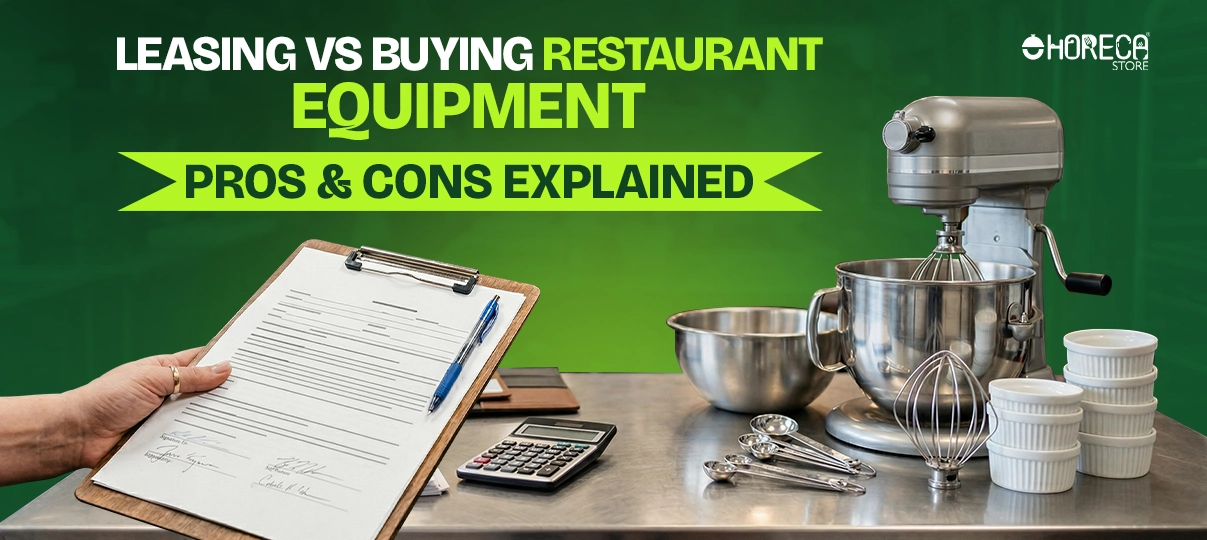
Choosing between leasing and buying restaurant equipment is a crucial decision for any restaurant owner. Each option has its own set of advantages and drawbacks.
Leasing typically requires lower upfront costs, making it attractive for new businesses. It also offers flexibility to upgrade equipment more frequently.
On the other hand, buying equipment can be more cost-effective in the long run. Ownership provides potential tax benefits and full control over the equipment.
Equipment financing plays a significant role in this decision-making process. It involves evaluating financial health and long-term goals.
Leasing can help preserve cash flow, while buying may require a significant initial investment. Both options impact cash reserves differently.
The choice between leasing and buying also affects operational strategies. Considerations include equipment lifespan, usage intensity, and potential resale value.
Understanding these factors is essential for making an informed decision. This guide will explore the pros and cons of each option.
Understanding Restaurant Equipment Acquisition
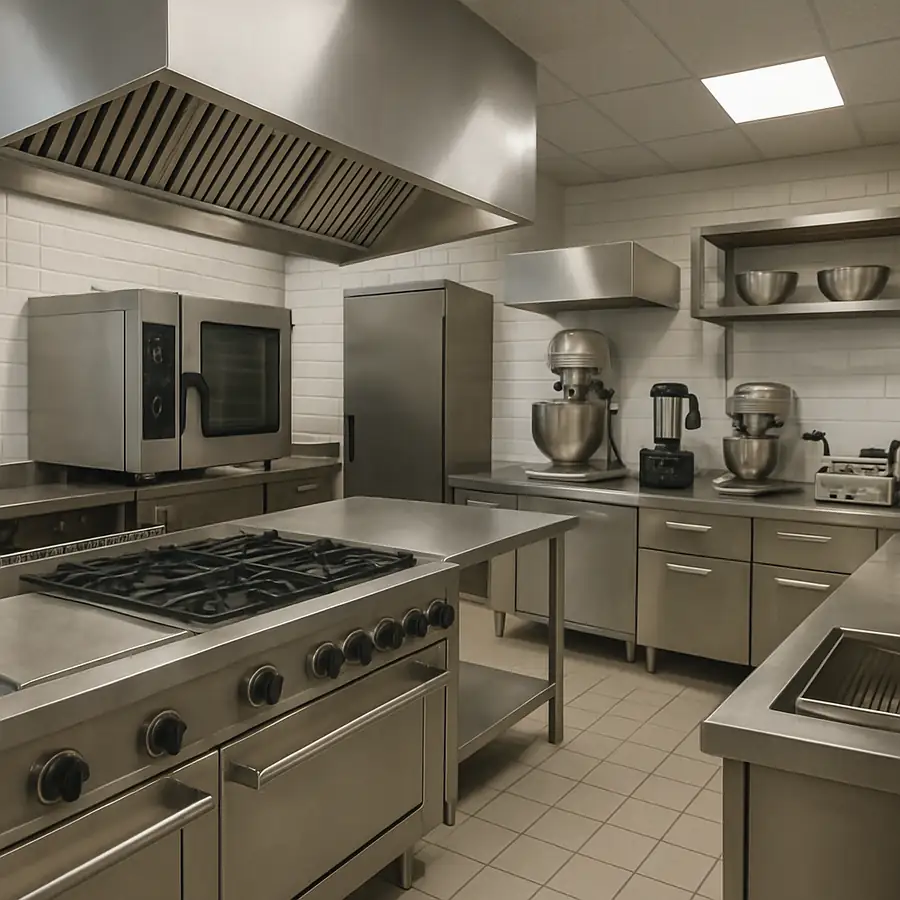
Acquiring restaurant equipment is not just about buying tools. It's a strategic decision that impacts both operations and finances.
Restaurant owners must weigh factors like initial costs, long-term investments, and the ability to upgrade. Each plays a pivotal role in decision-making.
Leasing and buying have distinct financial implications. Leasing usually involves lower upfront costs and predictable monthly payments. Buying often requires more capital initially but may offer long-term cost savings.
When considering options, examine these elements:
- Initial costs versus long-term savings
- Flexibility in upgrading equipment
- Control and customization potential
- Impact on cash flow and working capital
Ultimately, the decision should align with the restaurant's goals and financial health.
What Is Equipment Financing?
Equipment financing is a method that helps businesses acquire necessary tools without draining cash reserves. It involves securing funds through loans, leases, or lines of credit specifically for equipment purchases.
This type of financing allows restaurants to obtain equipment quickly without the full cost upfront. The terms of equipment financing can vary, impacting budget planning and overall costs. Understanding these options helps in selecting the most beneficial arrangement.
Key forms of equipment financing include:
- Traditional bank loans
- Leasing arrangements
- Equipment-specific lines of credit
Each option comes with distinct terms and potential advantages or drawbacks. Making the right choice depends on the restaurant's unique needs and financial situation.

Leasing Restaurant Equipment: How It Works
Leasing restaurant equipment allows businesses to use high-quality equipment with manageable monthly payments. This option eliminates the need for a large upfront expenditure. It is ideal for restaurants wanting to preserve cash for daily operations or unexpected expenses.
Typically, leasing involves a contract with fixed monthly fees over a set period. These contracts often include service agreements covering maintenance and repairs. Therefore, restaurant owners can avoid additional costs during the lease term.
Common leasing structures include:
- Operating leases with end-of-term purchase options
- Fair market value leases that allow returning or buying the equipment
- Capital leases resembling loans, which often end in ownership
Before committing, review the contract terms carefully for hidden clauses. This review ensures you understand potential fees or limitations.
Pros of Leasing Restaurant Equipment
Leasing offers several benefits that make it an attractive choice for many restaurateurs. Firstly, it requires lower initial capital compared to buying, easing cash flow concerns. Monthly lease payments are predictable, aiding in budget management.
Leasing also provides flexibility in upgrading to newer, more advanced equipment as your needs evolve. This adaptability ensures you always have access to cutting-edge technology without the burden of obsolescence. Maintenance and repair services are often included, reducing unexpected costs.
Advantages of leasing include:
- Easier access to high-quality equipment
- Lease payments deductible as business expenses
- Protection against technological changes
These points make leasing especially appealing for new restaurants with limited funds. Ultimately, it helps preserve working capital and supports long-term growth.
Cons of Leasing Restaurant Equipment
Leasing does come with drawbacks that must be considered. One major disadvantage is the potential higher overall cost compared to buying outright. Despite lower monthly payments, the total paid over time may exceed purchase costs.
Additionally, lease agreements can contain penalties for early termination or excessive damage. These added fees can create financial strain if not managed carefully. Restaurateurs must thoroughly understand the terms and conditions before signing.
Concerns with leasing include:
- No equity or ownership built in equipment
- Potential for restrictive agreements
- Possible lack of customization options
Moreover, lease agreements may limit modifications or specific uses of the equipment. This limitation can restrict a restaurant's ability to tailor its kitchen to unique operational needs. Carefully weigh these cons against the pros to ensure leasing aligns with your business strategies.
Buying Restaurant Equipment: How It Works
Buying restaurant equipment involves a significant upfront investment, which can be a barrier for some. This approach, however, grants full ownership immediately. Ownership offers complete control over equipment usage and customization.
To finance the purchase, restaurants often use loans or lines of credit. These financing options allow spreading the cost over time while still acquiring top-quality equipment. Owning the equipment means businesses can benefit from tax deductions through depreciation.
When buying, consider these points:
- Initial capital requirements
- Possible need for financing solutions
- Long-term asset value
Once equipment is purchased, the restaurant is responsible for maintenance and repair costs. While this adds to operating expenses, it also allows for choosing service providers. This freedom can lead to better pricing or service quality.
Pros of Buying Restaurant Equipment
Buying restaurant equipment provides several key benefits that contribute to long-term success. Ownership builds equity in assets, which enhances financial stability and creditworthiness. This strengthens the restaurant's balance sheet.
The opportunity to customize equipment to exact specifications is another advantage. Customization aligns with unique operational needs or specific menu offerings. Buying equipment also reduces the risk of contractual restrictions associated with leases.
Key advantages include:
- Potential for tax depreciation benefits
- Freedom to modify and enhance equipment
- Asset management and potential resale recovery
Additionally, owning equipment eliminates the possibility of lease-end penalties. Once paid off, the equipment continues to serve without further payments, lowering long-term costs. Restaurateurs can recoup some investment by selling outdated equipment, further stretching the buying dollar.
Cons of Buying Restaurant Equipment
However, buying does have drawbacks worth considering. The most evident is the substantial initial capital outlay required. This can strain cash flow, particularly for new or small restaurants with limited budgets.
Owning equipment also involves bearing full responsibility for maintenance and repairs. Over time, frequent repairs can increase total operational costs significantly. The financial burden becomes particularly cumbersome if equipment breaks frequently.
Consider these disadvantages:
- Significant initial investment required
- Full burden of maintenance and repair
- Potential decrease in flexibility for upgrades
Moreover, rapid technological advancements can render purchased equipment obsolete sooner than expected. Without leasing's flexibility, upgrading to newer technologies or styles may be more challenging. This can impact a restaurant's ability to maintain competitive service quality and efficiency.
Key Factors to Consider: Leasing vs. Buying
Choosing between leasing and buying restaurant equipment involves evaluating several key factors. Each option comes with unique benefits and challenges. Decisions should align with a restaurant's specific needs and strategic objectives.
Financial health plays a significant role in the decision-making process. Consider your cash reserves, cash flow predictability, and creditworthiness. These factors determine how effectively your restaurant can manage payments, whether through leasing or upfront purchasing.
Key factors include:
- Financial stability and cash flow
- Equipment lifespan and usage intensity
- Flexibility for future upgrades
The pace of technological change in the restaurant industry can also impact your choice. Leasing offers a chance to stay current with trends without large upfront costs. Conversely, buying allows long-term investment if equipment tech changes slowly.
Financial Impact: Cash Flow, Taxes, and Accounting
The financial implications of leasing versus buying restaurant equipment are crucial. They affect a restaurant's cash flow, tax obligations, and accounting processes. Each option impacts the business differently.
Leasing typically offers stable, predictable monthly payments. This helps maintain a steady cash flow. By preserving working capital, it allows investment in other operational needs.
Buying equipment, however, often demands a substantial initial outlay. While it may strain immediate cash reserves, owning equipment boosts assets on the balance sheet. Over time, ownership can lead to potential tax deductions through depreciation.
Consider the following financial impacts:
- Predictable lease payments stabilize cash flow.
- Equipment depreciation offers potential tax benefits.
- Initial buying costs affect initial liquidity.
Accounting processes differ based on the choice. Leasing treats payments as operating expenses, simplifying records. Buying introduces complex depreciation tracking.
Operational Considerations: Flexibility, Upgrades, and Maintenance
Leasing restaurant equipment often provides greater flexibility. This can be essential for adapting to changing menu trends or customer preferences. Leasing agreements often allow for easier updates to newer technology.
When leasing, maintenance services may be included. This reduces unexpected repair costs. It can also minimize equipment downtime, keeping operations smooth and efficient.
Buying offers full control over equipment maintenance and upgrades. While it can be more challenging to update or replace equipment frequently, owners can customize as needed. Consider the following operational aspects:
- Leasing may include maintenance services.
- Upgrades are easier through leasing agreements.
- Ownership offers more customization but less flexibility.
Understanding these operational factors aids in aligning your choice with your restaurant's unique needs and strategy.
Equipment Longevity and Resale Value
The lifespan of restaurant equipment significantly influences the decision to lease or buy. When equipment is purchased, its longevity directly impacts its value retention and potential resale opportunities. Owners can benefit from selling equipment that outlasts its use in the restaurant.
Leasing can help mitigate the risks of depreciating equipment. It offers protection against the potential financial loss from quickly outdated technology. This is especially true for high-tech or rapidly evolving kitchen gadgets.
Resale value should be factored into the buy-versus-lease decision. Consider:
- Purchased equipment can be resold.
- Leasing avoids quick depreciation.
- Evaluate the expected lifespan and usage.
Making the Right Choice for Your Restaurant
Choosing between leasing and buying restaurant equipment requires careful thought. Evaluate financial health, long-term goals, and cash flow needs to guide your decision. Each option brings unique advantages and challenges.
Consider how either choice aligns with your operational strategy and growth plans. If cash flow preservation and flexibility are priorities, leasing may be more suitable. Alternatively, purchasing may serve well for long-term stability and asset building.
Some factors to consider include:
- Financial health and cash flow
- Long-term goals and growth plans
- Operational needs and flexibility
Buy Restaurant Equipment from The Horeca Store
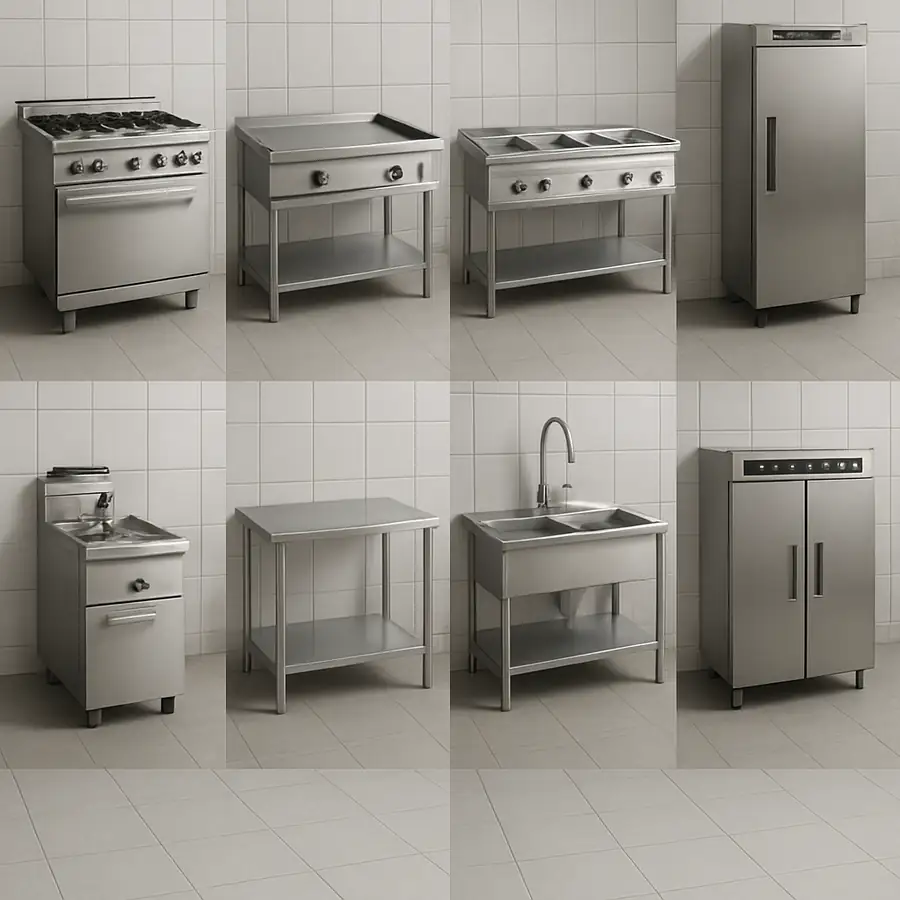
Whether you decide to lease or buy restaurant equipment, choosing a trusted supplier is essential for getting the best value for your investment. The Horeca Store offers a comprehensive selection of commercial kitchen equipment, including refrigerators, freezers, cooking ranges, ovens, fryers, mixers, prep tables, dishwashers, and more. We supply high-quality equipment from leading brands to help restaurants, cafés, hotels, bakeries, cloud kitchens, and catering businesses operate efficiently and reliably.
At The Horeca Store, we understand that every foodservice business has unique requirements and budget considerations. Our experienced team can help you choose the right commercial equipment based on your kitchen size, menu, and long-term business goals. With competitive pricing, genuine commercial products, expert guidance, and dependable customer support, The Horeca Store is your trusted partner for purchasing restaurant equipment that delivers lasting performance and excellent value.
Conclusion: Lease or Buy—What’s Best for You?
Deciding between leasing or buying restaurant equipment hinges on your specific needs and financial goals. Consider your cash flow, the lifespan of the equipment, and potential tax implications.
Evaluate the flexibility you need and whether frequent upgrades or ownership offers more advantages. Align your choice with your restaurant's long-term strategy to make the best decision.