

Starting a pizzeria is an exciting venture. But it requires careful planning and strategy. A well-crafted pizzeria business plan is your roadmap to success.
This plan outlines your vision and goals. It helps you secure funding and guides your business growth. Without it, you may face unexpected challenges.
A business plan for a pizzeria restaurant includes several key components. These range from market analysis to financial projections. Each section plays a crucial role in your pizza business model.
Understanding your target market is essential. It helps tailor your offerings to meet customer needs. This can set you apart from competitors.
Location is another critical factor. It affects foot traffic and visibility. Choose wisely to maximize your restaurant's potential.
Technology also plays a role in modern pizzerias. Online ordering systems and POS systems streamline operations. They enhance customer experience and boost efficiency.
In this guide, we'll explore each element in detail. You'll learn how to create a comprehensive restaurant business plan. This will set the foundation for your pizzeria's success.
Why You Need a Pizzeria Business Plan
A pizzeria business plan is more than a document. It's a blueprint for your venture. This plan helps transform ideas into reality by outlining clear goals.
Securing funding is often necessary for starting. Investors and banks require a detailed plan. It shows them you have a solid strategy to ensure a return on investment.
Planning also reduces risks by identifying challenges early. You'll be prepared to handle competition, market changes, and other hurdles. A detailed plan allows proactive management.
Essential elements of a pizzeria business plan include:
- Executive Summary
- Market Analysis
- Financial Projections
Moreover, your plan keeps your team aligned. It ensures everyone understands your vision and objectives. This shared understanding fosters teamwork and smoother operations.

Executive Summary
The executive summary gives a snapshot of your pizzeria business plan. It should highlight key elements succinctly, capturing the reader's interest.
This section provides an overview, summarizing your business objectives. You’ll need to describe what makes your pizzeria unique. Concisely explain your vision and mission.
Include the main points of your marketing and operational strategies. Outline how you intend to compete within the pizza market. Touch on the core components of your financial plan as well.
A typical executive summary includes:
- Business Name and Location
- Unique Selling Proposition
- Funding Requirements
- Brief Market Summary
Think of the executive summary as your elevator pitch. It needs to be concise yet compelling. Investors often read this section first, so ensure it grabs attention.
Company Overview
The company overview outlines the essential details of your pizzeria. Start by stating your business name and location. Give readers a sense of what your pizzeria represents.
Describe the type of pizza you will offer, emphasizing your specialty. Mention whether your focus is on traditional recipes or innovative flavors. Highlight what makes your pizzas stand out in the market.
Next, touch on your business's mission and values. Explain how these principles guide your operations and customer interactions. This helps create a memorable brand identity.
Your company overview might include:
- Business Name and Address
- Type of Cuisine Offered
- Unique Selling Points
- Mission and Vision Statements
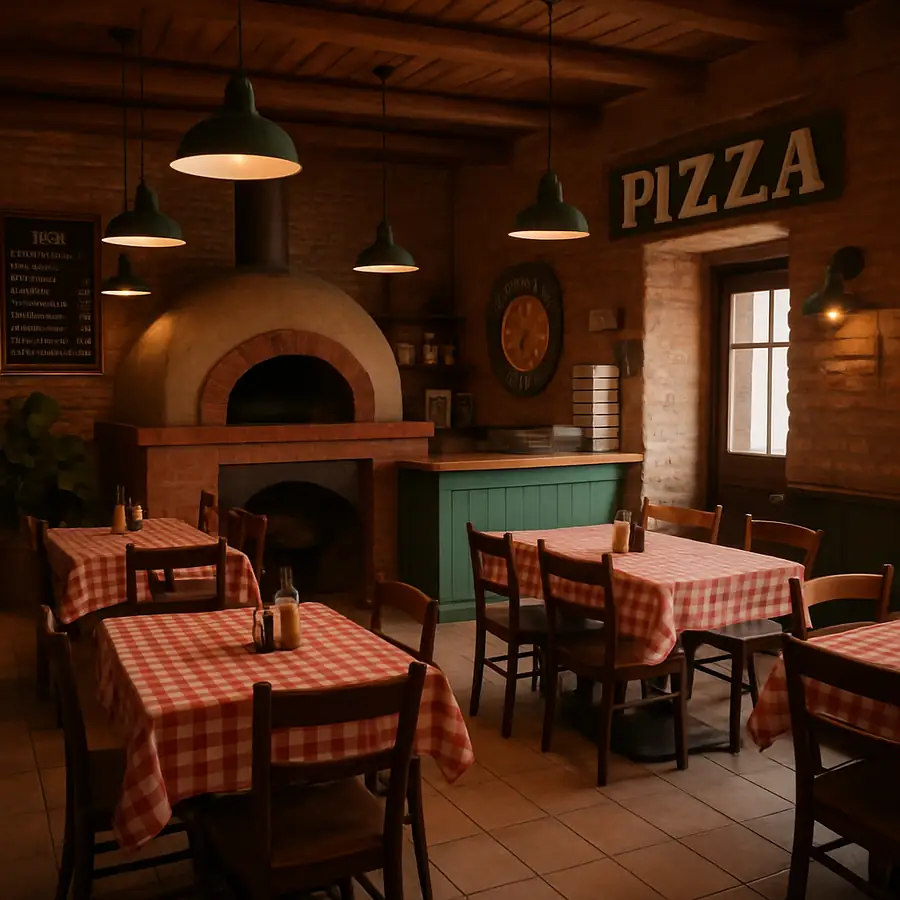
Lastly, include a brief history if applicable, sharing any inspiration or milestones. Visual aids, like a logo or images of your pizzeria, can further enrich this section.
Defining Your Pizza Business Model
Choosing the right business model is vital for your pizzeria's success. Your model determines how you deliver your pizzas and interact with customers.
Start by defining your service style. Will you focus on dine-in experiences, takeout, delivery, or a combination? Each option has distinct benefits and operational needs.
Consider your pricing strategy. Are you targeting budget-friendly quick bites, or gourmet pizzas with a higher price point? Your pricing should align with your brand identity and target market.
Your pizza business model might include:
- Service Style (Dine-in, Takeout, Delivery)
- Pricing Strategy
- Customer Service Approach
- Revenue Streams
Don’t overlook your revenue streams. Besides pizza sales, explore options like merchandise or catering services. This diversification can bolster profitability.
As you refine your business model, think long-term. Flexibility to adapt to changes, like technological trends and consumer preferences, will ensure sustained growth.

Market Analysis and Industry Trends
Understanding the market is crucial for any pizzeria business plan. A thorough analysis provides insights into trends and consumer preferences.
Begin by identifying your local market size. Look at the demographic details of the area and eating habits. This helps pinpoint opportunities and areas for growth.
Industry trends show a rise in health-conscious choices and gourmet ingredients. Offering gluten-free or vegan options can differentiate your pizzeria.
Consider these key trends in the pizza industry:
- Healthier pizza alternatives
- Rise in online ordering
- Focus on unique dining experiences
Analyze local economic conditions. It affects customers' purchasing power. Is there a demand for budget meals, or are gourmet options more appealing?
Study supply chain issues. Stay informed about ingredient availability and pricing trends. This assists in managing costs and menu pricing.
With a well-rounded market analysis, you'll make informed decisions, aligning your offerings with customer desires and emerging trends.

Target Market and Customer Segmentation
Identifying your target market is fundamental. Know whom you want to serve to tailor offerings effectively. Understanding demographic profiles is key.
Assess aspects like age, income, and lifestyle of potential customers. Are they families, students, or professionals? This information guides your marketing efforts.
Consider these aspects for segmentation:
- Age groups
- Income levels
- Lifestyle and food preferences
Geographic location is also important. Understand where your customers live and work. This affects delivery zones and promotional efforts.
Focus on consumers' habits and preferences. Do they favor dining in, taking out, or delivery? This will inform your operational strategy.
Competitor Analysis
Competitor analysis is vital in establishing your pizzeria's edge. Study local competitors and what they offer to capture market share.
Evaluate their pricing, service styles, and marketing strategies. Identify gaps that your business could fill. This strategic insight enhances positioning.
Key areas to consider:
- Competitors' menu offerings
- Pricing strategies
- Marketing efforts
Investigate their strengths and weaknesses. Recognizing these can help you refine your unique selling proposition and avoid common pitfalls.
Pay attention to customer reviews. They offer invaluable insight into what people desire or dislike about competitors. Use this to perfect your plan.
SWOT Analysis
A SWOT analysis evaluates internal and external factors affecting your pizzeria. It pinpoints strengths, weaknesses, opportunities, and threats.
Strengths might include unique recipes or a prime location. Capitalize on these to forge strong brand identity. Weaknesses could be higher pricing or limited seating.
Your SWOT might consist of:
- Strengths (e.g., quality ingredients)
- Weaknesses (e.g., limited menu)
- Opportunities (e.g., growing trends)
- Threats (e.g., economic downturns)
Opportunities in emerging food trends or growing demand for delivery services provide paths for growth. Focus on these areas to expand your offerings.
Recognize threats like new competitors or fluctuating ingredient costs. Develop strategies to mitigate these risks, ensuring sustainability.

Menu Development and Unique Selling Proposition
Creating a menu that stands out is crucial for a pizzeria's success. Start by deciding on the types of pizzas you want to offer.
Consider incorporating various styles and flavors. A diverse menu attracts a broader audience and caters to varied preferences.
Think about:
- Traditional pizzas
- Gourmet options
- Health-conscious choices
Each menu item should reflect your pizzeria's identity. Aim for unique selling proposition (USP) that distinguishes you from the competition.
Your USP could involve exclusive recipes or artisan ingredients. Providing something unique encourages customers to choose your pizzeria over others.
Pricing is equally important. Ensure that menu prices align with your target market's expectations and perceived value.
Optimize your menu layout for readability. Highlight specials and best-sellers to guide customer choices effectively.
By mastering menu development, you establish solid foundation for your pizzeria's appeal and success.
Location and Facilities
Choosing the right location is vital for your pizzeria's success. A spot with high foot traffic can significantly boost visibility.
Consider accessibility and convenience when scouting for a location. Being near public transport or having parking adds value for your customers.
Key factors to consider include:
- Local competition
- Demographic suitability
- Lease costs and terms
The layout of your pizzeria should enhance both operational efficiency & customer experience. Efficient use of space influences both dining comfort & kitchen productivity.
Invest in facilities that enhance ambiance. Consider lighting, decor, and seating arrangement. These elements can create a welcoming atmosphere.
Strive to balance functionality with aesthetics, ensuring your space meets the operational needs while attracting customers. A well-thought-out location & facility plan sets the groundwork for your venture's success.

Organization and Management Structure
The backbone of a successful pizzeria lies in its organizational structure. Clear roles enhance efficiency and accountability.
Begin by defining key positions such as the restaurant manager, head chef, and marketing manager. This structure fosters streamlined operations and clear communication.
Consider the skills and experience needed for each role. Hiring individuals who align with your brand values is crucial.
To ensure smooth functioning, think about:
- Hierarchy and reporting lines
- Team roles and responsibilities
- Staff training and development
It's essential to promote a positive workplace culture. Encourage collaboration and open communication within the team.
Proper management leads to improved customer service and staff satisfaction. A well-defined organizational structure supports long-term growth and operational success.
Operations Plan
A robust operations plan is key to a thriving pizzeria. It covers daily activities and long-term strategic goals.
Focus on workflow efficiency and quality control. Streamlined operations minimize costs while enhancing customer experience.
Define your supply chain. Ensure reliable suppliers for fresh ingredients and timely deliveries.
Your operations plan should include:
- Pizza Equipment and inventory management
- Production processes
- Quality assurance measures
Implementing technology can improve operations. Consider using a POS system for seamless transactions and tracking.
Regularly review and update processes. This ensures they meet changing business needs and market trends.
Operational excellence is your competitive edge. It contributes to customer satisfaction and repeat business.
 Marketing and Sales Strategy
A well-crafted marketing and sales strategy is crucial for your pizzeria's success. It's not just about selling pizza; it's about creating a brand people love.
Start by defining your brand identity. Your brand should reflect your pizzeria’s unique offerings and values.
Develop a marketing mix that covers all bases. This includes traditional and digital avenues for reaching your audience.
Key components of your marketing strategy:
- Branding and logo design
- Print advertising and promotions
- Social media campaigns
Don’t underestimate the power of online presence. A compelling website and active social media profiles build trust and engagement.
Sales strategies should focus on customer retention. Encourage loyalty with discounts, promotions, and exclusive deals.
Consider these sales tactics:
- Loyalty programs
- Cross-selling and upselling techniques
- Partnership with local businesses
Community involvement also boosts visibility. Collaborate with local events and contribute to neighborhood causes.
By integrating these strategies, you establish a strong market position. This ensures steady growth and increased profitability.
Technology and Systems
Embracing technology is vital for a modern pizzeria. Efficient systems streamline operations, improve service, and boost profits.
Invest in a robust POS system. This handles orders, tracks sales, and manages inventory seamlessly.
Consider integrating these technological solutions:
- Online ordering platforms
- Customer relationship management (CRM) systems
- Digital menus and mobile payment options
Technology enhances the customer experience. Options like online reservations and payment flexibility keep patrons happy and engaged.
Implement data analytics for informed decision-making. Understanding consumer behavior helps refine services and marketing efforts.
Stay ahead by adopting the latest tech trends. This positions your pizzeria as innovative and responsive in a competitive market.
Legal and Regulatory Considerations
Before opening a pizzeria, address all legal and regulatory needs. Compliance ensures smooth operations and avoids penalties.
Start by obtaining the necessary permits and licenses. These include:
- Food service license
- Health department certification
- Zoning permits
Understand labor laws to manage your staff legally. This covers minimum wage, work hours, and workplace safety standards.
Stay updated on regulations affecting the food industry. Regular reviews protect your business from legal issues and help maintain quality standards.
Legal compliance builds trust with customers and regulators. Make it a priority for your pizzeria's success.
Financial Plan and Projections
A comprehensive financial plan is crucial for your pizzeria's success. It gives potential investors a clear picture of your business potential.
Start with detailed financial projections. This helps in understanding the viability of your pizza venture and forecasting its growth.
Include projected income statements to highlight expected revenues and expenses. It's essential to consider all financial aspects.
List your assumptions for revenue, expenses, and growth rate. Transparency is key to attract potential investors and lenders.
Break down your financial plan into specific components:
- Startup costs
- Revenue forecast
- Profit and loss estimates
Ensure you update your projections regularly. It keeps your business aligned with actual performance and industry changes.
Startup Costs and Funding Requirements
Identifying startup costs is the first step in your financial plan. This helps set realistic funding goals.
Break down initial expenses into various categories. Consider these:
- Equipment purchases
- Lease or rent deposits
- Initial inventory
Detailing funding requirements is crucial. It helps investors understand the capital needed to launch your pizzeria.
Finally, outline your funding strategies. This includes whether you plan to seek loans, attract investors, or utilize personal savings.
Revenue Forecast and Break-even Analysis
Estimate your expected revenue to guide financial planning. Use realistic assumptions, based on market research.
Divide revenue projections by time period, like monthly or quarterly. This provides a clearer picture of expected growth.
A break-even analysis is essential. It shows the point where your pizzeria covers all costs and starts to profit.
Calculate break-even by considering fixed costs, variable costs, and pricing. The aim is to predict when profits begin.
Profit and Loss, Cash Flow, and Balance Sheet
Create a profit and loss statement to track financial performance over time. It highlights income and expenses.
Include a cash flow statement. It shows how cash moves in and out of your business.
Keep your balance sheet updated. It provides a snapshot of assets, liabilities, and equity at any given time.
Segment financial statements into key components:
- Revenue streams
- Operating expenses
- Net profit
These documents not only help in daily financial management but also attract potential investors.
Risk Assessment and Contingency Planning
Identifying potential risks is crucial for smooth operations. Consider common risks such as supply chain disruptions and changing market trends.
Develop a contingency plan for each identified risk. This plan ensures your business can adapt quickly and mitigate negative impacts.
List possible risks and their mitigation strategies:
- Economic downturns
- Supplier failures
- Shifts in consumer preferences
Being prepared for unforeseen events helps protect your pizzeria from major setbacks and keeps you focused on long-term success.
Sustainability and Growth Opportunities
Sustainability is key in the modern restaurant business plan. Embrace eco-friendly practices like sourcing local ingredients to reduce your carbon footprint.
Growth opportunities arise from innovative strategies and adapting to market trends. Consider expanding your pizzeria's reach or offerings:
- Introducing new flavors or seasonal specials
- Expanding to new locations or markets
- Partnering with local farms for fresh produce
By focusing on sustainable practices and growth, you can enhance your pizzeria's reputation and longevity in the market.
Tips from Successful Pizzeria Owners
Learning from experienced pizzeria owners can provide invaluable insights. They offer practical advice for overcoming common challenges and achieving success.
Here are some key tips:
- Prioritize customer service and create a welcoming atmosphere
- Regularly update your menu to keep it fresh and exciting
- Invest in employee training to ensure consistent quality
- Focus on local marketing efforts to build community relationships
Implementing these strategies can help enhance both operations and customer satisfaction at your pizzeria.
Build Your Pizzeria with The Horeca Store
Every successful pizzeria starts with the right commercial equipment and kitchen supplies. The Horeca Store offers a complete range of professional pizza-making equipment, including commercial pizza ovens, dough mixers, refrigerated prep tables, pizza peels, baking trays, storage solutions, and essential kitchen accessories. Whether you're launching a new pizzeria or expanding an existing one, our high-quality products are designed to improve efficiency, maintain food consistency, and support smooth day-to-day operations.
From food preparation and cooking to serving and takeaway packaging, The Horeca Store is your trusted partner for commercial restaurant equipment and hospitality supplies. With competitive pricing, durable commercial-grade products, and reliable customer support, we help pizzerias, cafés, cloud kitchens, and restaurants create efficient kitchens that deliver exceptional pizzas and memorable customer experiences.
Conclusion: Bringing Your Pizzeria Vision to Life
Crafting a detailed pizzeria business plan lays the groundwork for success. It helps translate your vision into tangible action.
This process is vital for both securing funding and guiding day-to-day operations.
Key steps include:
- Conducting thorough market research
- Defining your unique pizza business model
- Developing robust marketing strategies
These components drive your pizzeria's growth and profitability.