
The aroma of sizzling meats, the vibrant colors of fresh garnishes, and the infectious energy of a bustling crowd—there is nothing quite like the magic of street food. For generations, meals served on the pavement have offered a window into the soul of a city. Today, however, that humble pavement has transformed. Thanks to the rapid evolution of mobile kitchen concepts, aspiring chefs and passionate foodies are no longer confined to traditional brick-and-mortar restaurants.
Starting a food truck is an exhilarating journey that blends culinary creativity with the thrill of entrepreneurship. But serving incredible dishes out of a compact moving vehicle takes more than just a good recipe; it requires meticulous planning, a deep understanding of your audience, and a solid business strategy.
Whether you want to serve fusion tacos or authentic regional culinary specialties, this comprehensive guide will walk you through the essential steps to launch a successful mobile culinary business.
1. Finding Your Culinary Identity
Before you buy a truck or apply for a single permit, you need a bulletproof concept. The mobile food industry is fiercely competitive, and standing out requires a unique value proposition.
Draw Inspiration from the Streets
To become a great vendor, you must first be an avid student of the pavement. Spend time exploring famous global snack markets—from the bustling hawker centers of Singapore to the vibrant plazas of Mexico City. Observe what draws a crowd. Pay attention to night market delicacies that offer high visual appeal and intoxicating aromas.
When conducting your market research, practice the art of how to find hidden gem food stalls in your own city. Observe how these successful micro-businesses operate. What is their best-selling item? How do they manage long queues? Incorporating best practices for sampling local flavors—such as trying the signature dish and noting the preparation time—will give you invaluable insights into menu engineering.
Blending the Old with the New
Modern consumers love innovation, but they also crave comfort. A highly successful approach is balancing traditional versus modern takeaway snacks. For example, you might take a classic street dish and elevate it using high-quality, locally sourced ingredients. Highlighting the benefits of eating local artisan meals not only supports your community's economy but also allows you to charge a premium for your unique offerings.
Consider the essential spices in local market dishes that resonate with your target demographic. If you are leaning toward ethnic cuisine, think about the search intent of your future customers.
2. Understanding Your Target Market
Your concept might be brilliant, but is there a local demand for it? Understanding the cultural impact of outdoor eating habits in your specific city is crucial. In some regions, food trucks are a late-night weekend novelty; in others, they are a daily lunch staple for busy office workers.
Navigating the Urban Landscape
Success often hinges on location. Navigating busy urban food hubs requires strategic thinking. You need to identify where your target audience congregates.
- Business Districts: Perfect for quick, high-volume lunch services.
- Brewery Partnerships: Ideal for evening crowds who want heavy, savory food to pair with craft beer.
- Festivals and Events: High-entry cost but massive potential revenue and brand exposure.
Keep in mind that your audience may also consist of tourists looking for budget-friendly travel eating tips. Offering combo meals or visually stunning, shareable plates can make your truck a highly recommended stop on local travel blogs.
3. Creating a Watertight Business Plan
A food truck is a business on wheels, and like any business, it requires a comprehensive plan to secure funding and guide your growth.
Key Components of Your Business Plan
- Executive Summary: A concise overview of your concept, target market, and financial goals.
- Company Description: Will you be an LLC? Who are the key players?
- Market Analysis: Detail your competitors and explain your competitive advantage.
- Menu and Pricing Strategy: Cost out every single ingredient. Your food cost should ideally sit between 25% and 30% of your menu price.
- Marketing Strategy: How will you attract customers before and after launch?
- Financial Projections: Detail your startup costs (truck, equipment, initial inventory, permits) and project your cash flow for the first three years.
4. Navigating Licenses and Permits
The least glamorous part of starting a food truck is navigating the bureaucratic maze of local regulations. Because a mobile business crosses county and city lines, you may be subject to multiple jurisdictions.
While specific requirements vary globally, you will generally need:
- Business License: To legally operate a commercial enterprise in your state or city.
- Employer Identification Number (EIN): For tax purposes and hiring employees.
- Mobile Food Facility Permit: Issued by the local health department.
- Zoning and Parking Permits: Dictates exactly where and when you can park your truck.
- Fire Safety Certificate: Required if your truck uses propane, deep fryers, or open flames.
Pro Tip: Don't buy your truck until you know the exact health department regulations in your city.
5. Sourcing and Building Your Mobile Kitchen
Your truck is your most significant investment. You have three main options: buy new, buy used, or lease.
- Buying New: Costs can exceed $100,000, but you get a custom-built kitchen tailored to your exact menu flow, complete with warranties.
- Buying Used: Generally ranges from $40,000 to $80,000. It is more affordable but carries the risk of hidden mechanical or structural issues.
- Leasing: A lower-risk option for testing your concept, though less profitable in the long run.
Designing the Layout
Space is your most precious commodity. The layout must facilitate a smooth assembly line. Consider the ergonomic flow from the order window, to the prep station, to the cooking line, and finally to the plating and serving area. Efficient design minimizes physical collisions between staff and drastically reduces wait times for customers.
6. Prioritizing Hygiene, Safety, and Trust
In the past, cautious diners were largely focused on avoiding stomach issues from sidewalk vendors. Today, the professional mobile catering industry has shattered those old stigmas, but earning customer trust remains paramount.
Cultivating Visible Cleanliness
When diners are looking for a meal on the go, they rely heavily on visual cues for identifying safe roadside dining vendors. Since your entire kitchen is on display through the service window, cleanliness is part of your marketing.
- Maintain Strict Standards: You must implement and adhere to rigorous mobile food truck hygiene standards. This means regular temperature logs for your refrigerators, proper labeling of ingredients, and strict sanitization schedules.
- Visible Handwashing: Ensure your handwashing sink is frequently used by staff in view of the public.
- Gloves and Hairnets: Non-negotiable elements of professional food handling.
- Immaculate Exteriors: A truck covered in road grime sends a subconscious message about the state of the kitchen inside. Wash the exterior of your vehicle frequently.
By making hygiene a core pillar of your operation, you elevate the perception of your business from a mere roadside cart to a premium mobile restaurant.
7. Menu Engineering for Mobile Success
A common mistake among first-time owners is attempting to serve a 20-item menu. In a space no larger than a walk-in closet, a massive menu leads to cross-contamination risks, slow service, and high food waste.
Keep It Focused and Fast
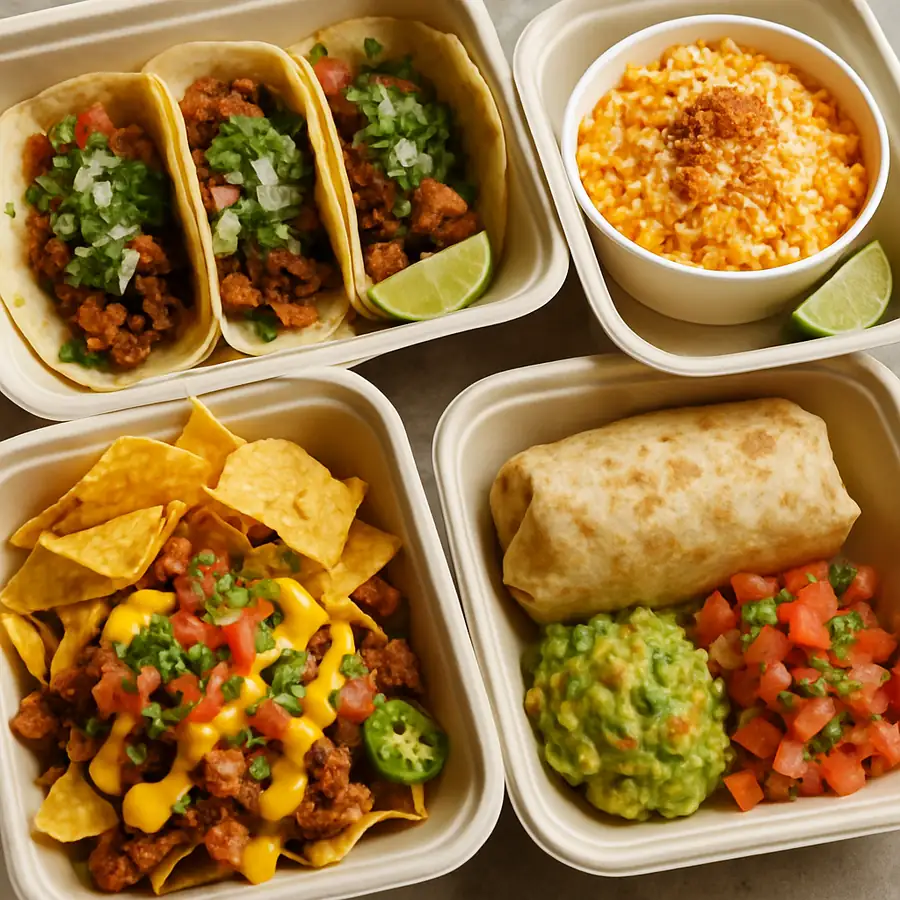
The golden rule of mobile catering is specialization. Offer 3 to 5 core items that you can execute flawlessly under pressure.
- Cross-Utilization: Use the same ingredients across multiple dishes to reduce inventory. For example, a specialized slow-roasted pork can be used in tacos, over rice bowls, or inside a grilled sandwich.
- Prep Heavy, Cook Light: The bulk of your cooking should happen in your commissary kitchen (a licensed commercial kitchen where food trucks prep and store food). Assembly on the truck should take no longer than a few minutes per order.
- Packaging: Invest in high-quality, eco-friendly packaging. Mobile meals need to be eaten while standing or walking. If your food falls apart in the customer's hands, they won't come back.
8. Building a Brand and Marketing Your Business
Having incredible food is only half the battle; people need to know where to find you. Because your location changes, your digital presence must be incredibly strong.
Mastering Social Media
Instagram and TikTok are the lifeblood of mobile food marketing. Diners eat with their eyes first.
- Visual Storytelling: Post high-definition photos of your food, behind-the-scenes prep videos, and footage of long, energetic queues.
- Location Updates: Pin a weekly schedule to the top of your social media profiles. Post daily morning updates on your Instagram Stories detailing exactly where you are parked and what time you open.
- Leverage Local SEO: Optimize your website and social profiles with local keywords so you appear in "near me" searches. Register your business on Google My Business and Yelp.
Community Engagement
Collaborate with local businesses. Partner with a nearby office park to become their dedicated "Food Truck Friday" vendor. Offer discounts to employees of the local hospital. Building relationships in the community creates a reliable base of regular customers who will follow you across the city.

9. Creating Standard Operating Procedures (SOPs)
To scale your business—or simply to keep your sanity—you need Standard Operating Procedures. SOPs are detailed written instructions on how every task in your business should be performed.
- Opening Procedures: Checking tire pressure, turning on generators, firing up fryers, and temping the fridges.
- Closing Procedures: Deep cleaning the flat top, safely disposing of greywater and grease, and securing the vehicle.
- Customer Service Standards: How to greet customers, how to handle incorrect orders, and how to manage the line during a rush.
When you have solid SOPs in place, you can eventually hire staff to run the truck for you, turning your hands-on job into a true passive-income business.
10. The Reality of the Daily Grind
It is vital to enter this industry with realistic expectations. Running a mobile kitchen is physically demanding. You will battle extreme weather—sweltering heat inside the kitchen during the summer, and freezing temperatures while serving in the winter. You will deal with flat tires, broken generators, and sudden downpours that wash out your expected lunch rush.
However, for those who are passionate about hospitality, the rewards are unmatched. You have the ultimate freedom to change your menu, set your own hours, and physically take your culinary art directly to the people.
How to Start Your Own Food Truck
Starting a food truck business is an exciting opportunity for entrepreneurs who want to enter the food industry with lower startup costs and a flexible business model. The Horeca Store the process begins with choosing a unique food concept, creating a strong menu, researching local permits and regulations, developing a business plan, and selecting the right truck and commercial kitchen equipment. Essential equipment such as refrigeration units, cooking appliances, prep tables, storage solutions, sinks, and POS systems plays a major role in creating an efficient mobile kitchen that can handle daily operations.
A successful food truck requires careful planning, reliable equipment, quality ingredients, and a focus on customer experience. From designing an efficient layout to choosing durable commercial supplies, every decision impacts productivity and profitability. The Horeca Store provides a wide range of food truck equipment and restaurant supplies, including refrigeration, cooking equipment, stainless steel workstations, smallwares, disposable products, and other foodservice essentials. With quality solutions and competitive pricing, The Horeca Store helps food entrepreneurs build professional food truck operations ready for success.
Conclusion
Starting your own food truck is a monumental undertaking that goes far beyond a love for cooking. It requires you to be a chef, a mechanic, a social media manager, and a savvy business strategist all rolled into one.
By taking the time to study the rich tapestry of street food, blending global inspirations with local tastes, and adhering strictly to professional business and hygiene standards, you set the foundation for long-term success. Embrace the vibrant culture of outdoor dining, stay true to your unique culinary voice, and prepare to take your community on a delicious ride. The streets are waiting for what you have to serve—it’s time to start your engines.