
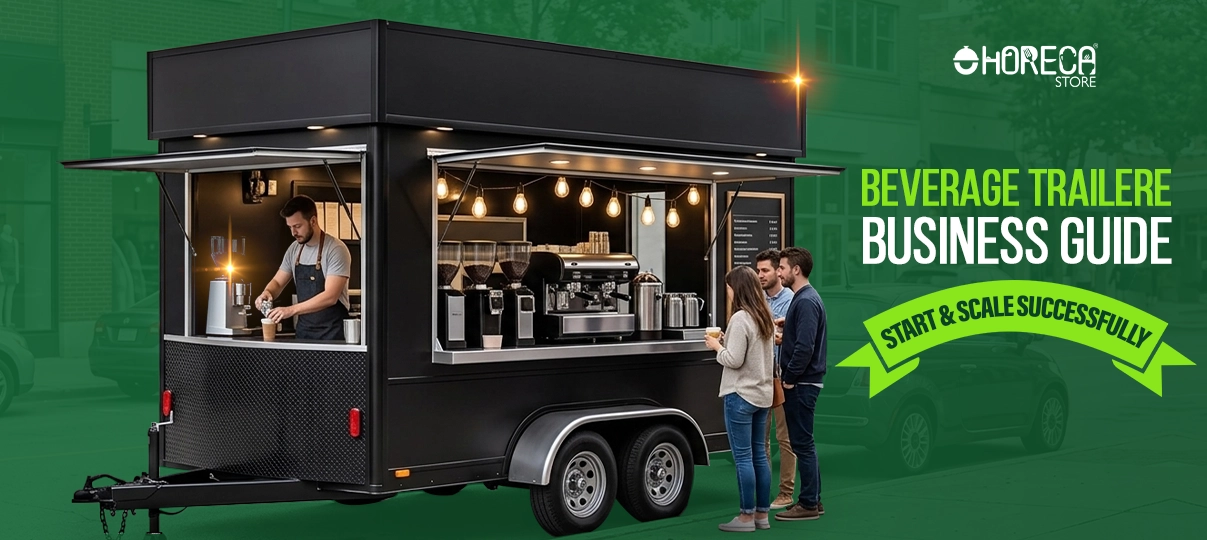
Imagine moving your business to wherever the crowds are—without paying the $5,000 monthly rent of a traditional storefront. According to common commercial real estate data, brick-and-mortar leases often drain your profits before you even pour your first drink. A beverage trailer business flips this script entirely. You swap punishing monthly overhead for a single, manageable asset that drives straight to the paying customers.
We’ve all seen the massive lines at the summer farmers market for a $7 artisanal lemonade or a perfectly crafted iced latte. Have you ever wondered what it takes to be on the other side of that service window? In practice, high-margin drinks like coffee, craft soda, and fresh lemonade offer the perfect entry point for new owners. These items cost pennies to make but sell for dollars, creating a realistic pathway to profitability without requiring massive initial inventory.
Building this dream requires more than just buying lemons and ice, however. Managing your start-up costs effectively means understanding the hidden mechanics behind the scenes, from health department permits to securing a reliable power source. To prevent expensive early mistakes, you need a structured, five-phase roadmap that safely guides you from a basic concept all the way to expanding your fleet.
Transitioning from a rough idea to a thriving community staple is entirely possible when you follow a clear path. Navigating the journey from your initial vision to your eventual scale requires a solid operational foundation.
The '3-Second Rule' for Menu Design: Why Less is More for Your Mobile Cart
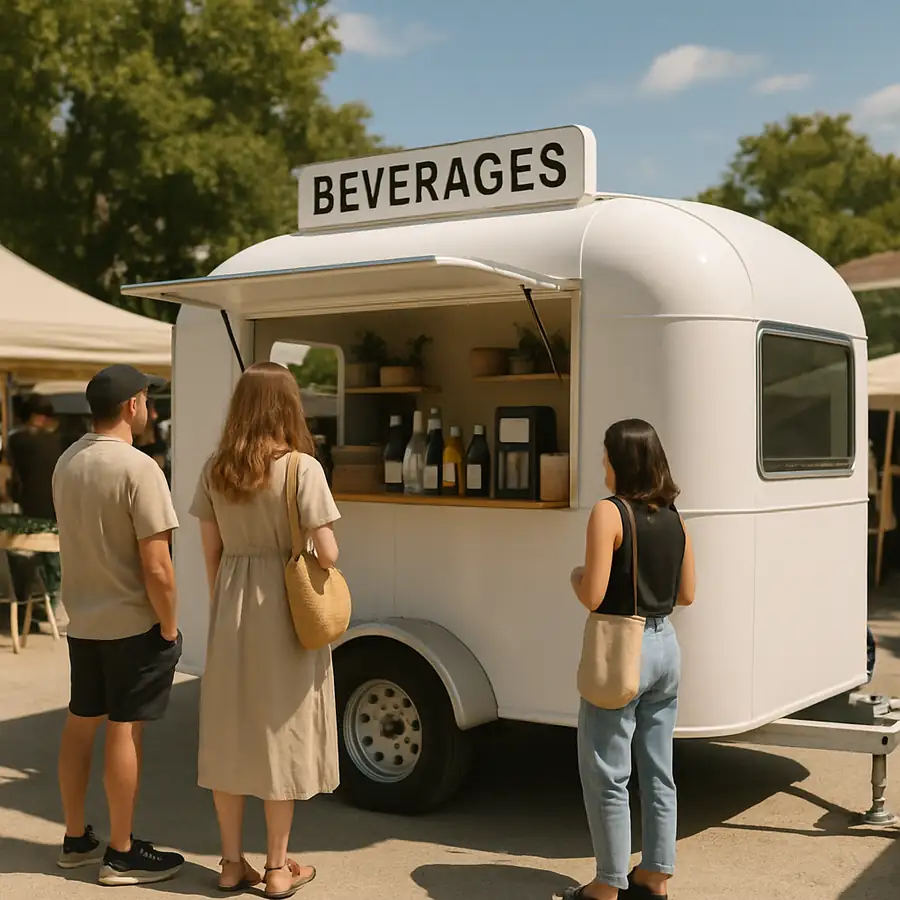
Picture a hot Saturday at the local farmers market, where a massive line stretches from your serving window. If a thirsty customer steps up and stares at a chaotic board of thirty different syrups, you are losing money by the second. Enter the "3-Second Rule": if someone cannot understand your offerings in three seconds, your menu is too complex. In the beverage cart business, massive crowds look great, but slow decision-making causes people at the back of the line to give up and walk away.
Trimming those endless options instantly fixes the biggest headache in inventory management for beverage catering: wasted ingredients. Instead of buying fifteen expiring syrups, focus on high-margin signature flavors that build a highly shareable Instagram brand identity. Consider how a tightly focused mobile coffee shop menu performs against a diner-style list:
- The Generic Trap: 20 confusing drinks requiring 40 ingredients (slow service, high waste).
- The Signature Template: 1 House Classic, 1 Seasonal Special, and 1 Caffeine-Free Refresher (fast decisions, maximum profit).
Knowing exactly what you plan to sell dictates how much physical room you need for refrigerators, water tanks, and prep space. That smaller footprint directly reduces the size and cost of the rig you ultimately purchase. Now that your menu is locked in, you are ready to explore sourcing your physical trailer.
Sourcing Your Steel: New vs Used vs Horse Trailer Conversions
With your streamlined menu finalized, you know exactly how much space you need to operate. Now comes the biggest visual choice for your brand: selecting the physical rig. Your trailer’s aesthetic acts as a giant mobile billboard, so you must match your style to your target events. A sleek, modern box trailer fits perfectly outside a busy daily office park, while a rustic, vintage look commands premium pricing at outdoor weddings.
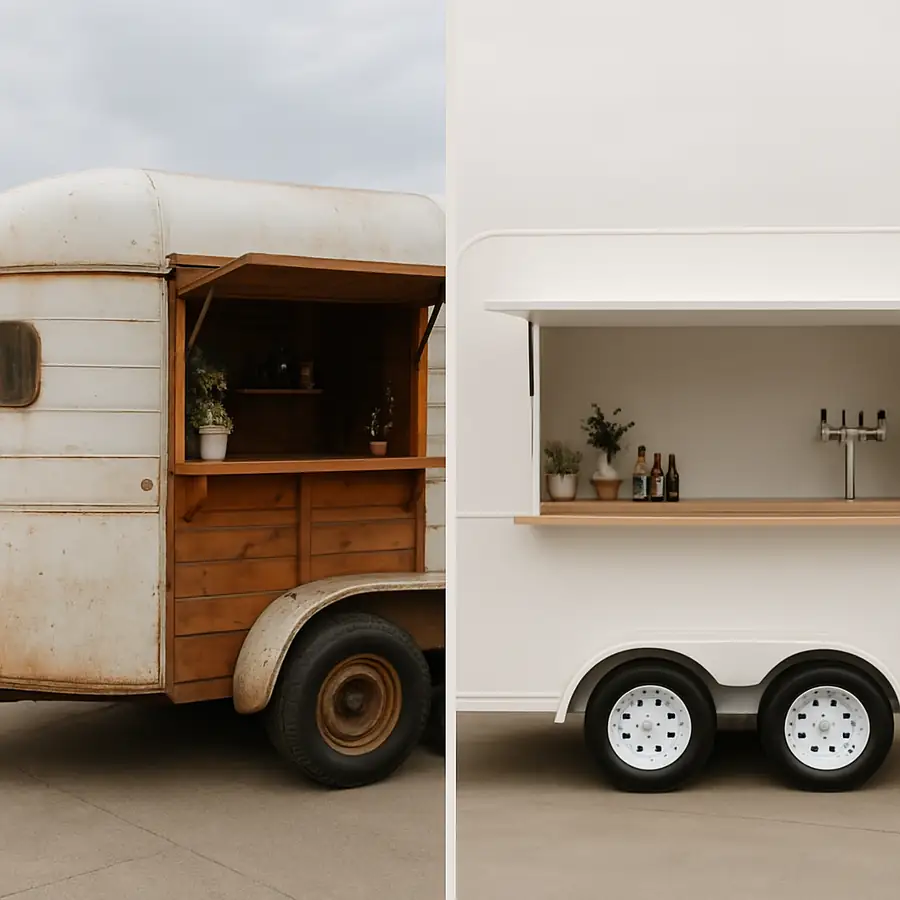
Many beginners immediately search for a horse trailer bar conversion guide, drawn in by the romantic idea of building it themselves. However, buying an empty, rusted metal box (the trailer shell) brings massive hidden expenses. While the initial price tag looks appealing, the "unseen" conversion labor—cutting serving windows, welding floorboards, and installing custom sinks—can easily eat up hundreds of hours of your weekends and delay your launch by months.
Instead of wrestling with power tools, consider the speed-to-market advantage of "turn-key" builds (trailers sold fully finished and ready to brew). When weighing new vs used beverage trailers, understanding your total investment is critical. Consider how custom tap truck build-out costs compare between the two paths:
- DIY Conversion: $3,000 shell + $8,000 parts + 300 hours unpaid labor (Launch time: 6 months).
- Turn-Key Build: $18,000 upfront + $0 additional parts + 0 hours labor (Launch time: 2 weeks).
Ultimately, paying a professional to finish your unit often costs less than the weekend event sales you miss out on while stuck in your garage.
Powering Your Flow: Managing 50-Amp Circuits and Grey Water Systems
Imagine serving your biggest morning rush when suddenly, your entire trailer goes dark. This nightmare happens when operators misunderstand simultaneous power load, which is the total electricity used when every appliance runs at the exact same time. If your commercial fridge kicks on right as you start steaming milk, your 50-amp circuit will immediately trip if you haven't done the proper math.
To avoid losing sales to a blown fuse, you must calculate the total wattage of your equipment before making a single purchase. This is why the best espresso machines for coffee trailers aren't necessarily the largest multi-group monsters, but rather efficient models designed to run safely on mobile generators. Taking the time to properly map out the power requirements for food trailers ensures your brewing equipment, refrigerators, and water pumps can all operate together smoothly.
Electricity is only half of your unseen infrastructure, as managing plumbing is equally critical for mobile beverage operations. While fresh water flows out to your customers in their cups, every drop that goes down your sink drain becomes grey water (the wastewater produced from washing dishes or rinsing pitchers). Health departments universally require your wastewater tank to be significantly larger—usually fifteen percent bigger—than your fresh water supply so nothing ever overflows into the street.
Getting these internal systems right secures the physical foundation of your mobile business. However, even the most perfectly wired and plumbed rig will sit empty in your driveway.
The 'Golden Shield' Strategy: Navigating Health Permits and LLCs
Protecting your business is just as important as building it, which introduces the "Golden Shield" framework. Think of your permits and LLC not as frustrating red tape, but as an impenetrable shield against fines or closures. This defense starts by perfectly aligning your build with local health department requirements for drink trailers, ensuring every sink and surface meets code before you open. Additionally, forming an LLC separates your personal savings from your daily operations, keeping your own bank account safe.
To complete this defense, you must master insurance and prep logistics. Cities mandate preparing ingredients at a commissary kitchen (a licensed commercial facility), but renting off-hours bakery space prevents overspending on rent. For coverage, request general liability insurance for food trucks categorized under "Mobile Catering" to secure the most affordable rates. You should also avoid pursuing a liquor license for mobile beverage carts during your first year, as alcohol introduces massive regulatory hurdles.
Confidence during your initial inspection comes from proactive preparation. Use this checklist to pass your health department review:
- Run your hot water heater continuously to prove temperature stability.
- Stock all hand-washing sinks with soap and paper towels.
- Present a legally signed commissary agreement.
- Display visible, accurate thermometers in all refrigerators.
- Provide a printed floor plan of your trailer layout.
With your legal shield firmly secured, you can confidently shift your focus to the numbers behind the menu to ensure true profitability.
Pricing for Profit: Using 'Batch Math' to Turn Pennies into Paychecks
High retail prices don't automatically guarantee high profits. Mastering the operating costs for mobile drink businesses requires deeply understanding your COGS (Cost of Goods Sold). Instead of guessing your menu prices, you must calculate the Cost-Per-Ounce (CPO) for every single ingredient. If milk costs four dollars a gallon, your CPO is roughly three cents. Mapping out the exact cost of every drop ensures your most popular drinks are actually making you money.
Beyond the liquid itself, profits often vanish through unseen daily expenses. Ice, generator fuel, and upgrades to eco-friendly packaging for beverage trailers add up incredibly fast. Choosing a trendy compostable cup might cost fifteen cents extra, which instantly shrinks your margins if you do not adjust your menu price to cover it.
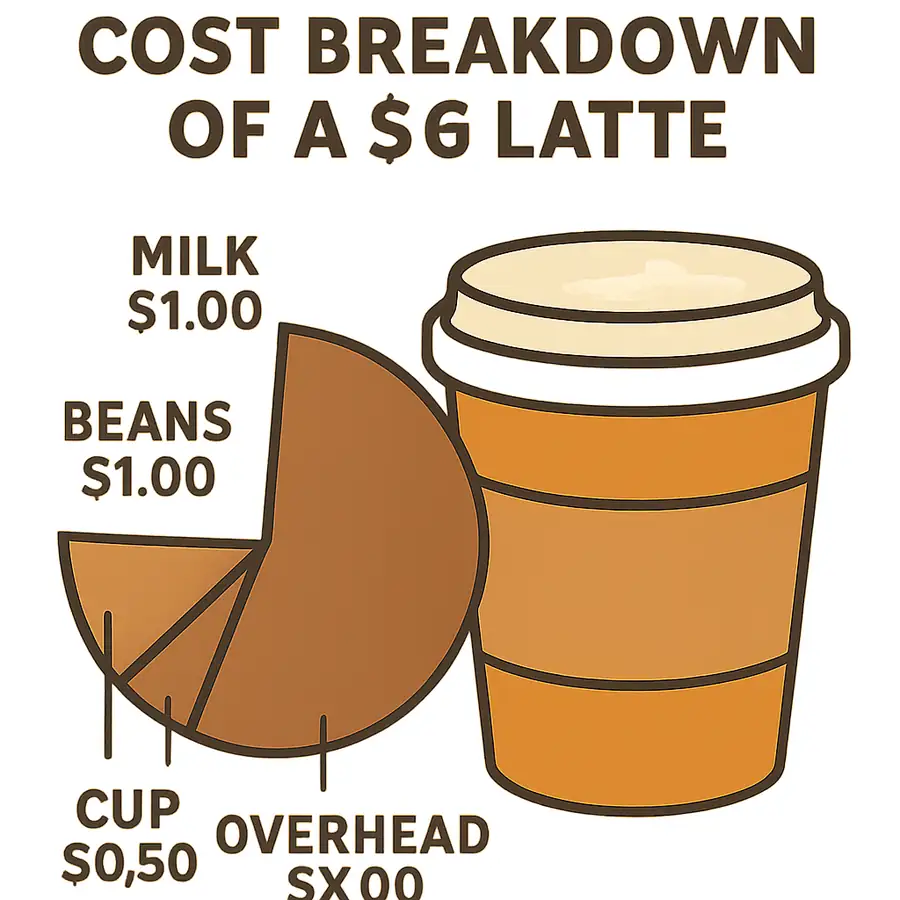
Protecting those tight margins relies on a concept called "Batch Math." Buying cups or syrups in bulk might save just five cents per order, but multiplying that by your Hourly Yield (the physical number of drinks you can serve in sixty minutes) transforms your income. Saving pennies across hundreds of fast-paced weekend orders equals hundreds in extra monthly revenue. Once your math firmly works, you are ready to confidently pursue high-value private events.
Booking Your First Big Win: Leveraging Instagram for Weddings and Corporate Gigs
Landing a high-paying private gig requires shifting your focus from street traffic to a digital storefront. To attract premium wedding planners, your social media must act as an "Aesthetic Portfolio." When marketing a mobile coffee shop on Instagram, planners aren't just looking at your drinks; they are judging how your trailer fits their client's elegant background. Focus on bright, well-lit photos showing your pristine setup against beautiful venues to prove you are a polished vendor.
Corporate HR departments are constantly searching for unique ways to host employee "Appreciation Days," making them another fantastic target. The secret to booking weddings and corporate events is proving your efficiency and charm through video. Build trust instantly by posting these four essential Instagram Reels:
- A "Morning Setup" time-lapse showing your clean, organized process.
- A "Speed Pour" demonstration proving you can handle long lines.
- A "Menu Tour" highlighting your most photogenic drinks.
- A smiling "Meet the Owner" introduction to build personal connection.
The easiest place to find these lucrative leads is right at your weekend service window. Maximize your mobile bar POS system features (your Point of Sale tablet) to capture customer emails by offering digital receipts. This builds a valuable local mailing list, allowing you to send targeted messages when holiday party season approaches. Once you lock in these larger contracts, your calendar will fill up fast, creating the perfect opportunity to scale.
Scaling Without Stalling: When to Hire Your First Barista and Buy Unit Two
Success brings a fantastic problem: you cannot be in two places at once. Successfully scaling a mobile bartending business requires watching for three specific triggers proving you are ready to expand. When you start turning down lucrative private events because your calendar is full, consistently sell out of inventory hours early, and maintain an hourly yield that easily covers an extra paycheck, it is time to build unit two.
Delegating the service window terrifies founders who worry their signature drinks will suddenly lose their magic. The secret to protecting your reputation is standardizing your drink recipes long before you step away. Consider this your simplest form of business process automation; instead of letting workers guess with "a splash of vanilla," create foolproof, laminated cards detailing the exact syrup pumps and ice scoops required to guarantee absolute consistency across multiple units.
With operations thoroughly documented, hiring food truck staff transforms you from a tired owner-operator into a strategic route manager. Rather than pouring every single drink, your focus shifts to securing premium locations and leveraging bulk supply purchases to widen your profit margins. Establishing these reliable systems allows you to step back from the daily grind and execute a flawless launch strategy.
Your 30-Day Launch Roadmap: From Business Plan to First Pour
You no longer just see thirsty crowds; you see a scalable business. Knowing how to start a beverage trailer means trading massive storefront rent for the freedom to follow the customers wherever they gather.
Turn that vision into reality over the next 30 days. Grab your mobile bar business plan template and follow this 4-week countdown to your first public event:
- Week 4: Secure your health department permits and finalize a simple, highly profitable menu.
- Week 3: Order your bulk inventory and master your towing and parking logistics.
- Week 2: Run a full equipment dry run in your driveway to minimize launch day jitters.
- Week 1: Gather a final checklist of the must-have supplies for every shift, like backup extension cords and extra ice.
Before opening that serving window, do a final reality check. It’s 10 AM, the line is twenty people deep, and your generator suddenly stops—do you have a backup plan ready to keep the drinks pouring?
Once you can answer that question, you are fully prepared. Your next Saturday Market doesn't have to be spent on the consumer side of the counter. Pour your first signature drink, trust your preparation, and watch your new mobile business come to life.
Buy Beverage Trailer Equipment from The Horeca Store
Building a successful beverage trailer business starts with investing in reliable commercial equipment that delivers speed, consistency, and exceptional drink quality. The Horeca Store offers a wide range of beverage trailer equipment, including commercial refrigerators, ice makers, espresso machines, blenders, beverage dispensers, undercounter coolers, sinks, stainless steel worktables, and essential bar accessories. Our commercial-grade equipment is designed to maximize efficiency in compact spaces while supporting high-volume beverage service.
Whether you're launching a coffee trailer, juice bar, smoothie trailer, or mobile beverage business, The Horeca Store provides premium equipment from trusted brands to meet your operational needs and budget. Our experienced team can help you choose the right equipment based on your menu, available space, and expected customer demand. With competitive pricing, dependable customer support, and high-quality commercial products, The Horeca Store is your trusted partner for starting and scaling a successful beverage trailer business.