
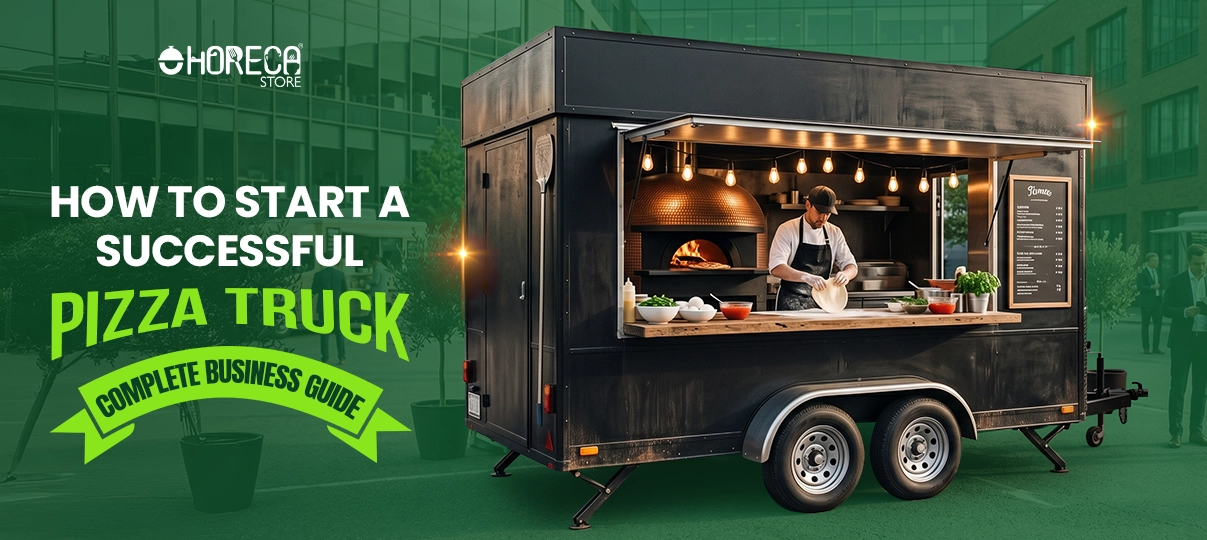
There is nothing quite like the smell of freshly baked dough, melting mozzarella, and rich tomato sauce wafting through the air at a local festival, brewery, or busy downtown street. If you are passionate about pizza and have an entrepreneurial spirit, taking your culinary skills on the road might be the perfect venture. Learning How to Start and Run a Successful Pizza Truck is an exciting journey that blends the art of traditional pizza-making with the dynamic, fast-paced world of mobile food vending.
Serving pizza on wheels offers a unique set of advantages: lower initial investments, the ability to go directly to your customers, and the flexibility to adapt to changing market trends. However, running a mobile pizzeria is not just about baking a great pie. It requires meticulous planning, operational efficiency, mechanical troubleshooting, and savvy marketing.
In this comprehensive guide, we will walk you through every step of building a thriving mobile pizza business, from drafting your initial business plan and sourcing the right equipment to navigating local regulations and maximizing your revenue all year round.
1. The Business Case: Pizza Truck vs Brick and Mortar Restaurant
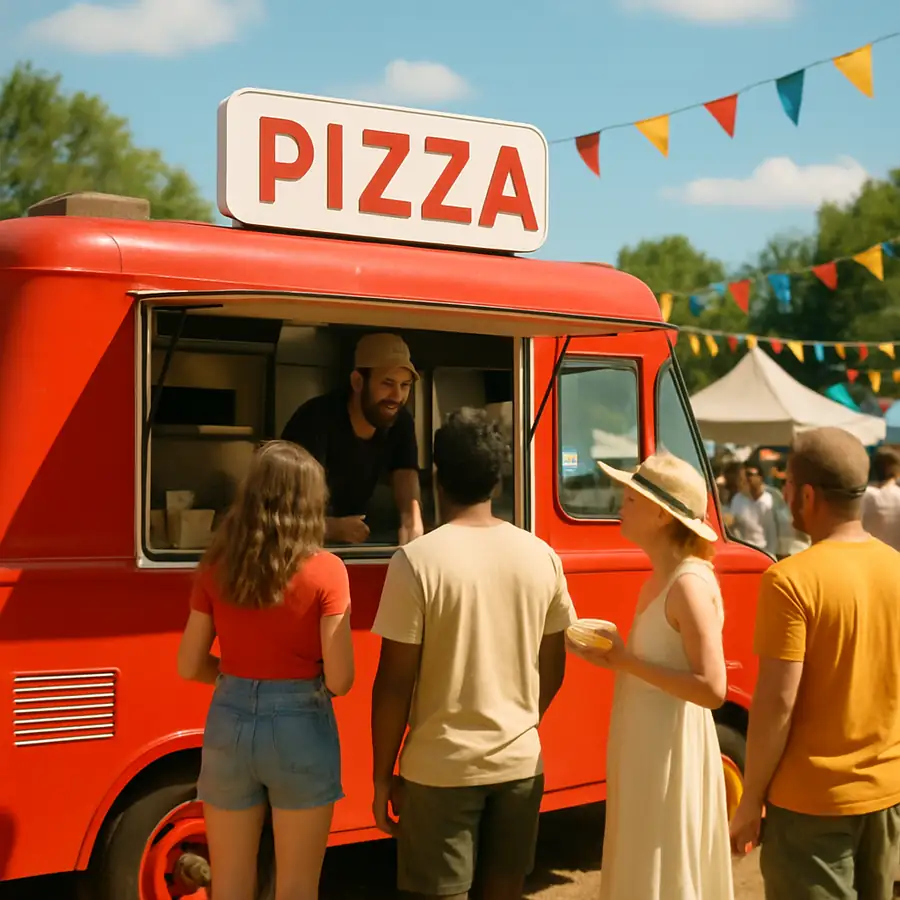
Before investing your life savings, it is crucial to understand the landscape. One of the first decisions many culinary entrepreneurs face is the classic dilemma of a pizza truck vs brick and mortar restaurant.
Lower Overhead and Startup Costs Opening a traditional restaurant can easily cost between $250,000 and $1,000,000 depending on the location, build-out, and licensing. A pizza truck, by contrast, drastically reduces these barriers to entry. You avoid signing a multi-year commercial lease, paying for extensive dining room renovations, and hiring a large front-of-house staff.
Unmatched Flexibility If a traditional restaurant chooses a bad location, the business often fails. With a food truck, if a location is not generating sales, you simply turn the key and drive to a better spot. This location independence allows you to test different neighborhoods, target lunch crowds in business districts, and pivot to evening crowds at local breweries.
Scalability and Brand Building Many successful restaurateurs use food trucks as proof of concept. Building a loyal following on the road creates built-in demand if you ever decide to open a physical location. Conversely, many established brick-and-mortar pizzerias launch food trucks to expand their catering reach and act as mobile billboards for their brand.
2. Planning Your Finances: Food Truck Startup Costs Breakdown
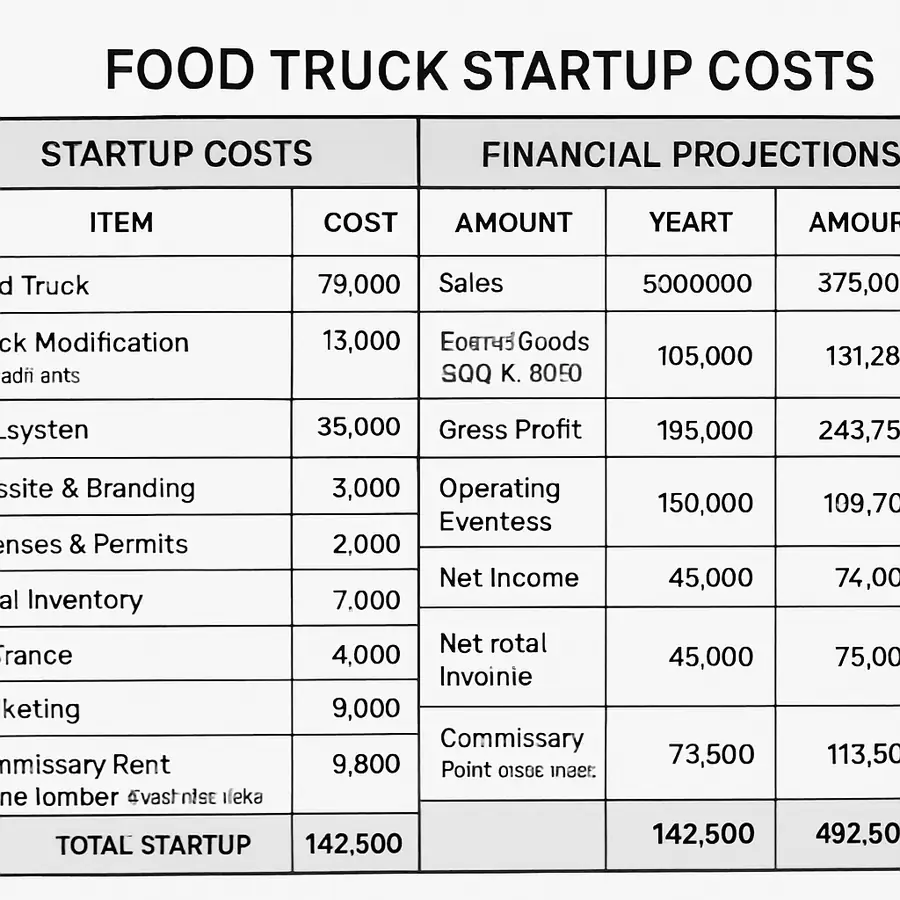
A comprehensive food truck startup costs breakdown will help you secure funding, whether you are applying for a small business loan or pitching to investors.
Here is a realistic look at what you can expect to spend when launching a pizza truck:
- The Vehicle ($20,000 - $60,000): You can purchase a used step van, a converted school bus, or a towable concession trailer. Trailers are generally cheaper but require a heavy-duty towing vehicle.
- The Build-Out and Customization ($30,000 - $75,000): This includes installing electrical wiring, plumbing, reinforced flooring for heavy ovens, gas lines, and stainless steel walls to meet fire and health codes.
- Cooking Equipment ($10,000 - $25,000): This covers your oven, refrigeration, prep tables, ventilation hoods, and generators.
- Permits, Licenses, and Insurance ($2,000 - $5,000): Initial fees for local municipalities, health inspections, and commercial policies.
- Branding and Truck Wrap ($3,000 - $6,000): Your truck is a moving billboard. A professional vinyl wrap is essential for attracting foot traffic.
- Initial Inventory and Operating Capital ($5,000 - $10,000): You need a financial buffer to cover ingredients, fuel, commissary rent, and payroll for the first few months while you build your customer base.
Total Estimated Startup Cost: $70,000 - $181,000
Understanding Food Truck Profits The core ingredients—flour, water, yeast, salt, tomatoes, and cheese—are relatively inexpensive. When operated efficiently, a pizza truck can achieve food costs as low as 20% to 25%, leaving significant room for strong food truck profits once overhead and labor are deducted.
3. Navigating Legalities, Permits, and Insurance
Bureaucracy can be the most frustrating part of launching your business, but strict adherence to local laws is non-negotiable.
Acquiring Your Licenses
Figuring out how to get a mobile food permit requires patience, as the process varies wildly by city and county. Generally, you will need to follow these steps:
- Register Your Business: Obtain an Employer Identification Number (EIN) and form an LLC or corporation.
- State and City Business Licenses: Acquire a general business license for your city.
- Food Handler and Manager Certificates: You and your staff must pass food safety courses.
- Fire Marshal Inspection: Because you are operating an oven inside a vehicle, the fire marshal will heavily scrutinize your fire suppression system, ventilation, and propane tank mounts.
Meeting Health Department Standards
You must strictly adhere to health department sanitation standards for mobile units. Inspectors will look for:
- A three-compartment sink for washing, rinsing, and sanitizing utensils.
- A separate handwashing sink with hot and cold running water.
- Adequate fresh water and wastewater (greywater) holding tanks. Typically, the wastewater tank must be 15% to 50% larger than the fresh water tank.
- Commercial-grade, easy-to-clean surfaces (usually stainless steel).
Securing the Right Coverage
A common question among new owners is: what insurance does a pizza truck need? Operating a kitchen on wheels carries unique risks. You will need:
- Commercial Auto Insurance: Covers the vehicle itself in case of traffic accidents.
- General Liability Insurance: Protects you if a customer slips near your truck or gets food poisoning.
- Commercial Property Insurance: Covers the expensive equipment bolted inside your truck if it is damaged by fire or theft.
- Workers' Compensation: Mandatory in most states if you hire employees, covering their medical costs if they are burned or injured on the job.
4. Designing a High Throughput Pizza Truck Layout
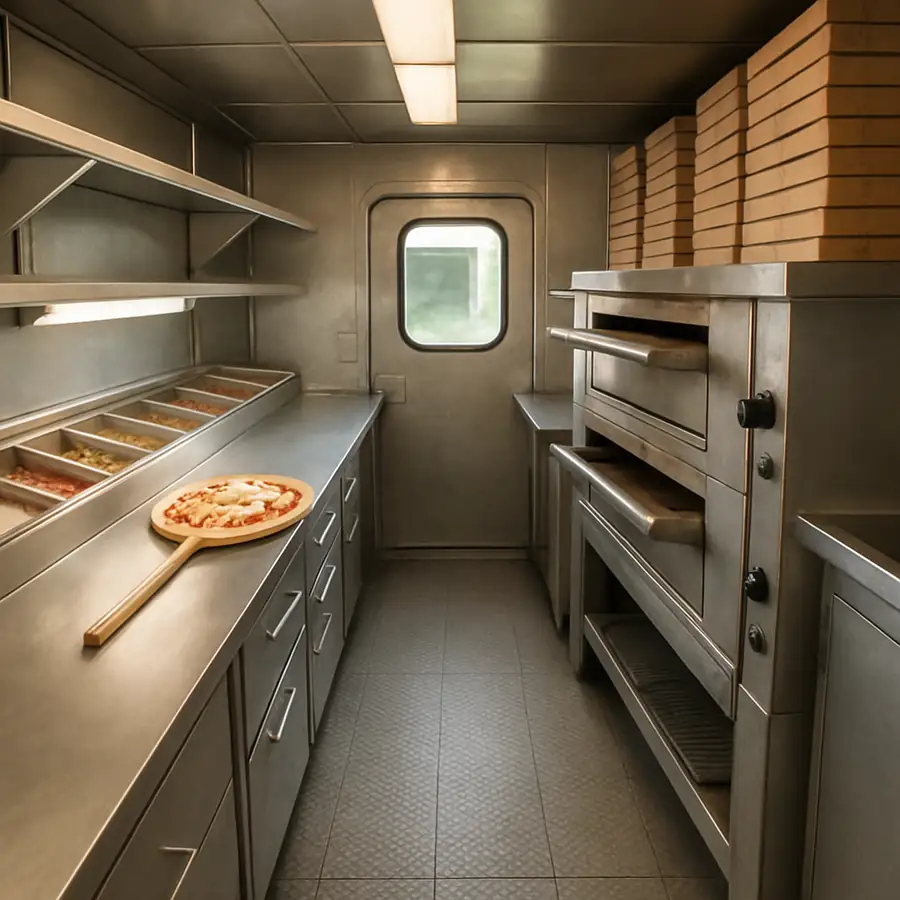
In a space that is typically 8 feet wide and 16 to 24 feet long, every single inch matters. A high throughput pizza truck layout is designed around the "golden triangle" of kitchen ergonomics, minimizing the number of steps your staff has to take to complete an order.
Your layout should facilitate a linear, one-way workflow:
- The Order Window: Where the POS system is located and the customer interaction happens.
- The Prep Station: Immediately adjacent to refrigerated prep tables where dough is stretched and topped.
- The Oven: Placed safely but accessibly from the prep station.
- The Finishing/Cut Station: Where the pizza is sliced, garnished (e.g., fresh basil, hot honey), and boxed.
- The Pickup Window: Distinct from the order window to prevent bottlenecks in customer traffic outside the truck.
The Essential Pizza Truck Equipment List
To execute this layout, you need specific, high-quality gear. Your essential pizza truck equipment list should include:
- Commercial Pizza Oven: (More on this below).
- Refrigerated Pizza Prep Table: Features under-counter storage for dough boxes and a top rail with cooling pans for cheese, sauce, and toppings.
- Upright or Undercounter Refrigerator: For storing backup ingredients and drinks.
- Dough Mixer: (If you plan to mix dough on the truck, though most do this at a commissary).
- Commercial Ventilation Hood and Fire Suppression System: Absolutely critical for safety and code compliance.
- Quiet Inverter Generators: Honda or Cummins Onan generators that provide enough wattage for your fridges, lights, and water pump without deafening your customers.
- Hot Water Heater and Water Pump: To ensure compliant sink operation.
5. The Heart of the Truck: Choosing and Managing Your Oven
Your oven dictates the style of pizza you make, your production speed, and the structural requirements of your truck. You generally have three choices: gas deck ovens, conveyor ovens, or wood-fired/gas-fired dome ovens.
The Appeal of the Mobile Wood-Fired Oven
Many purists dream of serving authentic Neapolitan pizza. For this, a portable wood fired pizza oven for trailers or trucks is highly sought after. These ovens create a magnificent visual spectacle for customers and impart a distinct, smoky flavor to the crust.
However, mounting a traditional brick oven inside a truck requires massive structural reinforcement. Brick ovens can weigh thousands of pounds and can crack as the truck hits potholes. To solve this, many owners opt for modern, stainless-steel insulated dome ovens. These weigh a fraction of traditional masonry ovens, heat up much faster, and are designed to withstand the vibrations of the road.
Temperature Management
One of the most difficult skills to master is maintaining consistent temperature in mobile pizza ovens. Unlike a brick-and-mortar kitchen which has a relatively stable ambient temperature, a food truck is exposed to the elements.
- Drafts and Wind: A gust of wind through the service window can suck the heat right out of a dome oven, dropping the ambient temperature drastically.
- High Volume Drops: Throwing four cold pizzas into the oven simultaneously will drop the floor temperature.
- Wood Management: If using wood, you must constantly manage the fire, feeding it small, dry logs to keep the rolling flame active without overcrowding the cooking floor.
Actionable Tip: Many modern mobile operators use dual-fuel ovens (wood and gas). They use the gas burner to maintain a consistent floor temperature and use a small amount of wood to provide the rolling flame and smoky flavor. This hybrid approach ensures consistency during busy rushes.
6. Menu Optimization and Commissary Kitchens
When you have a line of fifty hungry people waiting outside your truck, a complicated menu is your worst enemy.
Menu Engineering for Speed
Knowing how to design a pizza truck menu for speed is the secret to maximizing your hourly revenue.
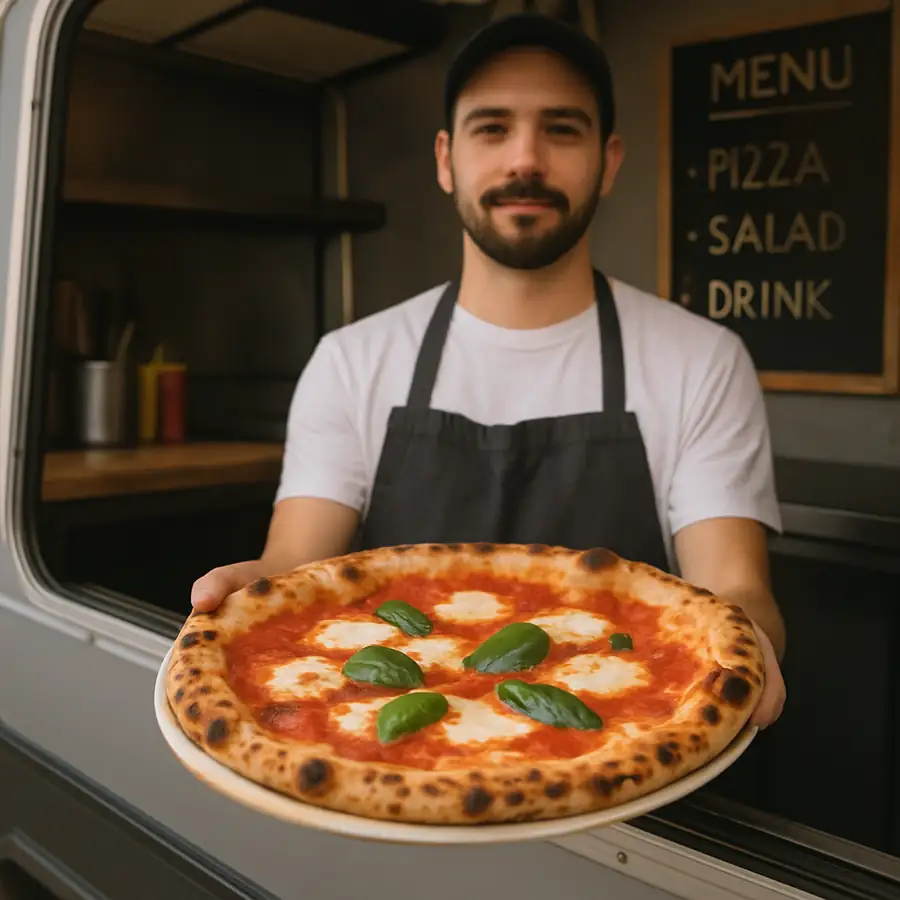
- Keep it Simple: Offer 4 to 6 core pizzas (e.g., Margherita, Pepperoni, Meat Lover's, Veggie) and perhaps one rotating weekly special.
- Limit Customizations: "Build-your-own" pizzas slow down the prep line, require you to stock too many perishable ingredients, and create confusion at the window. Gently steer customers toward your curated combinations.
- Focus on Cook Time: Neapolitan pizzas cook in 90 seconds at 900°F. NY style might take 5-7 minutes at 550°F. Your dough hydration and cheese blend should be formulated for your specific oven's optimal bake time.
- Pre-portioning: Pre-portion out meats and complex toppings before the shift begins so your line cook can simply grab and scatter.
The Role of the Commissary Kitchen
You might be wondering where all this prep happens. Due to space and health code limitations, most cities require food trucks to operate out of a licensed commissary.
Familiarize yourself with local food truck commissary kitchen requirements. A commissary is a commercial kitchen where you:
- Mix and ferment large batches of dough.
- Wash, chop, and prep your vegetables and meats.
- Wash large pots and equipment that won't fit in your truck’s three-compartment sink.
- Dispose of your truck's greywater and grease safely.
- Fill your fresh water tanks.
- Store bulk ingredients like 50lb bags of flour and #10 cans of tomatoes.
When choosing a commissary, look for a facility with ample walk-in refrigerator space, as cold-fermenting pizza dough requires significant shelf room.
7. Location Strategies and Revenue Streams
A great pizza and a beautiful truck mean nothing without hungry customers. Finding the right places to park and the right ways to sell are the lifeblood of your business.
Where to Park
Executing profitable pizza truck location strategies involves a mix of research, networking, and trial-and-error.
- Breweries and Wineries: These are goldmines. Many taprooms do not have their own kitchens and rely heavily on food trucks to keep their patrons drinking longer. Pizza and beer is a universally loved combination.
- Business Parks and Office Buildings: Target the lunch rush. Workers want fast, delicious food without losing their parking spots.
- Universities and College Campuses: Late-night pizza slices are always a massive hit among college students.
- Local Festivals and Fairs: These events require paying a vendor fee (often a flat rate or a percentage of sales), but they guarantee massive foot traffic.
Diversifying Your Income
As you plan your financial goals, you need to evaluate catering vs street vending revenue streams.
Street Vending (Public Spots, Breweries, Downtown):
- Pros: Great for building brand awareness, cash flow is immediate, high potential for massive walk-up volume on busy days.
- Cons: Highly weather-dependent, unpredictable sales, relies heavily on social media marketing to let people know where you are.
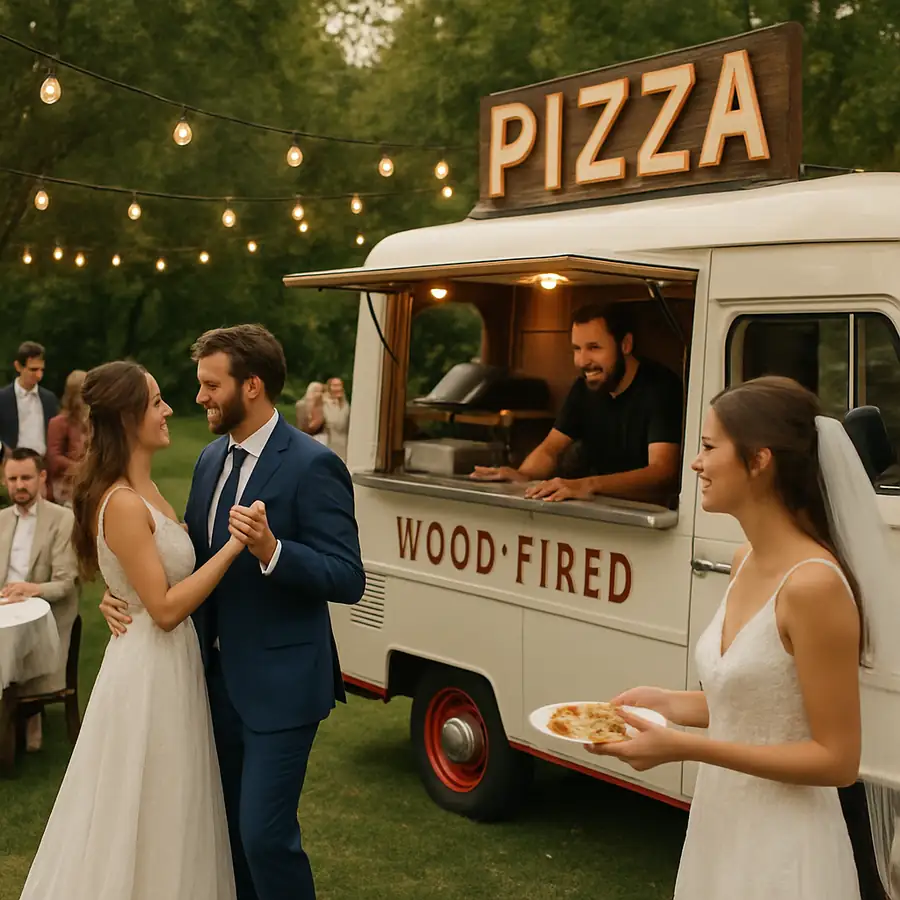
Private Catering (Weddings, Corporate Events, Parties):
- Pros: Guaranteed income. You sign a contract for a specific amount of money and a specific number of pizzas. You know exactly how much dough to prep, resulting in zero food waste.
- Cons: Requires heavy advance booking, customer service intensive, and weekend dates fill up quickly, meaning you might have to turn down lucrative public events.
Actionable Tip: The most successful pizza trucks blend both. They use street vending during the week to maintain cash flow and brand visibility, and they reserve their weekends for high-ticket, high-margin private catering events.
8. Technology and Point of Sale (POS) Systems
Gone are the days when food trucks were cash-only businesses. Today's consumers expect to tap their cards, use Apple Pay, and receive digital receipts. Furthermore, robust data tracking is essential for understanding your peak hours and best-selling items.
Selecting among the best POS systems for mobile food businesses is a critical operational decision. You need a system that is lightweight, intuitive, and capable of operating in less-than-ideal environments.
Top POS Contenders for Mobile Units:
- Square for Restaurants: Extremely popular due to its low barrier to entry and intuitive iPad interface. Square offers excellent offline modes, allowing you to continue taking card payments even if you lose cellular service at a rural festival.
- Toast: A robust, restaurant-grade POS system that offers specialized handheld terminals. Toast is excellent for trucks that have high order volumes, as it routes tickets directly to a Kitchen Display System (KDS) screen mounted above the prep table, eliminating messy paper tickets.
- TouchBistro: A great hybrid system that works reliably and offers strong inventory tracking features, helping you keep an eye on food costs.
When setting up your POS, ensure you optimize the customer-facing display. Features like pre-calculated tip percentages (e.g., 15%, 20%, 25%) on a digital screen significantly boost employee gratuities and morale.
9. Weathering the Elements: Overcoming Seasonality
If you live in a region with distinct seasons, winter can be the ultimate test of a mobile food operator's resilience. When temperatures drop, foot traffic dwindles, and maintaining a truck becomes a mechanical nightmare.
Winterizing Your Truck Before the freeze hits, you must protect your vehicle. Frozen water lines will burst, causing thousands of dollars in damage. Insulate your fresh and grey water tanks, use RV antifreeze in your pipes when storing the truck, and consider installing an engine block heater for cold morning starts.
Strategic Shifts in Revenue Mastering the art of overcoming winter seasonality for food trucks involves pivoting your business model when the snow falls.
- Corporate Lunches: Shift your focus from outdoor public spots to corporate office parks. Employees still need to eat, and if you can park right outside their front door, they will brave the cold for 30 seconds to grab a hot pizza.
- Winter Festivals and Holiday Markets: Seek out events that thrive in the cold. Ice carving festivals, holiday light shows, and Christmas markets are excellent venues for serving hot pizza and warm beverages.
- Indoor Pop-Ups: Partner with local bars or restaurants that have kitchens but don't serve food. You can utilize their indoor space to do "kitchen takeovers" for the winter months, keeping your brand alive and your staff employed.
- Ghost Kitchen Delivery: Park your truck at your commissary and use it as a base to fulfill UberEats, DoorDash, and GrubHub orders. While third-party apps take a hefty commission.
10. Marketing and Building a Cult Following
Because your location changes constantly, traditional marketing strategies like fixed signage won't work. Your marketing must be as mobile and dynamic as your truck.
Social Media is Your Megaphone Instagram, Facebook, and TikTok are non-negotiable tools. Post your weekly schedule every Monday morning. Pin it to the top of your profiles. Post mouth-watering, high-resolution photos of cheese pulls and blistered crusts right before lunch time to trigger cravings. Use Instagram Stories to show the behind-the-scenes action—tossing dough, firing the oven, or dealing with the chaos of a busy rush. People love authentic, humanized content.
Local SEO and Food Truck Apps Register your business on Google My Business. Even though you are mobile, you can set a service area so that when people search "pizza near me," your brand appears. Additionally, register your truck on local food truck locator apps (like Street Food Finder or Roaming Hunger) so enthusiasts can track you down.
The Power of the Truck Wrap Your truck design is your most expensive and effective piece of marketing. A striking, professionally designed vinyl wrap turns your truck into a 24/7 advertisement, even when it is parked at the commissary or driving down the highway. Ensure your logo is massive, your primary product (PIZZA) is easily readable from 50 feet away, and your social media handles are clearly displayed.
11. Staffing and Day-to-Day Operations
Running a pizza truck is exhausting, physical labor. While you might start as a one-person show, scaling requires a reliable team.
The Ideal Pizza Truck Crew: For a high-volume event, you generally need a three-person crew:
- The Window Expedititor: Handles the POS, greets customers, takes payments, and hands out the finished pizzas. Their main job is customer service and crowd control.
- The Prep Cook: Stretches the dough, applies sauce, cheese, and toppings, and stages the raw pizzas on peels.
- The Pizzaiolo (Oven Operator): Manages the fire/temperature, launches the pizzas, rotates them for an even bake, pulls them out, and slices them. This is the most highly skilled position on the truck.
Managing the Heat Working next to a 900-degree oven inside a metal box during July is grueling. To retain your staff, invest in high-quality ventilation, provide ample hydration (a dedicated cooler with cold water and electrolytes), and ensure mandatory cooling breaks during long shifts. Happy, comfortable employees make better pizza and provide better customer service.
Buy Pizza Truck Equipment from The Horeca Store
Starting a successful pizza truck begins with investing in reliable commercial equipment that can withstand the demands of a fast-paced mobile kitchen. The Horeca Store offers a complete range of pizza truck equipment, including commercial pizza ovens, refrigerated prep tables, undercounter refrigerators, dough mixers, freezers, stainless steel worktables, food warmers, and essential smallwares. Our commercial-grade equipment is designed to maximize efficiency, save space, and help you deliver consistently delicious pizzas wherever you serve.
Whether you're launching your first pizza truck or upgrading your existing mobile kitchen, The Horeca Store provides high-quality equipment from trusted brands to suit different budgets and operational requirements. Our experienced team can help you choose the right products based on your menu, available space, and daily production needs. With competitive pricing, dependable customer service, and durable commercial equipment, The Horeca Store is your trusted partner for building a successful and profitable pizza truck business.
Conclusion
Learning How to Start and Run a Successful Pizza Truck is an endeavor that demands culinary passion, business acumen, and immense grit. The road from drafting your initial concept to serving your first customer is paved with permits, mechanical hurdles, and endless dough trials.
However, the rewards of a successful pizza truck business are profound. The low overhead and high margins pave the way for excellent financial returns, while the mobility allows you to weave your brand into the fabric of your local community. By carefully managing your food truck startup costs, optimizing your workflow with the right essential pizza truck equipment list, and strategically balancing catering and street vending, you can turn your culinary passion into a highly profitable enterprise.
Whether you are pulling up to a bustling summer music festival or catering a private twilight wedding, taking your pizza on wheels offers a dynamic, thrilling career that traditional restaurants simply cannot match. Fire up the oven, hit the road, and get ready to serve the best slice in town—wherever that town may be today.