
You’ve smelled the sizzling onions from a block away and heard the steady hum of a generator powering a neighborhood lunch rush. Standing in a long line waiting for that perfect grilled cheese or street taco feels like witnessing a gold mine in action. It is easy to look at that bustling serving window and imagine trading your office cubicle for a kitchen on wheels.
Behind that romantic vision of culinary freedom lies a demanding mechanical reality. Starting a mobile business requires far more than just great family recipes and a catchy brand name. According to seasoned industry operators, running mobile food units is roughly twenty percent cooking and eighty percent logistics, licensing, and parallel parking.
Unit logistics—the actual process of moving, powering, and supplying a commercial workspace on wheels—can quickly overwhelm new owners. Imagine trying to cram your entire home kitchen into a delivery van, adding the heavy plumbing required by local health codes, and then driving it safely over city potholes. Mastering these daily moving parts separates the thriving operations from the ones parked permanently in a residential driveway.
Figuring out how to start and run a successful food truck does not have to be an expensive guessing game. By focusing on practical food truck business tips rather than just culinary dreams, you can safely navigate the hidden complexities of this industry. This roadmap breaks down the exact steps required to transform your initial concept into a profitable opening day reality.
Why a Focused Menu Beats a Huge One: Picking a Concept That Sells
Picture a bustling food truck rally where one line stretches past the rest. That popular truck isn't selling burgers, tacos, and pizza; they are famous for one incredible item, like gourmet grilled cheese. This is your Unique Selling Proposition (USP)—the unforgettable reason customers choose you over the truck next door. In niche branding, trying to please everyone makes you forgettable.
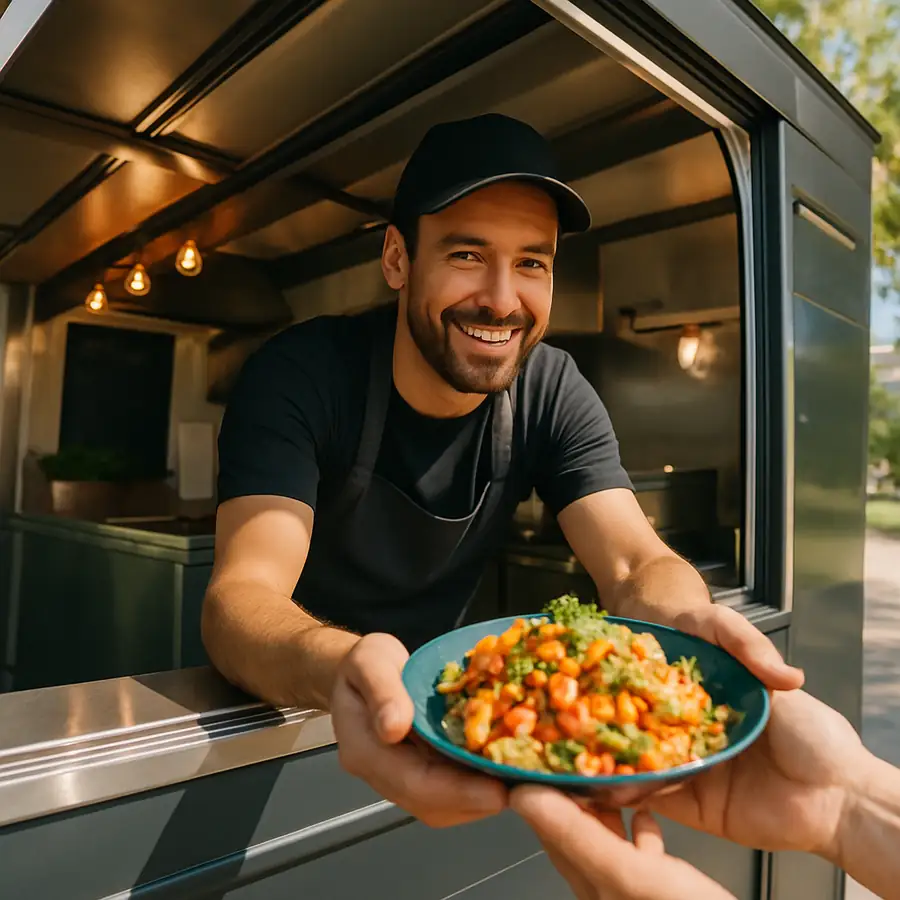
Cramming a diner-sized menu into a 16-foot metal box creates "menu bloat." Offering too many dishes requires extra ingredients, leading to cramped fridges, higher food waste, and a chaotic kitchen. The foundation of good food truck advice is prioritizing menu design around service speed. During a lunch rush, your goal is handing a meal out the window in 60 seconds. A complex dish that takes five minutes to plate will quickly destroy your line and your profits.
Before finalizing your concept, test your ideas with these four questions:
- Can I prep the main components beforehand?
- Does this dish assemble in under 60 seconds?
- Will it hold together if the customer eats while walking?
- Is the profit margin high enough per item?
Once your focused menu is set, you will know exactly what equipment you need to budget for and purchase.
The $50,000 Reality Check: Breaking Down Your Food Truck Startup Costs
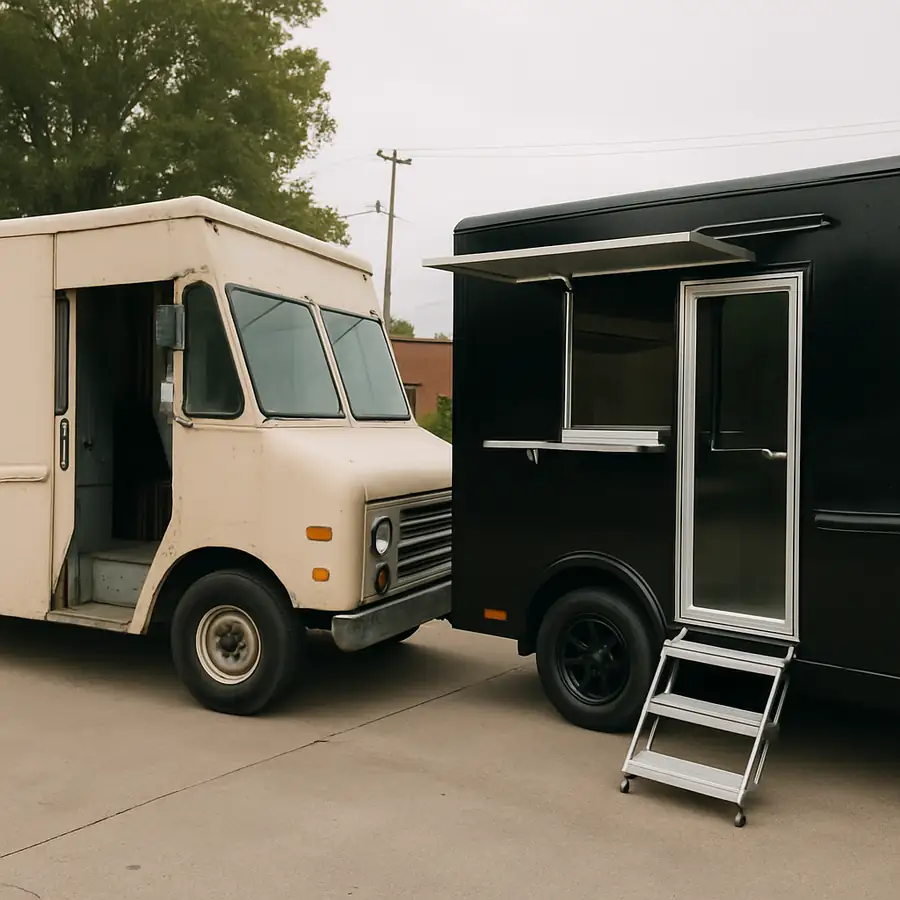
Transitioning from your menu concept to a kitchen on wheels requires a sobering budget review. A realistic food truck startup costs breakdown starts with the vehicle, where you face a massive price gap between a $30,000 used trailer and a $100,000 custom build. Before buying shiny upgrades, rigorously edit your food truck equipment checklist to separate absolute "must-have" items from "nice-to-have" gadgets that unnecessarily drain your starting capital.
Beyond appliances, beginners frequently underestimate soft costs—the invisible administrative fees required to legally launch. These hidden expenses include your initial food stock, city permits, and strict food truck insurance requirements covering both commercial auto accidents and general liability. You must also budget for a wrap design, which is the custom vinyl exterior graphic that transforms a generic delivery vehicle into a vibrant, crowd-drawing brand.
Surviving unpredictable early operations means building a contingency fund, acting as your crucial financial shock absorber. Industry veterans recommend saving enough cash to cover six months of operating expenses just in case your generator blows or unseasonal rain kills your festival foot traffic. This essential rainy day safety net guarantees that a temporary mechanical failure will not permanently bankrupt your dream.
Mastering these numbers provides the confidence to move forward without panicking when surprise bills arrive. Once your budget is secured and your vehicle is purchased, it is time to tackle the necessary legal paperwork, permits, and health codes.
Navigating the Red Tape: Permits, Health Codes, and the Commissary Kitchen
You might assume your mobile kitchen is entirely self-sufficient, but local health inspectors disagree. When navigating the legalities of a food truck vs brick and mortar restaurant, remember mobile units lack permanent plumbing, meaning you cannot legally wash commercial equipment in your driveway. Instead, you must rent space in a commissary kitchen—a commercially licensed base of operations. This facility is where you prep bulk ingredients, safely dump your "grey water" (dirty sink wastewater), and refill your truck's tanks with fresh, potable water. Finding the best commissary kitchen for food trucks in your area is crucial, as cities require a signed lease before granting operating approval.
Paperwork demands serious organization to avoid costly fines. Beginners frequently confuse their general business license (used for collecting taxes) with health department permits for mobile food units (used to verify vehicle sanitation). Because inspectors regularly conduct unannounced visits during busy service hours, you should always maintain these essential documents for a "Permit-Ready" folder:
- Your active commissary kitchen lease agreement.
- Current vehicle health and fire safety permits.
- Valid food handler certifications for all working staff.
Passing surprise inspections keeps your service window open, but legal compliance alone will not pay your bills. Once the city signs off on your vehicle, your attention must shift from municipal red tape toward daily unit economics and sustainable pricing strategies.
The 'Pizza Slice' Math: Pricing Your Menu for 30% Profit Margins
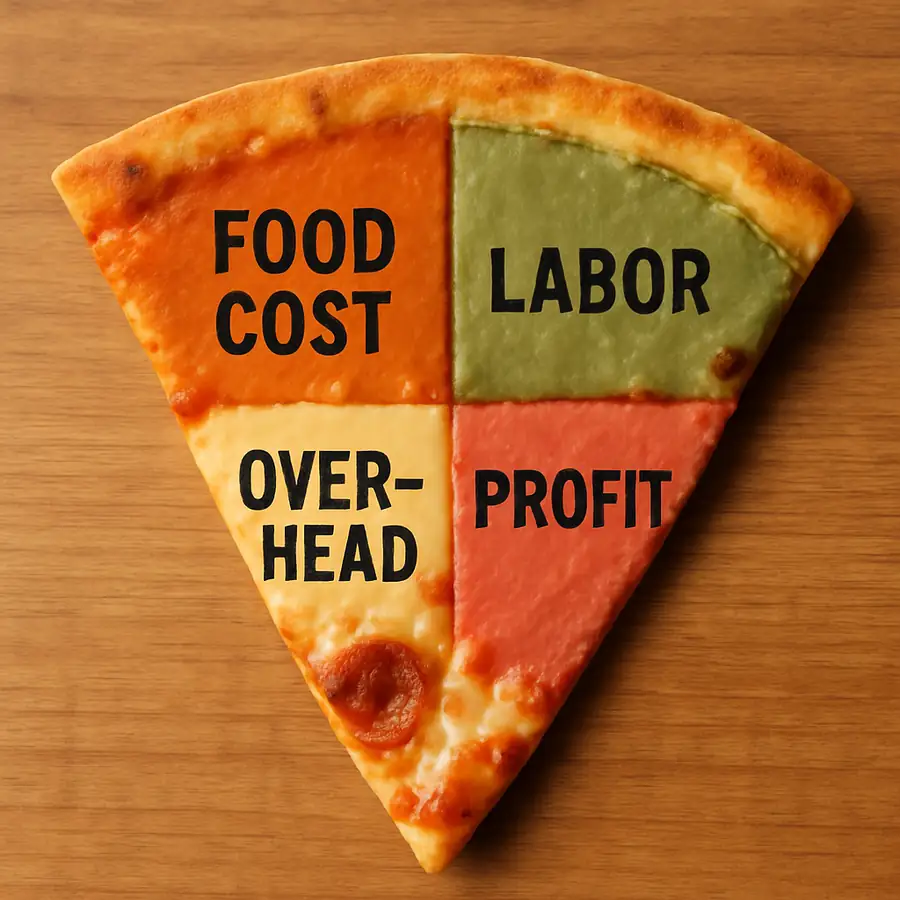
Seeing a line of hungry customers makes outsiders wonder how much do food truck owners make, but busy service guarantees nothing without smart pricing. Imagine a $6 pizza slice. You first calculate your Cost of Goods Sold (COGS)—the raw price of dough, cheese, and sauce. Combining those ingredients with your cook's wages gives you your Prime Cost.
The best way to learn how to price food truck menu items is the industry-standard 3x rule. If that slice requires $2 in prime costs, you charge $6. That remaining $4 isn't pure profit, however. Every single meal sold must help absorb your hidden overhead, specifically the expensive fuel in your engine and the propane running your kitchen generator.
Your Break-even Point—the exact daily sales volume needed to cover all costs before making a real profit—emerges directly from this math. Mapping these daily numbers is a mandatory step for any reliable food truck business plan template. Once your pricing guarantees long-term sustainability, you must physically find enough high-intent buyers to hit those daily targets.
Location Strategy: Finding Profitable Spots Beyond the Busy Corner
Parking on the busiest downtown corner seems like a win, but foot traffic doesn’t automatically equal sales. You actually need high-intent traffic—people who are hungry and ready to buy. Finding profitable food truck locations requires partnering with "anchor locations," which are established businesses like breweries or office parks lacking their own food service. Before pitching these owners, always check local zoning restrictions (city rules dictating where commercial vehicles can legally park) to avoid expensive municipal tickets.
When approaching a brewery manager for a spot, explain how your menu keeps their patrons drinking longer rather than just asking for a parking favor. A high-conversion location consistently checks these five boxes:
- Captive audiences with few nearby dining alternatives.
- Clear visibility from the main road.
- Flat parking that won't disrupt your hot fryer oil.
- Short commute distances that reduce engine strain and align with your food truck vehicle maintenance schedule.
- Accessible restrooms for your staff.
Treat new spots like science experiments. Modern mobile POS systems for street food track which locations generate the most profitable hours, letting you ruthlessly cut underperforming stops. Once data proves a location works, you must actively ensure hungry customers are waiting before you even put the truck in park.
Digital Curb Appeal: Using Social Media to Fill the Line Before You Arrive
Securing a profitable spot is only half the battle; true food truck marketing happens before you even turn the ignition. Customers treat your Instagram or Facebook like a live GPS. When traffic delays you, a quick, real-time video update manages expectations and prevents frustrating your regulars. You can also leverage scarcity marketing—the psychological concept that limited supply increases demand. A simple post stating, "Only twenty brisket sandwiches left!" creates immediate urgency that drives people away from their desks and straight to your window.
Let those loyal customers drive your effective food truck social media marketing. When someone tags a photo of your grilled cheese online, they create user-generated content (UGC). Re-sharing these photos provides instant social proof—the digital equivalent of a long sidewalk line. This shows potential diners your food is actually worth the hype, building community trust much more authentically than expensive, polished advertisements ever could.
Because consistency beats going viral, the most practical food truck advice is establishing a 15-minute daily routine. Spend five minutes posting your location schedule, five sharing a behind-the-scenes prep video, and five re-sharing yesterday's UGC. This habit keeps your audience hungry while you focus on cooking. With your digital presence mastered, you can organize your startup process into a manageable timeline.
Your 90-Day Launch Roadmap: Turning Your Culinary Dream Into a Rolling Reality
You no longer just see a clever menu when looking at a mobile kitchen; you see the logistics, prep work, and permits powering the service window. To build momentum, organize your startup into a manageable 90-day timeline and follow this countdown to launch:
- Day 90: Finalize your menu concept and secure your legal business entity.
- Day 60: Acquire your truck and submit all local health and parking permit applications.
- Day 30: Secure a commissary kitchen space and establish your daily supply chain.
- Day 14: Test all mechanical equipment and launch your initial social media presence.
- Day 1: Execute a soft launch.
That soft launch bridges the discipline of planning with the dream of serving. By inviting friends and family first, you can test your kitchen flow, identify service bottlenecks, and practice fulfilling orders in a low-stakes environment. Set realistic expectations for your first month of operation; a generator might stall or tickets might back up, but these early operational hiccups are essential lessons, not failures.
Learning how to start and run a successful food truck is about endurance as much as it is about great cooking. By applying these practical business tips and trusting your preparation, you are ready to open the service window, hit the streets, and start feeding a loyal community of regulars.
Buy Food Truck Equipment from The Horeca Store
Running a successful food truck starts with choosing reliable commercial equipment that delivers excellent performance in a compact space. The Horeca Store offers a complete selection of food truck equipment, including commercial refrigerators, freezers, griddles, fryers, convection ovens, prep tables, food warmers, sinks, stainless steel worktables, and smallwares. Our commercial-grade equipment is designed to maximize efficiency, withstand the demands of mobile foodservice, and help you serve customers quickly and consistently.
Whether you're launching your first food truck or upgrading your existing mobile kitchen, The Horeca Store provides high-quality equipment from trusted brands to suit a variety of cuisines and budgets. Our knowledgeable team can help you select the right equipment based on your menu, available space, and daily production requirements. With competitive pricing, dependable customer support, and durable commercial kitchen solutions, The Horeca Store is your trusted partner for building a successful and profitable food truck business.