
A step-by-step guide to starting a food truck in 2026, focusing on the real operational decisions that determine profitability. It explains how to choose between a food truck, food trailer, or pop-up model and why that choice affects permits, insurance, equipment limits, and long-term return on investment. The guide walks through defining a focused concept, selecting the right trailer size, understanding realistic startup costs, planning working capital, and navigating permits and inspections, which are often the biggest cause of delays. It also covers build quality, power planning, commissary requirements, staffing systems, pricing for profit, and location strategy. Rather than presenting food trucks as an easy business, the article emphasizes structured planning, compliance, speed, and cost control as the keys to reaching breakeven quickly and building a sustainable, profitable mobile food operation.
A Practical Guide to Permits, Costs, Truck Buildout, and Launch
Starting a food truck looks simple from the outside: park, sell food, go home.
But behind every “busy line” is a long list of decisions that can either make your truck profitable or quietly drain cash through delays, downtime, and rework. Most new food truck owners don’t struggle because the food isn’t good. They struggle because the setup is incomplete: permits, commissary, power, build quality, workflow, and cost control.
This guide walks you through how to start a food truck in 2026, step by step, in the same order experienced operators follow, with real costs, realistic timelines, and practical warnings.
Food Truck vs Food Trailer vs Pop-Up: What Are You Building?
Before anything else, be clear on the model:
- Food Truck: self-contained vehicle with onboard cooking and service
- Food Trailer: towed commercial kitchen (often lower cost, higher ROI)
- Pop-Up / Tent: lowest entry cost but heavily restricted by permits and locations
Your choice directly impacts:
- Licensing and inspectios
- Equipment limits
- Insurance requirements
Where and how often you can operate
For many first-time owners in 2026, food trailers offer the best balance of cost, flexibility, and uptime.
Step 1: Define Your Food Truck Concept (and Keep It Narrow)
A profitable food truck is built around speed and repeatability, not menu size.
Ask yourself:
- Are you selling lunch rush, late night, events, or catering?
- Are you high-volume (fast tickets) or high-ticket (slower service)?
- Can customers order in under 30 seconds?
Strong food truck concepts usually have:
- 5–12 core menu items
- Shared ingredients
- Predictable prep time
A menu that fits a compact kitchen
If your menu needs a full restaurant kitchen, your truck will struggle.
 Step 2: Choose the Right Trailer Size for Your Concept
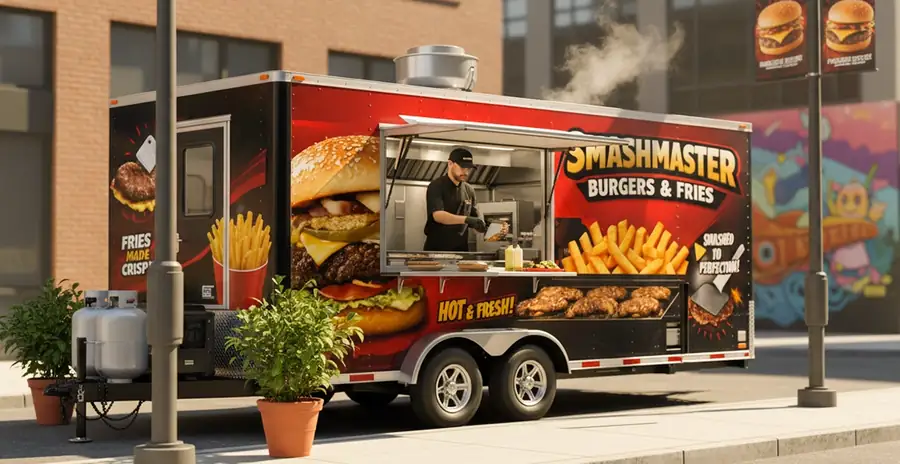
Food trailers typically come in 12 ft, 14 ft, 16 ft, 18 ft, and 20 ft sizes.
12–14 ft Trailers
Best for:
- Coffee & beverage trucks
- Desserts & ice cream
- Limited prep concepts
- Lower cost, lower power needs, usually 1–2 staff.
16 ft Trailers (Most Popular)
Best for:
- Burgers
- Wings
- Tacos
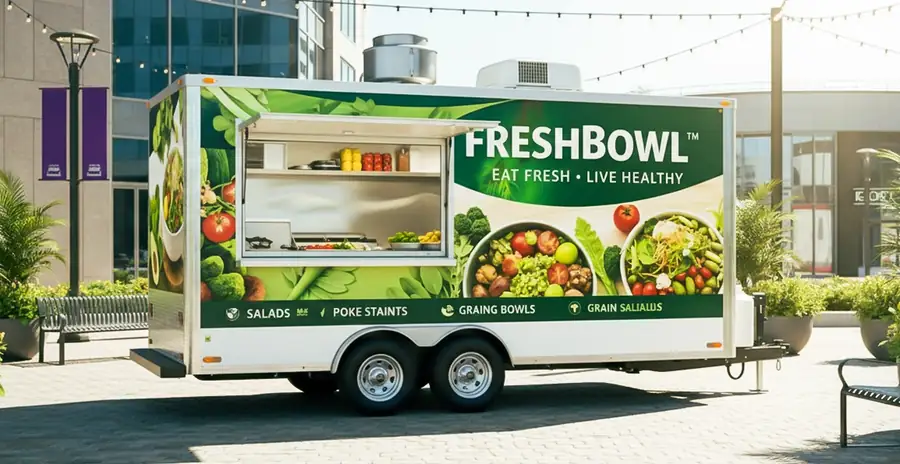
- Bowls
- Sandwiches
- Supports 2–3 staff, balanced equipment layout, strong service speed.
18–20 ft Trailers
Best for:
- Pizza
- High-volume cooking
- Events & catering
- Higher cost and power requirements, but maximum output.
- Choosing the wrong size is one of the most expensive mistakes new owners make.
Step 3: Understand Startup Costs (and What Actually Drives the Budget)
Food truck costs vary widely based on size, build quality, and compliance, but most projects fall into a predictable range.
Typical Food Truck / Trailer Startup Costs (2026)
Food Trailer or Truck
12–14 ft trailer: $25,000 – $45,000
16 ft trailer: $45,000 – $70,000
18–20 ft trailer: $70,000 – $100,000+
(Price varies heavily by build quality and materials)
Kitchen Equipment & Fabrication
Cooking line, refrigeration, sinks, hood, fire suppression
$25,000 – $50,000
Permits & Inspections
Health, fire, mobile vendor, business licenses
$2,000 – $8,000 (location dependent)
Power System
Generator, electrical, propane
$5,000 – $15,000
Commissary Kitchen
Monthly cost varies, often $500 – $2,000/month
Branding, POS, Insurance, Initial Inventory
$5,000 – $15,000
Approximate Total Investment
Most properly built food trailers land between:
👉 $65,000 – $130,000 all-in
Critical Rule (Don’t Skip This)
Always keep 15–25% of your total budget as working capital for:
- Payroll
- Inventory
- Fuel
- Commissary fees
- Repairs
- Permit delays
Most failures happen because owners spend everything upfront.
Many operators delay launching because of upfront costs. To solve this, some platforms allow financing the entire food trailer or truck, including equipment.
For example, HorecaStore offers food trailers and trucks across different concepts, with financing options that allow operators to:
spread payments over time starting as low as $599/month
preserve working capital
launch faster without compromising build quality
You can explore different trailer sizes and concepts here:
👉 Food Trailers and Trucks
Financing is often used strategically so operators can focus cash on permits, inventory, staffing, and marketing during the first months.
Step 4: Build the Business Legally (Entity + Tax Setup)
Before permits:
- Business entity (LLC / Corp / Sole Prop)
- EIN (tax ID)
- Business bank account
- Basic bookkeeping system
This prevents delays later with permits, insurance, and vendors.
Step 5: Permits and Licenses (The #1 Timeline Risk)
Permits vary by city, county, and state, but commonly include:
- Business license
- Mobile food vendor / mobile food facility permit
- Health department permit + inspections
- Food handler certifications
- Fire inspection (especially with propane)
- Sales tax permit
- Commissary agreement
Important: Many permits depend on others being approved first.
 Step 6: Commissary Kitchen (Often Mandatory)
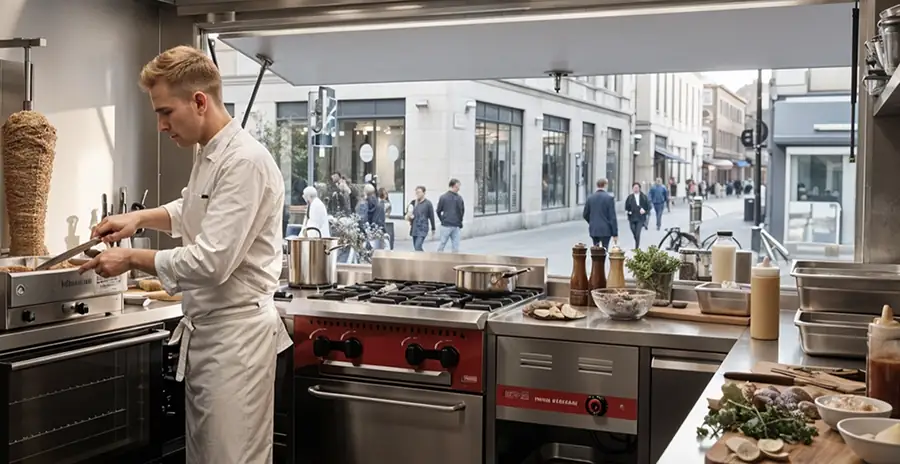
Used for:
- Prep and storage
- Dishwashing
- Water fill and wastewater disposal
- Compliance logs
Even if optional, a commissary reduces risk and inspection issues.
Step 7: Choose the Right Build Quality (Cheap Can Kill ROI)
Many operators buy cheaper trucks or trailers built overseas (China or Mexico). The problem appears later:
- Difficult warranty claims
- Non-compliant wiring or plumbing
- Downtime waiting for parts
- Failed inspections
Every day your truck is down means:
- Lost revenue
- Missed events
- Damaged reputation
A higher-quality, compliant build often pays for itself by avoiding downtime.
Step 8: Equipment Checklist (What Most Trucks Actually Need)
Core systems:
- Refrigeration
- Cooking equipment
- Ventilation hood + fire suppression
- Hand sink + 3-compartment sink
- Fresh & grey water tanks
- Water heater
- Generator or shore power
Service:
- POS
- Ticket printer or KDS
- Warming / holding
- Shelving and smallwares
Step 9: Power Plan (Generator vs Shore Power)
Plan for:
- Total electrical load
- Startup surges
- Noise restrictions
Power mistakes cause shutdowns and failed events.
Step 10: Staffing (System, Not Hustle)
Most trucks need:
- 2–4 staff depending on volume
- Clear station roles
- Prep vs service split
- Opening/closing checklists
- Training directly impacts speed and reviews.
Step 11: Pricing for Profit
Pricing must cover:
- Ingredients
- Labor
- Commissary
- Fuel & generator
- Maintenance
- Event fees
- Insurance
- Packaging
Busy trucks still fail if pricing is wrong.
Step 12: Find Legal Parking & High-Value Locations
Sales depend on:
- Permissions
- Traffic timing
- Event fees vs volume
- Mix stable weekly spots with events and catering.
Step 13: Launch Plan (First 30 Days Matter)
Before launch:
- Mock service runs
- Permits in hand
- Supply locked
- Schedule planned
- First 30 days = learning + control, not expansion.
Step 14: How Food Trucks Actually Make Money
Profitable trucks focus on:
- Fast ticket times
- Limited menus
- Strong location strategy
- Catering and events
- Repeat customers
Food trucks that treat operations like a system — not a hustle — scale faster and last longer.
 Step 15: How Fast Can a Food Truck Become Profitable?
Food Truck ROI in 2026
Well-planned food trailers can reach profitability faster than brick-and-mortar restaurants because of:
- Lower rent
- Smaller staff
- Flexible locations
Many operators aim to:
- Cover operating costs within the first 1–2 months
- Recover initial investment within 3–6 months if locations, pricing, and volume are strong
Revenue depends on:
- Concept
- Location
- Operating days
- Ticket size
- High-volume trucks at events or busy locations can generate strong weekly cash flow.
Common Mistakes New Food Truck Owners Make
Choosing the wrong trailer size
Buying a truck before confirming local requirements
Overcomplicated menu with slow ticket times
Buying cheap builds with poor warranty support
Underestimating power and generator requirements
Ignoring commissary needs and waste-water rules
Not budgeting working capital for the first 60–90 days
Delaying permits
Most of these mistakes are avoidable with proper planning.
Buy Food Truck Equipment from The Horeca Store
Starting a successful food truck begins with investing in the right equipment, and The Horeca Store is your trusted partner for high-quality food truck equipment. We offer a comprehensive range of commercial kitchen solutions, including grills, fryers, griddles, refrigeration units, prep tables, sinks, exhaust systems, storage solutions, and smallwares designed specifically for compact mobile kitchens. Our durable, space-efficient equipment helps food truck operators maximize productivity, maintain food safety, and deliver consistent quality even during busy service hours.
Whether you're launching your first food truck or upgrading your existing mobile kitchen, The Horeca Store has the equipment you need to build an efficient and profitable operation. Our commercial-grade products are sourced from trusted brands and are available at competitive prices to suit different business needs and budgets. Explore our collection today to find reliable food truck equipment that helps you streamline operations, serve customers faster, and grow your mobile food business with confidence.
Final Takeaway
A food truck or food trailer can be one of the most efficient ways to enter the food business in 2026 if it’s built right, sized correctly, and planned for uptime.
When the setup is done correctly, your daily operations become predictable, and consistent operations are what create profit.