
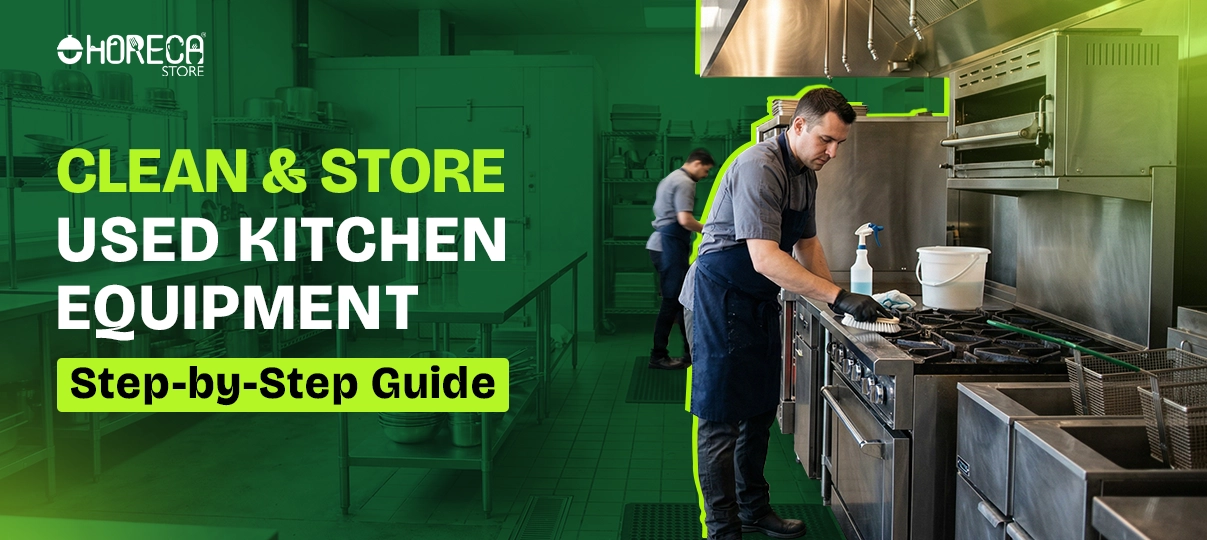
Maintaining a clean kitchen is crucial for any food service operation. Proper cleaning and storage of used kitchen equipment are essential. They ensure hygiene and extend the lifespan of your tools.
Neglecting these tasks can lead to equipment failure. It can also result in health code violations. Regular cleaning prevents grease and food buildup.
Using the right cleaning agents is vital. Different materials require specific solutions. Stainless steel, for example, needs special care to avoid corrosion.
Disassembling equipment allows for thorough cleaning. It ensures all parts are free from residue. This step is often overlooked but is very important.
High-temperature methods like steam cleaning can sanitize effectively. They kill bacteria without harsh chemicals. This is both efficient and eco-friendly.
Proper storage is equally important. Equipment should be dry and well-ventilated. This prevents rust and mold growth.
Training staff on these practices is key. It ensures consistency and safety. A well-maintained kitchen is a successful kitchen.
Why Proper Cleaning and Storage Matter
The importance of proper cleaning and storage cannot be overstressed. In a bustling commercial kitchen, hygiene is paramount. Dirty equipment can lead to cross-contamination. This poses serious health risks to both staff and customers.
When equipment is well-cleaned and stored, it operates efficiently. Grease and grime can impede functionality. This results in unexpected breakdowns and costly repairs.
A well-organized kitchen saves time. When equipment is easily accessible, workflow improves. It aids in seamless operations during busy hours.
Here are some key benefits of proper cleaning and storage:
- Reduces equipment downtime
- Minimizes health risks
- Enhances operational efficiency
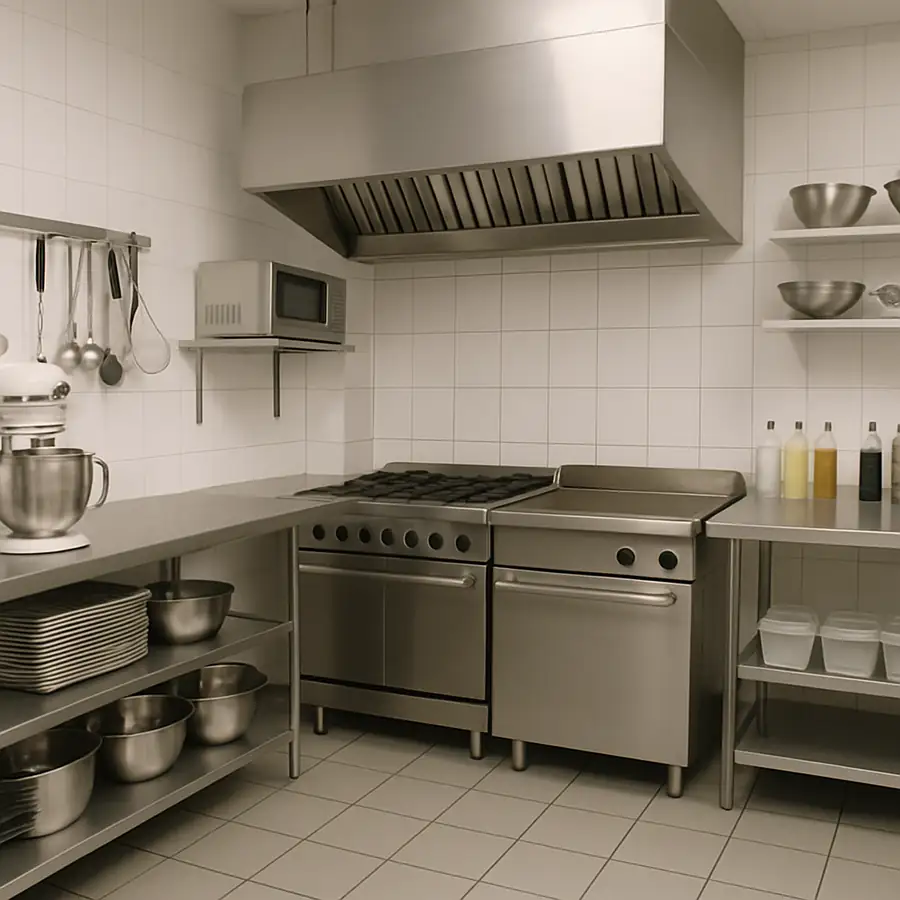
Clean and well-maintained equipment reflects on the overall image of the business. Customers and health inspectors notice these details. It provides peace of mind knowing your kitchen meets high standards. Prioritizing cleaning and storage demonstrates professionalism and care. It contributes to a safe and thriving working environment.
Understanding Different Types of Kitchen Equipment
Different kitchen equipment requires tailored cleaning techniques. Each item, from fryers to mixers, has unique needs. Understanding these differences is key to effective maintenance.
Here are some common kitchen equipment categories:
- Cooking equipment (ovens, grills, fryers)
- Refrigeration and prep units
- Warewashing machines
- Small appliances (blenders, mixers)
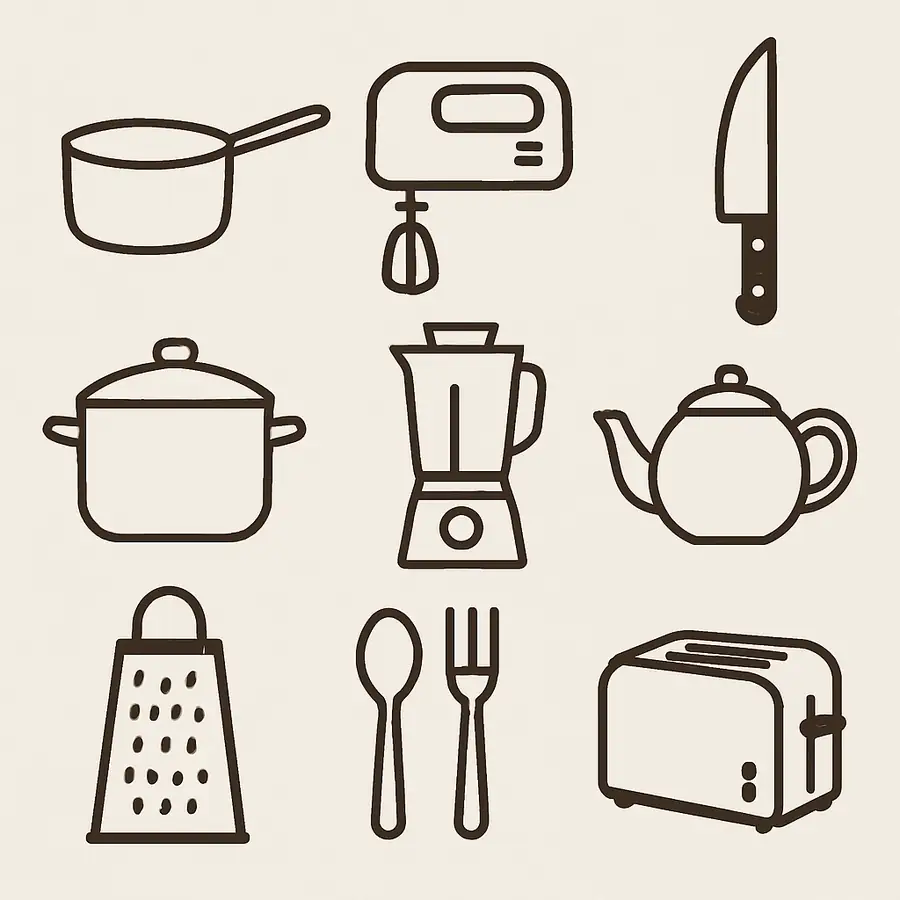
Cooking equipment involves high-heat processes. These items accumulate grease and carbon. Regular cleaning is crucial to prevent malfunctions.
Refrigeration and prep units focus on keeping food fresh. They require careful sanitization. This helps to avoid bacterial growth and food spoilage.
The wide variety of kitchen equipment can seem daunting. However, learning their specifics aids in customizing cleaning practices. Tailored maintenance helps ensure longevity and reliability, thereby preserving your investment in these essential tools.
Essential Tools for Commercial Kitchen Equipment Cleaning
Having the right tools is crucial for efficient kitchen equipment cleaning. Different tools serve various purposes, enhancing both speed and thoroughness.
The basic tools you need include:
- Brushes with firm bristles for scrubbing surfaces
- Scrapers to remove hardened food particles
- Microfiber cloths for wiping and polishing

Advanced tools can make cleaning quicker and more effective. Consider investing in:
- Steam cleaners for deep sanitization
- High-pressure washers to tackle tough grime
These advanced tools require proper handling. Training staff on their use ensures they operate them safely and effectively.
Quality cleaning tools are an investment. They can save time and reduce wear on equipment. Also, they help maintain a hygienic kitchen environment, crucial for food safety.
Selecting the right tools meets specific cleaning needs. These tools prevent damage, maximize efficiency, and help maintain hygiene standards.
Step-by-Step Guide to Cleaning Kitchen Equipment
Cleaning kitchen equipment can feel daunting, but breaking it down makes it manageable. Here is a guide to help ensure thorough cleaning.
First, gather your cleaning supplies. Having all materials on hand speeds up the process.
Supplies needed include:
- Brushes and scrapers
- Appropriate cleaning agents
- Sanitizing solutions
For efficiency, follow a structured approach. Disassemble equipment where possible. It helps clean hard-to-reach areas effectively.
Once disassembled, remove food particles. Pre-cleaning makes washing more effective, saving time and effort.

Basic Steps for Cleaning:
- Disassembly and Pre-Cleaning
- Washing and Degreasing
- Sanitizing and Drying
Following these steps ensures your kitchen equipment is spotless and safe.
This routine reduces the risk of cross-contamination. It also extends the lifespan of your appliances.
Finally, ensure you clean and store tools after use. Clean tools will be ready and effective for the next use.
Disassembly and Pre-Cleaning
Disassembling kitchen equipment allows for deeper cleaning. It reaches spots that are otherwise inaccessible.
Always unplug electrical devices before starting the process. This precaution prevents accidents and ensures safety.
For efficient pre-cleaning:
- Remove large food particles with a scraper
- Use a brush for crumb-covered areas
- Rinse parts in warm water
Pre-cleaning prevents stubborn grease buildups. It sets a cleaner foundation before deep cleaning the parts.
Washing and Degreasing
Washing removes surface grime. Use appropriate cleaning agents based on the equipment's material.
For washing:
- Soak items in hot, soapy water
- Scrub with a brush to loosen grease
- Rinse thoroughly to remove soap residue
Degreasing requires a bit more care, especially for fryers and grills. Utilize degreasing agents for tough spots.
Complete the degreasing by wiping surfaces with a damp cloth. This method ensures no greasy residue remains.
Leaving equipment greasy can lead to faster wear. Clean thoroughly to prevent operational issues.
Sanitizing and Drying
Sanitizing ensures equipment is free from harmful bacteria. It's crucial after washing and rinsing.
Incorporate sanitizing by:
- Applying an appropriate sanitizing solution
- Letting it sit as instructed
- Rinsing again with clean water
Proper drying is essential. Moisture encourages mold and bacteria.
For thorough drying:
- Use microfiber cloths for wiping down
- Air-dry to prevent streaks
- Store only when fully dry
Effective sanitizing and drying maintain equipment safety and efficacy. Adhering to these steps ensures a healthy kitchen environment.
Special Considerations for Different Equipment Types
Different types of kitchen equipment require tailored cleaning methods. Each has unique materials and functions that influence cleaning techniques.
For instance, cooking equipment such as ovens and grills accumulate heavy grease. Meanwhile, refrigeration units harbor moisture-related issues.
Key considerations for all equipment include:
- Understanding material-specific cleaning agents
- Paying attention to high-use areas
- Regular inspections for wear
Understanding these variations helps maintain equipment efficacy. Tailored cleaning prolongs life spans and prevents mishaps.
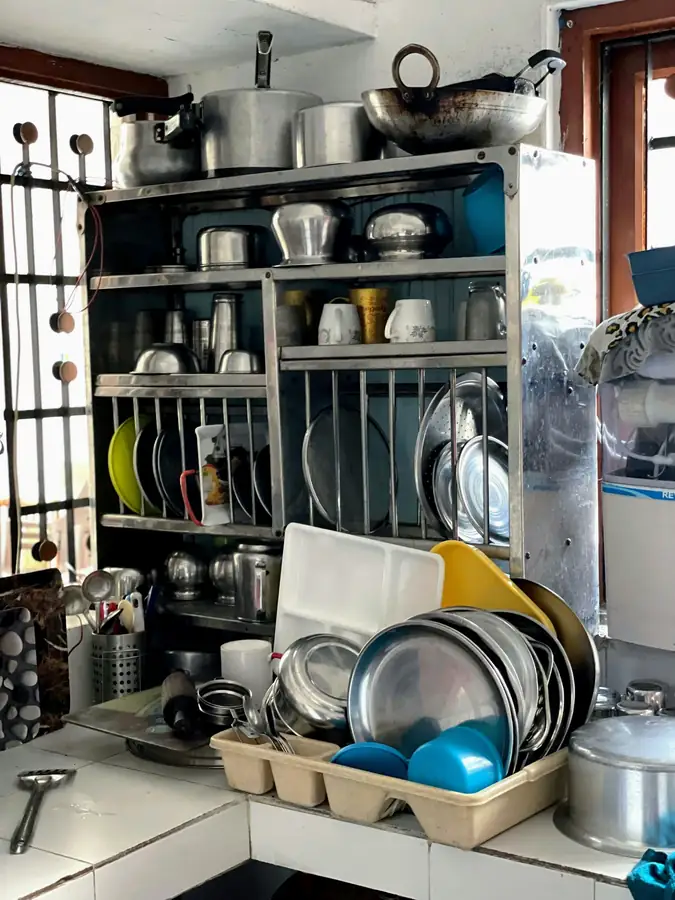
Materials to focus on:
- Stainless steel surfaces
- Electronic components
- Removable parts
Giving special attention to these areas increases effectiveness. Proper cleaning is not just about hygiene—it's about efficiency and safety too.
Cooking Equipment (Ovens, Grills, Fryers)
Cooking equipment faces unique challenges like grease and extreme heat. This equipment needs consistent, targeted cleaning.
Heat may cause grease to harden. Choose effective degreasers for such situations.
Specific steps for cooking equipment:
- Use a degreaser for grills
- Clean oven interiors with specified agents
- Empty and clean fryers regularly
Ensure coatings are not damaged during cleaning. They protect internal components and maintain a smooth surface.
Finally, wipe down all surfaces post-cleaning. Maintain readiness for next use by ensuring no residues remain.
Cold Storage and Prep Equipment
Cold storage units have issues like condensation and odor. Prompt cleaning maintains hygiene and optimal function.
Focus on areas prone to bacterial growth. Moisture creates ideal conditions for mold and bacteria.
Suggested actions for cold storage and prep equipment:
- Wipe down shelves weekly
- Disinfect door handles regularly
- Maintain clear drainage areas
For prep equipment, frequently sanitize work surfaces. Cutting boards and knives should undergo thorough daily cleaning.
These efforts prevent cross-contamination and protect food quality. Regular cleanings contribute safer kitchen environment.
The Role of Commercial Kitchen Equipment Cleaning Services
Commercial kitchen equipment cleaning services play a vital role in maintaining hygiene. These services provide specialized expertise for deep cleaning tasks.
Professional cleaners understand the nuances of different equipment. They utilize high-grade products and advanced techniques for comprehensive sanitation.

Advantages of hiring these services include:
- Access to trained professionals
- Use of industrial-grade cleaning supplies
- Guaranteed thorough cleaning
Such services save time and resources while ensuring compliance with health standards. They can also handle complex machinery that staff may find challenging.
Involving a professional cleaning service adds an extra layer of assurance. It minimizes downtime and extends the lifespan of kitchen equipment, supporting sustained operations.
Best Practices for Storing Cleaned Equipment
Proper storage is essential to maintain the condition of cleaned equipment. It ensures the readiness of tools for future use and prevents unnecessary damage.
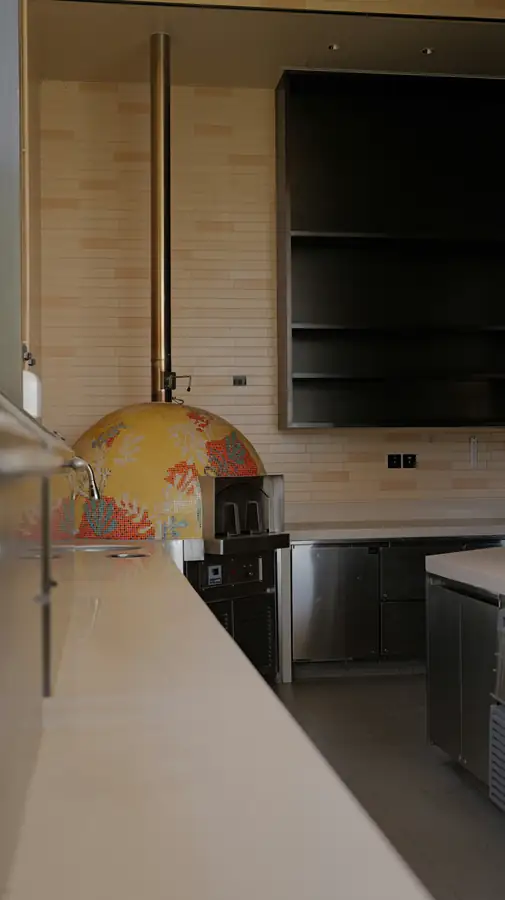
A well-organized storage area promotes efficiency and hygiene. Start by ensuring equipment is fully dry before storing it. This prevents bacteria and mold growth.
Consider these storage tips:
- Use shelves and racks to avoid clutter
- Label storage areas for easy identification
- Ensure proper ventilation
Storing equipment in a dry, well-ventilated place is crucial. It helps prevent rust and extends the lifespan of your tools. Proper airflow inhibits mold formation and corrosion.
Additional storage considerations include:
- Organize items by frequency of use
- Implement color-coded systems for different types of equipment
Regular audits of storage spaces can detect potential issues early. Addressing such findings promptly maintains both equipment and kitchen integrity. Keeping storage areas tidy also boosts staff morale and operational efficiency.
Creating and Maintaining a Cleaning Schedule
A cleaning schedule is vital for consistency in equipment maintenance. It ensures all tools receive regular attention and remain in top condition.
Begin by assessing the cleaning needs of each piece of equipment. Use this assessment to determine the frequency and type of cleaning required.
To create an effective schedule:
- Assign specific tasks to staff members
- Establish routine intervals for deep cleaning
- Use checklists for accountability
Periodically review and adjust the schedule as necessary. Changes in equipment or staff might require updates. Keep the schedule visible to remind everyone of their responsibilities. An organized cleaning plan enhances hygiene standards and prevents unexpected breakdowns.
Training Staff and Ensuring Compliance
Training staff is crucial for maintaining high cleaning standards in any kitchen. Proper training ensures consistency and prevents mistakes that can lead to contamination.
Equip your staff with the knowledge of correct cleaning techniques. It is essential focus safety, efficiency, and thoroughness.
Training tips include:
- Conducting regular workshops
- Providing hands-on practice with equipment
- Updating staff on new cleaning protocols
Compliance checks reinforce training by evaluating how well guidelines are followed. Conduct regular audits to identify and address any lapses. Maintaining a trained team guarantees equipment longevity and kitchen safety.
Common Mistakes to Avoid
Avoiding common mistakes in kitchen cleaning keeps operations smooth and hygienic. Some errors can lead to damage or health hazards.
Common pitfalls include:
- Using the wrong cleaning agents
- Skipping thorough drying before storage
- Ignoring manufacturer guidelines
Each piece of equipment may require specific cleaning methods. Missteps in cleaning can compromise equipment efficiency. Regular training and checks help mitigate these avoidable mistakes, ensuring safe kitchen environment.
Buy Commercial Kitchen Equipment from The Horeca Store
Whether you're maintaining used kitchen equipment or investing in new commercial appliances, choosing a trusted supplier is essential for long-term performance and reliability. The Horeca Store offers a comprehensive range of commercial kitchen equipment, including refrigerators, ovens, fryers, mixers, prep tables, dishwashers, food processors, and storage solutions for restaurants, hotels, cafés, bakeries, catering businesses, and cloud kitchens. Every product is selected to meet the demanding needs of professional foodservice operations.
In addition to supplying premium commercial equipment, The Horeca Store helps businesses make informed purchasing decisions with expert guidance and dependable customer support. Our high-quality products are designed for durability, easy maintenance, and efficient operation, helping reduce downtime and operating costs. Whether you're upgrading used equipment or setting up a new commercial kitchen, The Horeca Store is your trusted partner for reliable equipment that keeps your business running smoothly.
Conclusion and Key Takeaways
Proper cleaning and storage of kitchen equipment are essential for longevity and safety. Regular maintenance prevents breakdowns and fosters hygiene, essential in any kitchen setting.
Focus on the following key takeaways:
- Use the correct tools and cleaning agents for each equipment type.
- Implement and stick to a consistent cleaning schedule.
- Consider professional services for complex machinery upkeep.
A well-maintained kitchen supports efficient operations and compliance with health standards. By incorporating these practices, you ensure a clean, safe, and efficient kitchen environment.