
Opening an ice cream or gelato shop can be a sweet venture. It's a dream for many aspiring entrepreneurs. But where do you start?
Understanding the business landscape is crucial. Ice cream and gelato have different needs and markets. This affects your business model and equipment choices.
Research and planning are your first steps. Identify your target market and ideal location. A detailed business plan will guide your vision and financial goals.
Legal requirements can't be ignored. Permits and licenses are necessary to operate legally. They vary by location, so research is key.
Location is everything. It impacts foot traffic and sales. Choose wisely to maximize your shop's potential.
Designing your shop is more than aesthetics. It involves layout, branding, and creating an inviting atmosphere. This can attract and retain customers.
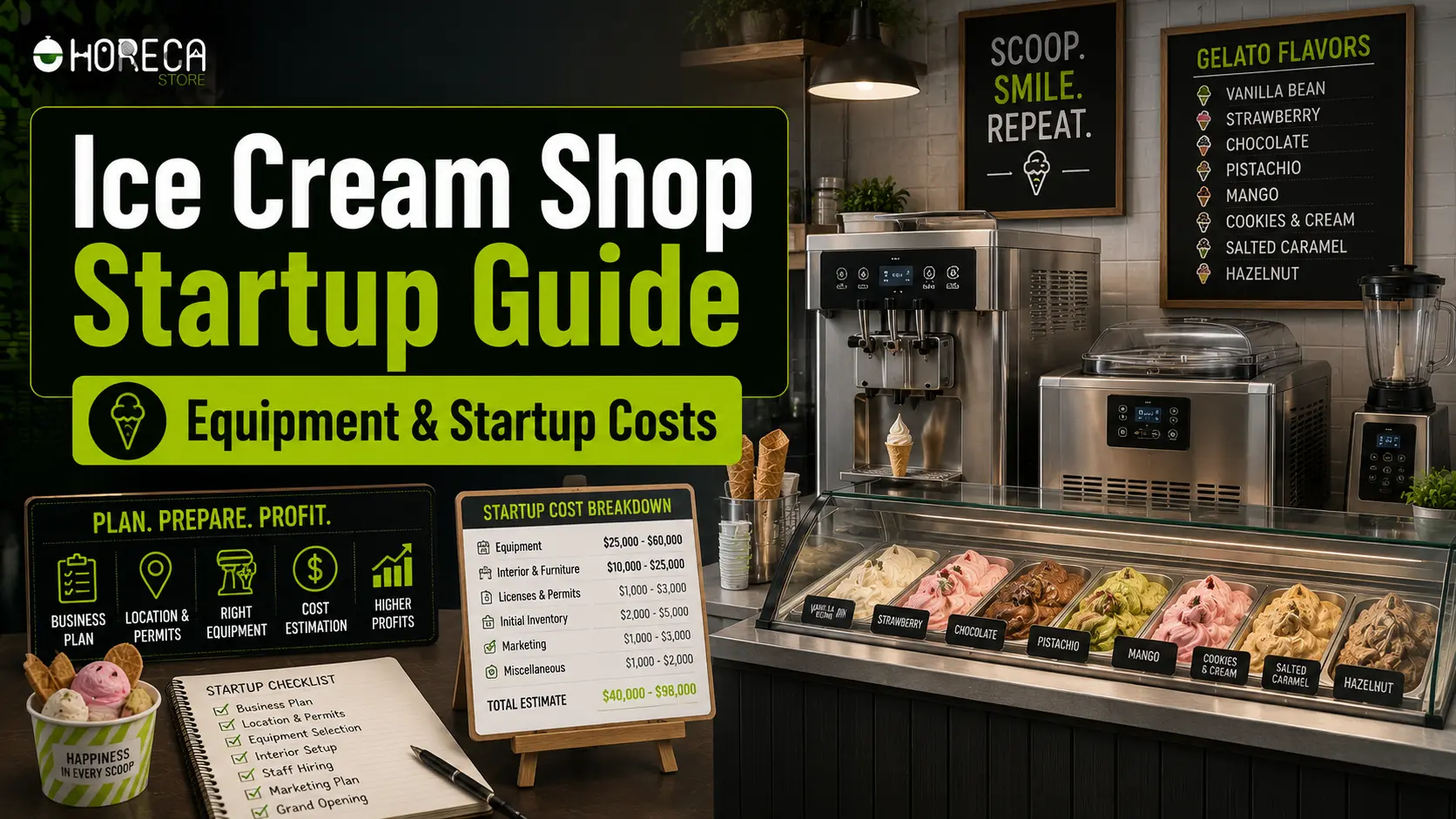
Startup costs can vary widely. From $50,000 to $250,000, depending on factors like size and location. Understanding these costs is essential for budgeting.
This guide will walk you through each step. From equipment needs to startup costs, you'll find everything you need to succeed.
Understanding the Ice Cream and Gelato Business Landscape
Diving into the ice cream and gelato business requires a solid grasp of the industry landscape. These are popular treats, but consumer preferences and production methods differ. Understanding these differences is crucial for your business strategy.
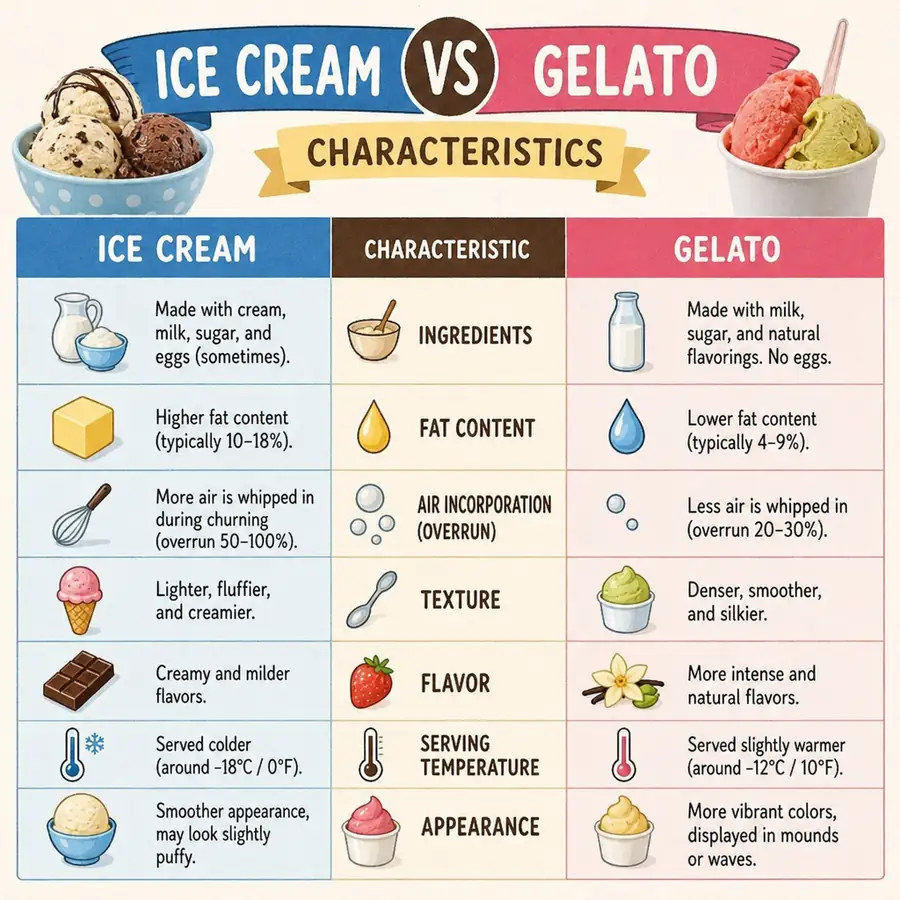
Ice cream and gelato might seem similar, but they have unique characteristics. Ice cream is creamier and usually contains more air. Gelato, on the other hand, has less air and more flavor density, offering a richer taste experience.
Your target market will influence your offerings. Some consumers may prefer traditional flavors, while others seek innovative options. Knowing these preferences can guide your product development.
Here's a brief comparison to consider:
- Texture and Creaminess: Ice cream is soft and fluffy; gelato is dense and rich.
- Flavor Profiles: Gelato often emphasizes bold flavors.
- Serving Temperature: Gelato is served slightly warmer.
Identifying trends is also important. Seasonality affects sales, and keeping up with flavor trends or dietary concerns can give you an edge. By understanding these dynamics, you'll position your shop for success.
Market Research and Business Planning
Starting with detailed market research is key to a successful ice cream or gelato shop. Understanding your potential customers helps in tailoring your products and services. First, analyze the demographics of your target area. Look for age, income levels, and buying habits.
Visit existing ice cream shops to observe what works and what doesn't. Take note of their busiest hours and popular flavors. Online reviews can also provide insight into customer satisfaction and expectations.
Next, develop a comprehensive business plan. This document will outline your shop’s vision, mission, and goals. Include financial projections, marketing strategies, and operational plans. A solid business plan not only guides your operations but also attracts investors.
Consider the competition in your area. Identify your competitors and analyze their strengths and weaknesses. This analysis will help you pinpoint your unique selling proposition (USP). A strong USP differentiates you in a crowded market.
Here's what to include in your business plan:
- Market Analysis: Define your target audience and competition.
- Marketing Strategy: Outline advertising and promotional activities.
- Financial Projections: Project income, expenses, and profit margins.
- Operational Plan: Plan daily operations and staffing needs.
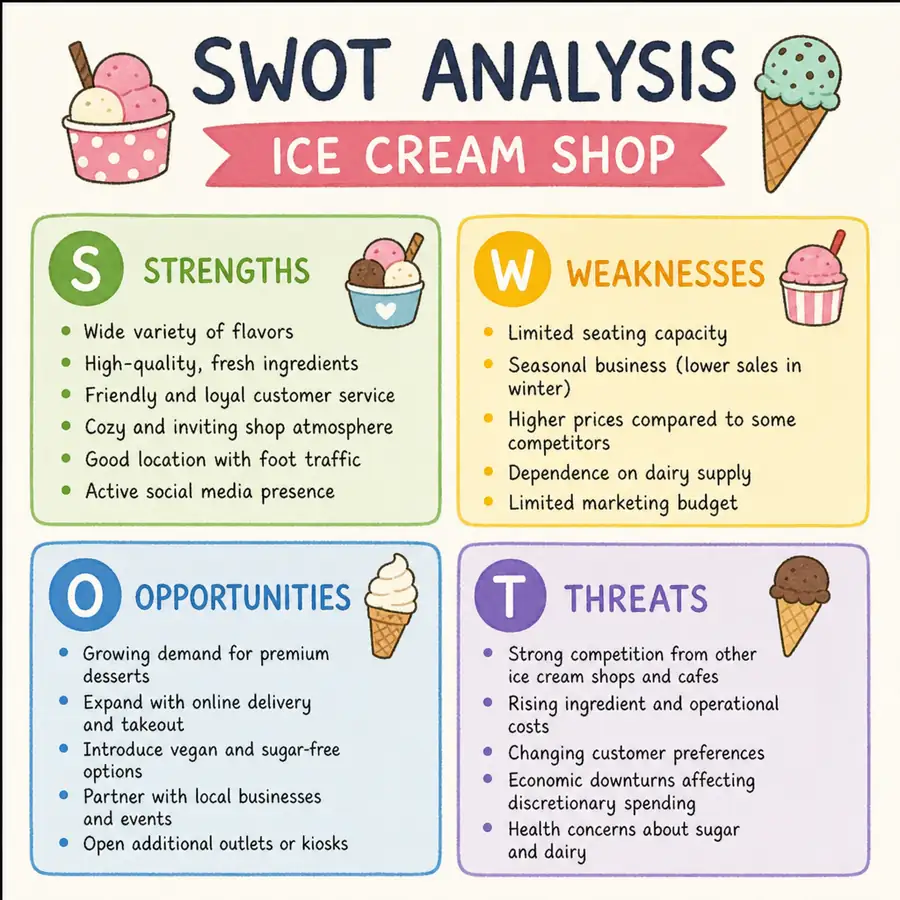
Conduct a SWOT analysis (Strengths, Weaknesses, Opportunities, Threats). This tool helps you assess internal and external factors affecting your business. It prepares you for challenges and identifies areas for growth.
Lastly, plan for scalability. As your business grows, your plan should accommodate expansion or new offerings. Adaptability is crucial in a dynamic market. By preparing thoroughly, you set a strong foundation for success.
Choosing Your Business Model: Independent vs. Franchise
Deciding on your business model is a pivotal step. You can either start an independent shop or join a franchise. Each has distinct advantages and challenges, affecting your startup journey and success.
An independent ice cream or gelato shop allows creative freedom. You have complete control over branding, menu offerings, and pricing. This model suits those with a unique concept or distinct product idea. However, it requires more effort in developing a recognizable brand and building a customer base from the ground up.
On the other hand, franchising provides a tried-and-tested business framework. It offers immediate brand recognition, established operational procedures, and marketing support. Franchises can be appealing if you prefer a structured business environment. The trade-off is less freedom in decision-making and higher initial costs.
Here’s a quick comparison to consider:
- Independent Shop: Creative control, unique branding, potential for niche markets.
- Franchise: Brand recognition, operational support, less flexibility.

Evaluate your personal goals, resources, and risk tolerance. This decision sets the direction and tone for your future business operations.
Legal Requirements: Permits, Licenses, and Regulations
Before opening your ice cream or gelato shop, understanding legal requirements is essential. These requirements ensure your business operates within the law, promoting safety and compliance.
First, obtain the necessary business licenses. This typically includes a general business license and a food service license. The specific requirements may vary depending on your location. It's important to check with local authorities or a business advisor.
Health and safety permits are crucial. Your shop must comply with health regulations, which often involve inspections. These regulations cover food storage, handling, and cleanliness standards. Compliance helps protect both your customers and your business reputation.
In addition, you may need specific zoning permits. These permits ensure your shop operates in an area zoned for commercial use. This step prevents potential legal issues related to your business location.
Here’s a list of common permits and licenses to consider:
- General business license
- Food service license
- Health department permit
- Zoning permit
Contact your local government office or a legal consultant for specific guidance. Adhering to these regulations is vital for establishing trust and avoiding costly fines. As regulations can change, staying informed is a continuous responsibility for any business owner.
Finding the Perfect Location
Choosing the right location is crucial for your ice cream or gelato shop. A well-chosen spot can drive foot traffic and enhance visibility. First, consider the demographics of the area. Understand who your potential customers are and where they frequent.
Proximity to complementary businesses is beneficial. For example, being near schools, parks, or shopping centers can boost sales. These places draw in families and young people, who are key demographics for ice cream sales.
Rent and space are critical factors as well. An affordable rent within your startup budget ensures sustainability. Additionally, assess the size of the property to accommodate your equipment and customer seating comfortably.
Here are some factors to consider when selecting a location:
- Nearby foot traffic
- Demographics of the area
- Rent affordability
- Proximity to complementary businesses
Exploring different neighborhoods and comparing options will help you make an informed decision. Ultimately, the right location aligns with your business goals and customer needs, setting the foundation for future success.

Designing Your Shop: Layout, Branding, and Atmosphere
The design of your ice cream or gelato shop plays a key role in attracting customers. A well-thought-out layout enhances the customer experience, making it easy for them to browse and purchase. Consider the flow of foot traffic and create a welcoming environment.
Branding is another vital aspect. It conveys your shop's identity and distinguishes you from competitors. Use consistent colors, fonts, and imagery across all marketing materials. Strong branding will leave a lasting impression on your customers.
Creating an inviting atmosphere is crucial too. Choose decor that complements your branding and creates a warm, friendly vibe. Consider comfortable seating, adequate lighting, and a clean, inviting space that encourages customers to linger.
Here's a simple checklist for designing your shop:
- Plan a layout that guides easy movement
- Consistent branding elements
- Welcoming decor and seating
- Adequate lighting
Remember, a unique and cohesive design can foster customer loyalty and enhance the shopping experience. By focusing on layout, branding, and atmosphere, you lay the foundation for a successful operation.
Essential Equipment for Ice Cream and Gelato Shops
Equipping your ice cream or gelato shop properly is crucial for efficient operations and maintaining product quality. The right equipment helps you create your treats with consistency and care, ensuring a delightful experience for customers.
Investing in quality freezers is essential. These machines are vital for storing your products at the perfect temperature, preserving both texture and flavor. Consider both storage and display freezers to meet your needs.
Mixers and batch freezers are necessary for crafting your ice cream or gelato. These machines churn ingredients to achieve the smooth, creamy texture customers crave.
Display cases are more than just functional; they're a sales tool. A well-lit display case showcases your flavors, enticing customers to try something new. Design and placement matter for maximizing appeal.
Don't forget about storage and preparation tools. You will need prep tables, utensils, and containers to manage daily operations effectively.
Here is a list of essential equipment:
- Freezers (storage and display)
- Mixers and batch freezers
- Display cases
- Prep tables and utensils
Investing in high-quality equipment can reduce maintenance costs over time. Choose reliable brands known for durability and efficiency. Regular maintenance further prolongs the lifespan of your machines.
Ultimately, your choice of equipment impacts production and customer satisfaction. Wise choices lead to smoother operations and better business outcomes.
Here's another list to consider for specialized needs:
- Gelato pans and scrapers
- Flavor labels and signage
- Hygiene and cleaning supplies
Be prepared to adapt equipment choices to changes in scale and demand. Flexibility in equipment selection ensures you stay competitive in a dynamic market.
Staffing Your Shop: Hiring and Training
Staffing your ice cream or gelato shop with the right team is crucial for delivering excellent service. Begin by identifying your staffing needs based on your shop's size and expected customer flow.
Hiring enthusiastic and friendly staff creates a welcoming environment. Look for employees with good interpersonal skills and a passion for customer service. Seasonal staff may be necessary during peak times.
Proper training ensures consistency and quality in service. Educate your team on product knowledge, hygiene practices, and customer interaction. Implement regular training sessions to keep skills sharp and updated.
Consider these key points for staffing:
- Determine staff roles and numbers
- Focus on customer service skills
- Provide ongoing training opportunities
A well-trained, dedicated team can significantly enhance the customer experience, promoting positive reviews and repeat business. Create a supportive environment that encourages growth and development. This investment in your staff pays dividends in both customer satisfaction and business success.
Menu Development: Flavors, Dietary Options, and Innovation
Creating a diverse menu is key to attracting a wide customer base. Start by offering classic flavors like vanilla and chocolate, which are perennial favorites. This foundation satisfies traditional tastes and helps maintain steady customer interest.
Innovating with unique flavors can set your shop apart. Consider offering seasonal specials or local-inspired creations. This approach not only showcases creativity but also keeps customers returning to see what’s new and exciting.
Dietary options are increasingly important to meet diverse customer needs. Include lactose-free, vegan, or low-sugar flavors to cater to those with dietary restrictions. Offering these options demonstrates inclusivity and expands your potential market.
To guide your menu development, consider the following:
- Balance classics with innovative options
- Offer dietary-inclusive choices
- Rotate seasonal or limited-time flavors
 Regularly updating your menu based on customer feedback and industry trends keeps your offerings fresh and engaging. Continuously experiment and solicit feedback to enhance your menu, ensuring it remains enticing and relevant.
Startup Costs Breakdown: What to Expect in 2026
Understanding the startup costs for your ice cream or gelato shop is crucial. By 2026, these costs will vary based on multiple factors, including location and size. Planning ahead can help ensure a smooth launch.
Initial expenses typically include rent, renovations, and equipment purchases. Renting a prime location can significantly affect your budget. High foot traffic areas tend to have higher rents but offer greater sales potential.
Renovations and interior design can enhance your shop's appeal. Estimate $10,000 to $30,000, but this varies based on your vision. A well-designed shop can attract more customers, ensuring your investment pays off.
Key equipment purchases make up a large part of the budget. This includes freezers, mixers, and display cases. Expect to spend between $20,000 and $50,000 for essential equipment.
Other initial expenses also need consideration:
- Licenses and permits: $1,000 - $5,000
- Initial inventory: $5,000 - $10,000
- Marketing and branding: $2,500 - $7,500
Operational costs will continue after the initial setup. These include ongoing inventory purchases and utility bills. Building a detailed budget can help manage these startup expenses effectively.
 Personnel costs will also impact your budget. Hiring staff involves salaries, training, and benefits. Efficiently managing these costs can optimize your return on investment.
Be prepared for unexpected costs during setup and operation. Setting aside a contingency fund is a smart strategy. This preparation can help buffer against surprises and support business continuity.
By carefully outlining and planning these costs, you can ensure that your ice cream shop has a solid financial foundation.
Funding Your Ice Cream or Gelato Shop
Securing funding is a critical step in opening your ice cream or gelato shop. Whether you choose loans, investors, or personal savings, each option comes with benefits and challenges. Understanding these options can help you make informed decisions.
Bank loans are a common route for many entrepreneurs. They offer structured repayment plans but require solid credit and collateral. A detailed business plan can improve your chances of obtaining a bank loan. It shows lenders you're serious about your venture.
Investors are another viable funding source. They may provide capital in exchange for equity or profit sharing. This arrangement can relieve personal financial burdens but also requires giving up some control of your business.
Consider alternative funding methods to diversify your capital sources:
- Crowdfunding: Engages community support and provides early publicity.
- Grants: Ideal for specific sectors but are highly competitive.
- Personal savings: Offers full ownership but limits cash flow.
 Selecting the right mix of funding options can support your venture's unique needs. Carefully evaluate terms and conditions to ensure they align with your long-term business goals.
Marketing Strategies for a Successful Launch
Launching your ice cream or gelato shop requires effective marketing strategies. A well-executed plan can attract a steady stream of customers. Start with a strong online presence by creating accounts on popular social media platforms. Post regularly to engage with your audience and build excitement.
Leverage local marketing to draw in neighborhood customers. Collaborate with nearby businesses for cross-promotions. Attend community events and hand out samples to create buzz and establish relationships. Local advertising, such as flyers and newspaper ads, can also boost visibility.
Email marketing campaigns keep your customers informed about new flavors and promotions. Collect customer emails through your website or in-store visits. Send newsletters and special offers to maintain engagement and increase repeat visits. Consider launching a loyalty program to reward frequent customers. Offering discounts or free treats can encourage repeat business.
- Social media marketing
- Local promotions
- Email newsletters
- Loyalty programs

Evaluate each strategy's effectiveness and adapt as needed. Consistent and creative marketing can ensure a strong launch and sustained success for your shop.
Managing Operations and Ensuring Quality
Efficient operations are key to running a successful ice cream or gelato shop. Implement streamlined processes to manage daily tasks. This includes inventory checks, supply ordering, and staff scheduling. Proper organization ensures smooth service and customer satisfaction.
Quality control should be a top priority. Consistently monitor the freshness and taste of your products. Regularly train your staff on best practices for food handling and customer service. A well-trained team maintains product quality and enhances the customer experience.
Customer feedback can provide valuable insights into your operations. Encourage customers to share their experiences and suggestions. Regularly review this feedback to identify areas for improvement. Use it to enhance your service and product offerings.
- Streamlined daily operations
- Regular quality checks
- Staff training
- Customer feedback analysis
Financial Management: Budgeting, Accounting, and Profitability
Effective financial management is crucial for the longevity of your ice cream or gelato shop. Begin by establishing a clear budget that outlines all expected expenses and revenue streams. A precise budget helps you control costs and allocate resources efficiently.
Accurate accounting practices are essential for tracking your financial health. Implement reliable accounting system to monitor income, expenses, and cash flow. Regular financial reviews can help you spot trends and areas needing adjustments. Staying informed about your finances can guide better decisions.
Profitability should always be a focus. Evaluate your pricing strategies and cost of goods sold regularly to maintain healthy margins. Consider seasonal variations and adjust marketing or menu offerings as needed.
- Establish a detailed budget
- Implement reliable accounting systems
- Regularly evaluate pricing and costs
- Monitor financial trends and performance
Planning for Growth and Expansion
Growth and expansion should be integral parts of your business strategy. Begin by assessing your current market position and customer base. Understanding your strengths and opportunities allows you to plan effectively for the future.
Consider opportunities such as opening new locations or expanding your product line. Research potential markets and analyze customer demographics to identify where your business could thrive next. This ensures your expansion plans are both strategic and sustainable.
Don't forget to evaluate additional revenue streams like catering or partnering with local events. Offering new services can diversify your income and attract wider audiences. Planning for growth involves exploring different avenues for increasing your market reach.
- Assess current market position and customer base
- Research potential markets and expansion opportunities
- Explore new revenue streams, like catering or partnerships
Key Takeaways and Next Steps
Opening an ice cream or gelato shop involves many steps and considerations. From market research to equipment selection, each decision shapes your business's future. It's important to carefully evaluate every aspect to ensure success.
Remember to craft a comprehensive business plan that guides your startup decisions. This plan should include financial projections and a clear outline of your goals. A solid plan is a crucial foundation for any successful business.
Lastly, stay adaptable and open to change. The market evolves, and consumer preferences shift. Staying informed and flexible allows you to make timely adjustments and seize opportunities as they arise.
- Consider each step carefully
- Develop a comprehensive business plan
- Remain adaptable to market changes
How to Open an Ice Cream or Gelato Shop: Equipment & Startup Costs
The Horeca Store opening an ice cream or gelato shop requires careful planning, the right location, and reliable commercial equipment. Essential equipment includes display freezers, dipping cabinets, batch freezers, refrigeration units, prep tables, mixers, storage freezers, sinks, and serving supplies. Startup costs vary depending on shop size, equipment selection, interior setup, and licensing, so creating a detailed budget is essential before launching your business.
Investing in quality commercial equipment helps improve efficiency, maintain product quality, and support long-term success. The Horeca Store offers a wide range of commercial freezers, refrigeration units, food preparation equipment, stainless steel workstations, and restaurant supplies for ice cream and gelato businesses. With quality products, competitive pricing, and reliable support, The Horeca Store helps entrepreneurs build professional dessert shops designed for growth.