
Opening a new restaurant, expanding a catering business, or upgrading an aging back-of-house operation comes with a staggering array of expenses. Among the highest of these costs is outfitting your workspace. Savvy restaurateurs know that buying brand-new gear isn’t always the most financially viable option. Instead, turning to the second-hand market can save you anywhere from 30% to 70% off retail prices. However, navigating this market requires a sharp eye, a solid strategy, and an understanding of what makes a piece of machinery a reliable workhorse rather than a costly liability.
If you have been wondering how to navigate the pre-owned market without getting burned, you are in the right place. This article serves as your ultimate resource on How to Choose Used Commercial Kitchen Equipment: A Step-by-Step Guide. Whether you are hunting for a massive walk-in cooler or a high-capacity fryer, this roadmap will help you make smart, safe, and profitable purchasing decisions.
Step 1: Evaluate Your Menu, Space, and Long-Term Strategy
Before you start browsing warehouse inventories or auction catalogs, you need a rock-solid plan. Buying used commercial kitchen equipment without understanding your exact operational needs often leads to purchasing the wrong capacity or dimensions.
Start by breaking down your menu to determine exactly what commercial cooking equipment is essential. A high-volume steakhouse has vastly different needs than a neighborhood bakery. Once you have your list, measure your kitchen space meticulously. Keep in mind doorways, ceiling heights, and ventilation hood clearances.
Furthermore, you must calculate the total cost of ownership for second-hand appliances. The sticker price is only the beginning. You must factor in potential repair costs, freight and shipping, professional installation, and ongoing maintenance. A cheaper, heavily worn unit may actually cost you more in the long run than a slightly more expensive, well-maintained piece.
Step 2: Decide Where to Source Your Equipment
Finding quality used restaurant equipment relies heavily on knowing where to look. There are generally three main avenues for sourcing pre-owned gear, each with its own pros and cons.
1. Reputable Used Catering Equipment Dealers
Buying from established dealers is often the safest route for a business owner. The best reputable used catering equipment dealers will clean, test, and repair items before placing them on the showroom floor. They often offer short-term warranties, providing peace of mind that private sellers simply cannot match.
2. Private Sellers and Liquidations
When a restaurant closes, owners often try to liquidate their assets quickly. You can find incredible deals through online marketplaces or local classifieds. However, this is a strict "buyer beware" territory. You are usually responsible for moving the equipment, and there are rarely any guarantees regarding the unit's functionality.
3. Commercial Auctions
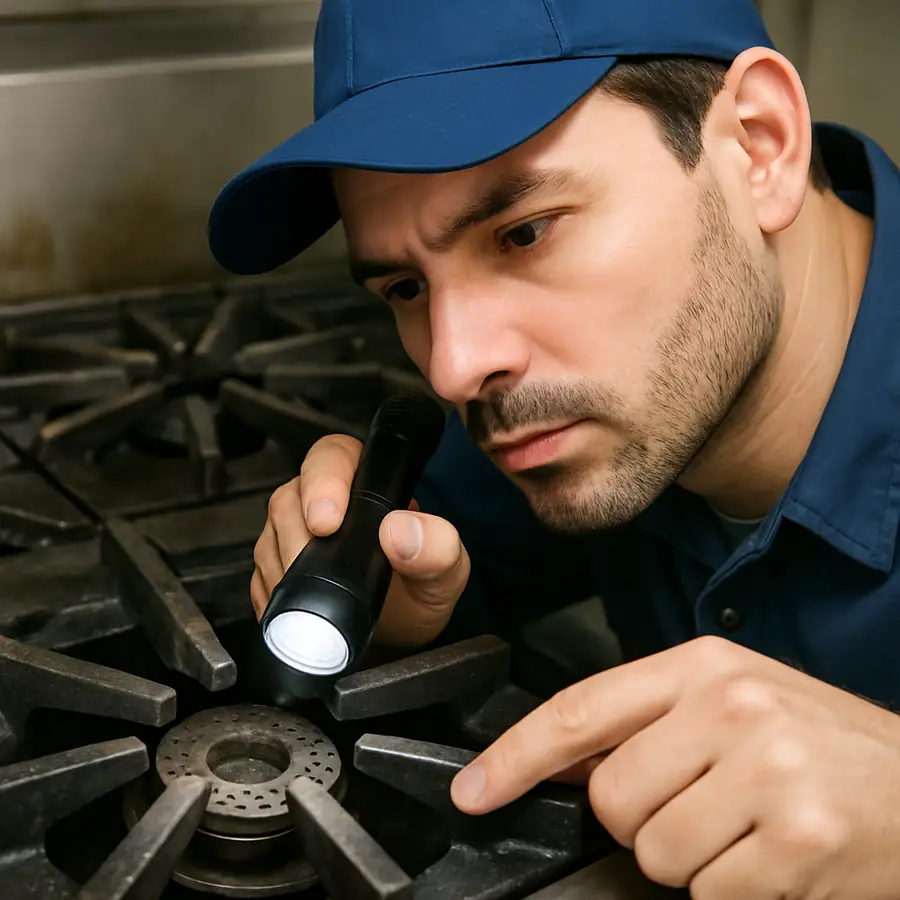
Restaurant auctions are thrilling and can yield massive discounts, but they require a strategic approach. If you plan to go this route, you need to brush up on commercial kitchen auction inspection tips. Always arrive during the preview period—never bid blindly. Bring a flashlight and a toolkit, read the auction house’s terms and conditions (including buyer's premiums), and set a strict maximum bid for each item so you don't get caught up in a bidding war.
Step 3: Understand Refurbished vs. As-Is Equipment
One of the most critical distinctions in the secondary market is understanding refurbished vs as-is food service appliances.
- Refurbished Equipment: These appliances have been thoroughly inspected by technicians. Worn out components (like gaskets, heating elements, or fan motors) have been replaced, and the unit has been deep-cleaned and tested to ensure it meets original factory specifications.
- As-Is Equipment: Exactly what it sounds like. You are buying the equipment in its current state, dirt, grease, and potential mechanical faults included. Buying "as-is" is only recommended if you are incredibly handy, have trusted appliance repair technician on speed dial, or are buying a piece of equipment with very few moving parts, such as stainless steel prep tables or shelving.
Step 4: Master the Art of the Inspection
No matter who you are buying from, you must perform a rigorous physical inspection. Creating a comprehensive used restaurant equipment buying checklist will keep you grounded and objective during your walkthroughs. Below is a breakdown of what to look for based on the type of equipment.
Ovens and Ranges
Ovens are the beating heart of most commercial kitchens. But knowing exactly what to look for when buying used commercial ovens can save your service times and your utility bills.
- Door Seals and Hinges: Open and close the doors multiple times. If the door doesn't seal tightly, the oven will leak heat, leading to uneven cooking and higher gas/electric bills.
- Thermostats: Check for damaged or loose thermostat dials. A faulty thermostat can ruin recipes and require expensive recalibration.
- Interior Cavity: Look for severe warping, rust, or holes in the oven cavity.
When evaluating ranges, you must consider the hidden costs of buying used commercial ranges. Often, pre-owned ranges need deep chemical cleaning to remove carbon build-up from burners and pilot lights. Furthermore, ensure you are testing gas lines on pre-owned cooking stations. If the dealer permits, hook the unit up to a gas source and use a simple soap-and-water solution on the connections to check for bubbling, which indicates a dangerous gas leak.
Deep Fryers
Fryers take a lot of abuse. Identifying mechanical issues in pre-owned fryers requires a close look at both the structural integrity and the heating components.
- The Frypot (Vat): This is the most crucial element. Inspect the vat with a flashlight for any hairline cracks, severe pitting, or previous welding repairs. A leaking frypot is a severe fire hazard and usually means the fryer is destined for the scrap yard.
- Gas Valves and Thermopiles: Ensure the temperature dials turn smoothly. Ask the dealer if the thermopile (the sensor that keeps the pilot light lit) has been recently replaced.
- Drain Valves: The oil drain valve should open and close smoothly without sticking.
Refrigeration and Freezers
A sudden refrigeration failure can cost you thousands of dollars in spoiled inventory overnight. Understanding the expected lifespan of used industrial refrigeration is key; most commercial fridges last between 10 to 15 years. If the unit you are looking at is over 10 years old, tread carefully.
- Compressor and Condenser Coils: Inspect the coils. If they are caked in thick dust and grease, the compressor has likely been working overtime for years, which drastically shortens its remaining lifespan. Listen to the compressor run—it should hum steadily, without loud clanking or grinding noises.
- Gaskets: Check the rubber door seals. Brittle or torn gaskets will let cold air escape. Fortunately, these are relatively cheap to replace, but you should factor that into your offer.
If your operation requires bulk storage, you'll need a reliable second-hand walk-in cooler assessment guide. Walk-ins are unique because they are modular. Inspect the cam-locks (the mechanisms that hold the panels together) to ensure they aren't stripped. Look for water damage or delamination on the floor panels, as this indicates failed insulation. Finally, ensure the refrigeration drop-in or remote condenser is sized correctly for the cubic footage of the box.
Step 5: Prioritize Safety, Health Codes, and Certifications
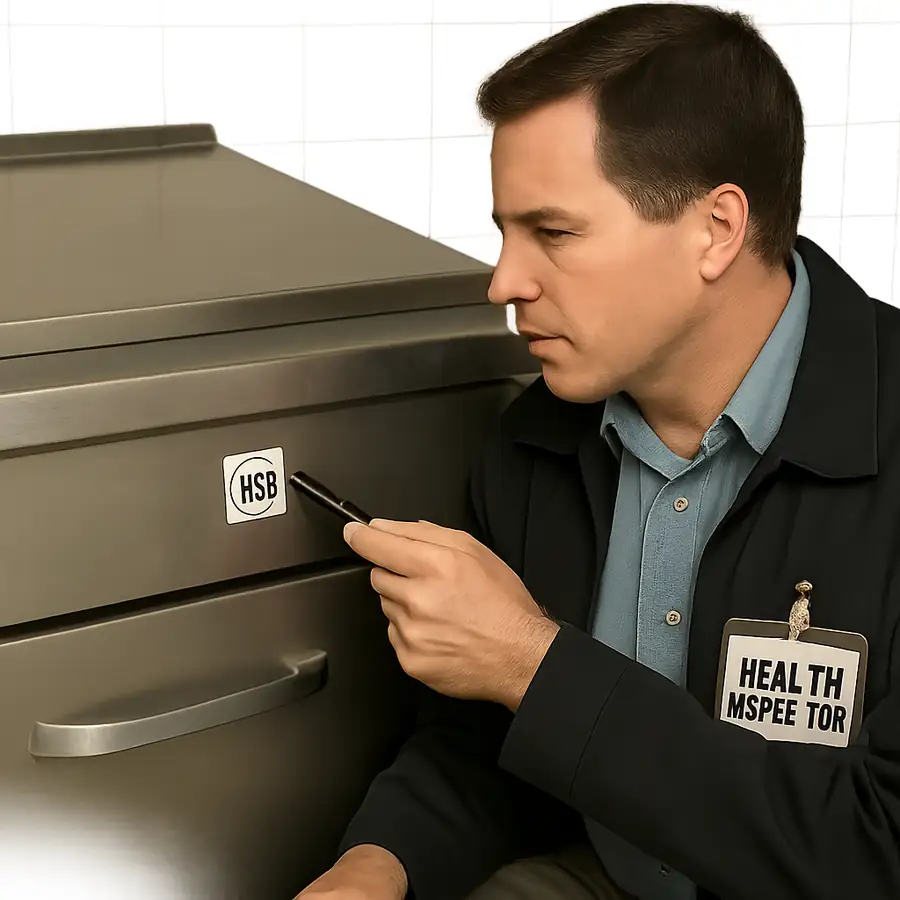
A great deal is entirely worthless if your local health inspector red-tags the equipment.
Always start by checking NSF certification on second-hand units. The National Sanitation Foundation (NSF) certifies that the equipment is designed to be easily cleanable and constructed from food-safe materials. Look for the blue or black NSF sticker or stamp on the equipment. If a piece of equipment has been heavily modified or poorly repaired by a previous owner, it may no longer meet NSF standards.
Additionally, familiarize yourself with local food safety regulations for refurbished equipment. Health departments require all food-contact surfaces to be smooth, non-porous, and free of deep scratches or rust where bacteria can harbor. If you buy a used stainless steel prep table that is heavily dented or rusted, you might be forced to replace it before opening day.
Step 6: Evaluate Efficiency and Long-Term Value
While the upfront cost is your immediate concern, day-to-day operational costs will dictate your long-term profitability.
Take a hard look at the energy efficiency of older industrial cooking models. A heavily discounted oven from the late 1990s might seem like a steal, but older models are notoriously inefficient. They lack the modern insulation and advanced burner technologies found in newer Energy Star-rated equipment. The money you save on the initial purchase could easily be wiped out by elevated gas and electricity bills over the next two years.
To protect your investment, learn how to verify warranty on pre-owned kitchen gear. If you are buying a relatively new piece of equipment (under 3 years old), the original manufacturer’s warranty might still be active. Locate the serial number and model number on the equipment's data plate, and call the manufacturer directly to see if the warranty is transferable. Even if the factory warranty has expired, ask your dealer if they offer a 30, 60, or 90-day parts and labor warranty. Having a written guarantee gives you a crucial grace period to install the equipment and run it through intense dinner services to expose any hidden flaws.
Step 7: Finalize the Purchase and Plan for Installation
Once you have successfully navigated the used restaurant equipment buying checklist, evaluated the total costs, and secured your items, the final step is logistics.
Used commercial equipment is heavy, bulky, and delicate. Do not attempt to transport large glass-door refrigerators or massive multi-burner ranges in the back of a pickup truck without proper strapping and a lift gate. Improper transport can damage compressors, shatter safety glass, and misalign gas lines.
Furthermore, always hire certified professionals for installation. Having a licensed plumber or gas technician hook up your equipment ensures that you are safely testing gas lines on pre-owned cooking stations in its permanent location.
The Bottom Line
Equipping a commercial kitchen does not have to drain your startup capital or exhaust your expansion budget. By venturing into the secondary market, you unlock immense financial flexibility that can be redirected toward marketing, staff training, and sourcing premium ingredients.
However, success in this market is not about luck; it is about due diligence. By assessing your exact menu needs, shopping with reputable dealers, thoroughly inspecting every gasket and valve, and keeping a close eye on health code compliance, you can build a highly efficient, reliable kitchen for a fraction of the cost.
Take your time, bring a flashlight, and never be afraid to walk away from a deal that feels questionable. With these strategies in hand, you are now fully equipped to conquer the used equipment market and build the commercial kitchen of your dreams.
Buy Reliable Commercial Kitchen Equipment from The Horeca Store
While used commercial kitchen equipment can be a practical option for businesses with limited budgets, purchasing new equipment provides greater reliability, improved energy efficiency, and the peace of mind that comes with manufacturer warranties. The Horeca Store offers a comprehensive range of commercial kitchen equipment for restaurants, cafés, hotels, bakeries, catering businesses, and cloud kitchens. From cooking equipment and refrigeration to food preparation machines and storage solutions, we provide everything you need to build a high-performing commercial kitchen.
At The Horeca Store, you'll find premium commercial kitchen equipment from trusted brands known for quality, durability, and long-lasting performance. Whether you're opening a new establishment or upgrading your existing kitchen, our expert team can help you select the right equipment to match your operational needs and budget. With competitive pricing, dependable customer service, and a commitment to quality, The Horeca Store is your trusted partner for commercial kitchen equipment that supports your business for years to come.