
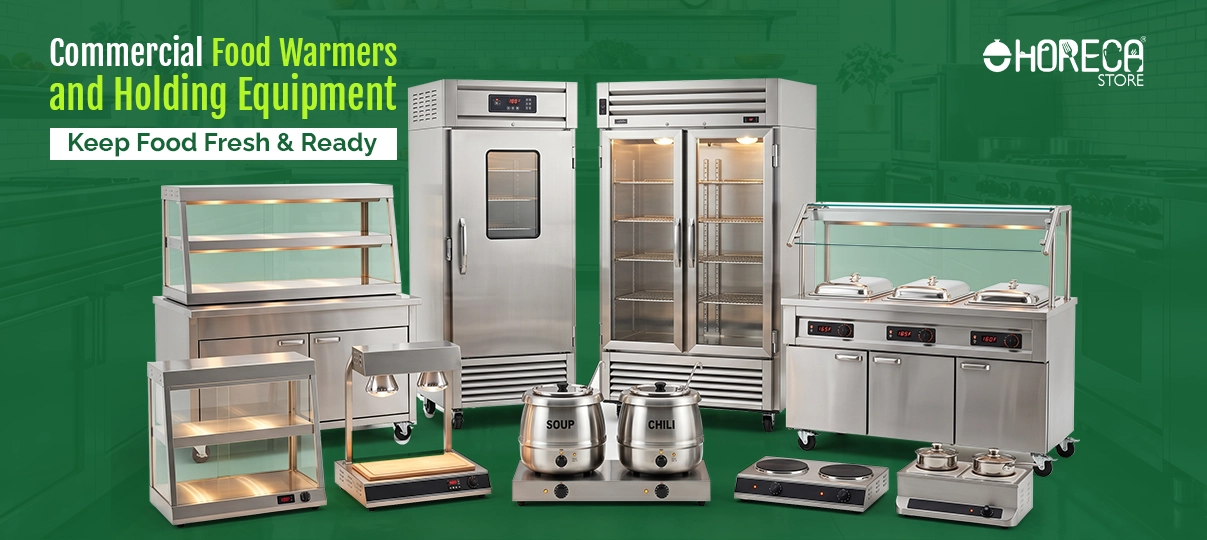
Choosing the right food warmers and commercial holding equipment is crucial for any food service operation. These tools ensure food stays at the perfect temperature, maintaining quality and safety.
With so many options available, selecting the right equipment can be overwhelming. Each type of food warmer serves a specific purpose, catering to different needs.
Understanding the various types of food warmers is the first step in making an informed decision. From countertop warmers to heated holding cabinets, each has unique features.
Consider the type of food you serve. Some warmers are better for liquids, while others suit solid foods.
Energy efficiency is another key factor. Efficient equipment can significantly reduce operational costs over time.
Size and capacity should match your service volume. This ensures you can meet demand without overloading your equipment.
Durability and ease of maintenance are also important. Reliable equipment minimizes downtime and ensures hygiene standards.
Finally, consider safety features and compliance with regulations. These aspects protect both your staff and customers.
Understanding Food Warmers & Commercial Holding Equipment
Food warmers and commercial holding equipment are indispensable in the food service industry. They ensure food stays hot and safe for consumption over extended periods.
These devices are designed with various features to cater to distinct food types. Each type has specific functionalities essential for maintaining food quality.
Here are a few types of food warming equipment:
- Countertop food warmers
- Buffet warmers
- Heated holding cabinets
- Food warming trays
The operation of these devices revolves around maintaining optimal temperatures. This prevents food from entering the danger zone, where bacteria can grow.
Choosing the right equipment requires a good understanding of your business's needs. Consider factors such as the volume of food you serve and storage space.

Food warmers and holding equipment are not just about heating. They are about preserving flavor and texture, enhancing the dining experience. Understanding these basics helps you select equipment that aligns with your operational goals.
Types of Food Warmers: Which Is Right for You?
Selecting the right food warmer is crucial for efficient food service. Each type has unique benefits suited for different service styles and cuisines.
Countertop Food Warmers
Countertop food warmers are compact and versatile, making them ideal for smaller operations and areas with limited space. They're often used in deli counters or cafes.
Buffet Warmers
Buffet warmers are designed for serving large groups, often at events or buffet settings. These warmers help keep a variety of dishes at serving temperature without overcooking.
Features of Buffet Warmers Include:
- Large surface area for various dishes
- Uniform heating to maintain balanced warmth
- Stylish designs for customer-facing use

Heated Holding Cabinets
Heated holding cabinets are essential for busy kitchens needing to keep large volumes of food warm. These cabinets often find use in restaurants and catering businesses.
These units are excellent for holding trays and pans over longer periods. They're best for batch cooking, allowing food to stay ready until serving.
Food Warming Trays
Food warming trays are portable and perfect for catered events or small gatherings. They keep dishes warm without altering flavors.
Key Benefits of Food Warming Trays:
- Lightweight and easy to move
- Simple operation
- Suitable for both indoor and outdoor use

Each type of food warmer comes with its strengths, tailored for various operational environments. Selecting the correct equipment can significantly enhance the quality and efficiency of your service. Consider your specific requirements to make the best choice, whether it’s versatility, capacity, or design.
Key Factors to Consider Before Buying
Choosing the right food warmers and commercial holding equipment requires careful consideration of several factors. Understanding these key aspects can ensure a smart purchase decision.
Type of Food Served
First, consider the types of food you serve. Different warmers cater specifically to liquids, solids, or a mix.
Capacity Needs
Assess the volume of food you need to keep warm. Buying equipment with adequate capacity is essential to handle peak demand.
Portability
If your setup requires frequent equipment movement, prioritize portability. Light-weight and easy-to-transport units can save time and effort.
Material and Durability
Quality materials like stainless steel offer durability and longevity. These materials can withstand rigorous use, ensuring your investment lasts.
Material Considerations:
- Stainless steel for rust resistance
- Aluminum for lightweight needs
- Insulated materials for better heat retention
Energy Efficiency
Energy-efficient models reduce long-term operating costs. Consider equipment with energy-saving features and certifications.

Temperature Control
Adjustable temperature control offers flexibility. It allows you to cater to different types of dishes with ease.
Features to Look For:
- Precise digital controls
- Wide temperature range
- Consistent heat distribution
Ease of Maintenance
Maintenance ease is critical for hygiene and equipment lifespan. Opt for models with removable parts or simple cleaning protocols.
Safety Features
Equipment safety cannot be compromised. Look for features like automatic shut-off and cool-touch exteriors to ensure safe usage.
Evaluating these factors thoroughly will help in making informed decisions. Balancing functional needs with cost and usability ensures you choose the best warmers for your food service operation. Remember, the right equipment not only enhances service efficiency but also improves customer satisfaction through quality food presentation.
Sizing and Capacity: Matching Equipment to Your Needs
The size and capacity of your food warmers are crucial for service efficiency. Matching your equipment to your service volume ensures optimal performance.
Assessing Your Needs
Begin by evaluating your average food output. Consider peak hours and special events to find the right capacity.
Choosing the Right Size
Select a size that accommodates your maximum demand without space wastage. It should fit comfortably in your kitchen or service area.

Versatile Configurations
Some food warmers offer interchangeable pans and trays, providing flexibility. This allows adaptation to different dish sizes or types.
Capacity Considerations:
- Number of dishes to keep warm
- Space availability in your setup
- Frequency of service or turnover
Matching the size and capacity of your food warmers to your actual needs can prevent service delays and ensure customer satisfaction. A well-chosen unit provides efficiency and reliability, adapting seamlessly to your service pattern.
Energy Efficiency and Cost Considerations
Energy-efficient food warmers reduce both operational costs and environmental impact. Opting for models with energy-saving features is prudent.
Understanding Energy Ratings
Review energy ratings to determine the efficiency of the equipment. High ratings signify lower energy usage and cost savings.
Key Cost Factors
Beyond purchase price, consider long-term expenses. Evaluate both energy consumption and maintenance costs for total financial impact.

Features to Look For
Look for models with:
- Energy-saving modes
- Quick heat-up times
- Insulated designs for minimal heat loss
Balancing initial investment with ongoing savings is crucial. Energy-efficient models may have higher upfront costs but lead to significant savings over time. Ensuring that your selection aligns with budget constraints while considering future expenses will optimize your investment. Efficient equipment not only lowers bills but also supports sustainable business practices.
Safety, Compliance, and Maintenance
Safety in food service is non-negotiable. Food warmers must comply with health and safety regulations to ensure customer well-being.
Importance of Compliance
Regulatory compliance ensures your equipment meets industry standards. This not only protects customers but also shields your business from legal issues.

Key Safety Features
When choosing equipment, consider features such as:
- Automatic shut-off mechanisms
- Cool-touch exteriors to prevent burns
- Sturdy construction to prevent accidents
Routine Maintenance
Regular maintenance is vital for longevity. Scheduled checks and professional servicing prevent unexpected breakdowns and ensure optimal function.
Hygiene Considerations
Equipment should be easy to clean. Removable trays and smooth surfaces simplify cleaning, reducing contamination risks.
A focus on safety and maintenance supports a seamless kitchen operation. It enhances efficiency, upholds health standards, and protects both staff and patrons. Proper care and compliance not only prevent mishaps but also prolong equipment life, yielding a higher return on investment.
Features and Innovations in Modern Food Warmers
Modern food warmers offer a range of advanced features. These innovations aim to enhance efficiency and usability in food service environments.
Cutting-Edge Features
Today's food warmers come equipped with:
- Digital temperature displays for precise heat control
- Programmable settings for convenience and consistency
- Energy-saving modes to reduce costs
Improved Food Quality
Some models include humidity controls. This feature helps keep food moist and flavorful, preventing it from drying out during service.

Enhanced User Experience
User-friendly interfaces make equipment easy to operate. This reduces errors, ensuring that your staff delivers consistent food quality.
Future-Proof Solutions
Innovative designs often allow for modular configurations. These can easily adapt to the growing needs of your business, providing scalable solutions.
These advanced features not only improve the functionality of food warmers but also contribute to a better overall dining experience. By investing in modern equipment, businesses can elevate their service and boost customer satisfaction.
Choosing the Right Equipment for Different Food Service Settings
Choosing the perfect food warmer depends greatly on your specific service setting. Each environment presents unique challenges and requirements.
Tailored Solutions for Various Settings
Restaurants may need countertop warmers for space efficiency. Meanwhile, catering services might prioritize portability and versatility.
Versatility for Catering Events
Catering companies often look for equipment that's easy to transport. Portable buffet warmers work well in venues with limited resources.
Essential Considerations
Here's what to think about when selecting equipment:
- Scale and nature of the event
- Space available at the venue
- Specific needs of the menu served
Each food service setting demands tailored solutions. Carefully consider what will best meet your operational needs.
Top Brands and What to Look for in a Manufacturer
When selecting food warmers, brand reputation is key. Established brands often ensure quality and reliability.
Trustworthy Features
Look for manufacturers that offer warranties. This can be a sign of confidence in their products' durability.
Key Considerations for Manufacturers
Here are a few things to look for in a reputable manufacturer:
- Solid customer reviews
- Robust after-sales service
- Track record of innovation
- Availability of replacement parts
Investing in equipment from a trusted brand can provide peace of mind. You'll also enjoy better support and long-term savings.
Installation, Training, and After-Sales Support
Proper installation sets the foundation for efficient equipment use. Check if the manufacturer offers installation services to ensure correct setup.
Importance of Training
Training your staff on new equipment maximizes its benefits. Look for brands that provide comprehensive training programs.
After-Sales Support Features
Consider these aspects for robust after-sales support:
- Availability of technical support
- Quick response times for service requests
- Easy access to user manuals and guides
Prioritizing these factors can enhance your team’s efficiency. Additionally, it prolongs the equipment's lifespan while reducing downtime.
Frequently Asked Questions About Food Warmers & Commercial Holding Equipment
Food warmers and commercial holding equipment can sometimes raise many questions.
Common Queries Addressed
Here are some frequently asked questions:
- Can food warmers keep different food types simultaneously?
- How often should equipment maintenance be performed?
- What are the signs of a malfunctioning food warmer?
- Is there a preferred material for durability?
Understanding these aspects can help minimize purchasing risks. Knowing your options can lead to better satisfaction and investment value.
For more specific inquiries, consulting with manufacturers or industry experts can provide tailored advice.
Conclusion: Making the Best Choice for Your Business
Selecting the perfect food warmers and commercial holding equipment is vital for ensuring food quality. It can also elevate customer satisfaction. Making informed choices enhances your business efficiency and profitability.
Balance essential factors like size, energy efficiency, and maintenance needs for the best outcomes. This will ensure you select products that are both cost-effective and durable.
Remember, the right equipment will not only meet current needs but also anticipate future demands. With thoughtful consideration, your investment will pay off in consistent service and improved operations.