
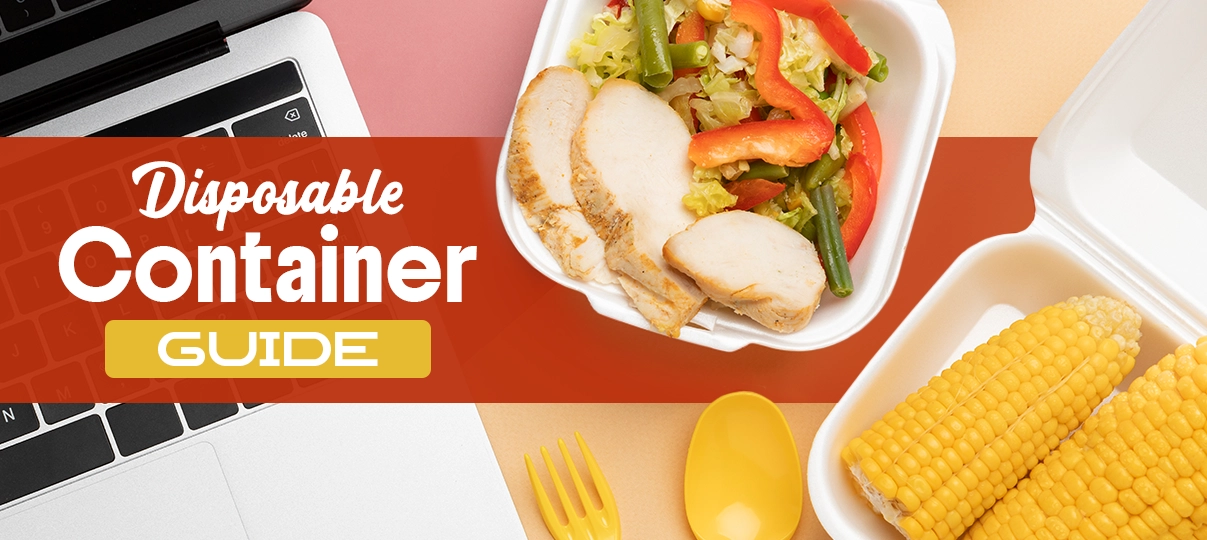
Choosing the right disposable Food Container is no longer just about convenience. With rising food delivery demand, stricter hygiene expectations, and growing sustainability awareness, both businesses and individuals must choose packaging that keeps food safe, fresh, and presentable.
Whether you run a restaurant, cloud kitchen, catering service, or pack meals at home, the right container directly affects food quality, customer experience, and operational costs.
This disposable container guide explains how to make the right choice based on food type, material, safety, usability, and environmental impact.
TL;DR
|
Why Choosing the Right Disposable Food Container Matters
Food packaging plays a critical role in maintaining taste, temperature, and hygiene. Poor-quality containers can cause leaks, contamination, sogginess, or even health risks. In contrast, well-designed food packaging containers protect food during storage and transportation while improving customer convenience.
Using reliable takeaway containers also builds trust, improves brand perception, and reduces food wastage especially for delivery-focused businesses.

How to Choose the Right Disposable Food Container?
Understand the Type of Food You Are Packing
Before selecting any disposable food container, it’s important to consider the nature of the food, including its temperature, texture, and moisture level, to ensure proper disposable food packaging.
Hot vs Cold Food Requirements
Different foods have different packaging needs, and choosing the right food storage containers is essential for maintaining quality.
Hot foods such as curries, rice, noodles, and gravies require heat-resistant containers that do not warp or leak. Cold foods like salads, desserts, and fruits need containers that preserve freshness without creating condensation.
For hot meals, tightly sealed lids and insulated walls work best. For cold items, clear containers are often preferred to highlight freshness and presentation.
Solid, Liquid, or Semi-Liquid Foods
Liquids and semi-liquid foods require leak-proof disposable food containers with secure lids. Soups, sauces, gravies need strong locking mechanisms, while dry foods such as snacks, sandwiches, and bakery items can be packed in lighter takeaway options.
For small portions of sauces, dips, or dressings, condiment cups & lids are commonly used to prevent mixing, leakage, and mess during takeaway or delivery.
Using the wrong container type often leads to spills, unhappy customers, and food loss.
Choose the Right Material for Disposable Food Containers
The material of a disposable food container directly affects food safety, durability, and temperature retention, making it a key factor in any Disposable Container Guide.
Plastic Disposable Food Containers
Plastic containers are widely used because they are lightweight, durable, and affordable. When made from food-grade material, they work well for both hot and cold foods and are commonly used for deliveries and meal prep.
In some quick-service and takeaway settings, a foam takeout container is also used for short-distance food transport due to its insulation properties, though businesses should consider safety and sustainability factors before choosing this option. Always ensure the plastic is safe for food contact and heat exposure.
Paper and Cardboard Packaging
Paper-based food packaging containers are popular for dry and semi-dry foods such as burgers, wraps, fries, and baked goods. They are easy to stack and often chosen for their cleaner, eco-conscious appeal. Inner coatings help handle light oil or moisture.
Aluminium Containers
Aluminium containers are ideal for heat retention and oven use. They are commonly used for baked dishes, catering orders, and bulk food packaging. Their sturdy build makes them suitable for reheating and long-distance transport.
Sustainable Packaging Options
Eco-friendly disposable containers made from bagasse, bamboo, or compostable materials are increasingly preferred by environmentally conscious customers. These options help reduce plastic use while maintaining food safety and structural strength.
They are ideal for businesses looking to reduce plastic use while maintaining food safety and quality.
Check Food Safety and Quality Standards
Food safety should always be a top priority. Containers must be made from food-grade materials and comply with relevant safety standards. Low-quality packaging may react with food, especially hot or acidic items, affecting both taste and health.
Depending on usage, look for containers that are microwave-safe, freezer-safe, or heat-resistant. Proper packaging ensures hygiene and prevents contamination during storage and transport.
Consider Size, Shape, and Portion Control
Choosing the right size helps maintain portion consistency and avoids waste. Oversized containers can make portions look smaller, while undersized ones may cause spillage or damage food presentation.
For businesses handling large volumes, stackable takeaway options save space and improve efficiency. Containers that store neatly reduce clutter in kitchens and storage areas.
Recommended Products for Disposable Food Containers
For businesses that regularly serve sauces, dips, dressings, or condiments, using dedicated portion containers improves hygiene, portion control, and presentation.
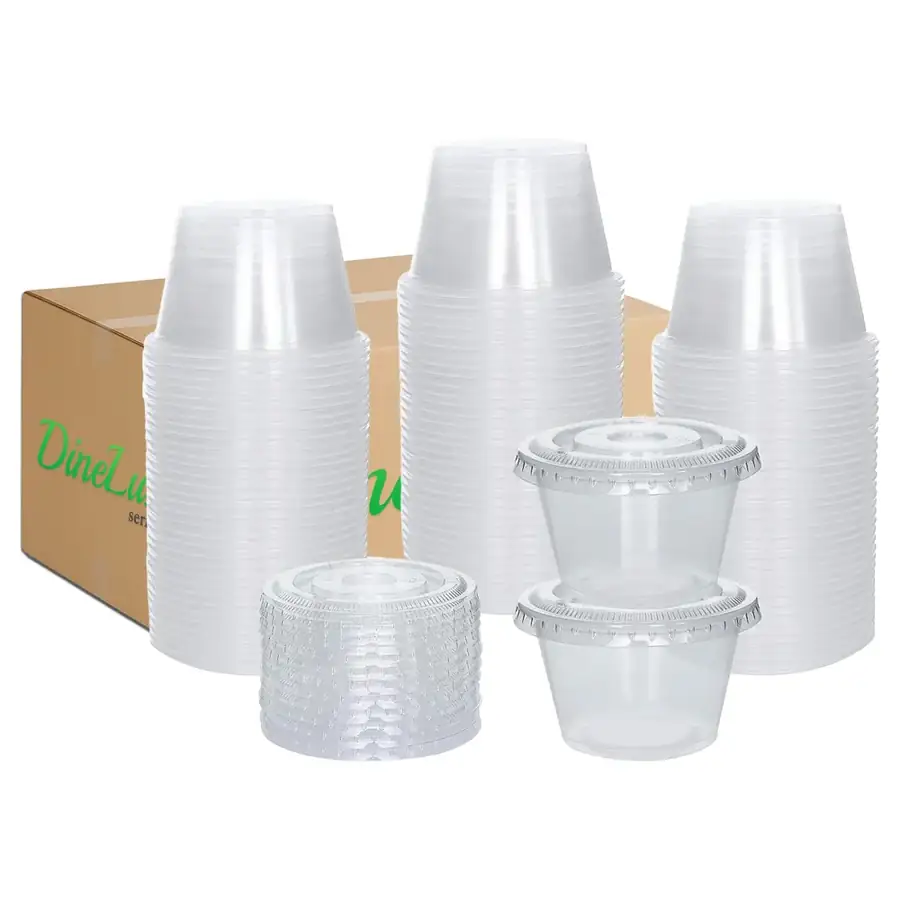
- Dinelux Series 1 oz Plastic Portion Cup, Clear
- Dinelux Series Lid for 0.75 oz & 1 oz Plastic Portion Cup
- Dinelux Series Lid for 1.5 oz & 2 oz Plastic Portion Cup
Using well-fitted portion cups and compatible lids helps prevent leakage, keeps flavours separate, and ensures a cleaner, more organised takeaway or delivery experience.
Sustainability and Environmental Impact
Many customers now prefer brands that use eco-friendly disposable containers. Choosing sustainable options not only helps the environment but also strengthens brand image.
Biodegradable and compostable takeaway containers reduce landfill waste and align with modern environmental expectations. While these options may cost slightly more, they add long-term value by attracting environmentally conscious customers.
Buy High-Quality Disposable Food Containers from The Horeca Store
Selecting the right disposable food container is only part of the equation—choosing a reliable supplier is equally important. The Horeca Store offers a comprehensive range of disposable food containers for restaurants, cafés, food trucks, catering companies, cloud kitchens, and takeaway businesses. From leak-resistant containers for hot meals to durable options for cold foods, salads, desserts, and meal prep, our collection is designed to keep food fresh, secure, and ready for delivery or takeout.
Whether you're looking to improve food presentation, reduce spills, or streamline your packaging operations, The Horeca Store has the right solution for your business. We provide disposable food containers in multiple sizes, shapes, and materials to meet a variety of foodservice needs. With competitive pricing, trusted commercial-grade products, and dependable customer support, The Horeca Store makes it easy to find high-quality food packaging supplies that enhance efficiency and deliver a better customer experience.
Final Thoughts on Choosing the Right Disposable Food Container
Selecting the right Disposable Food Container requires understanding your food type, customer expectations, and operational needs. From material and size to safety and sustainability, every detail plays a role.
By following this Disposable Container Guide, businesses can improve food quality, reduce complaints, strengthen brand image, and meet modern packaging standards ensuring food reaches customers fresh, safe, and presentable every time.