
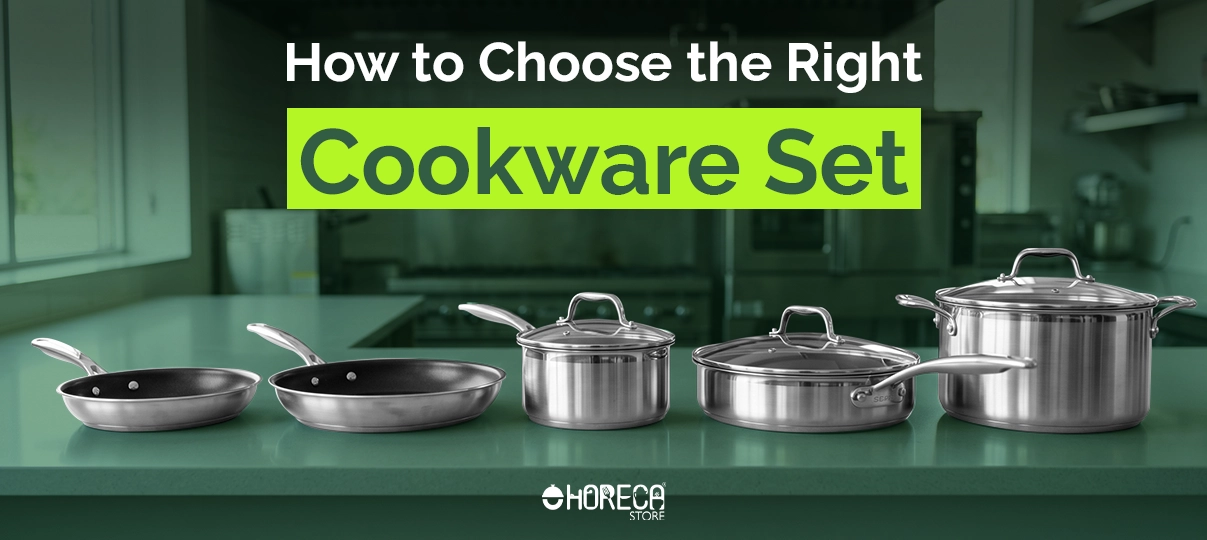
Every great meal starts with the right foundation. Whether you are an aspiring home chef or an experienced cook looking to upgrade your kitchen arsenal, having the right tools can make or break your culinary experience. If you have been searching online, wondering exactly what are the best cookware options available today, you are in the perfect place.
Before we dive into our comprehensive guide, we have an exciting announcement for our readers looking to upgrade immediately: Buy Cookware – Exclusive Offers, Limited Time, Order Today! Don't miss your chance to secure the best kitchen cookware at unbeatable prices.
How to Choose the Right Cookware Set for Your Kitchen
Walking into a home goods store or browsing online can be overwhelming. With so many materials, brands, and configurations, understanding how to choose the right cookware set for your kitchen requires a bit of strategy.
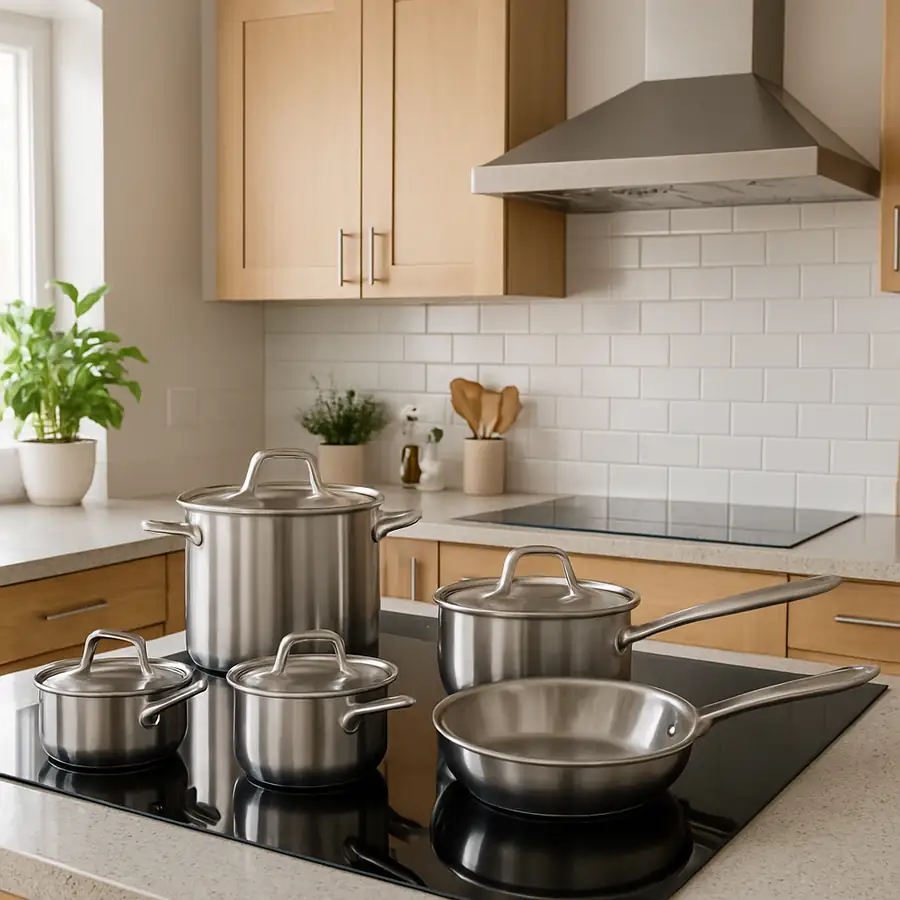
First, ask yourself about your cooking habits. Are you cooking for one, or feeding a large family? This brings up a common question: how many pieces are needed in a basic starter set? Generally, a standard 8-to-10 piece set is perfect. It typically includes an 8-inch and 10-inch frying pan, two saucepans with lids, a sauté pan, and a stockpot.
If you are just starting out, you might wonder what is the best cookware material for beginners. For those learning the ropes, a high-quality non stick pot and pan set is highly forgiving, while stainless steel offers incredible durability as your skills grow.
Decoding Materials: Which Pots and Pans Are Best?
To determine what cookware is best for your home, you need to understand the materials. Let's break down the most popular options so you can finally answer the question: which pots and pans are best for my daily meals?
Stainless Steel & Clad Cookware
When you walk into a high-end restaurant, you will almost exclusively see silver pans. This is known as hotel cookware or professional-grade gear. But what is clad cookware? Cladding refers to the process of bonding layers of metal together. Stainless steel on its own is a poor heat conductor, so manufacturers sandwich highly conductive metals inside.
If you are looking at professional grade multi-clad stainless steel pans, you will often see debates regarding copper core vs aluminum core heating efficiency. Aluminum is lightweight, affordable, and conducts heat beautifully. Copper, however, reacts to temperature changes almost instantly, giving you unparalleled control—though at a premium price.
Ceramic: The Healthy Choice
Health-conscious cooks frequently search for non-toxic cookware alternatives for healthy cooking. This is where ceramic comes in. If you want the best ceramic cookware, look for brands utilizing mineral-based sol-gel coatings. The best ceramic cooking pots offer a brilliant, naturally slick surface that requires minimal butter or oil.
When weighing stainless steel vs ceramic cookware pros and cons, remember that stainless steel will last a lifetime and can handle metal utensils. Ceramic is incredibly easy to clean and aesthetically pleasing, but its slick coating can wear down over time if subjected to extreme heat.

Carbon Steel & Cast Iron
If you are aiming for a restaurant-quality steak crust, you need the essential kitchen tools for high-heat searing and sautéing. Enter carbon steel and cast iron.
A carbon steel skillet is a favorite in professional kitchens. Carbon steel cookware is lighter than cast iron but offers the same incredible heat retention and naturally non-stick patina once properly seasoned. Knowing how to season and maintain cast iron skillets and carbon steel pans—using a very thin layer of high-smoke-point oil baked on at high temperatures—will ensure these pans last for generations.
The Non-Stick Revolution: Safety and Performance
There is no denying the convenience of a modern cookware set non stick. However, many consumers have valid safety concerns, frequently asking, what is safe nonstick cookware?
The industry has made massive strides in recent years. Today's top-tier options utilize PFOA and PTFE free non-stick coating technology, meaning you don't have to worry about forever chemicals leaching into your food.
If you decide to invest in a cookware set nonstick, remember that heat is the enemy of the coating. Never use them on high heat. If you've made a mistake in the past, you might be looking into fixing burnt pans and restoring non-stick surfaces. While mild baking soda pastes can remove stubborn burnt food without scratching, a truly degraded non-stick coating cannot be restored. If your pan is peeling, it’s time to upgrade to a fresh non stick pots and pans set.
Building Your Arsenal: Essential Pots and Pans
As you build out your kitchen, you will likely ask yourself, what are the best pans to cook with? Let's look at the individual pieces that make up the top ranked cookware collections.
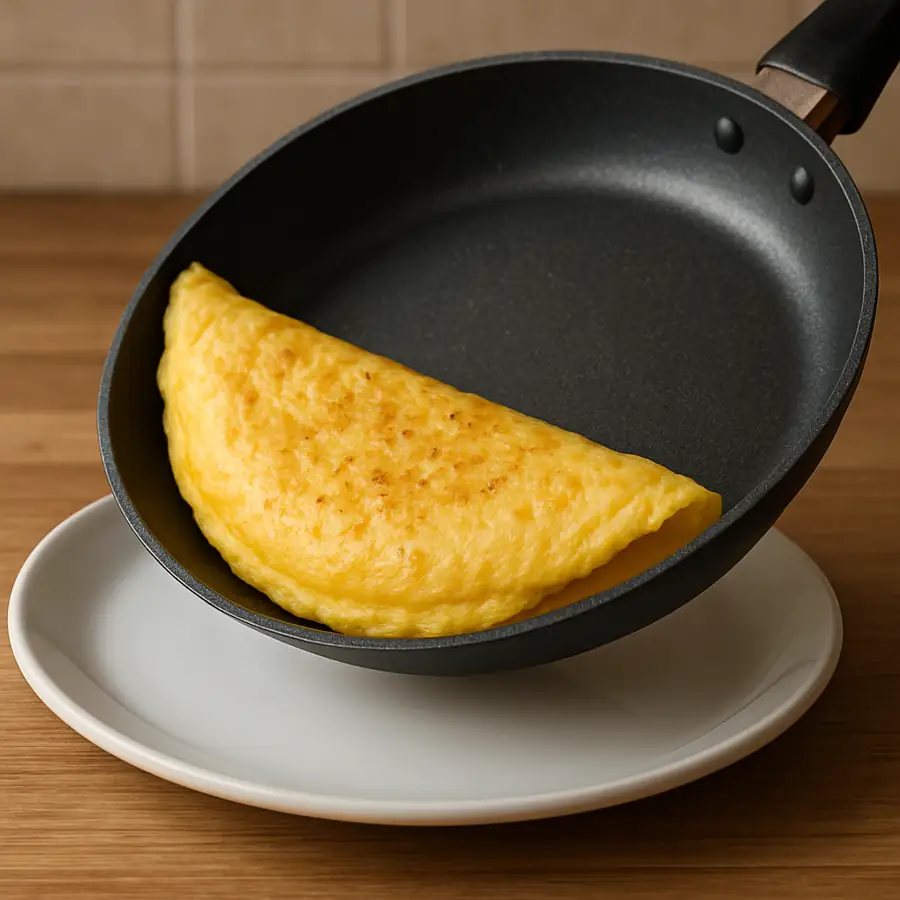
- The Frying Pan / Skillet: Many people ask, what are the best cooking pans for eggs and pancakes? A dedicated frying pan with a slick surface is a must. Conversely, a skillet pan made of stainless steel is better for searing meats and building pan sauces.
- The Best Cooking Pot: Whether you are making a Sunday ragù or boiling pasta, a heavy-bottomed stockpot is crucial. Look for thick bases to prevent scorching.
- Induction Cookware: If you have upgraded your stove, you need a heat distribution and induction compatibility guide. Not all pans work on magnetic induction stoves. Ensure you purchase specific induction frying pans (typically those with magnetic stainless steel or cast iron bases) for rapid, even heating.
If you are transitioning from non-stick to professional stainless steel, there is a slight learning curve. The secret? The "mercury ball" test. Heat your stainless pan, add a drop of water, and if it beads up and rolls around like a marble, the pan is hot enough to prevent food from sticking.
Features That Matter: Making the Smart Purchase
When typing queries like "what is best cooking pans?" or "what are good pots and pans?" into a search engine, you will be hit with thousands of results. Narrow them down by looking at the specific engineering of the product.
Understanding how to navigate evaluating price vs quality in premium cookware is essential. You do not always have to buy the most expensive brand, but you should look for specific hallmarks of quality:
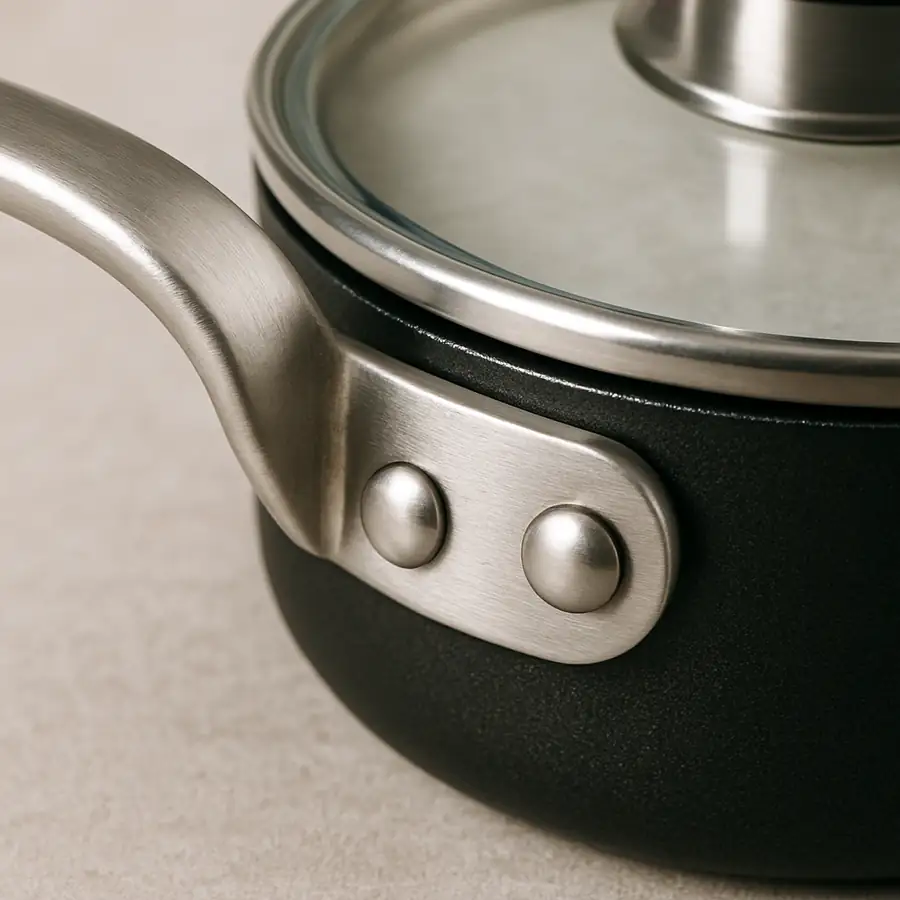
- Handles: Look for an ergonomic handle design and oven-safe temperature ratings. A pan that can seamlessly go from the stovetop to a 500-degree oven is incredibly versatile. Handles should be riveted for stability, not just welded.
- Lids: Tempered glass lids let you monitor food without losing heat, while metal lids are more durable and oven-safe at higher temperatures.
- Weight: When asking what is the best set of pots and pans, pick them up! Good cookware should feel substantial in your hand, indicating adequate material thickness for even heat distribution.
Shop Premium Cookware Sets at The Horeca Store
The right cookware set can make everyday cooking more efficient, enjoyable, and consistent. The Horeca Store offers an extensive selection of premium cookware sets for home kitchens and commercial foodservice operations, including stainless steel pots and pans, non-stick cookware, stock pots, saucepans, frying pans, and specialty cooking equipment. Whether you're a home chef, restaurant owner, hotel, or catering business, our cookware is designed to deliver excellent heat distribution, durability, and reliable performance.
At The Horeca Store, you'll find cookware sets in a variety of sizes and configurations to suit every cooking style and kitchen requirement. We source high-quality products from trusted brands to ensure long-lasting performance, easy maintenance, and exceptional cooking results. With competitive pricing, expert customer support, and a wide range of commercial and residential kitchen essentials, The Horeca Store is your trusted destination for cookware that helps you prepare every meal with confidence.
Final Verdict: Which Set is Right for You?
So, what is the best cookware to use? The honest truth is that it depends entirely on your culinary lifestyle.
If you are a busy parent looking for easy cleanup, a high-quality, non-toxic cookware set non stick is likely your best bet. If you are a culinary enthusiast aiming to master French techniques, a clad stainless steel set mixed with a carbon steel skillet is the ultimate choice.
When determining what are the best pot and pan sets, always look at verified customer reviews and brand warranties. Ask yourself, what is best cookware set to buy for my specific budget? Often, piecing together a custom collection or buying a top-rated 8-piece bundle yields the highest return on investment.
If you are ready to finally answer the question of what is the best pot and pan set to buy for your home, the time to act is now. Stop struggling with warped bases, scratched coatings, and unevenly cooked meals.
Buy Cookware – Exclusive Offers, Limited Time, Order Today!
Upgrade your culinary workspace today and experience the joy of cooking with tools designed for perfection. Happy cooking!