
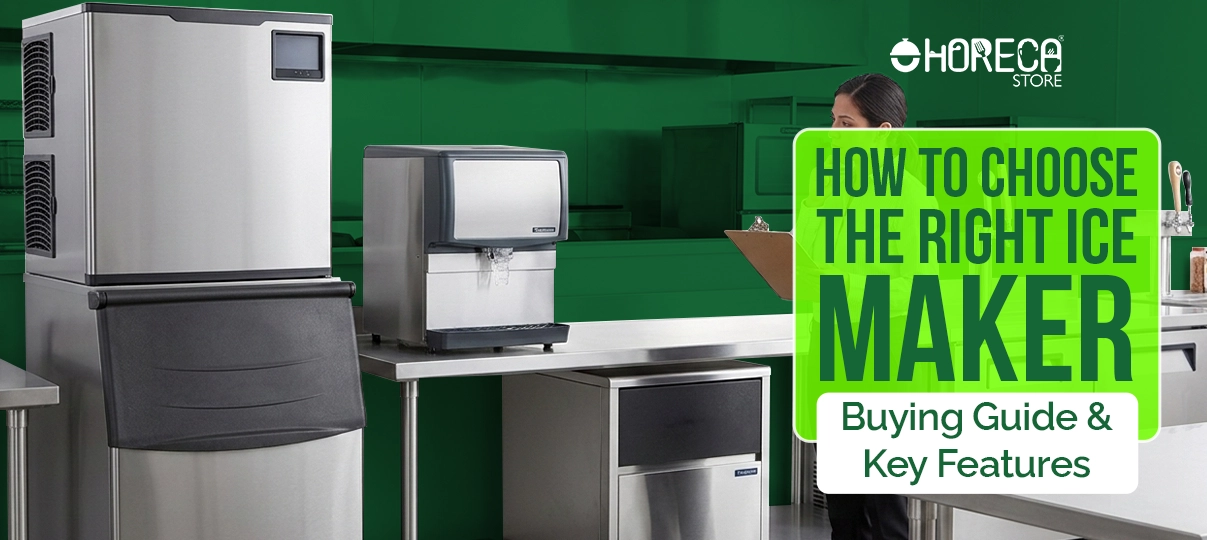
Running out of ice during a party is frustrating, and that frantic search for old ice trays can derail the fun. If you're tired of being at the mercy of your slow freezer, a dedicated stand-alone ice maker isn't a luxury—it's the solution. The most important initial decision is where the machine will live, as this determines everything else.
A portable ice maker is like a countertop coffee machine: you plug it in, add water to a reservoir, and it starts making ice in minutes. This plug-and-play convenience makes it perfect for occasional parties, taking to the patio, or even bringing in an RV. It’s the ultimate choice for flexibility without the commitment of installation.
On the other hand, an undercounter or built-in ice machine offers a permanent, seamless solution. These units install right into your cabinetry, just like a dishwasher, providing a constant supply of ice on tap. While this professional look requires a water line and drain—often needing a plumber—it’s the go-to for a dedicated home bar or a busy kitchen that demands high capacity.
Your main options have distinct requirements and benefits:
- Portable/Countertop: Plug-and-play, no plumbing, lower initial cost.
- Undercounter/Built-in: Seamless look, high capacity, requires plumbing.
- Freezer Ice Maker: Convenient, but has limited production and takes up valuable freezer space.
What Kind of Ice Do You Crave? A Guide to Ice Types
Before looking at specific models, ask yourself: what kind of ice do you love? The type of ice has a huge impact on your drinks, and choosing your favorite is the best way to narrow down your options. As you can see in the photo, the shape and clarity of ice vary dramatically from one machine to the next.
For many, the answer is that soft, chewable "good ice" from their favorite drive-thru. This is nugget ice, and it’s a fan favorite for a reason. Instead of a solid block, it’s made from compressed flakes of ice, making it airy, soft to chew, and quick to absorb the flavor of your soda or iced tea. If this is your must-have, you’ll want to look specifically for a nugget ice machine for home.
If you want your whiskey or craft cocktail to stay bold and undiluted, you’re looking for clear or gourmet ice. The difference between a clear ice maker vs cloudy ice from your freezer is simple: clear ice is frozen in layers, pushing out the air bubbles and impurities that make ice melt fast.
Finally, there's the familiar crescent or bullet ice. This is the workhorse produced by most refrigerator dispensers and portable countertop models. While not as soft as nugget or as dense as clear ice, this crescent cube ice is produced quickly and is perfect for everyday use like filling water bottles.
How Much Ice Do You Actually Need? Decoding Production & Storage
After choosing your ice type, the next factor is production capacity. An ice maker's production capacity is measured in pounds per day. A model rated for "26 lbs/day" can generate just over one pound of fresh ice every hour. That’s enough for about four to five drinks, making a small ice maker like this a great fit for most families.
So, how much ice do I need daily? A good rule of thumb is to plan for about 1.5 pounds of ice per person for casual, everyday use. If you're hosting a party, however, you should double that to 3 pounds per guest to keep drinks full and coolers stocked. An automatic ice maker with a higher production rate (40+ lbs/day) can be a lifesaver for those who entertain often.
It’s also crucial to understand the difference between production and storage. The production rate is how much ice the machine makes in 24 hours, while the storage bin capacity is how much it holds at one time. Most portable models only store a couple of pounds at once, so you'll need to use the ice or transfer it to your freezer as it's made. Think of it like a coffee maker that brews a full pot, even though your mug only holds a single cup.
The Final Check: Drains, Water Lines, and Maintenance
For built-in undercounter models, one of the most critical ice machine installation requirements is the drain. A unit with a gravity drain uses nature's pull to empty water, which means it must be installed directly beside and slightly above a floor drain. Deciding on an ice maker drain pump vs gravity drain is key; a pump actively pushes wastewater out, giving you the freedom to place the machine almost anywhere, even if a floor drain isn't nearby.
Next, consider how your machine will get water. A plumbed ice maker connects directly to your home’s water supply, much like a dishwasher. This set-it-and-forget-it convenience means you never have to refill a reservoir, ensuring non-stop ice production. This is the primary upgrade from portable models, which require you to manually add water for each batch.
Finally, don't overlook long-term upkeep. Keeping an ice machine clean is vital for hygiene and for preventing off-flavors. This is where the self-cleaning ice machine benefits truly shine. An automated cleaning cycle handles this essential maintenance for you, saving significant time and effort while ensuring every cube tastes fresh and pure. It’s a simple feature that provides tremendous value.
Your Perfect Ice Maker Checklist
While the world of ice makers can seem complex, you can now confidently distinguish between nugget and gourmet ice and understand what separates the right machine from the wrong one for your home.
To finalize your choice, use this simple ice maker buying guide. Answering these four questions will give you a clear blueprint for what to look for when you shop:
- Location: Countertop/Portable or Undercounter/Built-in?
- Ice Type: Soft Nugget, Clear Gourmet, or All-Purpose Crescent?
- Capacity: Enough for your family (25-30 lbs) or for entertaining (40+ lbs)?
- Installation: Do you have easy access to a water line or need a drain pump?
With these answers, you’re no longer just browsing for the “best” ice maker—you’re selecting your ice maker. You can now make a final purchase with total confidence, knowing your decision isn’t based on specs, but on the simple future pleasure of a perfectly chilled drink, right when you want it.