
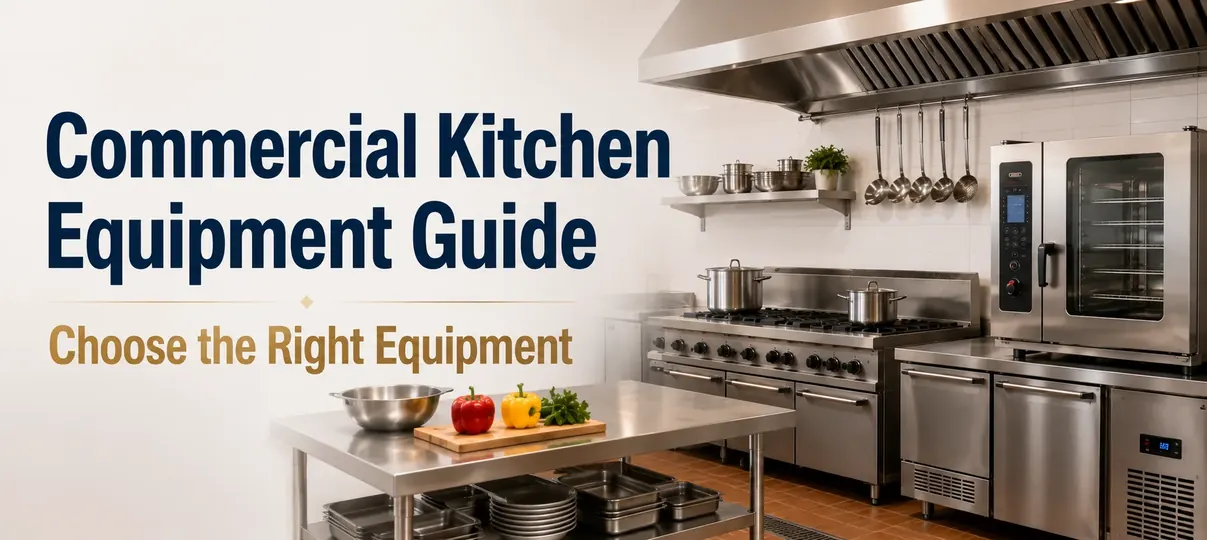
Choosing the right commercial kitchen equipment is crucial for any restaurant. It impacts efficiency, food quality, and overall success.
The process can be overwhelming with so many options available. From cooking tools to kitchen appliances, each piece plays a vital role.
Understanding your restaurant's specific needs is the first step. This includes considering your menu, kitchen size, and layout.
Energy efficiency is another important factor. It can significantly reduce long-term operational costs.
Compliance with health and safety regulations is non-negotiable. Ensuring your equipment meets these standards is essential.
Durability and ease of maintenance should also be prioritized. These factors contribute to the longevity of your equipment.
Budgeting is a key consideration. Exploring financing options can help manage costs effectively.
Finally, consider the impact of technology. Smart kitchen solutions can future-proof your restaurant.
This guide will help you navigate these considerations. Equip your restaurant with the best tools for success.
Understanding Your Restaurant’s Needs
Understanding the unique needs of your restaurant is foundational. Each restaurant has different demands based on its menu and clientele.
Assess your menu to identify necessary equipment. For instance, a pizzeria needs different tools than a steakhouse.
Consider the volume of food your kitchen will produce. High-output kitchens require robust equipment to keep up with demand.
Space is a key factor in determining your equipment choices. A small kitchen needs compact and versatile tools.
Identify the critical functions in your kitchen. Prioritize equipment that performs essential tasks efficiently.
Your budget will dictate your choices to some extent. However, investing in essential, high-quality tools is always wise.
- Here are key factors to consider:
- Type of cuisine served
- Kitchen space available
- Expected volume of service
- Budget constraints
- Required versatility and adaptability
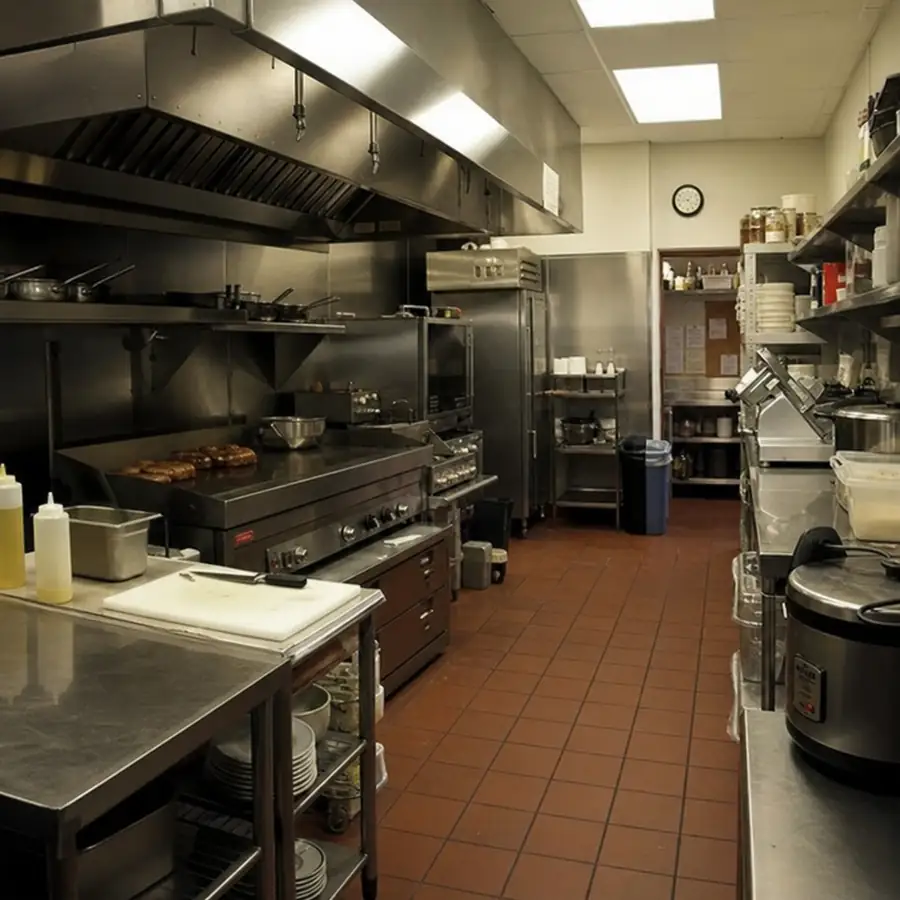
By understanding these aspects, you can refine your equipment search. This approach ensures your kitchen is well-equipped to meet your restaurant’s requirements.
Determine the must-have versus nice-to-have items. Proper prioritization will prevent unnecessary expenses.
This step ensures smoother operations and enhances service quality. Ultimately, knowing your needs leads to informed purchasing decisions.
Planning Your Kitchen Layout and Space
Proper kitchen layout planning is critical for efficiency. A well-designed kitchen streamlines workflow and enhances safety.
First, consider the layout style that best suits your operations. Common styles include the assembly line and island format. Each has its benefits depending on your restaurant type.
Space utilization is another key aspect. Ensure that each piece of equipment fits comfortably without cluttering the area.
Create zones for prep, cooking, and cleaning. This zoning approach helps in organized and efficient meal preparation. It also improves staff communication.
Assess your storage needs alongside operational space. Adequate storage ensures that kitchen supplies are close at hand. Consider shelving and cabinetry options that optimize vertical space.
- Key layout considerations:
- Type of layout (assembly line, island)
- Defined zones for different functions
- Adequate space for movement
- Efficient storage solutions
- Ergonomic design for staff comfort
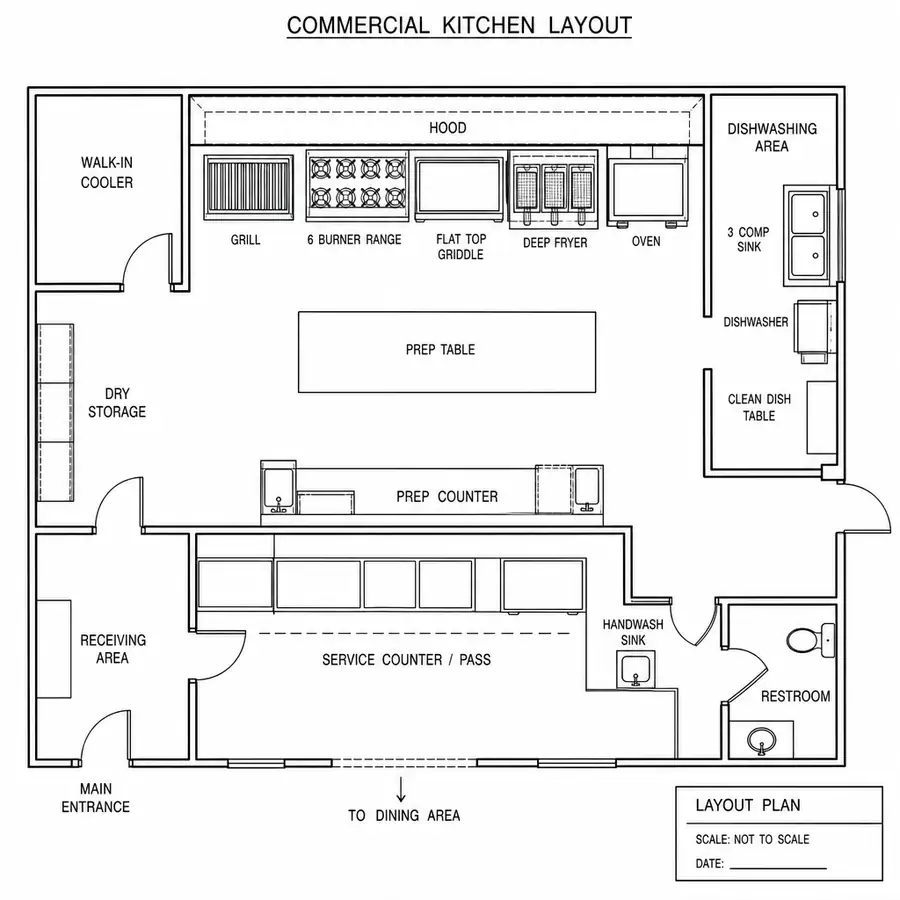
Besides functionality, your layout impacts the ambiance. An open kitchen design requires visually appealing equipment.
Plan with future scalability in mind. This foresight helps accommodate growth and new culinary offerings.
Consulting a professional kitchen designer can provide expertise. They can ensure that design and operational needs are in harmony. Effective layout planning leads to a more productive and pleasant work environment.
Essential Types of Commercial Kitchen Equipment
Choosing the right commercial kitchen equipment is vital for any restaurant. This ensures effective operations and high-quality meals.
First, consider cooking equipment. This category includes ovens, stoves, and grills. Select appliances that match your menu and cooking style.
Refrigeration units are equally important. They preserve ingredients and prepared dishes. Options range from walk-in coolers to under-counter fridges. Choose based on your kitchen's size and needs.
Food prep tools also deserve attention. Items like mixers, slicers, and food processors speed up preparation. Efficient food prep tools reduce labor time and improve consistency.
Ventilation, though often overlooked, is crucial for safety. A reliable exhaust system ensures proper air quality. It also regulates kitchen temperature.
- Here’s a list of key equipment types:
- Cooking: ovens, stoves, grills
- Refrigeration: walk-in coolers, freezers
- Food prep: mixers, slicers, processors
- Ventilation: exhaust hoods, fans
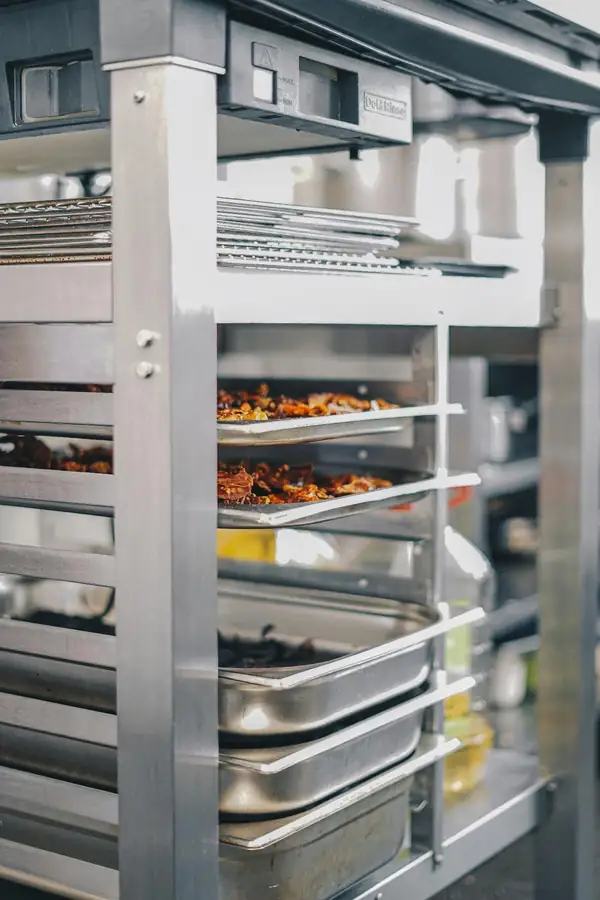
Remember the smaller essentials. These items, such as cookware and utensils, are the backbone of kitchen operations. Quality chef equipment offers reliability under intense usage.
Don’t forget about cleaning and sanitation equipment. Dishwashers and sinks are vital for maintaining hygiene standards. Quality cleaning tools ensure smooth operations and regulatory compliance.
- Here’s another list focusing on supportive equipment:
- Cookware: pots, pans, knives
- Cleaning: dishwashers, sinks, sanitizers
- Utensils: spatulas, ladles, tongs

Finally, prioritize ergonomic design to reduce strain on staff. Equipment should support a productive workflow. This helps to enhance the kitchen's overall efficiency.
Assessing and selecting the essential equipment types improve operations. It also contributes to your restaurant's success.
Evaluating Equipment Quality, Durability, and Brand Reputation
Quality and durability are critical factors when selecting commercial kitchen equipment. High-quality equipment withstands extensive use and has a longer lifespan. This reduces the frequency of replacements, saving you money in the long run.
Durability is linked to the materials used in manufacturing. Stainless steel, for instance, resists rust and damage, making it a popular choice in culinary equipment. Durable equipment is less likely to break, leading to fewer disruptions in your kitchen operations.
The brand reputation also plays a significant role. Well-known brands often have a history of quality and customer satisfaction. Research customer reviews and seek recommendations from other restaurant owners. This can provide insights into the equipment’s reliability and performance.
Consider the warranty and service agreements as well. Reliable brands typically offer robust support and comprehensive warranties. This is crucial if you encounter issues or need repairs.
- Here are factors to consider when evaluating equipment:
- Material composition for durability
- Brand history and customer satisfaction
- Warranty and after-sales support
- Customer reviews and recommendations
Finally, balance price with quality. While high-quality items might be more costly upfront, they often save money over time. Prioritize investments that align with your restaurant’s long-term goals. Quality equipment enhances productivity and ensures consistent service.
Energy Efficiency and Environmental Impact
Selecting energy-efficient kitchen appliances is vital for cost savings and environmental sustainability. These appliances consume less energy, resulting in lower utility bills and a reduced carbon footprint. Investing in such equipment can enhance the eco-friendliness of your restaurant.
Consider equipment certified by Energy Star. These certifications ensure that products meet specific energy efficiency standards. This not only benefits the environment but also offers financial returns through reduced operational costs.
The environmental impact should also guide your equipment choices. Opt for equipment made from sustainable materials. This reduces resource depletion and contributes positively to environmental conservation.
When evaluating energy efficiency and environmental impact, take into account the following factors:
- Energy Star certification or equivalent labels
- Materials used in manufacturing
- Long-term cost savings on energy bills
- Equipment’s carbon footprint and environmental benefits
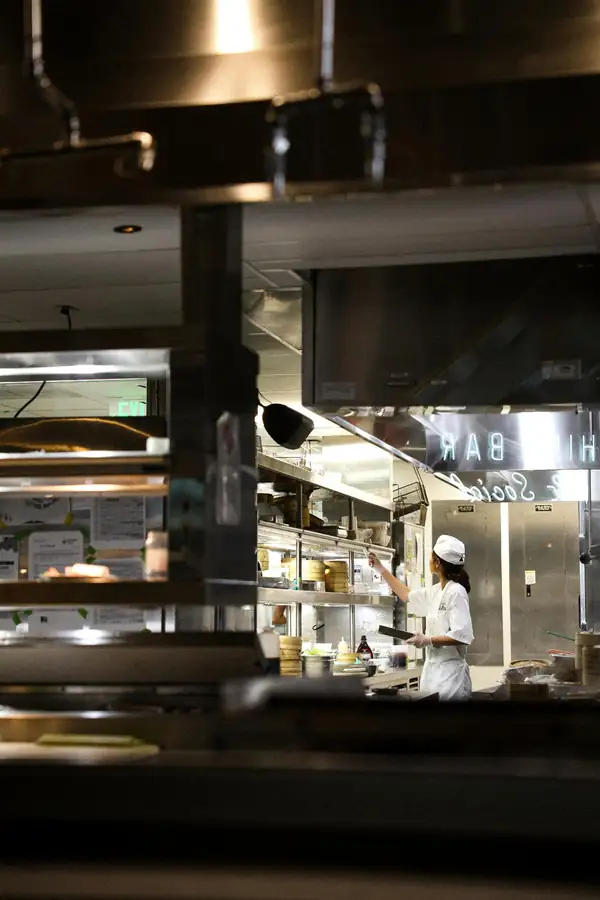
Look for opportunities to improve kitchen efficiency further. This may include retrofitting existing equipment or upgrading to newer, more efficient models. Over time, these changes can significantly impact your restaurant’s sustainability efforts, creating a more responsible business model.
Regulatory Compliance and Safety Standards
Adhering to regulatory compliance and safety standards in your commercial kitchen is crucial. These guidelines ensure the wellbeing of staff and patrons, protecting your restaurant from legal issues. Non-compliance can result in hefty fines and operational shutdowns.
Ensure your equipment meets local health and safety regulations. This means conducting thorough research into regional legislation. It’s essential to partner with suppliers who understand these requirements and offer compliant solutions.
Safety standards focus on the operational environment. This includes ventilation, fire safety, and food handling practices. Compliance ensures not only legal conformity but also promotes a safe working atmosphere for your team.
- Focus on the following compliance and safety aspects:
- Equipment must meet health department approvals
- Adherence to fire safety regulations, including proper ventilation
- Safe installation and operation guidelines
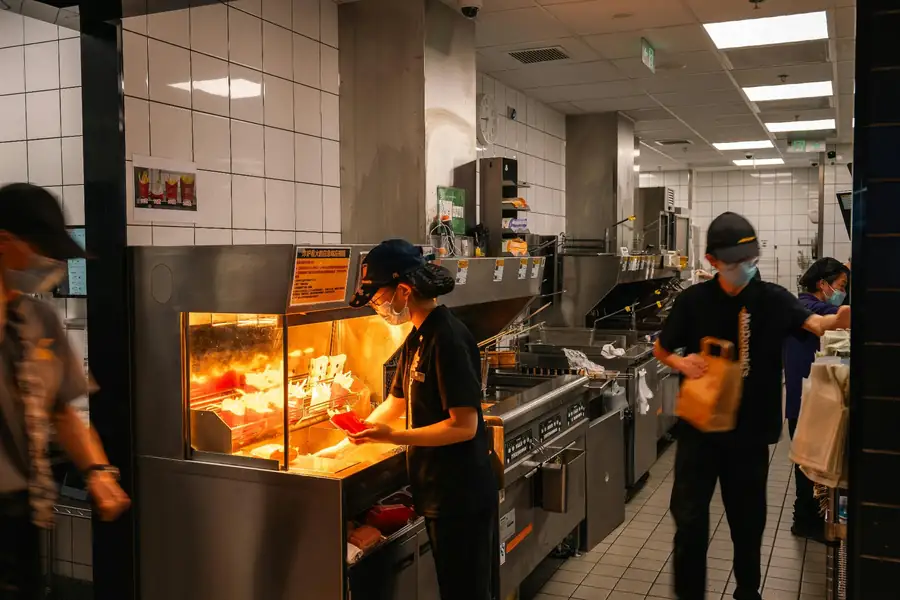
Consult with experts or regulatory bodies regularly. They can guide you on changes in regulations, ensuring your kitchen remains up-to-date and compliant. Prioritizing safety and compliance builds trust with both your team and your customers, ultimately supporting your restaurant's reputation and success.
Budgeting, Financing, and Cost Considerations
Effective budgeting is vital when choosing commercial kitchen equipment. Allocating funds wisely impacts the overall success of your restaurant. Consider various cost aspects, from initial purchase to maintenance.
Start by listing essential kitchen items. Prioritize equipment necessary for your menu. This helps streamline expenses by focusing only on what's necessary. Next, estimate the cost of each item to build a comprehensive budget.
Explore different financing options to ease financial burdens. Leasing equipment can spread costs over time, maintaining cash flow. Additionally, many suppliers offer financing plans or payment installments that could benefit your budget.
When budgeting, account for long-term savings. Investing in energy-efficient equipment reduces utility bills over time. Durable, high-quality items may seem expensive upfront, but they lower replacement costs down the line.
- Consider these budgeting strategies:
- Prioritize essential equipment based on your menu
- Research equipment financing and leasing options
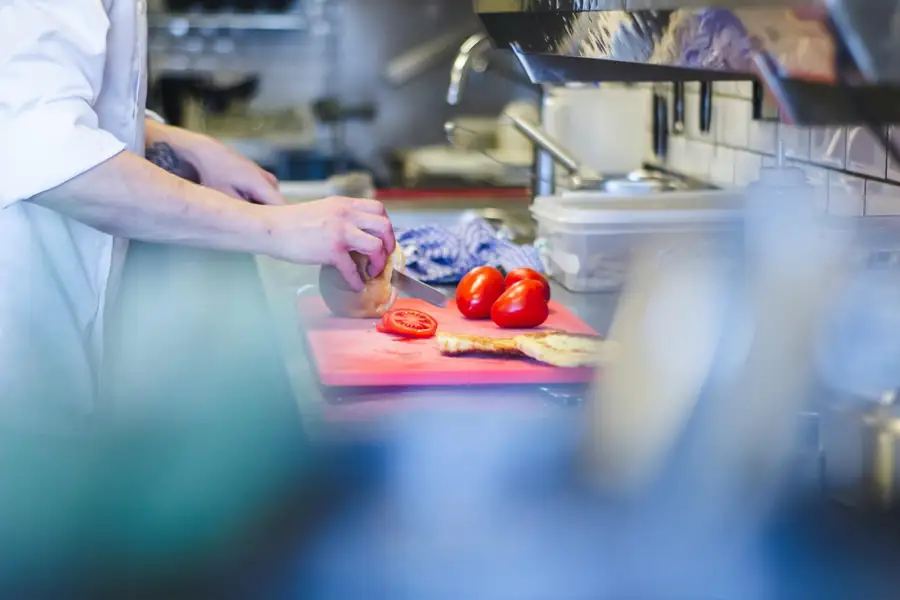
Regularly revisit and adjust your budget plan. Unexpected costs or opportunities may arise. Flexibility in your financial planning allows you to adapt, ensuring your restaurant remains equipped to deliver a high-quality dining experience without breaking the bank.
Choosing Between New, Used, and Leased Equipment
When equipping your restaurant, deciding between new, used, and leased equipment is pivotal. Each option offers unique advantages that may suit different business needs.
New equipment ensures state-of-the-art technology and warranty protection. It’s usually more reliable, reducing the chances of unexpected repairs. However, the cost is higher compared to other options.
Used equipment presents a cost-effective alternative for budget-conscious buyers. Quality second-hand items can perform well, especially if they’re from reputable brands. It's crucial to inspect pre-owned items thoroughly for wear and tear.
Leasing offers flexibility, allowing access to high-end equipment with less upfront cost. It’s ideal for those who prefer keeping up with technological advancements. Leasing contracts often include maintenance, which can be beneficial.
- Consider the following factors when choosing:
- Initial cost versus long-term expenses
- Equipment condition and performance
- Flexibility in upgrading and replacing
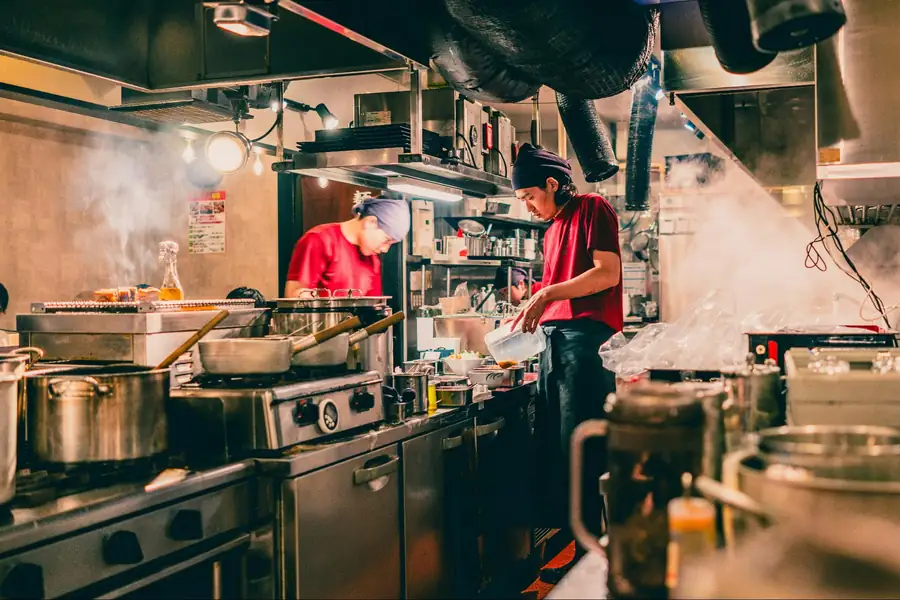
Ultimately, the choice depends on your restaurant's specific needs and financial strategies. Balance cost, quality, and functionality to enhance your kitchen's performance effectively.
Installation, Service, and Maintenance Planning
Proper installation, service, and maintenance planning is crucial for the longevity of commercial kitchen equipment. Improper installation can lead to inefficient performance and higher repair costs.
When planning installation, ensure a professional handles the setup. This guarantees the equipment is set up according to manufacturer guidelines. Certain appliances might require specialized knowledge for installation.
Regular maintenance should be scheduled from the outset. Preventive maintenance minimizes breakdowns and extends the equipment's life. It also ensures compliance with health and safety standards.
Understanding the service needs of each piece is also important. Equip your staff with training on basic troubleshooting to address minor issues promptly. Quick fixes can prevent bigger problems.
- Consider these key actions for effective service management:
Create a maintenance schedule for all equipment.
Keep a logbook for recording all service activities.
Establish relationships with reliable service providers.
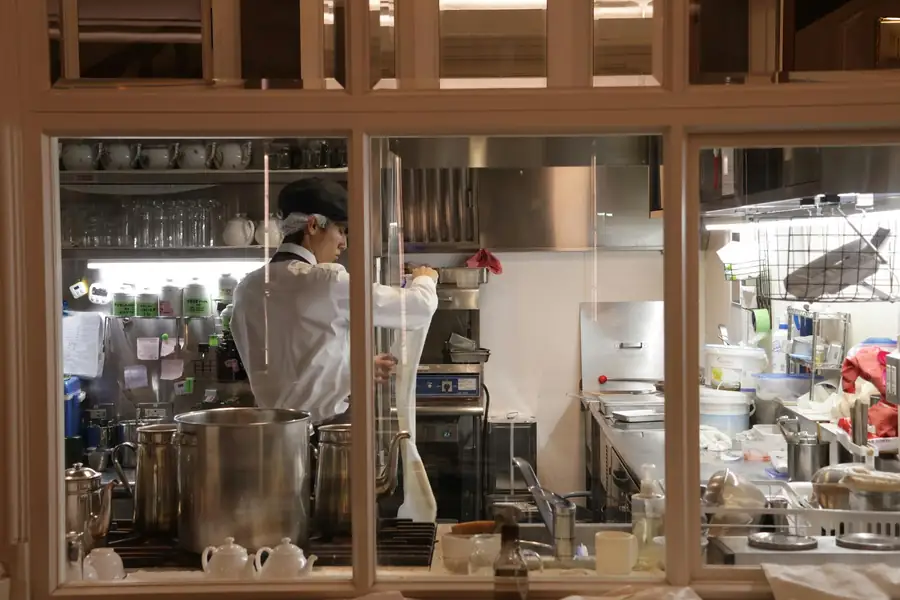
Planning for installation and maintenance not only extends equipment life but also ensures efficient restaurant operations. With a structured approach, you can maximize your equipment investment while maintaining smooth kitchen functions.
Kitchen Equipment That Does Not Require a Hood
Commercial kitchens often rely on ventilation systems, but some equipment doesn’t need a hood. Choosing these items can reduce costs and simplify kitchen layout. Ventilation hoods, while crucial for safety, can be expensive and complex to install.
Certain appliances generate minimal heat or smoke, eliminating the hood necessity. These include electric steamers, induction cooktops, and some countertop appliances. They are perfect for kitchens where space or budget is limited.
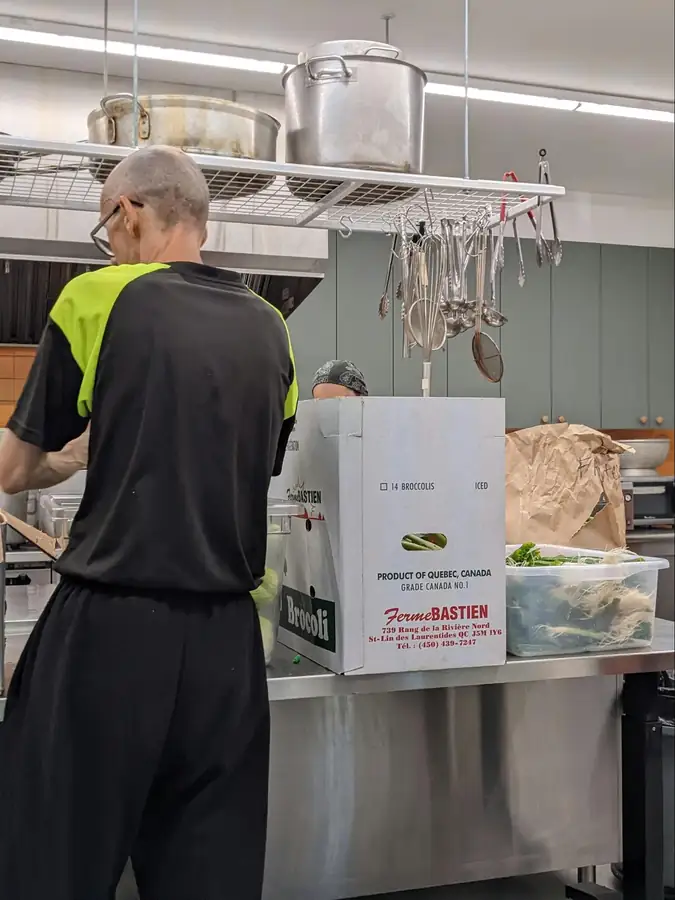
Investing in hood-free options offers several advantages. First, it simplifies the setup by reducing the need for ductwork installation. Secondly, it lowers the overall operational and maintenance costs associated with hood systems. Finally, it can expedite the regulatory approval process.
- Here’s a quick list of hood-free equipment:
- Electric steamers
- Induction cooktops
- Countertop griddles
- Certain convection ovens
By incorporating hood-less equipment, you can streamline your kitchen design while maintaining compliance and efficiency. It’s a smart strategy for small to medium-sized establishments looking to optimize resources.
Smart Technology and Future-Proofing Your Kitchen
Embracing smart technology in your kitchen can significantly enhance efficiency. High-tech equipment provides features that streamline operations and improve productivity. These innovations are becoming indispensable in modern culinary spaces.
Integrating smart technology requires thoughtful planning. Start with devices that monitor equipment performance and energy use. Features like IoT connectivity and data analytics help optimize kitchen operations. They allow you to catch issues before they escalate.

Consider the following smart kitchen technologies to future-proof your restaurant:
- IoT-enabled refrigerators for temperature monitoring
- Smart ovens with remote controls
- Automated inventory tracking systems
- Energy-efficient dishwashers with smart sensors
By investing in future-proof technology, you position your restaurant to adapt to changing trends. These upgrades improve service quality and reduce long-term costs. Ultimately, smart equipment creates a more responsive and reliable kitchen environment.
Staff Training and Workflow Optimization
Effective staff training is crucial for a successful kitchen operation. Employees must understand how to use equipment safely and efficiently. This reduces the risk of accidents and improves productivity.
Investing time in training enhances workflow optimization. A well-trained team can adapt to new equipment quickly, minimizing disruption. Training sessions should emphasize the importance of maintaining consistent food quality.
Consider implementing the following strategies for training and workflow enhancement:
- Regular training sessions for new and updated equipment
- Hands-on demonstrations with kitchen tools
- Cross-training staff for versatility
- Clear labeling of equipment controls and instructions
Optimizing workflow requires evaluating current procedures. Look for bottlenecks or inefficiencies in kitchen operations. Streamlining tasks can lead to faster service and improved customer satisfaction. Ultimately, a skilled team with a smooth workflow strengthens your restaurant's performance.
Facilities Management and Ongoing Support
Managing your restaurant's facilities requires attention to detail. Ensuring that your equipment runs smoothly is crucial for daily operations. Facilities management involves routine checks, maintenance, and swift repairs.
Proper support systems minimize downtime. Having a reliable service provider helps in quickly addressing equipment issues. A proactive approach to maintenance can prevent costly repairs and prolong equipment life.
- Consider these key strategies for effective facilities management:
- Schedule regular inspections for all restaurant equipment
- Establish a relationship with a reliable repair service
- Keep a log of maintenance and service history
- Train staff to identify and report potential issues early
Ongoing support extends beyond repairs. It involves adapting to changes in technology and regulations. Staying informed helps you make necessary adjustments promptly. With strong facilities management, your kitchen will operate efficiently and safely, enhancing the overall performance of your restaurant.
Common Mistakes to Avoid When Choosing Equipment
Choosing the right equipment is critical but often fraught with mistakes. Many restaurant owners rush decisions without careful planning. This can lead to costly errors and operational inefficiencies.
One common pitfall is overlooking equipment that fits poorly in the available space. This affects kitchen workflow and compromises safety. Another mistake is neglecting to check regulatory compliance, risking fines or forced upgrades.
To avoid these errors, be mindful of the following:
- Don’t ignore the specific needs of your cuisine
- Avoid buying equipment without comparing quality and pricing
- Ensure each piece meets local health and safety standards
- Steer clear of equipment that lacks energy efficiency
Additionally, resist the allure of cutting-edge technology without proper evaluation. It's essential to verify if it truly fits your restaurant's needs. By avoiding these common mistakes, you can make informed choices that support your restaurant’s success and longevity.
Complete Your Foodservice Setup with The Horeca Store
A professional restaurant kitchen needs more than cooking and refrigeration equipment. Reliable foodservice, serving, and takeaway supplies are also essential for smooth daily operations. The Horeca Store offers a wide range of catering essentials, including disposable food containers, takeaway cups, coffee cups, disposable cutlery, napkins, food packaging, and other foodservice supplies for restaurants, cafés, hotels, catering businesses, bakeries, food trucks, and takeaway operations.
Whether you're opening a new restaurant, upgrading your commercial kitchen, expanding your catering business, or growing your takeaway and delivery service, having dependable supplies readily available can help keep your operation organized and customer-ready. Explore The Horeca Store for quality hospitality and catering products designed to support efficient food preparation, professional service, and everyday restaurant operations.
Conclusion and Key Takeaways
Choosing the right commercial kitchen equipment is pivotal for restaurant success. It involves more than just picking the latest tools. Thoughtful decision-making encompasses many factors from layout to compliance.
A well-planned kitchen improves service and enhances food quality. It also ensures safety and efficiency in operations. Consider your restaurant's specific needs, from energy efficiency to staff training.
- Here are key takeaways to guide your choices:
Prioritize equipment that fits the kitchen layout.
Ensure compliance with health and safety standards.
Evaluate equipment for quality, durability, and ease of maintenance.
Consider both current needs and potential future growth.
Explore flexible purchasing options, like leasing or buying used.
By adhering to these principles, you secure an efficient, cost-effective kitchen. This not only streamlines operations but also elevates the dining experience. Aim to equip your kitchen smartly to foster growth and sustainability for your restaurant. Plan wisely, invest in quality, and keep evolving with the industry's advancements.