

How to Choose the Best Commercial Mixers for Bakeries: Tips from Industry Experts
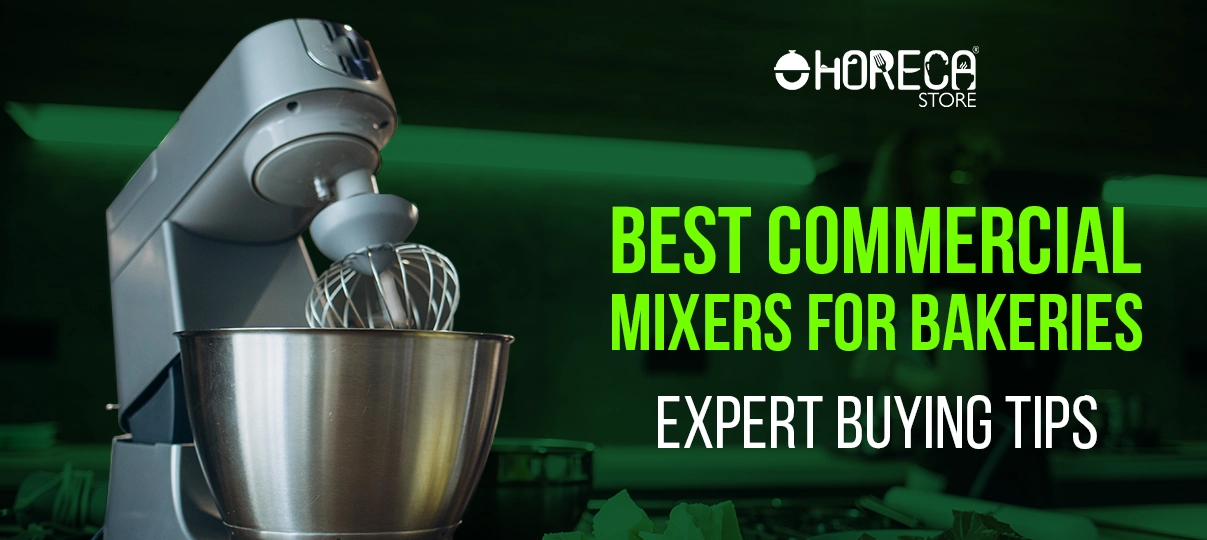

Table of Contents
Choosing the right commercial mixer is crucial for any bakery. It impacts efficiency and product quality.
With so many options available, making the right choice can be daunting.
Commercial mixers come in various types and sizes. Each type serves a specific purpose in bakery operations.
Understanding these differences is key to selecting the best mixer for your needs.
Industry experts emphasize the importance of considering factors like capacity and durability.
A large capacity mixer is essential for high-volume bakeries. It ensures consistent results with every batch.
Heavy-duty baking mixers are designed to withstand continuous use. They are vital for busy bakery environments.
Consulting with bakery equipment suppliers can provide valuable insights. They can guide you to the best options available.
This guide will help you navigate the selection process. It offers expert tips to ensure you choose the best commercial mixer for your bakery.
Understanding Commercial Mixers
Commercial mixers are the backbone of many bakeries. They handle large volumes efficiently, saving time and labor.
These machines come in various designs, each catering to different culinary needs.
Three main types of mixers are widely used in bakeries: planetary, spiral, and vertical cutter mixers.
- Planetary Mixers: Ideal for a variety of tasks, from mixing batter to whipping cream.
- Spiral Mixers: Best for dough, with a gentle kneading action.
- Vertical Cutter Mixers: Suitable for high-speed mixing and chopping.
Each type has its strengths, making it essential to match the mixer type to your bakery's specific operations. Planetary mixers are versatile, but spiral mixers excel at dough. Conversely, vertical cutters offer precision for pastries.
Definition of a Commercial Food Mixer
A commercial food mixer is a robust machine. It is built to mix large quantities of ingredients.
These mixers feature different attachments to enhance their functionality. Common attachments include dough hooks, beaters, and whisks.
Understanding the capabilities of these attachments is crucial for maximizing the mixer's utility.
- Dough Hooks: Perfect for kneading heavy doughs like bread.
- Beatters: Best for batters and lighter mixtures.
- Whisks: Excellent for aeration and creating foams.
Each attachment serves a unique purpose, contributing to the mixer's versatility in the kitchen.
Importance in Bakery Operations
Commercial mixers significantly improve production efficiency in bakeries. They reduce the time needed for manual mixing.
Consistency is another critical advantage. These mixers produce uniform results. This consistency ensures high-quality products with every batch.
Investing in a quality mixer can transform your bakery operations.
- Efficiency Gains: Faster mixing processes.
- Consistency: Uniform product quality.
- Versatility: Ability to handle various tasks.
Such improvements are vital in maintaining competitiveness in the bakery market. Quality equipment leads to better productivity and profitability.
Types of Commercial Mixers
Choosing the right type of commercial mixer is crucial. Various mixers meet different bakery demands and produce unique results.
Planetary mixers are a staple in many bakeries. Known for their versatility, they handle a range of tasks, from dough to light mixtures.
Spiral mixers focus on dough mixing. They provide gentle kneading, which enhances gluten development. This is ideal for bread making and heavy doughs.
Vertical cutter mixers offer high-speed mixing. They're well-suited for processing large quantities rapidly and evenly. This makes them perfect for pastry kitchens.
Here’s a quick look at the types:
- Planetary Mixers: Versatile, suitable for diverse tasks.
- Spiral Mixers: Optimal for dough, gentle kneading.
- Vertical Cutter Mixers: High-speed, ideal for pastries.
Each mixer type brings specific benefits. Your choice should reflect your bakery's specific operations and products.
Industrial Dough Mixer
Industrial dough mixers handle large-scale production. They are perfect for bakeries with high output demands.
These mixers are designed for rigorous use. They handle dense, thick doughs that require significant power.
Key benefits include:
- High Capacity: Can handle large dough batches.
- Durability: Built for continuous, demanding use.
- Powerful Motor: Efficiently manages heavy doughs.
Investing in an industrial dough mixer means more productivity. It ensures your bakery keeps up with demand while maintaining quality.
Heavy-Duty Baking Mixer
Heavy-duty baking mixers are essential for busy bakeries. They are built to withstand continuous usage.
These mixers excel in power and performance. They efficiently handle a variety of mixing tasks from dough to batters.
Some notable features are:
- Robust Construction: Ensures long-term use.
- Versatile: Suitable for diverse baking needs.
- Consistent Performance: Delivers reliable results.
These mixers are a reliable choice for bakeries that operate at full throttle. They help maintain consistent outputs, crucial for growth.
Large Capacity Mixer
Large capacity mixers are indispensable in high-volume environments. They cater to bakeries with significant production needs.
Such mixers accommodate substantial ingredient loads. They’re designed for efficiency without sacrificing quality.
Advantages include:
- Large Bowls: Accommodate big batches.
- Efficient: Speeds up production.
- Consistent Quality: Maintains uniform product standards.
These mixers make high-volume baking manageable. They enhance productivity while ensuring each batch meets your quality standards.
Key Features to Look for
Selecting the right commercial mixer involves more than just choosing the type. It's essential to consider specific features that impact performance and efficiency.
Motor power is a crucial factor. It dictates the mixer's ability to handle heavy and dense doughs. A powerful motor translates to consistent and efficient mixing.
Bowl capacity determines how much you can mix at one time. Larger bowls suit high-volume needs, while smaller bowls are ideal for specialized tasks.
Attachments add versatility. Mixers with multiple accessories can handle a wider variety of baking tasks, from kneading dough to whipping creams.
Here are a few key features to prioritize:
- Durability: Quality materials ensure long-lasting use.
- User-Friendly Controls: Simplify the mixing process.
- Energy Efficiency: Saves on operational costs.
Each feature plays a pivotal role. Understanding your bakery's workflow can guide you to the most suitable mixer.
Motor Power and Performance
The motor's power directly affects a mixer’s performance. Higher wattage implies robust operation, essential for dense mixes.
A strong motor ensures the mixer can run continuously. This is vital in a busy bakery where stopping for a break isn't an option.
Consider the following aspects:
- Wattage: Higher power handles heavy ingredients.
- Speed Settings: More options offer versatility.
- Heat Management: Prevents overheating during prolonged use.
Investing in high motor power ensures your mixer maintains efficiency. It handles all mixing tasks without compromising quality.
Bowl Capacity and Types
The bowl capacity determines how much you can mix in one go. This is critical for bakeries that manage large batches.
Consider the bowl size and its compatibility with your production needs. It's also useful to have various bowl types for different mixtures.
Essential considerations include:
- Capacity: Aligns with production volume.
- Material: Durable materials resist wear.
- Design: Easy access and cleaning features.
Bowl capacity impacts overall productivity. Matching bowl size with your daily production can streamline operations and save time.
Attachments and Accessories
Attachments extend a mixer's functionality. They allow the mixer's use beyond basic mixing tasks, adapting to various bakery processes.
Having the right attachments can significantly enhance your baking repertoire. From dough hooks to whisks, each serves a specific role.
Important factors include:
- Versatility: Supports multiple tasks.
- Build Quality: Ensures longevity and performance.
- Ease of Attachment: Streamlines workflow efficiency.
Investing in versatile attachments maximizes your mixer's potential. It empowers your bakery to expand its product offerings without needing additional equipment.
Recommended Brands and Models
Choosing a commercial mixer involves looking at trusted brands. Renowned brands stand out for their quality and reliability. They offer models that cater to diverse baking needs and ensure excellent performance.
Some brands are well-known in the industry for their durability and innovation. It's beneficial to explore options from these manufacturers to find the best fit for your bakery.
In the market, consider these well-regarded names:
- Hobart: Known for robust, high-capacity mixers.
- KitchenAid: Offers versatile mixers for varied tasks.
- Varimixer: Renowned for heavy-duty, durable models.
These brands have proven their capability over time. They provide mixers with features that match both small and large-scale operations, ensuring consistent results with every batch.
As you compare different models, evaluate them based on your bakery's specific requirements. Each brand may offer unique benefits such as advanced technology or ergonomic designs. Making an informed decision can lead to enhanced efficiency and productivity in your bakery.
Top Bakery Equipment Suppliers
Finding the right supplier is as important as choosing the mixer itself. Suppliers who specialize in bakery equipment can offer valuable insights.
Leading suppliers often provide a wide range of options from different brands. They help in selecting the right model that aligns with your production needs.
When seeking out suppliers, consider the following:
- Reputation: Trusted suppliers are known for quality service.
- Product Range: Offers extensive choices for varied needs.
- Support Services: Includes after-sales and maintenance support.
Engaging with reliable suppliers ensures you receive quality equipment. Understanding your product needs partnership with suppliers can enhance your bakery's operations, ensuring you choose equipment that aligns with long-term goals.
Best Professional Mixers for Baking
A bakery’s success often hinges on its equipment. Professional mixers are integral to achieving consistent, high-quality products.
These mixers cater to high-demand environments by offering durability and versatile features. The best professional mixers are designed for precision and ease of use.
Key mixers to consider include:
- Hobart HL200: Known for outstanding reliability and performance.
- KitchenAid Commercial: Offers adaptability with diverse attachments.
- Varimixer V20: Provides strength for demanding mixing needs.
These professional mixers support a variety of tasks, from dough preparation to whipping. Opting for well-reviewed models ensures consistent results and efficient operations.
Investing in a professional mixer can significantly elevate your bakery's performance. It ensures that your team can maintain high standards, batch after batch, without unnecessary interruptions or issues.
Expert Tips for Selection
Choosing the right commercial mixer requires careful planning. Experts stress the importance of understanding your bakery's unique needs. With many options available, it's crucial to focus on factors that impact your specific operations.
Firstly, consider the range of products you produce. Different mixers excel at different tasks. Assess whether you need versatility or specialized functionalities.
Create a checklist of essential features before shopping. This may include mixer type, capacity, and power. Making a detailed list helps streamline the selection process.
Don't underestimate the value of peer reviews. Feedback from other bakery owners can offer practical insights. Real-world experiences provide a clearer picture of mixer performance.
Also, consider future scalability. Opt for a mixer that can grow with your business demands. Expanding your capacity over time can be a cost-effective strategy.
Assessing Your Bakery's Needs
Understanding your bakery's requirements is vital in choosing the best mixer. Different bakeries have distinct production goals and volumes. Evaluating these needs ensures you choose a mixer that truly aligns with your operations.
Begin with assessing your daily production volume. List out the following for clarity:
- Product Types: What items do you bake the most?
- Volume: How much dough or batter is mixed daily?
- Specialty Needs: Do you require a mixer for specific tasks?
Consider the space available in your bakery as well. A large mixer needs more room, which can influence your selection. Understanding these factors will guide you in picking the perfect commercial mixer for your establishment.
Budget Considerations
Budget plays a crucial role in the mixer selection process. Balancing cost with quality ensures you get value for your investment. It's important to weigh initial expenses against long-term benefits.
Begin by setting a clear budget range. A structured approach helps narrow down choices without overspending. Consider including the following cost-related factors:
- Initial Cost: How much can you afford upfront?
- Operating Costs: What are the ongoing energy and maintenance expenses?
- Potential Savings: Will the mixer reduce labor costs?
Opting for a slightly higher quality mixer could lead to savings in the long run. It provides reliability and minimizes downtime, impacting overall productivity positively. Strategic budget planning can ensure your financial decisions align with growth goals.
Maintenance and Longevity
Ensuring the longevity of your mixer is essential for seamless operations. Proper maintenance extends the life of the equipment, boosting reliability. A long-lasting mixer is often a result of regular care.
Invest in equipment that supports easy maintenance. Consider models that offer simple cleaning and part replacements. Key considerations include:
- Ease of Cleaning: Can the parts be cleaned easily?
- Durability: Is the mixer built with durable materials?
- Support Services: Are there reliable after-sales services available?
Routine checks and timely services prevent unexpected breakdowns. Investing time in maintenance saves on repair costs and ensures the mixer operates at peak performance. This upkeep guarantees that your bakery runs smoothly, reducing potential downtime.
Conclusion
Choosing the best commercial mixers for bakeries requires thoughtful evaluation. Understanding your bakery's specific needs is the first step in ensuring efficiency and quality. By prioritizing essential features, such as capacity, power, and versatility, bakery owners can make informed decisions.
Budget considerations play a vital role in the decision-making process. Balancing initial investment with potential savings and productivity gains is crucial. Investing in quality equipment can provide long-term benefits, enhancing both output and reliability.
Ultimately, selecting the right mixer not only optimizes operations but also improves product consistency. Engaging with reputable brands and seeking advice from bakery equipment suppliers can further refine your choice. With the right mixer, bakeries can elevate their production capabilities, ensuring success in a competitive market.

About Mike Anderson
Commercial Refrigeration & HORECA Industry Expert
The author is a seasoned specialist in commercial refrigeration systems, sharing practical insights to help hospitality businesses select the right equipment for efficiency, food safety, and long-term cost savings. With over 15 years of industry experience, he stays updated on global trends in energy-efficient and sustainable cooling solutions.
Comments
0 comments
Login to Comment
Join the conversation! Please log in to share your thoughts.
No comments yet
Be the first to share your thoughts!