

How much does it cost to open a pizza shop? Industry data reveals a surprisingly wide range, from as little as $25,000 for a small takeout counter to over $500,000 for a large, sit-down restaurant with a full bar. That massive gap isn't a mistake; it simply proves there’s no single magic number.
Where you land on that scale depends entirely on your vision. The initial investment for a small restaurant serving slices from a kiosk is worlds apart from a family pizzeria with 20 tables. Your choices about location, size, and style are what ultimately determine the final price tag.
That intimidating number breaks down into two categories. First are your One-Time Startup Costs—everything you pay for before opening your doors, from the commercial oven to your business license. Second are your Ongoing Monthly Costs, the recurring expenses like rent, payroll, and ingredients required to stay in business.
This guide explores the average pizzeria startup costs, covering big-ticket equipment, crucial details, and the hidden fees for permits and insurance that most first-timers forget. By the end, you’ll have a clear map for the financial journey ahead.
Your Biggest One-Time Cost: Securing and Building Out Your Location
Once you find the perfect spot, your first big check will likely be for the commercial lease deposit. Think of it like the security deposit for an apartment, but instead of one month's rent, landlords often require two or three. For a space renting at $4,000 a month, that’s an $8,000 to $12,000 upfront cost before you even get the keys.
But signing the lease is just the beginning. An empty storefront isn't a kitchen, and the work to transform it can be extensive. This process is called making leasehold improvements, and it includes everything from installing the right plumbing and high-voltage electrical outlets to building countertops and painting the walls.
Within those improvements, a couple of non-negotiable items can shock new owners. Health and fire codes require a commercial ventilation hood over your ovens to manage heat and smoke, a system that can easily cost over $15,000. You'll also need a grease trap, a special plumbing device that keeps fats and oils out of the sewer system, which can add another several thousand dollars.
All this work to prepare the space—the "build-out"—is often the single largest expense in your startup budget. Once this foundation is set, however, you can finally start filling it with the heart of the shop: your pizza oven and kitchen equipment.
The Heart of the Shop: Budgeting for Your Pizza Oven and Kitchen Equipment
With your space ready, it's time to furnish the kitchen. The undisputed star of the show will be your oven, and this single purchase will significantly impact both your budget and your pizza’s character. Are you aiming for artisan-style pies? A deck oven gives you that classic, crisp-bottomed crust. Planning for high-volume delivery? A conveyor oven automates baking, ensuring perfect consistency during a rush. How much does a commercial pizza oven cost? Expect a major investment either way.
Beyond the oven, two other workhorses will demand a significant part of your budget. First is the commercial dough mixer. Unlike a home stand mixer, these floor models are powerful enough to handle 50+ pounds of flour at once, turning it into enough dough for hundreds of pizzas a day. Then there’s refrigeration—not just a standard fridge, but likely a walk-in cooler to safely store mountains of cheese, sauce, and fresh toppings.
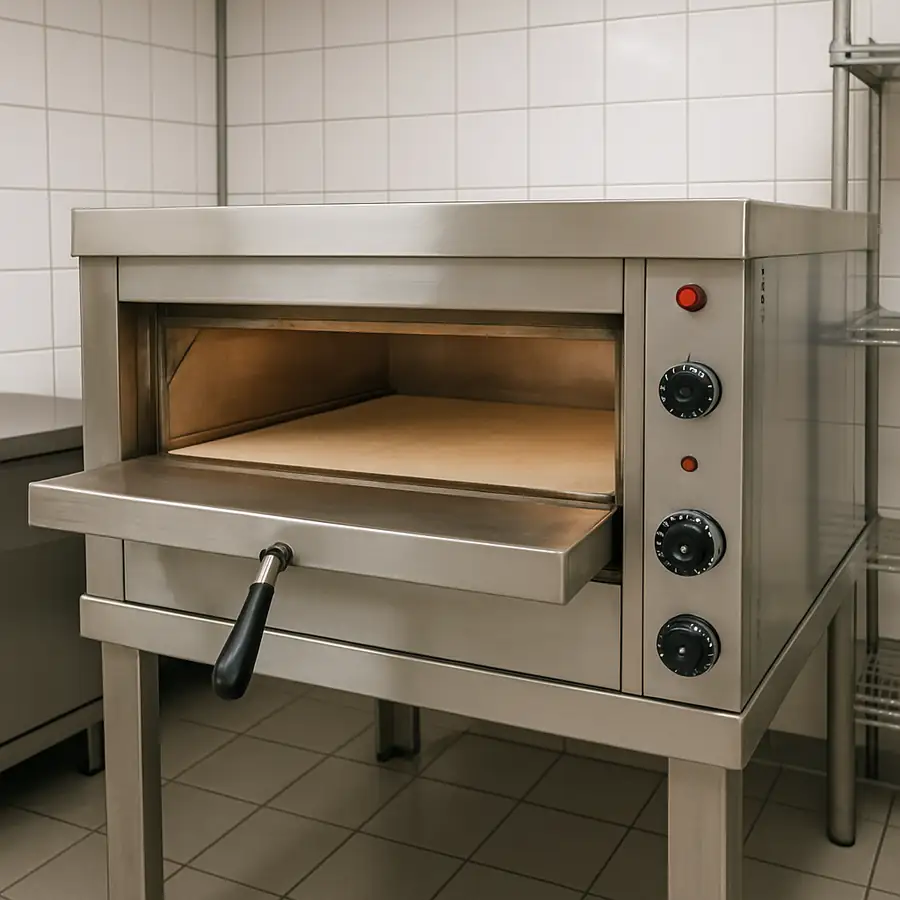
The sticker shock for new equipment is real, but here is where one of the best ways to reduce pizzeria opening costs comes into play: buying used. A basic pizzeria equipment price list highlights the dramatic savings:
- Deck Oven: New: ~$15,000+ | Used: ~$5,000
- 60-Quart Mixer: New: ~$10,000 | Used: ~$4,000
- Walk-In Cooler: New: ~$8,000 | Used: ~$3,500
Opting for reputable, refurbished equipment from restaurant supply stores can slash your initial bill by 50% or more. These big-ticket items form the backbone of your production, but they aren't your only startup costs. You must also budget for the "invisible" expenses, starting with the required paperwork.
The "Paperwork Tax": What Licenses and Permits Do You Really Need?
Before you can legally serve a single slice, you’ll need to budget for the less glamorous side of starting a business: paperwork. These fees are a mandatory part of your startup costs. Knowing what licenses are needed for a pizzeria prevents costly delays and fines down the road, so it’s critical to factor them into your initial pizza restaurant business plan financials.
First on your startup expenses checklist will be a Business License, which is simply your local city or county’s permission to operate, often costing a few hundred dollars. More importantly, you'll need a Health Department Permit. This involves an inspection to ensure your kitchen meets safety standards for food storage and handling. This permit can cost anywhere from $100 to $1,000, depending on your location.
Equally important is how you legally structure your business. Many new owners form a Limited Liability Company (LLC). Think of an LLC as a financial firewall between your business and your personal life. If the pizzeria were to face debt or a lawsuit, this structure helps protect your personal assets, like your car or home. Setting one up typically costs a few hundred dollars.
Tallying up these one-time fees for legal paperwork and permits can add another $500 to $2,000+ to your opening budget. Once these initial hurdles are cleared, your financial focus shifts from one-time purchases to the recurring expenses you’ll face every month.
Keeping the Lights On: Estimating Your Key Monthly Operating Costs
After you've checked off the one-time purchases from your pizzeria startup expenses checklist, your focus shifts to what it costs to stay open. These are your Monthly Operating Costs—the recurring bills like rent and electricity that you have to pay every month, even before you sell your first slice. Think of this as the baseline cost of simply keeping the lights on and the doors open.
Your monthly budget will have a few big-ticket items. The most obvious are your location's rent and the utilities needed to power your ovens and refrigerators. These are fixed costs you can count on every month, forming a significant part of your financial foundation.
However, the single largest expense that often surprises new owners is Payroll. How you manage the cost of your cooks, cashiers, and drivers is a huge factor in determining if opening a pizzeria is profitable. Labor can easily consume 25-35% of your total sales, making it a critical number in your pizza restaurant business plan financials.
Adding these expenses together gives you your Break-Even Point. This is the minimum amount of pizza you need to sell just to cover your costs for the month. Every dollar you make after hitting that target is pure profit. Of course, this calculation is missing one giant piece of the puzzle: the price of the ingredients themselves.
The Real Price of a Pie: A Simple Guide to Food Cost
Beyond rent and payroll, the cost of your ingredients—your flour, cheese, tomatoes, and pepperoni—is the final major piece of your ongoing expenses. In the restaurant world, this is called your Food Cost or Cost of Goods Sold (COGS). Unlike fixed expenses, this number changes directly with your success; the more pizzas you sell, the more you spend on ingredients.
Simply tracking ingredient expenses isn't enough, however. The most critical number for determining if opening a pizzeria is profitable is your Food Cost Percentage. This is the portion of a pizza's menu price that was spent on its ingredients. For a healthy and successful shop, this number should ideally fall between 20% and 28%. Go higher, and you might not make enough profit per sale.
Here’s a simple food cost calculation for pizza: If the ingredients for a large pie cost you $4.50 and you sell it for $18.00, your food cost percentage is 25% ($4.50 ÷ $18.00). Diligently managing this part of your pizza restaurant business plan financials is the key to ensuring every pizza you slide into a box is actually making you money.
The Financial Safety Net: Why You Need 3-6 Months of Cash on Day One
You’ve carefully added up your monthly costs for rent, staff, and ingredients. But here’s a critical question: What happens when those bills are due before your shop starts making a steady profit? Your doors might be open, but it takes time to build a customer base, and you can’t pay your landlord in pepperoni. This gap between spending money and making money is where many new businesses get into trouble.
The cash you have set aside to cover these initial expenses is called working capital. Think of it as the financial runway for your business—it gives you time to build speed before you need to take off. Running out of this cash is one of the top reasons new restaurants fail, often within their first year, regardless of how fantastic their pizza is. It’s the safety net that catches you while you’re finding your feet.
So, how much is enough? When financing a new pizza business, a solid rule of thumb is to build a contingency fund that can cover three to six months of your total operating expenses. Having this amount in the bank on day one ensures that a slow first month or an unexpected oven repair doesn’t sink your entire dream before it even gets a chance to flourish.
3 Smart Ways to Dramatically Reduce Your Opening Costs
Seeing those big startup numbers can be daunting, but don’t let them scare you off. Financing a new pizza business doesn't always mean starting from scratch with a massive loan. In fact, some of the smartest ways to reduce pizzeria opening costs involve strategic shortcuts that seasoned entrepreneurs use to get started for a fraction of the typical price.
Here are three powerful options to consider:
Buy Used Equipment. Your pizza oven, mixer, and refrigerators don't need to be brand new. You can often find high-quality, pre-owned gear for 50-70% off the sticker price at a restaurant auction. These events sell off everything from a previous business, providing a one-stop-shop for your biggest expenses.
Start with a Smaller Footprint. Instead of a full-service restaurant, consider a ghost kitchen—a delivery-only kitchen with no public dining room. This model eliminates the enormous costs of a prime location, furniture, and extensive front-of-house renovations, making it a popular low-cost ghost kitchen pizza startup investment.
Negotiate Your Lease. Even with a great location, your lease is a major expense. You can ask a potential landlord for rent abatement, which is a formal agreement for a few months of free rent at the start of your lease. The justification is simple: you won’t be earning any money while you’re spending thousands to build out the space, so it's a fair request that can save you a significant amount of cash right when you need it most.
Your Next Step: From Pizza Dream to Simple Pizza Budget
That huge, intimidating price tag for opening a pizzeria is no longer a mystery. You can now see through the number to the five key areas that drive it: securing the place, buying the gear, handling the paperwork, funding the monthly operations, and building a crucial safety net. You've traded a vague question for a clear map of potential pizzeria startup expenses.
Whether your final number is closer to $75,000 or over $400,000, your first move is the same. Open a simple spreadsheet or a notebook. Create two columns—'One-Time Costs' and 'Monthly Costs'—and start plugging in the estimates you've learned. This is the first, most important page of your pizza restaurant business plan financials.
This simple act transforms a wish into a project. Each number you write down isn't just a cost; it’s a choice that moves your idea from your head to the page. You're no longer just wondering what it takes; you're starting the real work of opening a pizzeria.
Buy Pizza Shop Equipment from The Horeca Store
The success of a pizza shop depends not only on your recipes but also on the quality of your commercial kitchen equipment. The Horeca Store offers a complete range of pizza shop equipment to help entrepreneurs build efficient, high-performing kitchens. From commercial pizza ovens, dough mixers, and pizza prep tables to refrigeration units, work tables, dough sheeters, storage solutions, and essential kitchen accessories, our products are designed to support smooth operations and consistent food quality in busy pizzerias.
Whether you're opening a small neighborhood pizza shop or launching a high-volume pizza restaurant, The Horeca Store has commercial equipment to match your space, menu, and budget. We supply durable, energy-efficient solutions from trusted brands that help improve productivity, maintain food safety, and reduce operating costs. Browse our collection today to find reliable pizza shop equipment that lays the foundation for a successful and profitable pizza business.