
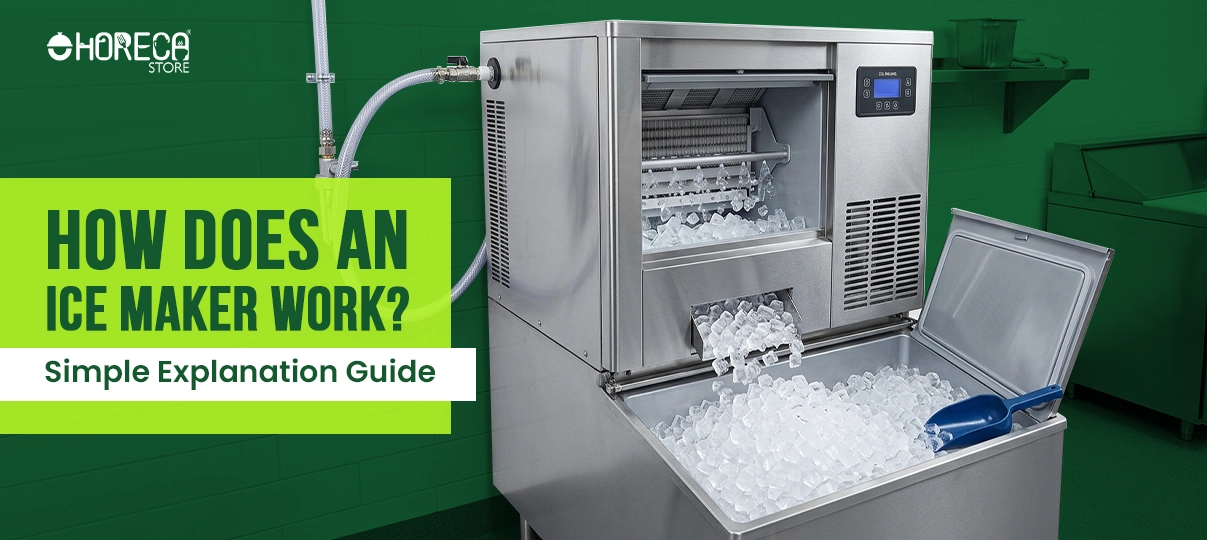
Ice makers are a modern convenience many of us take for granted. They provide a steady supply of ice with minimal effort. But have you ever wondered how they work?
Understanding the mechanics behind ice makers can be fascinating. These devices automate the ice-making process, saving time and effort. They come in various types, each with unique features.
From built-in refrigerator models to portable units, ice makers cater to different needs. Each type has its own installation and maintenance requirements. Knowing these can help you choose the right one.
Regular maintenance ensures your ice maker runs smoothly. It also prevents common issues like leaks or slow ice production. Troubleshooting can often resolve minor problems without professional help.
In this guide, we'll explore how ice makers work. We'll cover types, installation, maintenance, and troubleshooting tips.
Overview of Ice Makers
Ice makers have become an essential appliance in modern kitchens. They offer convenience and efficiency in ice production. By automating a once manual task, they save time and effort.
These devices are found in various styles and sizes. Each type serves a different purpose, from small countertop units to large industrial machines. Understanding the differences can help you choose the right model.
Ice makers typically contain several key components. These include a water supply line, an ice mold, a thermostat, and an ejector mechanism. Together, these parts work to produce ice efficiently.
For those considering a new ice maker, here are some features to keep in mind:
- Ice production speed
- Ice cube size and shape
- Ease of maintenance
- Energy efficiency
Definition of an Ice Maker
An ice maker is a device that automates the production of ice cubes. It is often part of a refrigerator but can also be a standalone unit. These machines take water and freeze it into ice cubes through a series of automated steps. They ensure you have a constant supply of ice without manual intervention. With a simple setup, they provide convenience and reliability in ice production.
Importance of Ice Makers
Ice makers play a crucial role in modern living. They offer convenience and aid in food preservation. Beyond cooling drinks, they help keep perishables fresh. Many households rely on them for everyday use. Consider these benefits when assessing their importance:
- Saves time and effort
- Provides consistent ice supply
- Enhances food safety
With these advantages, it's clear why ice makers are valued as kitchen staples. Their role extends beyond leisure, making them indispensable in daily life.
Types of Ice Makers
Ice makers come in a variety of styles to suit different needs. Whether you need a small portable unit or a robust industrial model, options abound. Here are a few common types of ice makers:
- Countertop ice makers
- Portable ice makers
- Built-in refrigerator ice makers
- Industrial ice makers
Understanding each type helps in selecting the most suitable one for your space and needs.
Countertop Ice Makers
Countertop ice makers are compact and user-friendly. They are ideal for small kitchens and offices where space is limited. These units do not require plumbing, making them highly portable and easy to set up.
A few benefits of countertop ice makers include:
- Quick ice production
- No permanent installation needed
- Easy to clean and maintain
These ice makers usually hold a water reservoir, which users manually fill. In minutes, they produce ice, ready for chilling drinks or keeping items cool.
Portable Ice Makers
Portable ice makers offer flexibility and convenience. They are perfect for picnics, RV trips, or small gatherings. These units are lightweight and easy to transport, making them versatile.
Advantages of portable ice makers include:
- Quick and easy setup
- No need for a fixed water line
- Fast ice production
They work by drawing water from an internal reservoir and freezing it into ice. Within a short time, you can enjoy fresh ice cubes wherever needed.
Built-in Refrigerator Ice Makers
Built-in refrigerator ice makers are common in modern kitchens. They integrate into your fridge, offering a seamless ice-making solution. Such models are convenient, producing ice automatically without manual intervention.
Key features include:
- Automatic ice production
- No additional space required
- Often include a water filter for cleaner ice
These units utilize the freezer's cooling system and are usually connected to the household water supply. They provide a steady and reliable ice supply directly from the fridge.
Industrial Ice Makers
Industrial ice makers are designed for large-scale ice production. These machines are used in settings like restaurants, hotels, and hospitals. They produce a significant quantity of ice quickly, meeting high-demand requirements.
Features of industrial ice makers include:
- High ice production capacity
- Robust construction for durability
- Can produce various ice types, such as cubes or flakes
These powerful units are essential for businesses needing a constant ice supply. They ensure efficiency and reliability in demanding environments, making them indispensable for commercial use.
The Ice-Making Process
Ice makers streamline the ice-making process through a series of efficient steps. Key stages include:
- Water supply and filling
- Refrigeration cycle
- Ice formation and harvesting
Understanding these steps helps in optimizing ice maker usage and troubleshooting any issues that arise.
Water Supply and Filling
The process begins with water intake. Most ice makers connect directly to a water supply, while portable models require manual filling of a reservoir. Ensuring a clean and steady water source is crucial for producing high-quality ice.
Steps involved in this stage include:
- Connecting to a water line or filling the reservoir
- Monitoring water levels for continuous operation
- Checking for any leaks or blockages
By maintaining a consistent water supply, the machine can operate efficiently, laying the foundation for the subsequent ice-making stages.
Refrigeration Cycle
Once water is in place, the refrigeration cycle begins. This cycle involves cooling the water to form ice, using elements similar to those in a standard freezer. The process is efficient, typically utilizing the appliance's built-in compressor and evaporator.
Steps in this phase include:
- Initiating the cooling mechanism
- Monitoring the temperature to ensure proper freezing
Ice Formation and Harvesting
Finally, ice formation occurs, followed by harvesting the ice cubes. Once the water freezes, an ejector mechanism or heat element assists in releasing the cubes from the mold into a storage bin. This phase is quick, ensuring a constant supply of ice.
Essential steps include:
- Freezing the water into solid cubes
- Activating the release mechanism
- Collecting ice in the designated compartment
This efficient harvesting process ensures that fresh ice is always available, ready to meet any demand.
Installation and Maintenance
Proper installation and maintenance are crucial for ice maker efficiency and longevity. A well-installed unit operates smoothly, while regular maintenance prevents issues.
Key points to consider include:
- Professional installation for built-in units
- Regular checks for water supply lines
- Consistent cleaning and part replacements
These practices ensure your ice maker provides reliable service over its lifetime.
Ice Maker Installation Guide
Installing an ice maker can be straightforward, especially for countertop and portable models. However, built-in units might require professional help due to plumbing connections. Begin by selecting a suitable location with proximity to a water source and electrical outlet.
Steps to consider:
- Ensure the unit is level to avoid leaks.
- Connect to a power source properly.
- For built-in units, hire a plumber for water connections.
A correct installation reduces the risk of operational issues and ensures optimal performance.
Regular Ice Maker Maintenance
Routine maintenance prolongs your appliance's lifespan and keeps it operating efficiently. Regular checks help avoid common problems, such as blockages or mechanical failures.
Important maintenance tasks include:
- Inspecting water filters and replacing them as needed.
- Checking all connections for leaks.
- Ensuring the ejector mechanism functions smoothly.
Consistent care and attention prevent costly repairs and keep your ice maker in top condition.
Ice Maker Cleaning Tips
Cleaning is vital for hygienic ice production and appliance efficiency. Regular cleaning prevents mold, bacteria, and mineral buildup. Begin by unplugging the unit and removing any ice or water from the bin.
Steps for effective cleaning:
- Use a vinegar solution or a commercial cleaner.
- Clean all surfaces and the water reservoir.
- Rinse thoroughly before reuse.
These cleaning tips ensure safe, clean ice and maintain the appliance's integrity.
Troubleshooting Common Issues
Ice makers can experience issues that affect performance. Understanding common problems can aid in efficient troubleshooting.
Typical issues include:
- Ice maker not producing ice
- Water leaks
- Odd noises during operation
Addressing these concerns promptly helps maintain the ice maker's reliability and extends its lifespan.
Ice Maker Not Producing Ice
When an ice maker fails to produce ice, several factors may be at play. Often, the cause is as simple as the unit being accidentally turned off or a blocked water supply line.
Steps for resolving this issue:
- Ensure the machine is plugged in and switched on.
- Check the water line for kinks or obstructions.
- Inspect the freezer temperature setting to ensure it's cold enough.
These steps can quickly identify the problem and restore ice production without professional help.
Ice Maker Leaking Water
Water leaks in an ice maker can lead to puddles and potential damage. Identifying the source of the leak is vital for quick resolution. Common causes include loose connections and damaged hoses.
To address water leaks:
- Inspect all water line connections for tightness.
- Examine hoses for cracks or tears.
- Verify that the ice maker is level to prevent overflow.
By following these steps, you can resolve leaks efficiently and prevent further issues.
Ice Maker Making Odd Noises
Unusual noises from an ice maker can indicate mechanical or operational issues. These sounds range from humming to grinding, and each signals a different problem. Addressing these noises promptly avoids escalation.
Solutions for different noises:
- Check if the ice maker is level, as uneven placement causes vibrations.
- Remove ice blockages in the dispenser or chute.
- Ensure the unit isn’t overloaded with ice, which can stress the motor.
Prompt action and understanding of these issues keep your ice maker functioning smoothly.
Choose the Right Ice Maker from The Horeca Store
The Horeca Store offers a wide range of commercial ice makers and restaurant equipment designed to support the needs of professional kitchens. Whether you operate a restaurant, café, hotel, bar, catering business, or foodservice operation, we provide reliable ice-making solutions that deliver consistent performance and efficiency.
Along with commercial ice makers, The Horeca Store provides a complete range of restaurant supplies, including refrigeration equipment, cooking appliances, food preparation tools, stainless steel equipment, storage solutions, and kitchen essentials. With quality products, competitive pricing, and dependable service, The Horeca Store helps businesses build efficient and well-equipped commercial kitchens.