
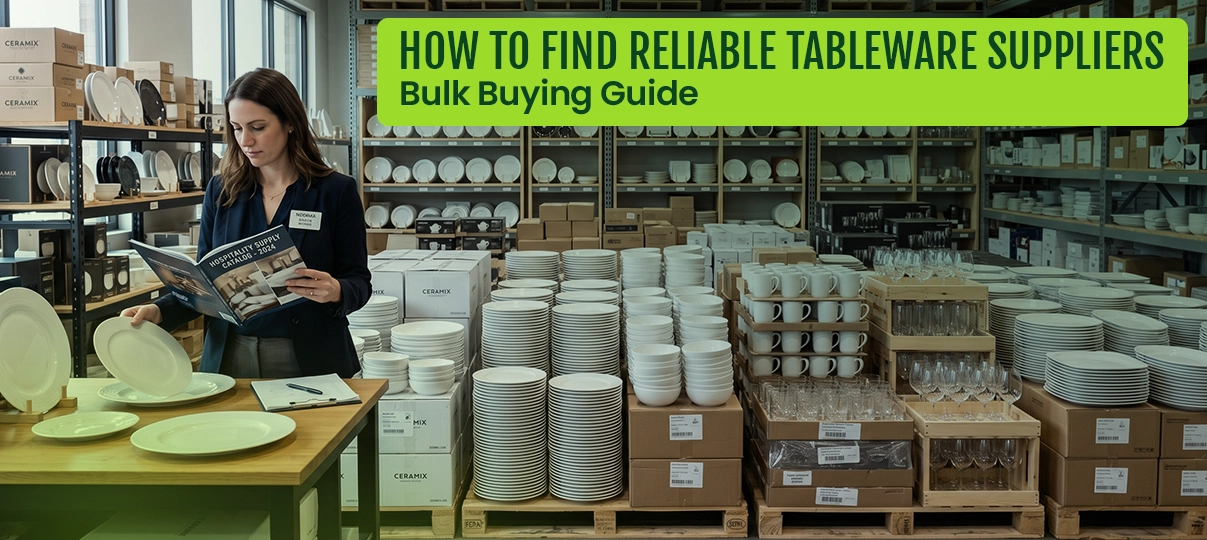
You’ve likely noticed that plates in your favorite cafe feel heavier than those in a typical department store, but here is the real secret: the cafe probably paid significantly less. According to standard industry pricing, a basic porcelain dinner plate costs $10 at retail, whereas wholesale sourcing drops that price to around $4. The difference lies entirely in where professionals shop.
Saving money is only half the equation. Imagine breaking a dozen dishes six months after your grand opening, only to discover your vendor discontinued that line, leaving you with the nightmare of a mismatched set. Professional procurement continuity means finding a source that stocks your exact item for years. Looking beyond the initial aesthetic guarantees your dining room stays consistent without forcing you to buy everything over again.
Many aspiring business owners worry they lack the insider knowledge to access these deals. In practice, navigating restaurant supply chains is much simpler than it appears from the outside. You do not need decades of hospitality experience to shop like a pro; you just need a strategy to properly vet your vendors before handing over your credit card.
Securing dependable partners requires a clear strategy to vet suppliers, ultimately protecting your budget and brand for the long haul.
The Industrial Durability Secret: Why Bone China and Porcelain Outperform Home Plates
Commercial plates survive thousands of trips through harsh, high-heat restaurant dishwashers without losing their shine. The secret lies in commercial-grade firing. Professional manufacturers bake their ceramics at much higher temperatures than consumer brands. This intense heat permanently seals the material, preventing "crazing"—those tiny, spiderweb-like cracks under the glaze that harbor bacteria and ruin a plate’s appearance after heavy use.
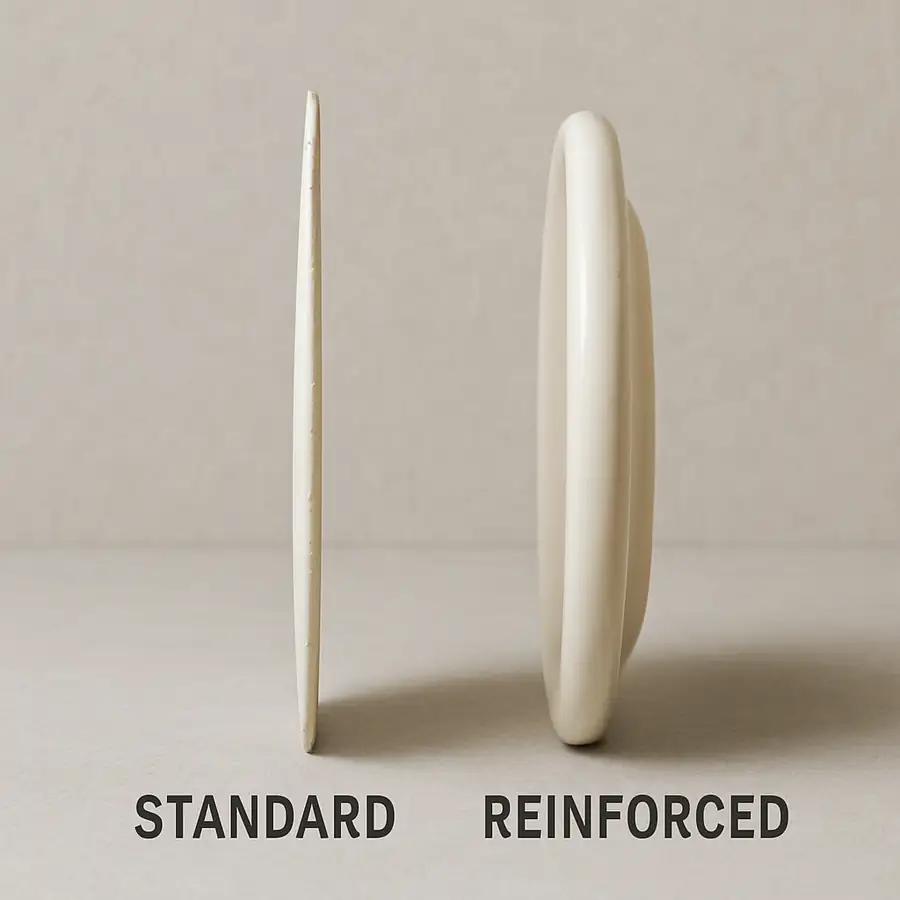
Beyond the kiln, a plate's physical shape dictates its lifespan. When evaluating tableware, run your thumb along the outer rim. You are looking for a "rolled edge," a slightly thickened, rounded lip. This subtle reinforcement acts like a bumper, absorbing the shock when staff stack dishes quickly and drastically reducing the chance of chipping.
Selecting the correct base material is just as critical for building chip-resistant commercial grade tableware sets. Consider how these three common options perform under pressure:
- Porcelain: The industry workhorse. It is heavy, completely non-porous, and perfect for the daily grind of a busy neighborhood cafe.
- Bone China: Thinner and slightly translucent, yet surprisingly durable. When comparing bone china vs porcelain for high-volume restaurants, bone china wins for elegant aesthetics but comes with a higher price tag.
- Stoneware: Beautifully rustic but prone to chipping. It is better suited for low-volume specialty items rather than everyday dinner service.
Armed with an understanding of rolled edges and commercial firing, you can easily spot the difference between a fragile retail dish and a professional asset.
Wholesaler Matchmaking: Navigating Local Stores, Online Warehouses, and Trade Shows
Many people assume that buying from professional restaurant tableware suppliers requires a secret industry license or a massive corporate account. In reality, while some elite distributors do ask for a business Tax ID to waive sales tax and unlock deeper discounts, plenty of suppliers are happily open to the general public. The key to successful procurement is knowing which avenue provides the right balance of price, convenience, and long-term reliability for your project.
When deciding between local restaurant supply stores vs online wholesalers, you are essentially trading immediate physical access for a broader, cheaper inventory. Consider this breakdown of your options:
- Local Stores: Excellent for last-minute emergencies and physically feeling the weight of a plate, but they often mark up prices significantly to cover their showroom overhead.
- Online Warehouses: Partnering with bulk restaurant dinnerware wholesale distributors usually offers the best per-unit pricing and a massive selection, though you must factor in shipping costs and delivery wait times.
To truly see what the industry has to offer before committing, checking a restaurant supply trade shows schedule is a brilliant strategy. These massive exhibitions allow you to touch products directly, compare durability, and identify "Open Stock" collections. Open stock simply means the manufacturer guarantees they will continue selling individual replacement pieces for years, ensuring you won't have to buy a whole new matching set just because a few plates inevitably break.
The 'No-Risk' Vetting Protocol: Using Samples and References to Avoid Bad Suppliers
Imagine your grand opening is days away, and your supplier suddenly announces the plates are backordered. Knowing how to vet commercial kitchen equipment suppliers before signing a check prevents this costly nightmare. The first test is simply observing their response times. Reliable vendors reply to basic inquiries within twenty-four hours; if they are sluggish when trying to earn your business, they will be completely unreachable when unexpected problems arise.
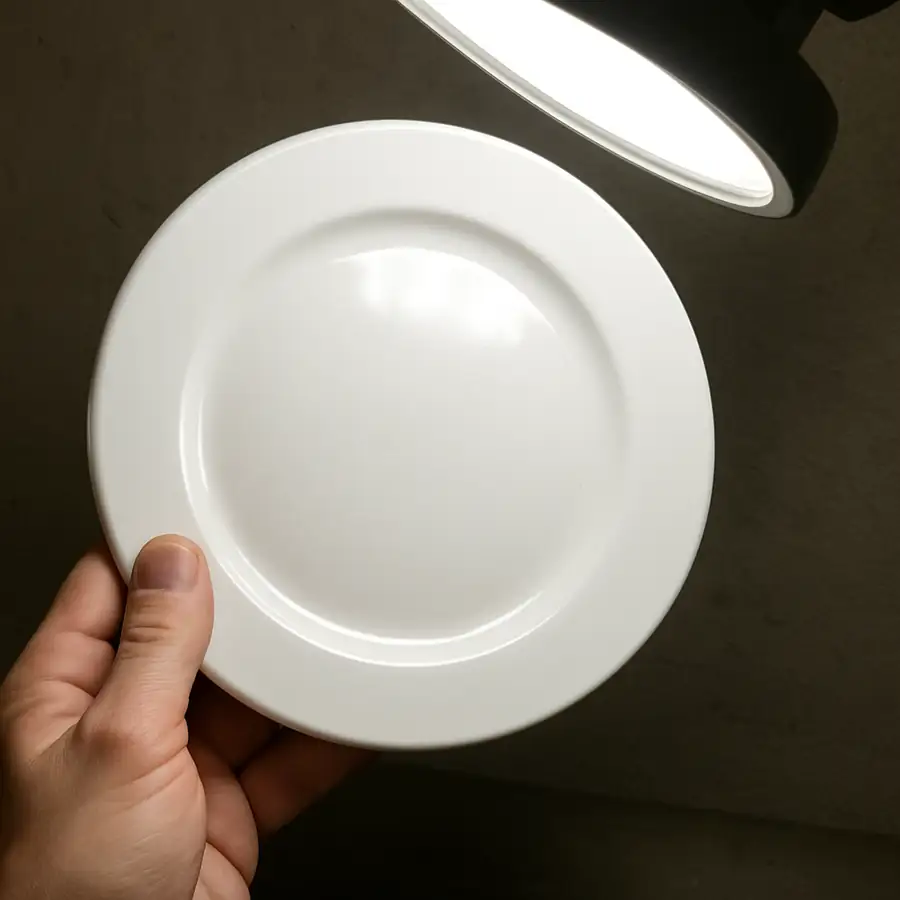
Ordering a physical prototype is your next line of defense against poor quality. Particularly when requesting samples from international dinnerware manufacturers, you must physically hold the product to evaluate its weight and finish. Run this single test piece through a harsh commercial dishwasher repeatedly and tap it lightly against a counter to ensure the edges resist chipping.
Beyond physical durability, you must establish a digital paper trail of the company's professional reliability. You might wonder what to check in a supplier credit reference—the answer is fulfillment consistency. Ask the vendor for contacts at other businesses they serve, then ask those references if the supplier routinely ships orders complete and honors their refund policies for transit breakages.
Once a supplier passes this simple vetting protocol, you can confidently move forward with a larger financial commitment.
Cracking the Logistics Code: Managing MOQs, Lead Times, and Inventory Efficiency
Moving from vetting a reliable supplier to officially purchasing requires navigating new logistics. The first hurdle is MOQ, or Minimum Order Quantity. Wholesale suppliers require MOQs to offer bulk discounts, meaning you might need to buy 200 items instead of 20. If a manufacturer's requirement is too high for your space, ask about purchasing "mixed cases" to meet the minimum—a standard workaround used in high-volume hospitality tabletop procurement strategies.
Timing your purchase correctly is just as crucial. "Lead time" refers to the waiting period from the moment you pay until the boxes actually arrive. Standard in-stock orders take weeks, whereas lead times for custom branded restaurant plates can stretch to months. Always align delivery dates with your project deadlines, proactively adding a two-week buffer for unexpected shipping delays.
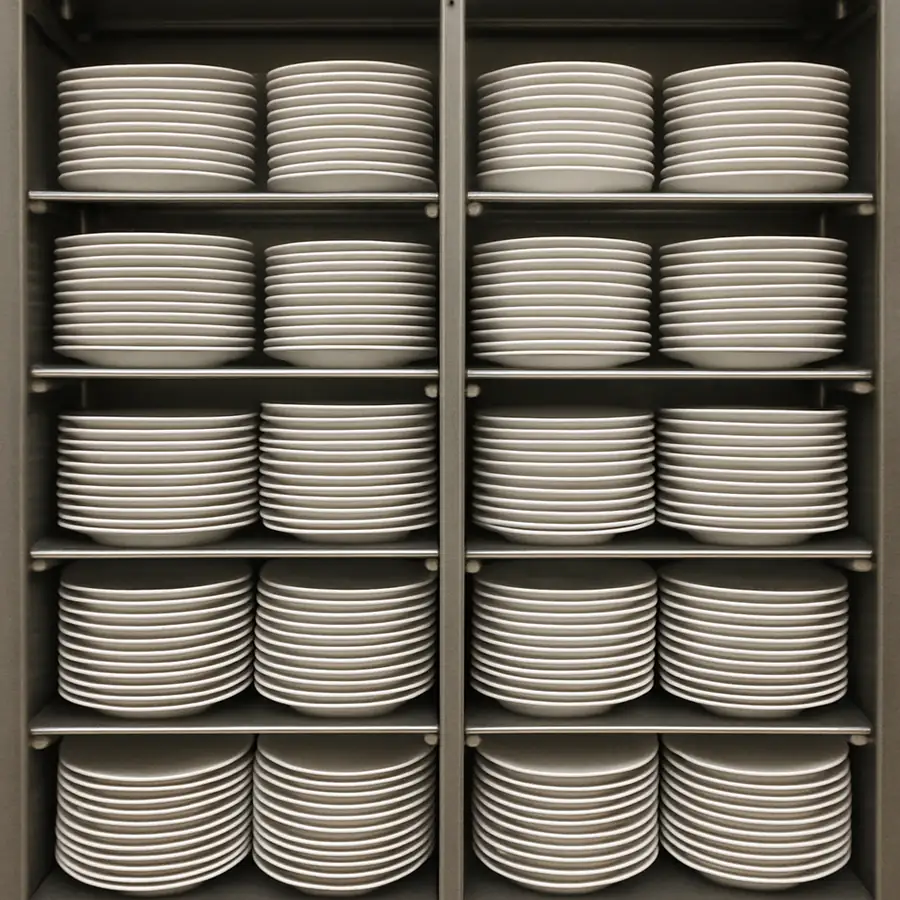
Figuring out where to put everything once it arrives is the next step. Maximizing stackability and storage efficiency for banquet halls or small cafes prevents cluttered, unsafe kitchens. Ask your supplier for the exact "stacking height" of twenty nested plates to ensure they fit perfectly on your physical shelves without dangerously tipping over.
Before finalizing any bulk transaction, review this Pre-Order Checklist:
- Confirm exact lead times in writing.
- Verify the MOQ aligns with your budget.
- Check stacking height dimensions against your shelving capacity.
Once your order fits your timeline and space, you must ensure it gets delivered safely.
Hidden Cost Shield: Cutting Shipping Fees and Managing Breakage Rates Like a Pro
You might assume ordering 200 dinner plates is like getting a giant parcel delivered to your door. But commercial tableware is heavy and fragile, making standard mail dangerously expensive. Smart buyers instead use LTL (Less Than Truckload) freight. This method secures your boxes onto a wooden pallet, significantly reducing shipping costs on bulk plate orders while keeping the porcelain completely intact during transit.
To stretch your budget further, consider these three methods for lowering your freight bill:
- Consolidate shipments: Order glasses, silverware, and plates simultaneously so they share one pallet space.
- Bundle for leverage: Combine necessary items when negotiating contract pricing with hospitality vendors to unlock lower flat-rate shipping tiers.
- Use commercial addresses: Freight carriers charge hefty extra fees for residential driveways, so route deliveries to a business location with a loading dock whenever possible.
Even with securely wrapped pallets, transit bumps happen, bringing us to a crucial safeguard: the breakage allowance. When managing breakage rates in large scale food service procurement, professionals never pay for shattered ceramics. Always ask vendors for a written breakage policy detailing how they replace transit-damaged items—a standard practice usually requiring a quick photo within 48 hours of delivery.
Securing these simple protections ensures you only pay for usable inventory without bleeding money on logistics. With foundational pieces safely secured, you can focus on customizing your tabletop presentation.
Branding and Sustainability: Procurement Strategies for Custom Plates and Eco-Friendly Gear
Creating a memorable dining experience often tempts new buyers into ordering custom branded restaurant plates featuring their logo. While seeing your name on porcelain feels incredibly professional, it is important to evaluate the actual return on investment. A plain white commercial-grade plate provides a beautiful, versatile canvas that highlights the food itself, whereas custom printing adds a significant premium per unit. For most startups or event organizers, those extra dollars are usually better spent on higher-quality ingredients or marketing efforts.
If you decide to pursue personalized tableware, be prepared for strict logistical realities. Customization typically requires high Minimum Order Quantities (MOQs)—often 300 pieces or more—to make the special kiln-firing process profitable for the manufacturer. Furthermore, adding artwork extends your lead time, easily turning a quick one-week delivery into a two-month waiting game. Always weigh the visual impact against these upfront costs and potential launch delays.
Similar budget considerations apply when sourcing single-use items, especially as consumer expectations shift toward sustainability. Choosing eco-friendly biodegradable catering supplies wholesale allows you to showcase environmental responsibility without abandoning bulk pricing discounts. However, the delicate balance between biodegradability and practical durability can be tricky. You want materials that decompose naturally in a landfill, but certainly not while a customer is actively using them to eat a hot meal.
To prevent the dreaded "soggy paper straw" effect, always request physical samples of compostable goods before committing to a massive order.
Your Tableware Success Plan: Putting Your Bulk Purchasing Strategy into Action
You no longer have to cross your fingers and hope retail store plates survive a busy dinner rush. Adopting a true procurement mindset means you are now equipped to secure commercial-grade quality at wholesale prices. To keep the process manageable, follow a 30-day plan: spend Week 1 defining your style and budget, and Week 2 browsing directories to shortlist three potential vendors.
Use Week 3 to order physical samples and test their durability in your own kitchen. Finally, dedicate Week 4 to verifying reviews, confirming Minimum Order Quantities (MOQs), and understanding shipping terms. This 4-week structured timeline streamlines the entire bulk purchasing process.
Before making that final commitment, run through The 'Final 5' checklist before hitting 'Buy':
- Have I physically held and tested a sample?
- Is the item explicitly labeled as commercial grade?
- Are the replacement terms for shipping breakage clearly in writing?
- Did the supplier respond quickly and clearly to my initial questions?
- Is this pattern "open stock" so I can easily reorder replacements next year?
Start by ordering just one sample today to experience the commercial difference firsthand. Applying these steps will help you graduate from a retail shopper into a smart sourcer, giving you the confidence to partner with wholesalers who truly support your long-term success.
Buy Bulk Restaurant Tableware from The Horeca Store
Finding a reliable supplier is essential when purchasing restaurant tableware in bulk, as quality, consistency, and timely delivery directly impact your business operations. The Horeca Store offers a wide selection of commercial tableware, including plates, bowls, glassware, cutlery, serving dishes, and other dining essentials designed for restaurants, hotels, cafés, catering companies, and hospitality businesses. Our products are selected to provide durability, professional presentation, and long-lasting performance for high-volume foodservice environments.
At The Horeca Store, we make bulk purchasing simple by providing access to quality tableware solutions at competitive prices. Whether you're opening a new restaurant, expanding your dining setup, or replacing existing inventory, our team can help you choose products that match your style, budget, and operational needs. With a trusted product range, dependable service, and expert support, The Horeca Store is your reliable partner for sourcing restaurant tableware in bulk with confidence.