
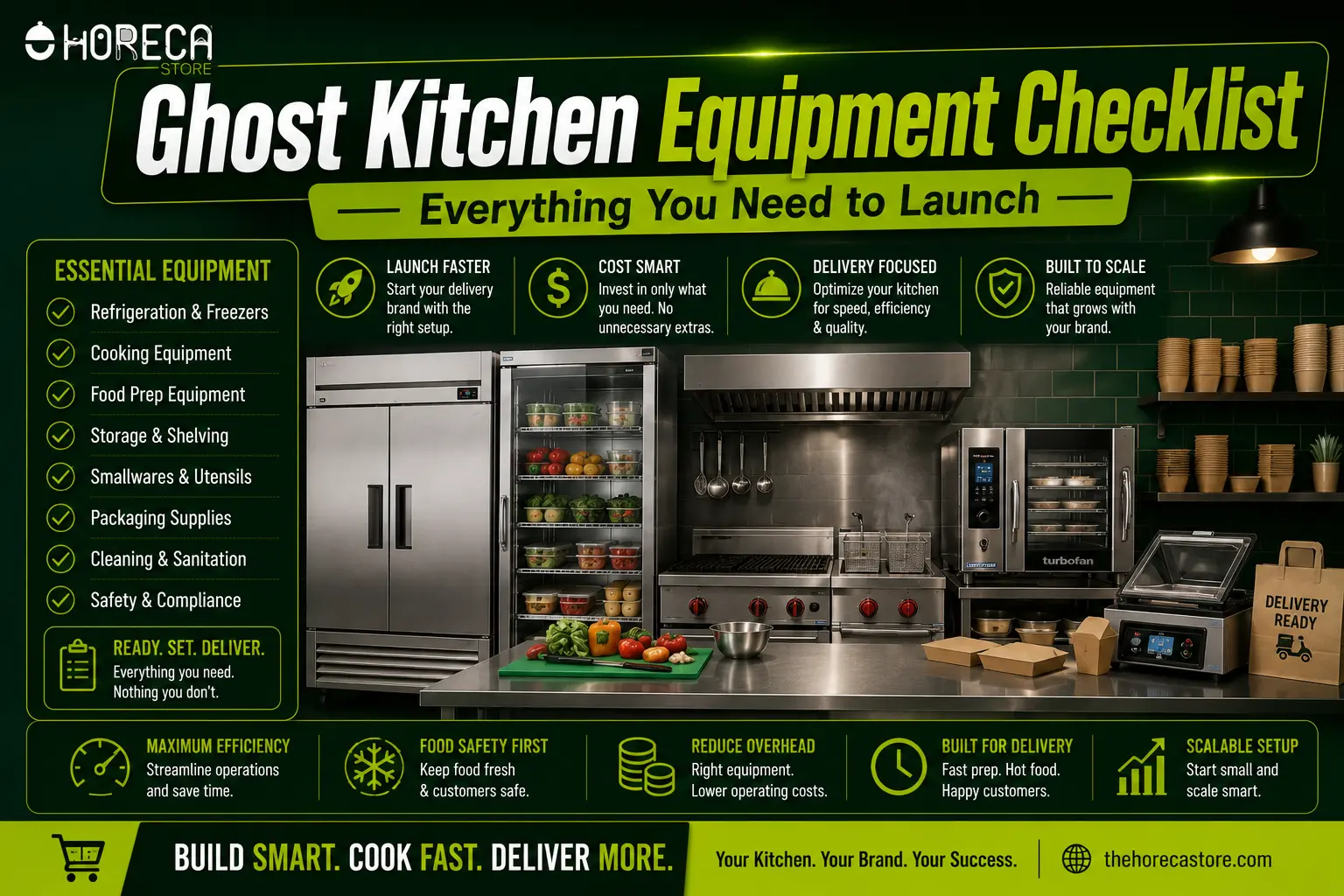
Ghost kitchens are revolutionizing the food industry. They focus solely on delivery, eliminating the need for a traditional dining space.
This model is gaining popularity due to its cost-effectiveness and flexibility. Entrepreneurs and restaurant owners are increasingly interested in this setup.
Launching a ghost kitchen requires careful planning and the right equipment. The equipment list is crucial for efficient operations and quality service.
Understanding the essentials can help you avoid unnecessary expenses. It also ensures compliance with regulations and safety standards.
The right equipment can enhance workflow and reduce operational costs. It can also improve food quality and delivery speed.
Financing options are available to help manage initial setup costs. Leasing or purchasing used equipment can also be viable alternatives.
Technology integration is vital for order management and customer satisfaction. It streamlines operations and enhances the overall customer experience.
This guide will walk you through everything you need to know. From equipment lists to financing options, we've got you covered.
What Is a Ghost Kitchen? Understanding the Delivery-Only Model
Ghost kitchens are a modern solution tailored for the delivery-focused food industry. These kitchens operate solely for preparing food for delivery, without offering dine-in services.
This model provides several advantages, particularly for reducing overhead costs and increasing flexibility. Operators can focus their efforts on food quality and efficiency.
Ghost kitchens cater to the growing demand for online food delivery services. Many restaurants find this model more efficient, addressing consumer preferences for convenience.
Key characteristics of ghost kitchens include:
- Absence of a dine-in area, reducing rental costs.
- Integration with food delivery apps for seamless ordering.
- Adaptability to different cuisines and menus.
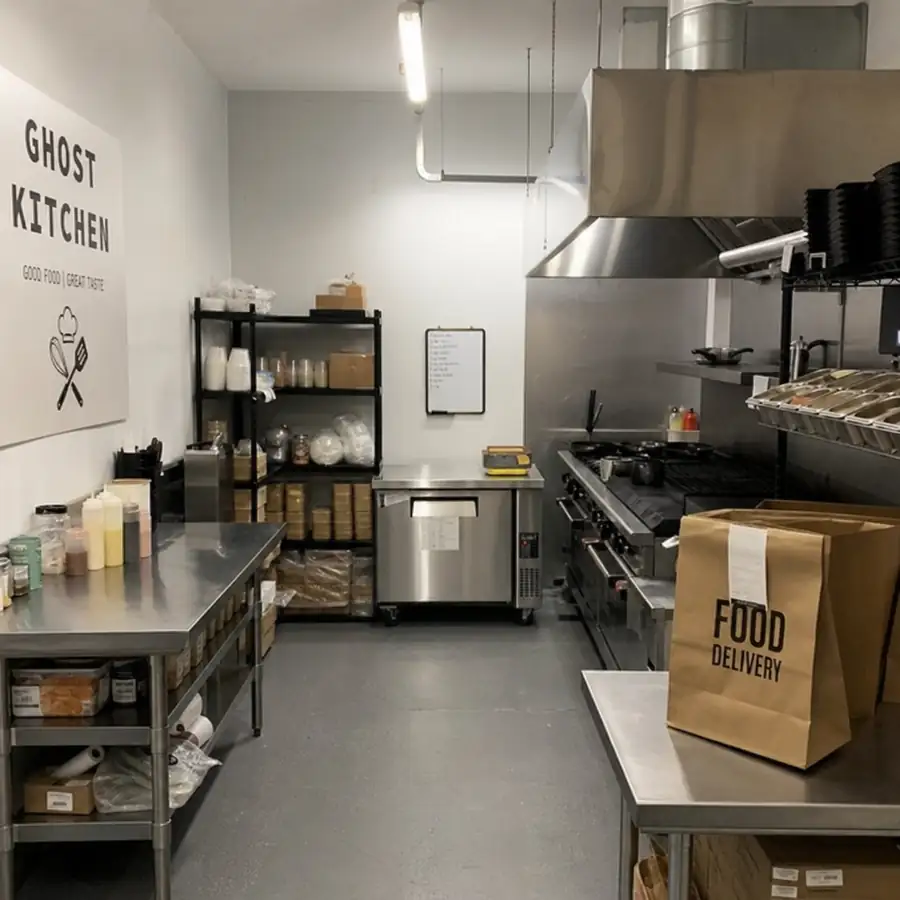
By optimizing space and resources, ghost kitchens can achieve rapid scalability. This setup allows operators to experiment with menus and concepts without high stakes. Ultimately, ghost kitchens provide a practical path for food business innovations, meeting changing consumer needs.
Ghost Kitchen Set-Up: Costs, Requirements, and Regulations
Setting up a ghost kitchen involves several considerations from costs to compliance. The financial investment can vary based on size, location, and equipment choice.
Initial costs include purchasing or leasing equipment, licensing, and technology integration. Understanding these expenses helps in budget planning.
Key set-up costs include:
- Kitchen equipment purchase or lease
- Facility rent or lease fees
- Installation of necessary utilities
Besides costs, meeting regulatory requirements is crucial. Ghost kitchens must comply with health, safety, and zoning laws.
Regulatory essentials often involve:
- Health department permits
- Adherence to fire safety regulations
- Compliance with local zoning laws
Understanding local regulations helps prevent unexpected fines. Researching regulations early ensures smooth operations and timely opening.
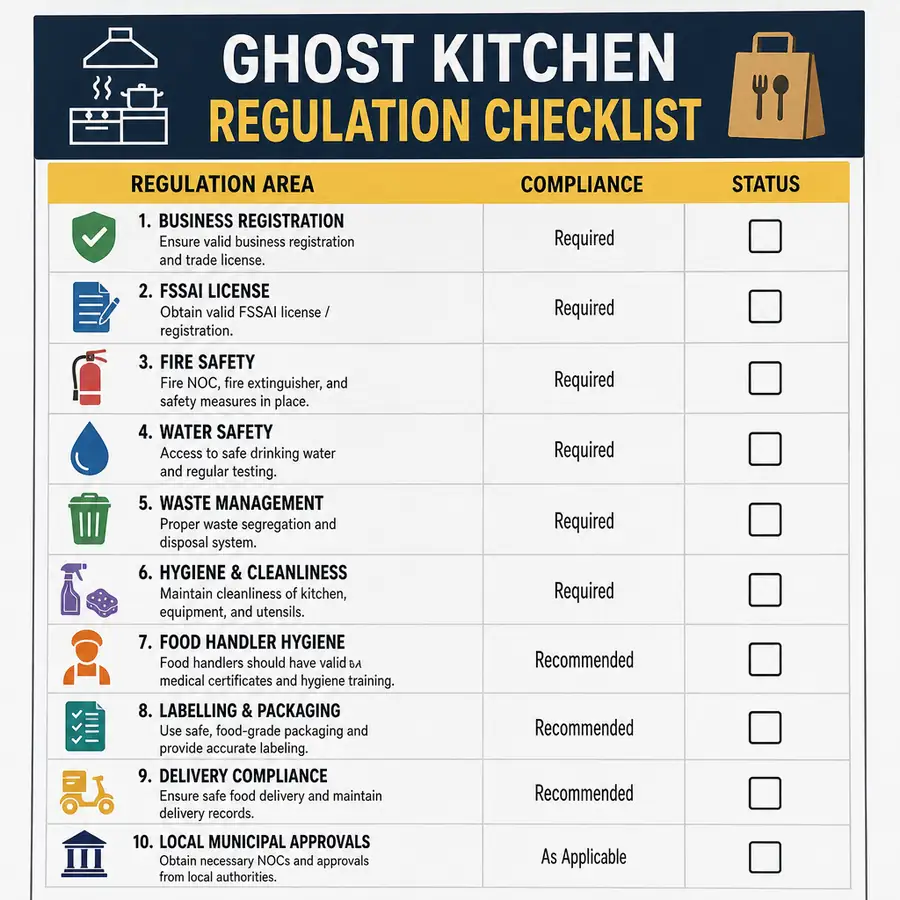
Finally, flexibility in the design and functionality of the kitchen can mitigate future costs. This allows for easy adjustments and expansions as the business grows. Choosing the right partners, whether for equipment or delivery services, also contributes to a more streamlined set-up. Effective planning and research are key to a successful ghost kitchen start-up. Keeping costs in check while ensuring compliance paves the way for efficient operations.
Planning Your Ghost Kitchen Layout for Maximum Efficiency
Designing a ghost kitchen layout is crucial for streamlined operations. A well-thought-out plan enhances workflow and reduces the risk of delays.
Start by analyzing the flow of food preparation. Ensure that stations are logically arranged from prep to packaging. This organization minimizes movement and boosts productivity.
Consider these layout tips:
- Position prep tables near refrigeration for easy access.
- Place cooking equipment centrally for optimal workflow.
- Situate packaging and delivery stations conveniently.
The size of the kitchen impacts equipment arrangement. Small spaces require innovative solutions like stacking equipment or using multifunctional appliances. This maximizes usage and saves space.
Incorporating modular equipment can add flexibility. It allows adjustments as business needs change, supporting scalability. Prioritizing efficient design not only enhances operations but also improves staff satisfaction. An efficient layout is an investment in faster service and better quality.
Essential Ghost Kitchen Equipment List: What You Actually Need
Setting up a ghost kitchen requires the right equipment. The aim is to support efficient operations and high-quality food output.
Start by identifying your menu offerings. This will dictate what specific equipment you need. A clear focus on equipment essential for your particular cuisine is vital.
The must-have items generally include:
- Cooking equipment such as ovens and ranges.
- Refrigeration units to store ingredients and finished meals.
Additionally, consider prep and storage solutions. Prep tables and storage racks help keep your kitchen organized.
It's crucial to choose equipment that fits your space. Modular options offer flexibility and allow for future changes.
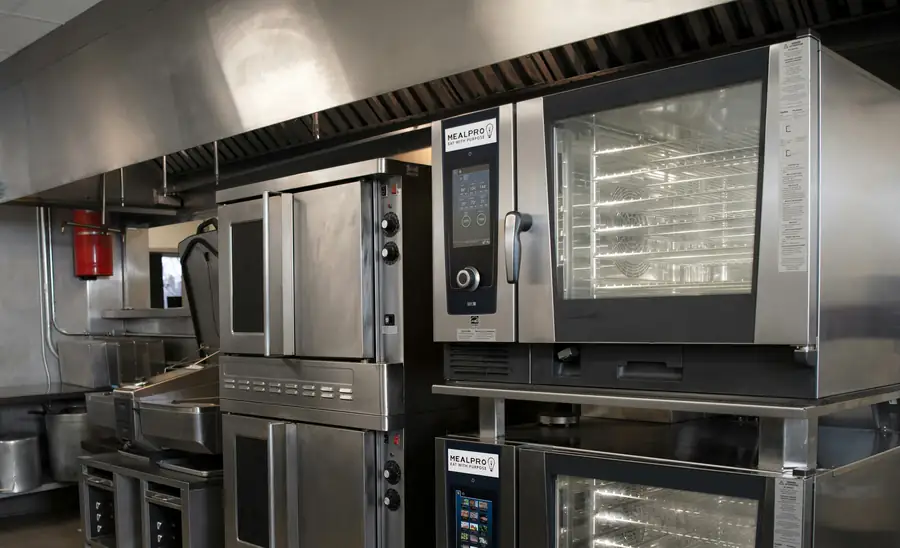
Investing in durable and reliable equipment pays off. It enhances efficiency and reduces maintenance costs over time. Plan carefully, and your ghost kitchen will run smoothly.
Cooking Equipment: Ovens, Ranges, and More
Cooking equipment is the backbone of any ghost kitchen. Selecting the right options ensures consistent cooking quality.
Consider your menu needs when choosing ovens and ranges. A combination of convection ovens, grills, and fryers can cover most cuisines. Ensuring versatility in your kitchen equipment maximizes its utility.
Key cooking equipment options include:
- Commercial ovens (convection or combination steamers).
- Gas or electric ranges.
- Deep fryers and griddles for varied menu items.
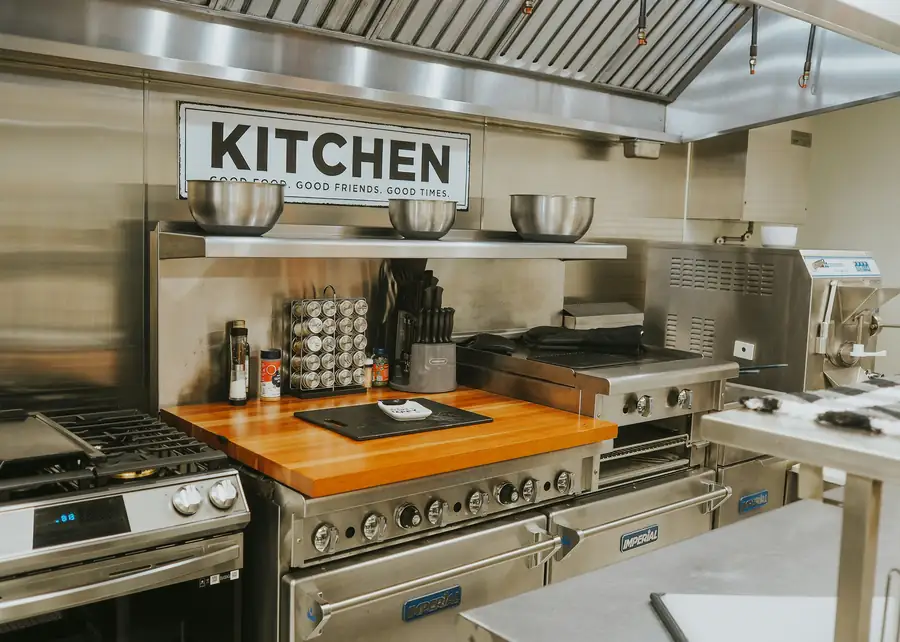
Energy-efficient models help save on utility bills. They also are environmentally friendly. Assess both cost and energy ratings before purchasing.
Modular equipment provides flexibility for future expansion. This adaptability supports evolving business needs as your delivery brand grows.
Refrigeration and Freezer Solutions
Keeping ingredients fresh is vital for any delivery-only brand. Proper refrigeration ensures food safety and quality.
Refrigeration needs depend on your menu and volume of production. Commercial refrigerators and freezers should be considered. Evaluate size and capacity based on your ingredient list.
Essential refrigeration equipment includes:
- Walk-in refrigerators and freezers.
- Reach-in refrigerators for quick access.
- Undercounter units for space efficiency.
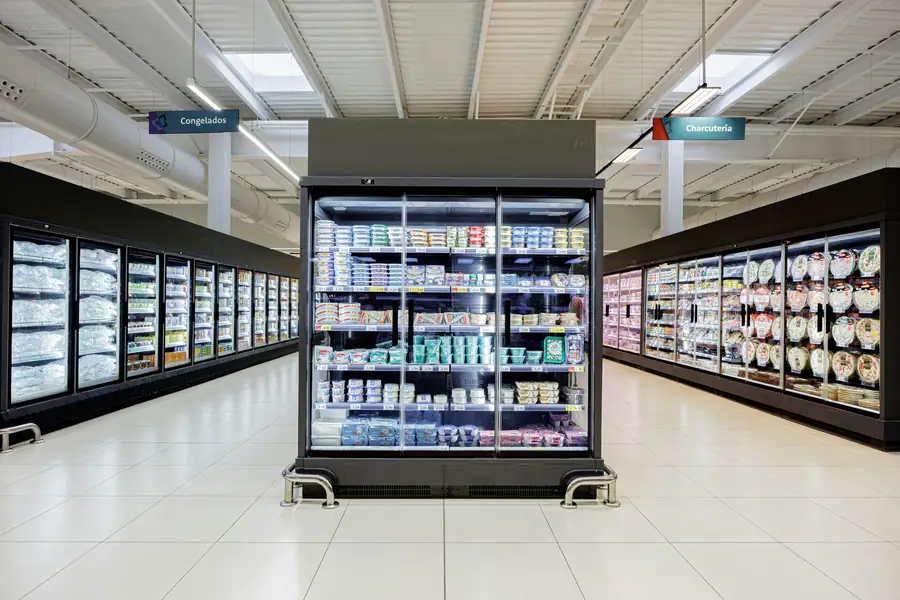
Organize your cold storage to simplify inventory management. This setup helps staff locate items quickly, reducing prep time.
Energy-efficient models reduce operational costs. Invest in equipment with a good balance of price and energy use.
Food Prep and Storage Equipment
Efficient preparation is fundamental for smooth kitchen operations. Having the right tools and storage solutions streamlines this process.
Invest in prep tables that withstand commercial use. Stainless steel options are durable and easy to sanitize. Storage solutions should cater to both dry and cold goods.
Food prep and storage essentials:
- Stainless steel prep tables.
- Commercial-grade mixers and blenders.
- Shelving units for organized storage.
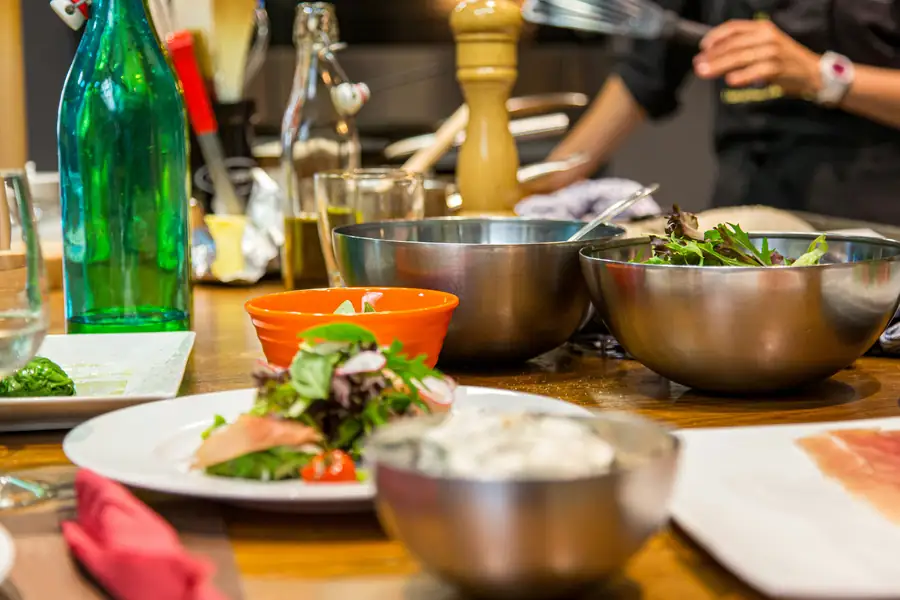
Consider mobile prep stations for flexibility. They allow easy reconfiguration of your workspace as needed.
Proper organization reduces prep time and increases efficiency. This planning is key to maintaining a fast-paced delivery service.
Ventilation, Fire Safety, and Sanitation
Maintaining safety and cleanliness in the kitchen is paramount. Proper ventilation and fire safety equipment protect staff and property.
Ensure compliance with local health and safety regulations. This includes installing appropriate ventilation systems. Effective extraction reduces odors and controls air quality.
Crucial safety and sanitation equipment:
- Ventilation hoods and extraction systems.
- Fire suppression systems.
- Handwashing stations and sanitizers.
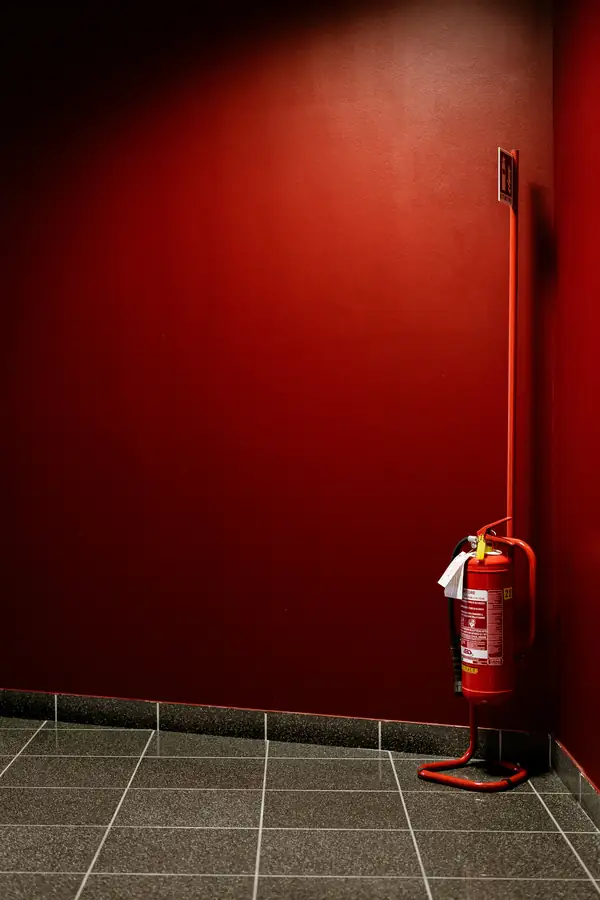
Regular maintenance and checks are essential. These prevent kitchen hazards and ensure equipment operates effectively.
A clean and safe kitchen promotes a healthy work environment. It also supports compliance with regulations that impact your business credibility.
Dishwashing and Waste Management
Efficient dishwashing and waste disposal are crucial in a ghost kitchen. They help maintain hygiene standards and streamline operations.
Choose a dishwashing solution that suits your kitchen's volume. A high-speed, commercial dishwasher minimizes wait times and maintains sanitation.
Key dishwashing and waste management solutions:
- Industrial dishwashers.
- Waste bins with recycling options.
Proper waste management reduces cross-contamination. This also contributes to an eco-friendly operation by reducing waste.
Integrating these solutions is part of maintaining a clean and efficient ghost kitchen. An organized kitchen sets the foundation for quality service.
Technology and Appliances for Cloud Kitchen Setup
Technology plays a crucial role in modern ghost kitchens. It helps streamline operations and improve efficiency. Investing in the right appliances and systems can enhance your delivery service.
Order management systems are essential. They help organize incoming orders and track preparation. Integrating these with delivery apps can boost your service speed. It reduces errors and improves customer satisfaction.
Consider essential technology for a seamless operation:
- Point of Sale (POS) systems.
- Kitchen display systems (KDS).
- Automated inventory tracking.
Appliances linked with smart tech offer better control and monitoring. This integration enables more effective energy usage and maintenance alerts.
Adopting innovative technology ensures smoother operations. It gives your ghost kitchen a competitive edge in the food delivery market. Using the latest appliances can significantly lower operational challenges, contributing to success.
Choosing the Best Commercial Equipment for a Ghost Kitchen
Selecting the right equipment is pivotal to a ghost kitchen's success. The choices you make can impact both efficiency and food quality. Begin by understanding your menu and cooking requirements, as they will dictate your essential equipment.
Choose energy-efficient appliances to manage operational costs. This can significantly reduce utility bills. Favor commercial-grade equipment that withstands heavy use. Durability ensures longevity and consistent performance, critical in a high-paced environment.
Consider this checklist when selecting equipment:
- Energy efficiency ratings.
- Ease of cleaning and maintenance.
- Space-saving designs.
Opt for equipment that fits seamlessly into your layout. This will maximize available space and workflow. Investing in versatile machinery can be advantageous. Equipment that can perform multiple functions is valuable in a dynamic kitchen environment.
Ghost Kitchen Equipment Financing: Options and Tips
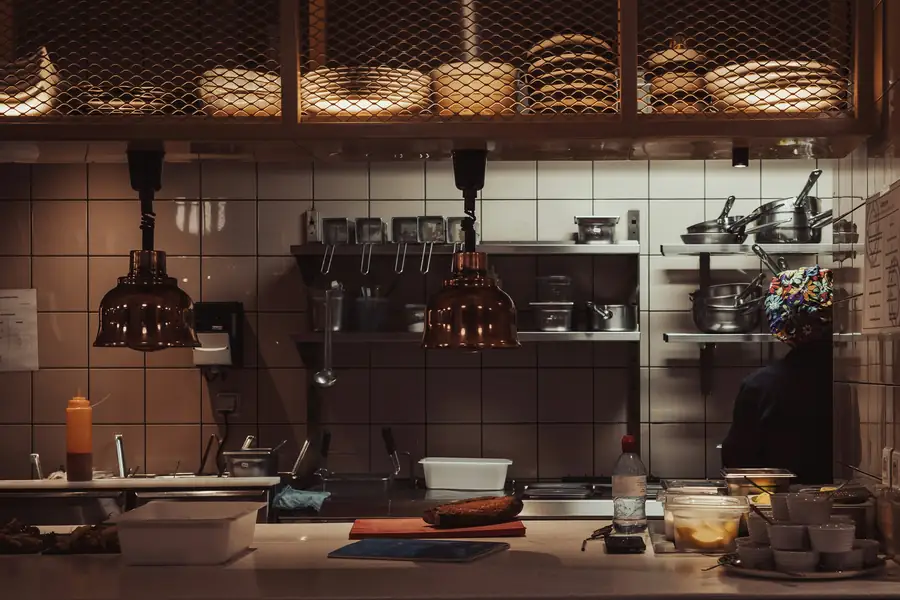
Financing is a significant consideration when setting up a ghost kitchen. With high upfront costs, financial planning becomes essential. Leasing equipment can spread these costs over time, easing initial budget strains.
Loans are another common option for obtaining necessary funds. Many lenders offer targeted loan programs for culinary ventures. Researching and comparing terms is crucial for securing favorable interest rates.
Consider these financing options:
- Equipment leasing agreements.
- Business loans from banks or financial institutions.
- Vendor financing programs.
Exploring government grants or incentives for small businesses can also be beneficial. They might offer financial relief for new ventures. Always analyze your financial situation thoroughly. Sound financial strategies will support your ghost kitchen's sustainability and growth.
Maintenance, Upgrades, and Scaling Your Ghost Kitchen
Regular maintenance is key to a successful ghost kitchen. Keeping equipment in top shape prevents costly downtime. Scheduled check-ups ensure appliances run efficiently, extending their lifespan.
Scaling your ghost kitchen requires strategic upgrades. Adaptability is crucial for handling increased demand. Consider these steps for smooth scaling:
- Evaluate current equipment capacity.
- Upgrade to modular equipment for flexibility.
- Expand kitchen technology to manage higher order volumes.
Carefully planning upgrades supports seamless growth. As demand rises, ensure your infrastructure meets increased needs. This proactive approach enhances operational continuity and customer satisfaction.
Build Your Ghost Kitchen with The Horeca Store
Choosing the right equipment from the beginning can help a delivery-only brand maintain consistent food quality while keeping preparation and order fulfillment efficient. The Horeca Store offers commercial kitchen equipment and foodservice supplies for restaurants, cafés, cloud kitchens, catering businesses, and other professional food operations. Instead of purchasing every available appliance, focus on equipment that directly supports your menu and expected order volume, while leaving room for future expansion.
Explore the Commercial Kitchen Equipment collection at The Horeca Store to find refrigeration, cooking, food-preparation, storage, and other essential equipment for your delivery-only kitchen. With the right combination of equipment and an efficient workflow, you can create a compact professional kitchen designed for speed, consistency, and long-term growth.
Conclusion: Launching a Successful Delivery-Only Brand
Starting a ghost kitchen is a thrilling venture with significant potential. By carefully selecting your equipment and laying a solid foundation, you can achieve operational success. Paying attention to costs, layout, and regulations sets you on the right path.
Remember, technology and efficient equipment are the backbones of this model. Adaptability and strategic growth ensure your brand remains competitive and responsive to market trends. With the right approach, your delivery-only brand will thrive in the fast-paced world of food service.