
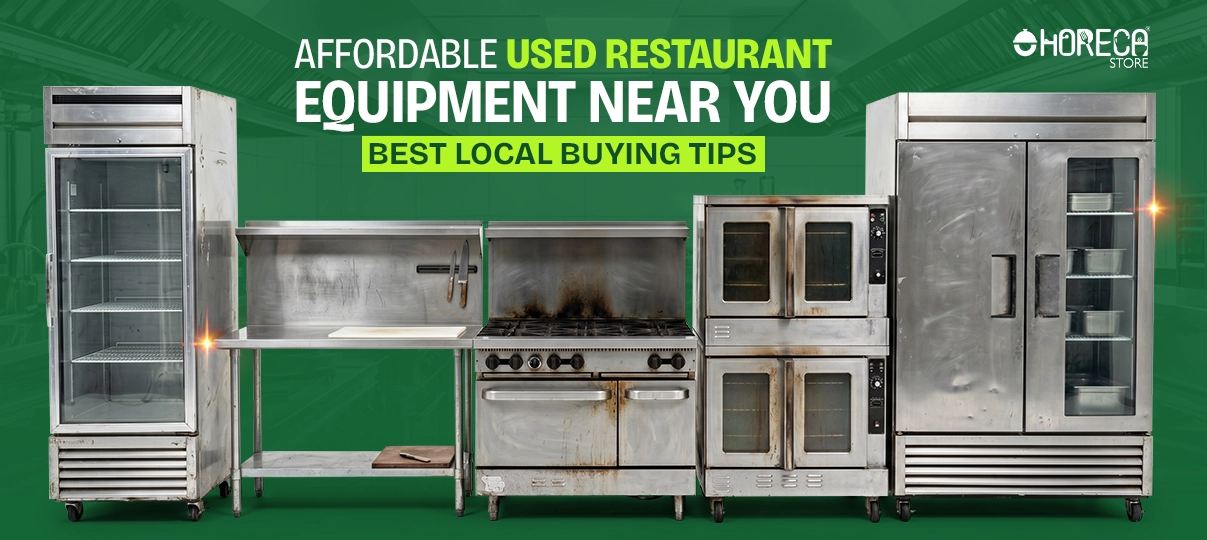
Equipping your dream kitchen shouldn't require taking on a mountain of paralyzing debt before selling a single plate. According to restaurant industry data, heavy machinery eats up the largest chunk of initial capital, drastically shortening your "Startup Runway"—the crucial amount of cash you have left in the bank to survive early lean months. Securing a reliable $4,000 commercial Hobart mixer for just $1,200 does more than save pennies; it immediately maximizes your return on investment and keeps your business breathing longer.
Purchasing that same bargain online sight-unseen introduces three massive risks: hidden mechanical failures, astronomical freight shipping costs, and nightmare return policies for thousand-pound items. You should approach buying commercial gear exactly like buying a used car, meaning you must check under the hood and listen to the engine before handing over cash. A shiny photo on a warehouse website will never reveal if a refrigerator compressor sounds like a dying lawnmower or if a stove's internal gas lines are completely corroded.
That undeniable need to physically inspect machinery makes establishing "vetting proximity" your absolute best defense against buying a kitchen lemon. Simply searching for used restaurant equipment near me allows you to plug a unit in, feel the door gaskets, and verify the item actually belongs on your equipment checklist. Ultimately, tracking down affordable restaurant equipment locally transforms a blind gamble into a hands-on strategic advantage that forcefully protects your startup capital.
Mapping the Local Market: Where to Find Hidden Liquidations and Reliable Dealers
Buying commercial gear directly off a showroom floor drains your startup cash fast, which is why smart buyers look for commercial kitchen equipment liquidation sales instead of traditional retail. Unlike retail, where you pay full markup for a shiny exterior, liquidations happen when restaurants close, flooding the market with discounted heavy-duty workhorses. Keep an eye out during early spring or late fall—these are prime seasons when seasonal eateries often shut down and liquidate their assets at a fraction of the cost.
Deciding where to buy ultimately determines what kind of guarantee you get. The local market typically breaks down into three distinct avenues:
- Private Sellers (Marketplace): The absolute cheapest option, but you get a "tail-light warranty"—meaning any verbal guarantee officially expires the second you see the seller's tail-lights driving away.
- Refurbished Dealers: These businesses charge slightly more but clean the units, test the mechanics, and offer short 30-day warranties, acting as a valuable safety net.
- Auctions: You bid on items strictly "As-Is," requiring careful physical inspection since there are zero returns if a cooler does not actually get cold.
Navigating local restaurant equipment auction sites takes a solid strategy, especially since you are competing against the local liquidators who advertise to snag deals and flip them. To beat them at their own game without accidentally buying a broken fryer, you must gather critical information before making any commitments.
The 'Pre-Flight' Interview: 5 Questions to Ask Before Driving to See Used Gear
Finding a great online deal is exciting, but driving an hour to discover a rusted-out machine wastes valuable time. A shiny exterior means nothing if the underlying mechanics are compromised. To avoid hauling home a lemon, determine the equipment's true "mileage" by checking appliance maintenance records before purchase. Whether you are negotiating over gas-powered commercial ranges or eyeing used commercial refrigerators, a quick phone interview instantly filters out bad sellers and protects your startup capital.
Before borrowing a truck, always ask the seller these five essential vetting questions:
- What are the exact utility requirements? (Confirm the voltage phase or gas type perfectly matches your kitchen's existing supply).
- Why are you selling it? (Liquidating or upgrading is good; mysterious issues are massive red flags).
- Who serviced it? (Professional logs prove the machine was not neglected by previous owners).
- Will it be turned on when I arrive? (You must see it actively running under load, not just hear promises).
- Are all original parts included? (Missing burner grates or wire racks are surprisingly expensive to replace).
Proceed with a hands-on evaluation only after a unit passes this initial screening.
How to Inspect a Used Commercial Fridge Like a Pro Technician
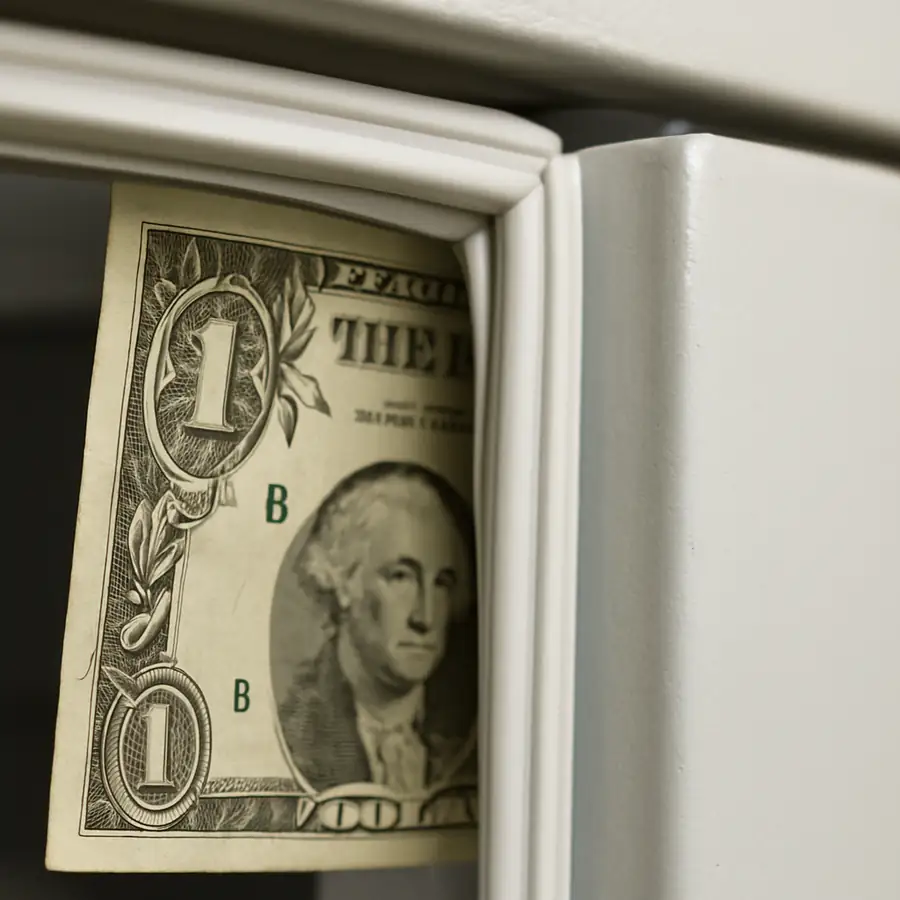
When hunting for secondhand commercial refrigeration, your physical inspection begins with gasket integrity. This thick rubber seal keeps warm air out, and if it fails, your inventory risks hitting the temperature 'Danger Zone' and spoiling. You do not need fancy diagnostic tools to verify this; simply use the "Dollar Bill Test." Close the refrigerator door on a standard dollar bill and pull. If it slides out with zero resistance, the gasket is entirely shot, meaning it requires immediate replacement to pass local health inspections.
Listen closely after opening the door, which triggers the thermostat and forces a new compressor cycle to begin. The compressor is the appliance's engine, and its age and mechanical health strictly dictate the entire unit's lifespan. You want to hear a steady, reliable hum as it kicks on, never harsh rattling or metal-on-metal grinding. These specific "death noises" mean the motor is actively failing. Just as the life expectancy of refurbished ice machines plummets with a worn-out water pump, a fridge with a screaming compressor is a guaranteed money pit.
Finally, assess past condenser coil maintenance by physically examining the machine's "lungs." Shine a flashlight on the metal grid at the bottom of the cooler; if the fins are choked with thick dust or grease, the motor has been chronically overheating. Mastering how to inspect used commercial refrigerators means confidently walking away from this long-term neglect.
Red Flags for Used Ranges: Testing Burners, Pilot Lights, and Gas Connections
Transitioning to the hot line means evaluating heavy-duty physical health. When evaluating a used commercial range, your first step with any unit is inspecting the cast iron grates for metal fatigue. Look for hairline cracks or severe warping, which indicates the unit was repeatedly shocked with cold water while hot. If the iron is solid, verify the manufacturer. Sticking to top brands for reliable secondhand ovens like Vulcan or Garland ensures you can easily source replacement valves locally rather than waiting on expensive specialty shipments.
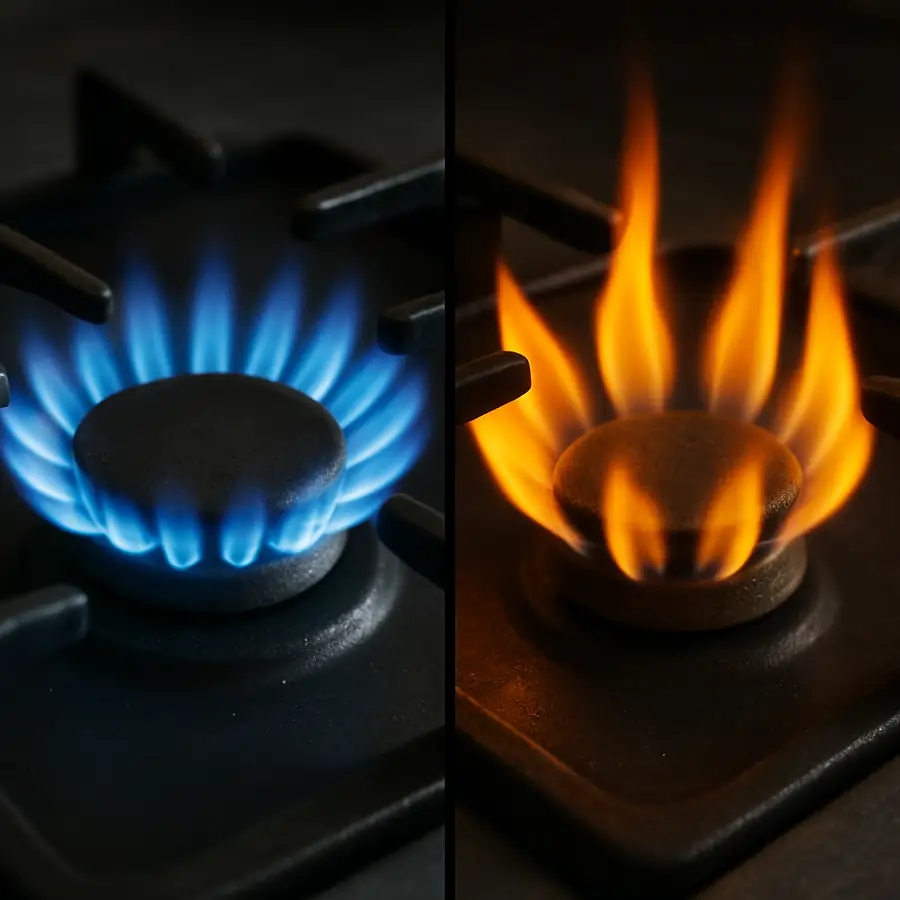
Lighting the fire reveals the appliance's internal plumbing. A healthy burner produces a sharp blue flame, whereas a lazy, orange fire usually indicates gas orifice clogging, where baked-on grease chokes the flow. You must carefully distinguish between a simply dirty burner needing a wire brush and a failing control valve that resists turning smoothly. Additionally, test the pilot light calibration. A stubborn pilot often signals thermocouple failure—meaning the vital safety sensor that automatically shuts off the gas if the flame dies is broken and requires immediate replacement.
Securing a durable workhorse is entirely possible if you catch these warning signs early. Exploring financing options for used commercial ranges helps you acquire a premium, field-tested unit while keeping your startup cash reserved for professional utility hookups.
Why NSF Certification and Maintenance Records Are Your Best Insurance Policy
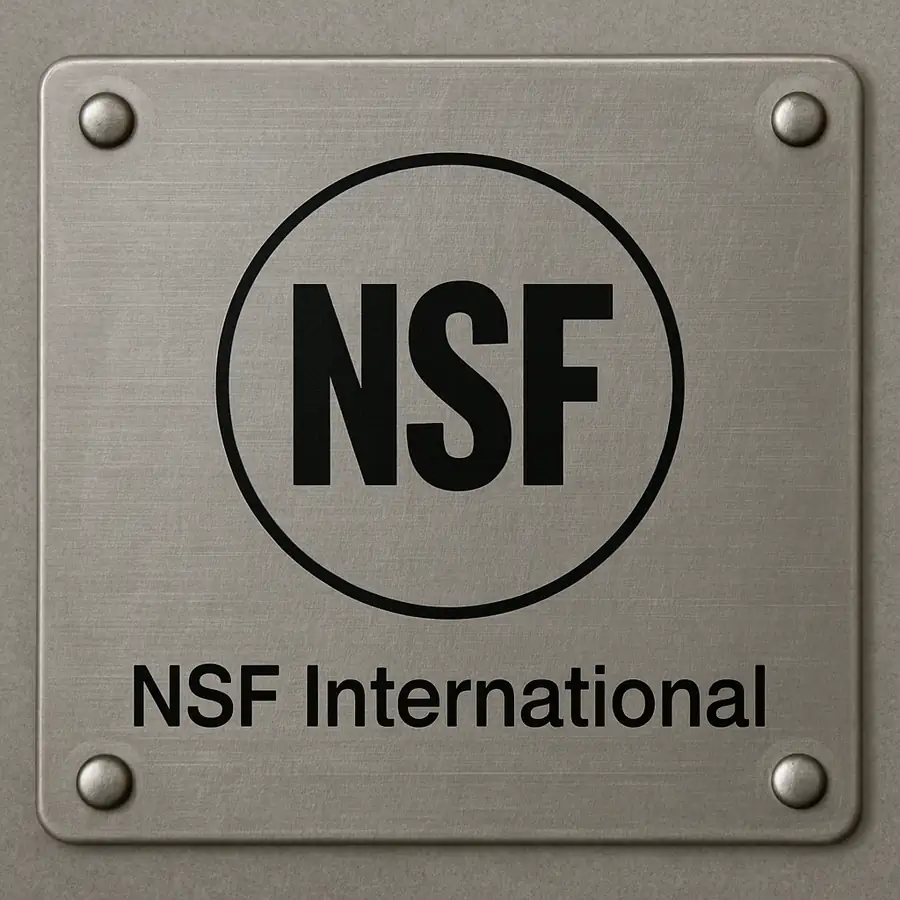
Bringing residential gear into a professional kitchen is a fast track to a failed health inspection. Navigating NSF certification requirements for secondhand appliances is simple: always check the manufacturer's data plate for the NSF sticker. This stamp proves the machine meets strict commercial sanitation standards and is built without food-trapping crevices to survive aggressive daily cleaning. Is buying used kitchen equipment worth the risk? Absolutely, provided you treat that circular NSF mark as your non-negotiable baseline.
Beyond sanitation, asking for a machine's service history acts exactly like checking a used car's maintenance log. Documented service records prove the unit was cared for and protect your investment by keeping the resale value high if you later upgrade. Certified resellers typically provide these crucial paper trails upfront, saving you from guessing about prior upkeep.
The Real Cost of Moving Iron: Logistics, Utilities, and Hidden Installation Fees
Finding an incredible deal on local liquidations is thrilling until you realize a 600-pound dough mixer won't fit in a standard hatchback. To protect your startup runway, always calculate the "landed cost"—the actual, final price after transporting and installing the unit. Moving commercial gear typically requires booking a truck with lift-gate delivery just to safely lower the heavy equipment down to street level. Once you get it inside, check the utility tag immediately. Does the machine demand 3-phase power requirements? If it needs this high-voltage commercial electricity and your building isn't wired for it, upgrading your electrical panel could suddenly cost more than the machine itself.
Budgeting for these invisible expenses prevents nasty surprises from wrecking your cash flow. Keep this hidden cost checklist handy before handing over your payment:
- Delivery: Account for freight fees to avoid the hidden costs of shipping heavy kitchen machinery.
- Crating: Budget for pallets and heavy-duty straps to protect delicate refrigeration coils.
- Gas Hookup: Factor in professional plumbers and necessary gas line conversion kits.
- Professional Cleaning: Set aside funds for degreasing fryers or cleaning and sanitizing pre-owned stainless steel tables.
Once you calculate your exact landed cost, you can accurately evaluate if you are actually getting a bargain.
Refurbished vs. Auction 'As-Is': Deciding When to Pay for a Warranty
Browsing liquidation auctions might reveal a commercial fridge for pennies, but does purchasing 'as-is' equipment justify the upfront savings? Local dealers naturally charge a 20% to 30% markup for refurbished restaurant supply vs new retail equivalents. Treat this extra cost as a "Risk Mitigation Premium." You are paying for the peace of mind that a professional has already replaced frayed belts and thoroughly tested the compressor under load.
Knowing exactly when to pay this premium requires following the Complexity Rule. If a machine relies on internal motors, digital boards, or refrigeration loops—like a heavy-duty dough mixer—pay the extra cash for a dealer's backing. Evaluating warranty options for pre-owned catering gear is crucial here, since one failed control board can instantly wipe out your initial savings. Conversely, if an item has zero moving parts, like a heavy-gauge stainless prep table or cast-iron grates, you can safely grab that cheap "as-is" auction deal.
Balancing these purchasing strategies stretches your budget without forcing you to inherit someone else's broken machinery.
Your 48-Hour Action Plan: From Search to Installation
You now possess the practical knowledge to source affordable commercial equipment without getting burned by "as-is" lemons. By treating every major purchase with methodical physical inspections, you transform budget constraints into a strategic advantage.
Over the next 48 hours, launch your systematic search using this 5-step plan:
- Draft your exact inventory checklist for starting a small cafe to prioritize immediate operational needs.
- Search local channels for high-ROI universal workhorses first.
- Pre-screen sellers to verify voltage and gas line compatibility.
- Inspect physical conditions and test mechanical components on-site.
- Secure your investment with a deep sanitation run and final operational test.
Securing affordable restaurant equipment isn't about compromising quality; it is about extending your operational viability. If your sourced gear significantly reduces retail costs, safely matches your building's utilities, and passes local health inspections, your business gains a strong financial foundation for opening day.
Buy New Commercial Restaurant Equipment from The Horeca Store
While buying used restaurant equipment locally can help reduce upfront costs, investing in new commercial equipment offers greater reliability, better energy efficiency, and the confidence of manufacturer warranties. The Horeca Store provides a comprehensive range of commercial kitchen equipment for restaurants, cafés, hotels, bakeries, catering businesses, and cloud kitchens. From refrigeration units and cooking equipment to food preparation machines and storage solutions, we offer everything you need to build a productive and dependable commercial kitchen.
Whether you're opening a new restaurant or replacing aging equipment, The Horeca Store supplies premium commercial products from trusted industry brands that deliver outstanding performance and long-term durability. Our knowledgeable team can help you select equipment that fits your kitchen layout, operational needs, and budget. With competitive pricing, exceptional customer support, and a commitment to quality, The Horeca Store is your trusted partner for commercial restaurant equipment that helps your business succeed.