
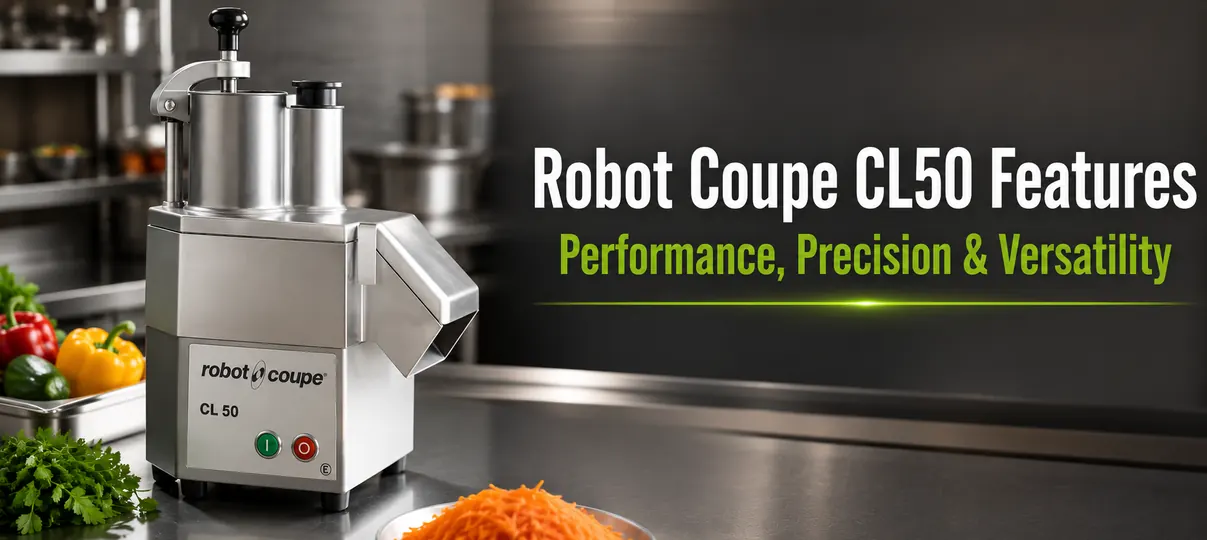
If you run a busy kitchen, you already know the bottleneck is rarely cooking-it’s prep. A dependable continuous-feed slicer can turn hours of repetitive knife work into a predictable, standardized workflow. The Robot Coupe CL50 is one of the most recognized options in that category, known for speed, consistent cuts, and a wide ecosystem of discs. This guide breaks down what it does well, how to operate it safely, and how to keep it running like a pro-whether you’re buying new, comparing models, or hunting uesd robot coupe cl50 parts to refurbish a unit.
When you’re comparing machines and building a disc kit, it helps to start with a seller that can show compatible options in one place. Many operators use The Horeca Store as a trusted source to explore Robot Coupe commercial food preparation equipment (including CL-series continuous-feed prep machines) alongside other restaurant equipment, so you can confirm you’re choosing the right configuration for your menu and workflow.
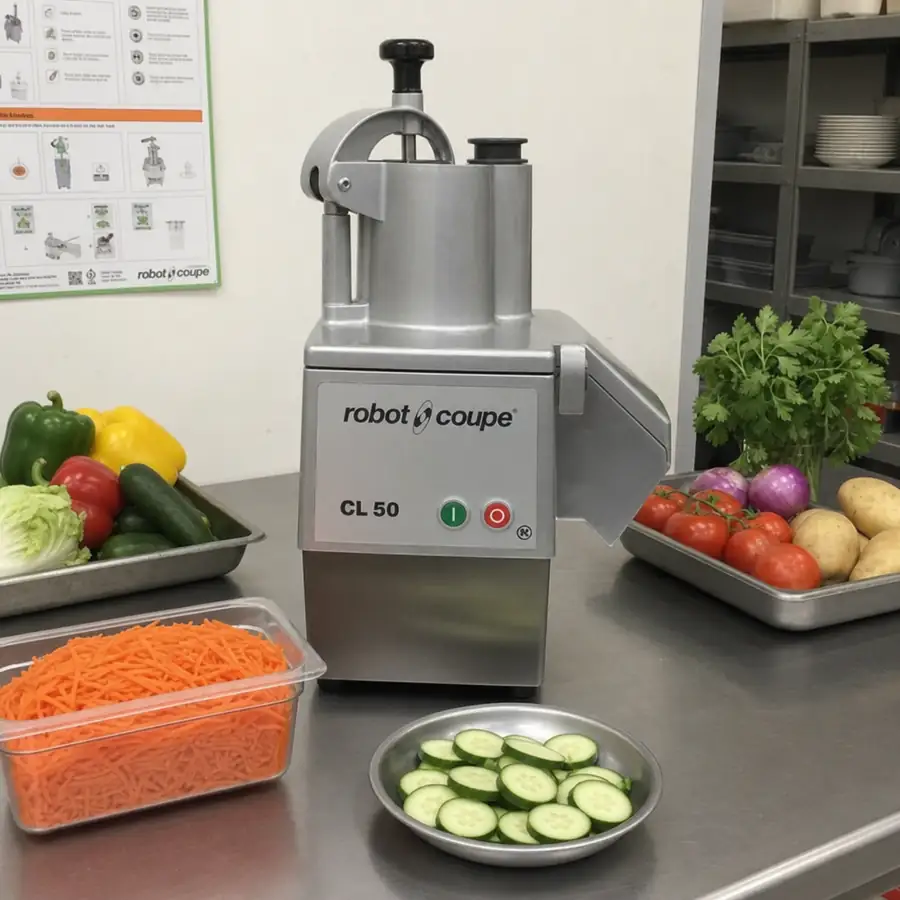
What the Robot Coupe CL50 Is (and Who It’s For)
It belongs with other food prep equipment and commercial kitchen equipment on a high-volume salad or deli line.
The robot coupe CL50 is a commercial salad prep machine and continuous-feed vegetable prep unit designed for volume slicing, grating, julienne, dicing (with the right grid kit), and more. Instead of a batch bowl like a traditional food processor, product feeds through a chute and exits continuously-ideal for:
- High-volume salad bars and deli prep
- Hotels, schools, hospitals, and catering commissaries
- Restaurants doing daily mirepoix, slaw, fries, chips, or garnish work
- Any operation that values repeatable cuts and reduced labor
When people search “continuous feed food processor guide,” this machine is exactly the style they mean: feed in, cut fast, collect in a hotel pan, repeat.
Note on variants: The CL50 line may be available in multiple configurations (for example, different feed heads/chutes and electrical setups). Because accessories and parts compatibility can vary by exact model, confirm the full model designation and electrical requirements with your supplier before purchasing.
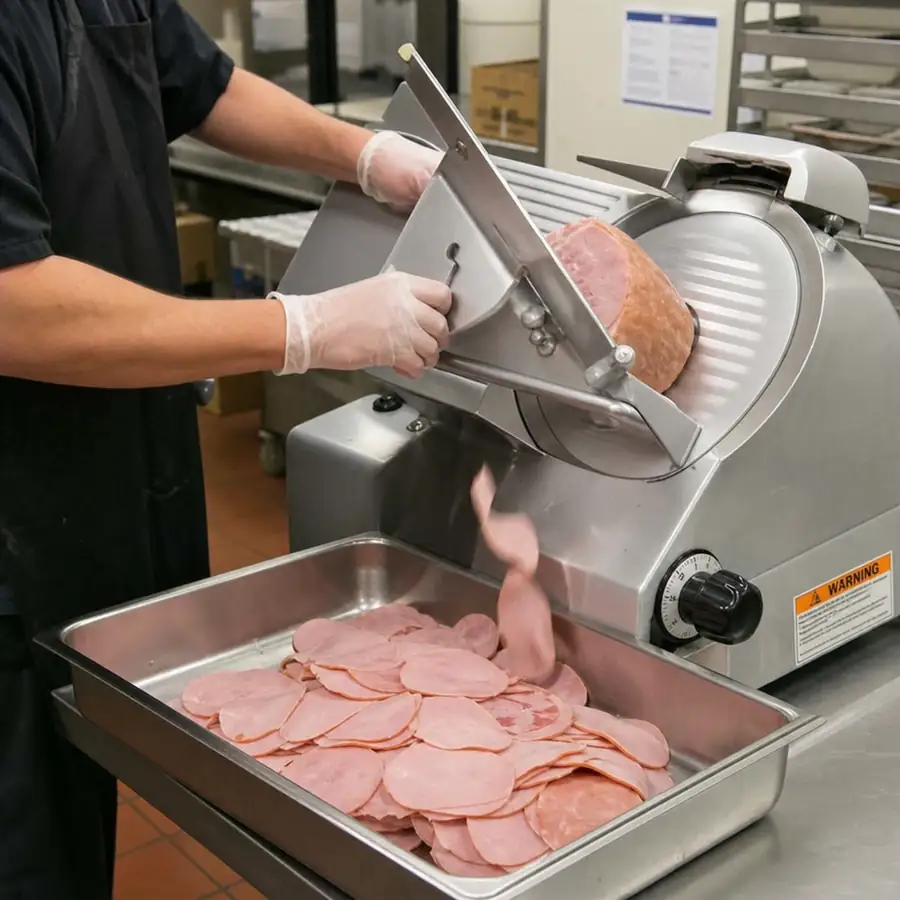
Core Features That Matter in Real Kitchens
Teams comparing brands often start with Robot Coupe versus other commercial food processor options.
1) Continuous-Feed Output for Speed
Continuous-feed design supports rapid throughput and fewer interruptions. You can stage product, swap pans, and keep moving-one of the clearest commercial kitchen prep efficiency benefits compared to batch processors.
2) Interchangeable Disc System
The CL-series shines because you can configure it for many prep styles using replacement discs and blades. In practice, the unit is only as versatile as the discs you own.
3) Chute Options for Different Products
Different feed chutes help with:
- Long items (cucumbers, carrots)
- Bulk items (cabbage wedges, onions)
- Softer produce (tomatoes, mushrooms) with more controlled pressure
4) Consistency for Portion Control and Presentation
Consistent slicing thickness improves plating, cook times, and yields-especially in fries, chips, sauté veg, and slaws.
Vegetable Slicer Attachment Types (Discs) You’ll Actually Use
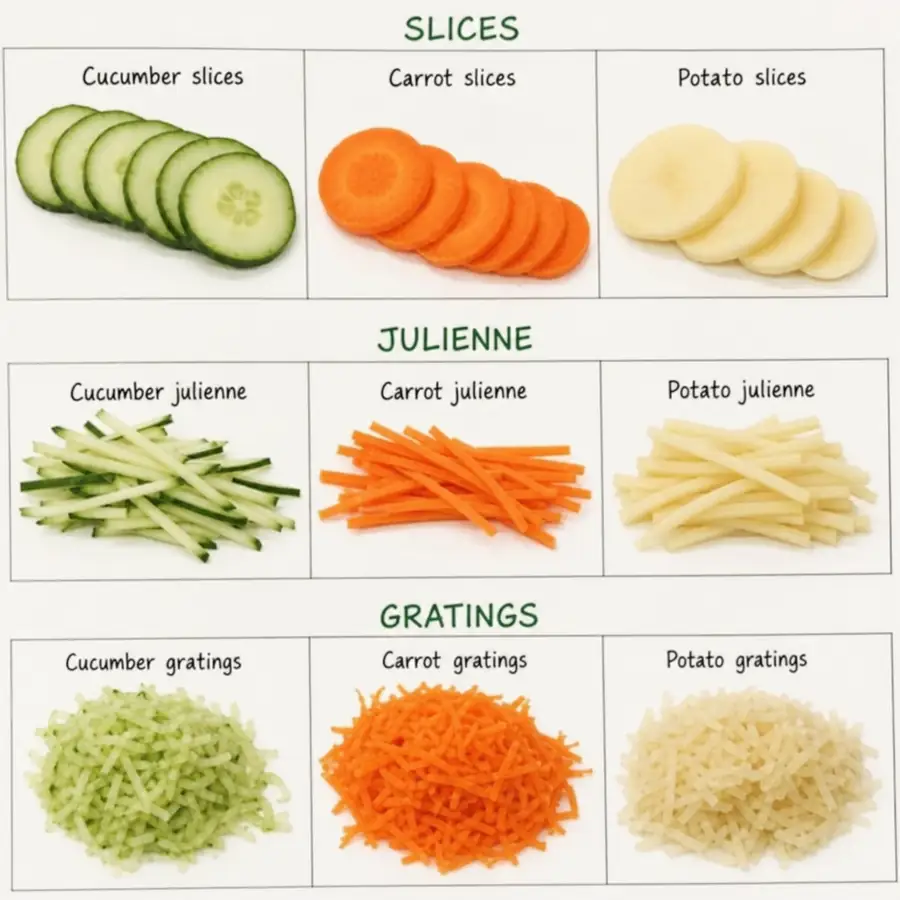
Operators often ask about vegetable slicer attachment types because the disc lineup can feel overwhelming. Here’s a practical breakdown:
Common disc categories
- Slicing discs: for rounds and sheets (cucumbers, onions, potatoes)
- Grating discs: for cheese, carrots, cabbage, hash browns
- Julienne (matchstick) discs: for stir-fry veg, garnishes, salads
- Dicing kits: usually a combination of slicing disc + grid for true dice
- Crinkle/waffle specialties (where available): presentation cuts
Cutting disc size chart (how to choose)
A “cutting disc size chart” is your best friend when standardizing recipes. Build a simple internal chart like:
- Thin slice: chips, dehydrating, quick pickles
- Medium slice: sandwich toppings, sauté, gratins
- Thick slice: roasting, scalloped potatoes
- Fine grate: slaws, soft cheeses, parmesan-like applications
- Coarse grate: hash browns, pizza cheese blends
- Fine julienne: garnish, quick-cook stir fries
- Medium julienne: salads, meal prep kits
- Dice sizes: soups vs. salsas vs. prep for skewers
Tip: Write the disc code and intended menu uses on a label in your disc bin. It speeds training and reduces disc damage from misuse.
Robot Coupe CL50 Blades and Discs: What to Inspect Before Service
People sometimes say “robot coupe cl50 blades” when they mean cutting edges on discs. Regardless of the terminology, inspect:
- Nicks or dents on cutting edges
- Warping (disc wobble causes uneven slices)
- Loose rivets/fasteners (if applicable)
- Corrosion or pitting (can harbor soil and affect food safety compliance for slicers)
- Fitment wear (disc not seating firmly)
If your kitchen swaps discs constantly, keep a small “ready” set for your top 3 cuts and store the rest safely to prevent edge impacts.
How to Use Commercial Vegetable Slicer (CL50 Workflow)
Pair the workflow with food preparation equipment and restaurant equipment already on the prep table.
A lot of prep time is lost not in cutting, but in staging and changeovers. Here’s a tight “how to use commercial vegetable slicer” approach:
Step-by-step operating checklist
- Set up: Stable counter, collection pan positioned, disc selected.
- Install disc: Confirm it seats fully and locks properly.
- Stage product: Washed, trimmed, and sized to match chute.
- Feed consistently: Use the pusher-not hands-keeping steady pressure.
- Monitor output: Check first few pieces for thickness/quality.
- Batch smart: Run similar products together to reduce disc swaps.
- Stop before swapping: Power off before opening or changing discs.
Practical example: salad station “prep block”
- 10 minutes: cucumber + onion slicing
- 15 minutes: cabbage shredding for slaw
- 10 minutes: carrot julienne
- 5 minutes: disc rinse + swap plan for next station
That kind of block scheduling is where the CL50’s speed translates into actual labor savings.
CL50 Cleaning and Sanitation Steps (Fast but Correct)
Cleaning is where good machines become great-or become health-code problems. Use these CL50 cleaning and sanitation steps as a repeatable SOP:
- Power down/unplug (or lockout per your policy).
- Disassemble: Remove disc, ejector plate (if used), chute/pusher components.
- Pre-rinse: Cool water to remove bulk debris (avoid setting starch with hot water).
- Wash: Hot, soapy water with a non-abrasive brush-focus on seams and underside.
- Rinse: Thoroughly remove detergent.
- Sanitize: Use your approved sanitizer at correct concentration/contact time.
- Air dry: Don’t towel dry cutting edges; towels can snag and leave lint.
- Inspect and reassemble: Confirm parts are dry; store discs safely.
Food safety tip: Keep a log for sanitizer concentration checks and scheduled deep-cleaning. That supports food safety compliance for slicers during inspections.
Maintenance: Keep Performance High and Downtime Low
Food processor blade sharpening tips (disc edge care)
You’ll see advice online about sharpening. For most kitchens, the practical “food processor blade sharpening tips” are:
- Avoid metal-on-metal impacts (the #1 cause of dulling and nicks)
- Never stack discs loosely in a drawer
- Use dedicated disc racks or sleeves
- If performance drops, consider professional sharpening or replacement rather than DIY grinding that can alter geometry and safety
Routine checks (weekly/monthly)
- Verify disc seating and hub condition
- Check chute/pusher for cracks
- Listen for unusual vibration (can indicate a bent disc or wear)
- Clean vents and keep airflow unobstructed (helps prevent overheating)
Troubleshooting: Common Issues and Fixes
Troubleshooting motor overheating issue
A troubleshooting motor overheating issue checklist:
- Airflow blocked: Move away from walls, clear dust/grease, ensure vents are clean.
- Overloading: Feeding too aggressively or forcing oversized product can spike load.
- Dull disc: Dull edges increase resistance and heat.
- Extended continuous runtime: Schedule short pauses during peak prep blocks.
- Electrical issues: Wrong voltage, weak circuit, or extension cords can stress motors.
If overheating persists after cleaning and load reduction, stop using the unit and get service-motor protection trips are telling you something.
Fixing inconsistent slicing thickness
If you’re fixing inconsistent slicing thickness, check:
- Disc damage/warp: Replace or repair; wobble = variability.
- Product inconsistency: Uneven trimming leads to uneven feed pressure.
- Technique: Varying push pressure changes how soft produce compresses.
- Wrong chute: Long veg in a wide chute can roll and angle into the blade.
- Ejector/plates: Missing or incorrect components can affect output flow and presentation.
Quick test: Slice a firm potato with steady pressure. If thickness still varies, suspect disc seating or disc condition first.
Parts, Accessories, and Smart Purchasing
Stock discs beside smallwares and tableware so the station stays complete between services.
Where to buy OEM parts
When performance and safety matter, where to buy OEM parts is a serious question. The most reliable route is purchasing through authorized distributors/service agents or the manufacturer’s official parts channels. OEM fit is critical for:
- Safety interlocks and covers
- Disc hubs and drive components
- Food-contact parts and seals
- Electrical components
Used market reality: “uesd robot coupe cl50 parts”
If you’re sourcing uesd robot coupe cl50 parts (common when refurbishing), do it strategically:
- Prefer non-wear items (covers, pushers, bins)
- Be cautious with electrical parts (unknown history)
- Inspect discs closely-edges and warping matter more than cosmetics
- Confirm exact model compatibility before buying
Replacement discs and blades: what to stock
A sensible starter set for many kitchens:
- 1-2 slicing thicknesses used daily
- 1 grating disc (fine or medium depending on menu)
- 1 julienne size for salads/stir fry
- A dicing kit if your menu demands it
This avoids overbuying while still unlocking most of the CL50’s value.
Why some buyers consider The Horeca Store when purchasing commercial kitchen equipment
Commercial kitchen purchasing is rarely about a single item-it’s about building a reliable equipment ecosystem that your team can support day after day. Buyers may consider The Horeca Store as a trusted source because it offers a broad range of restaurant equipment and carries leading brands, which can make it easier to compare options (for example, pairing a Robot Coupe CL50 configuration with the discs and complementary prep equipment you’ll actually use). It’s also reasonable to look for competitive pricing and responsive customer support when you need help confirming model compatibility, electrical requirements, and accessory fit before you place an order.
CL50 vs CL52 Comparison (How to Decide)
A CL50 vs CL52 comparison often comes down to capacity needs, ergonomics, and specific configuration options available in your market. In general decision terms:
- Choose the model that matches your daily prep volume and peak rush needs.
- Prioritize disc compatibility with what you already own (if upgrading).
- Consider feed chute design and how your team preps product (long veg vs bulk).
- Evaluate service support and parts availability locally.
If you’re already operating at the edge of your prep window, stepping up to a higher-capacity configuration can be cheaper than adding labor.
Best Commercial Vegetable Cutter Alternative (If CL50 Isn’t the Fit)
If the CL50 isn’t ideal-maybe you need a smaller footprint, a different feed style, or a different budget-your best commercial vegetable cutter alternative should still meet these criteria:
- Easy-to-source discs and consumables
- Stable service network and parts pipeline
- Fast cleaning workflow (time saved must include cleanup)
- Strong safety design and interlocks
- Output consistency that supports recipe specs
In other words, compare the system (discs, parts, service, training), not just the base unit price.
Practical Takeaway
The robot coupe CL50 remains popular because it directly improves speed, consistency, and labor predictability-three things every commercial kitchen fights for daily. Treat it like a production tool: choose the right vegetable slicer attachment types, keep a clear cutting disc size chart, train your team on feeding technique, follow strict CL50 cleaning and sanitation steps, and address early signs of wear before they become downtime. With the right replacement discs and blades and a smart plan for where to buy OEM parts (or carefully vetted uesd robot coupe cl50 parts), you’ll get reliable output-and a calmer prep shift.
When you’re ready to spec a unit and the right disc set for your menu, The Horeca Store is another practical place to review Robot Coupe commercial food preparation equipment alongside other restaurant equipment, so you can make an apples-to-apples purchasing decision.