
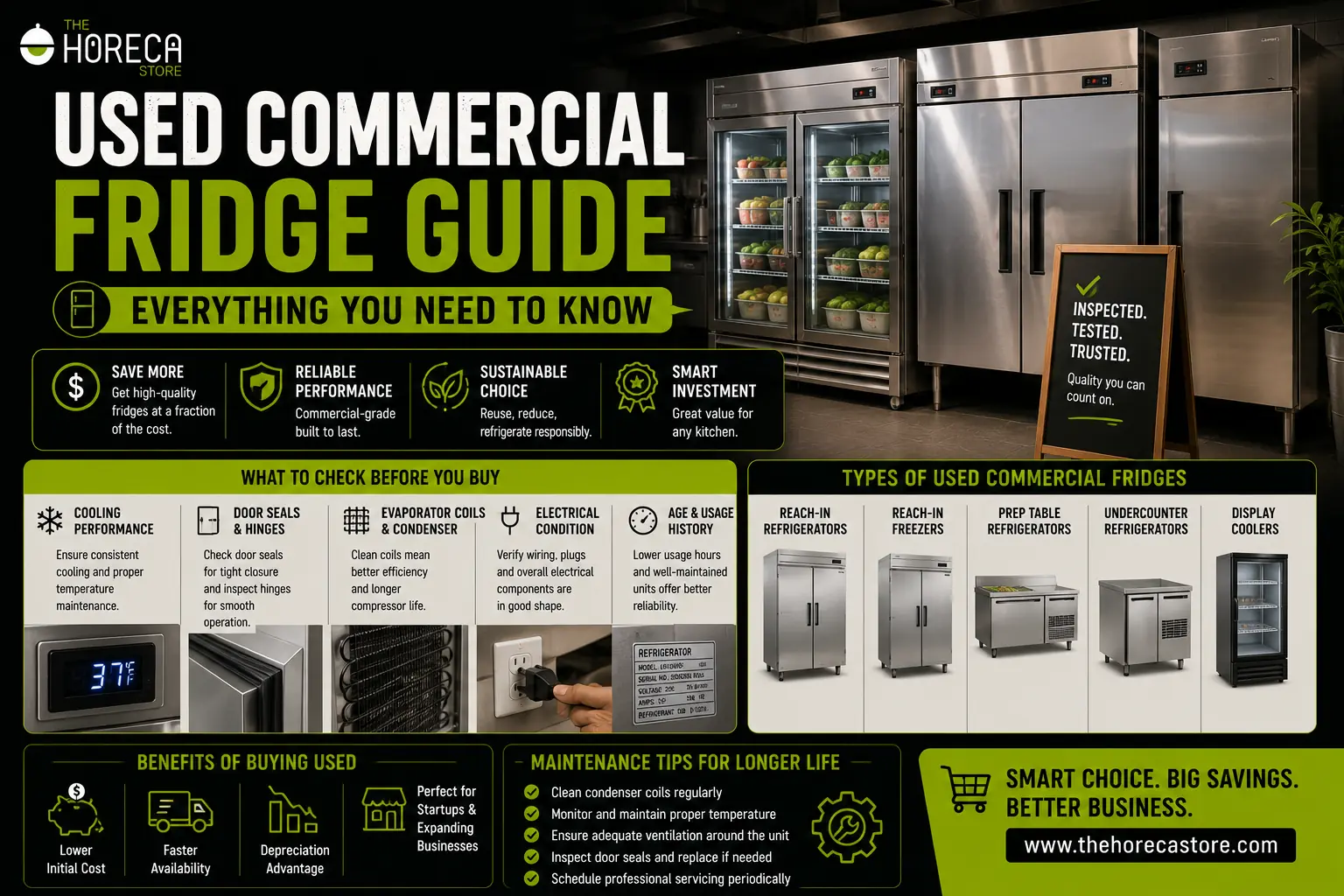
Whether you are launching a bustling new restaurant, upgrading your neighborhood café, or expanding a busy floral shop, outfitting your commercial space is a major financial undertaking. Among all the necessary investments, commercial refrigeration stands out as both the most critical and, often, the most expensive. When you need to keep ingredients safe, fresh, and compliant with health codes, cutting corners is not an option. However, cutting costs certainly is.
This brings us to a highly effective strategy utilized by savvy business owners across the hospitality industry: purchasing pre-owned equipment. The market for second-hand units is robust, offering everything from heavy-duty walk-ins to sleek glass-door merchandisers.
In this comprehensive guide, we will dive deep into Used commercial fridges: buying, inspection, and ownership essentials. From navigating local dealers and online marketplaces to understanding maintenance protocols and health code requirements, this article is designed to be your ultimate roadmap.
The Economics of Pre-Owned Refrigeration
Before you begin scrolling through online listings or visiting local warehouses, it is vital to understand why so many successful culinary entrepreneurs opt for used equipment.
Understanding the Cost Savings of Buying Pre-Owned Kitchen Equipment
The moment a brand-new commercial refrigerator is unboxed and plugged in, it loses a significant portion of its resale value-much like driving a new car off the dealer's lot. New commercial units can range anywhere from $2,500 for a basic single-door cooler to over $12,000 for high-end, multi-door models.
By contrast, purchasing used commercial fridges can save you anywhere from 40% to 70% off the retail price. This massive reduction in upfront capital allows business owners to allocate funds to other critical areas, such as marketing, staff training, or high-quality ingredients. The cost savings of buying pre-owned kitchen equipment can easily mean the difference between struggling through your first year and operating with a comfortable financial cushion.
Where Do These Units Come From?
You might wonder why a perfectly good fridge is up for sale. The hospitality industry has a notoriously high turnover rate. Many restaurants close or rebrand within their first few years, liquidating nearly new equipment. Sources for high-quality used units include:
Liquidating restaurant equipment auctions: These auctions are goldmines for affordable fridges. When businesses close, auction houses sell off their assets to the highest bidder, often resulting in incredible deals.
Local dealers and refurbishers: If you live in a major metropolitan hub, local suppliers are abundant. For instance, if you are looking for used commercial fridges atlanta, Chicago, or Los Angeles, you will find massive warehouses dedicated to testing and reselling used restaurant gear.
Direct from other businesses: Many owners sell directly via online classifieds when upgrading to larger industrial fridges.
Decoding the Market: Refurbished vs Used Commercial Refrigeration Equipment
As you begin your search for a fridge for sale, you will frequently encounter the terms "used" and "refurbished." While they are often used interchangeably by laymen, they mean very different things in the commercial equipment industry. Understanding the debate of refurbished vs used commercial refrigeration equipment is crucial to making an informed purchase.
Used Refrigeration (As-Is)
When you see secondhand fridges or general commercial fridges used labeled as "used" or "as-is," it generally means the unit was pulled directly from a working environment and put up for sale.
Pros: These are usually the most affordable fridges on the market. If you are handy with tools or have a trusted appliance mechanic, you can score an incredible deal.
Cons: They come with higher risk. The seller may have simply wiped down the outside without checking the compressor, thermostat, or seals.
Refurbished Fridges
Refurbished units have undergone a rigorous process of inspection, cleaning, and repair.
Pros: A certified technician has likely replaced worn-out parts (like gaskets, fan motors, or thermostats), deeply cleaned the condenser coils, and tested the unit to ensure it holds temperature. Refurbished fridges often come with a limited warranty (usually 30 to 90 days), providing peace of mind.
Cons: They are more expensive than "as-is" used fridges, though still significantly cheaper than buying brand new.
For most restaurant owners who cannot afford unexpected downtime, spending slightly more on refurbished equipment is the safer, more reliable choice.
Lifespan and Brand Reliability
A common question among buyers is: how long do commercial refrigerators last?
When properly maintained, high-quality commercial fridges have an average lifespan of 10 to 15 years. However, this lifespan heavily depends on the environment (e.g., a hot, grease-filled kitchen vs. an air-conditioned bakery), how often the doors are opened, and how strictly maintenance schedules are followed.
Top-Rated Commercial Refrigeration Brands for Longevity
When buying used, brand pedigree matters. You want to invest in equipment known for durable compressors, robust stainless steel construction, and easily accessible replacement parts. Some of the top-rated commercial refrigeration brands for longevity include:
True Manufacturing: Widely considered the industry gold standard. Parts are ubiquitous, and local technicians universally know how to work on them.
Beverage-Air: Excellent for under-counter units, prep tables, and display coolers.
Traulsen: Known for heavy-duty, premium-grade industrial fridges built to withstand extreme kitchen abuse.
Turbo Air: Popular for their innovative self-cleaning condenser features, making them highly reliable on the second-hand market.
When you see used commercial fridges and freezers from these manufacturers, you can generally trust that they have the structural integrity to last through a second life, provided they pass a thorough inspection.
Types of Used Commercial Fridges for Sale
Before evaluating a unit, you must identify exactly what type of refrigeration your business requires. The broad category of commercial refrigeration includes several specific types of units:
Reach-In Refrigerators: The classic upright stainless-steel units found in almost every commercial kitchen.
Walk-In Coolers: Massive, room-sized units built for bulk storage. Buying these used usually involves disassembling and reassembling panels.
Prep Tables: Specialized used coolers featuring refrigerated compartments on top for holding standard food pans (e.g., pizza prep or sandwich prep tables).
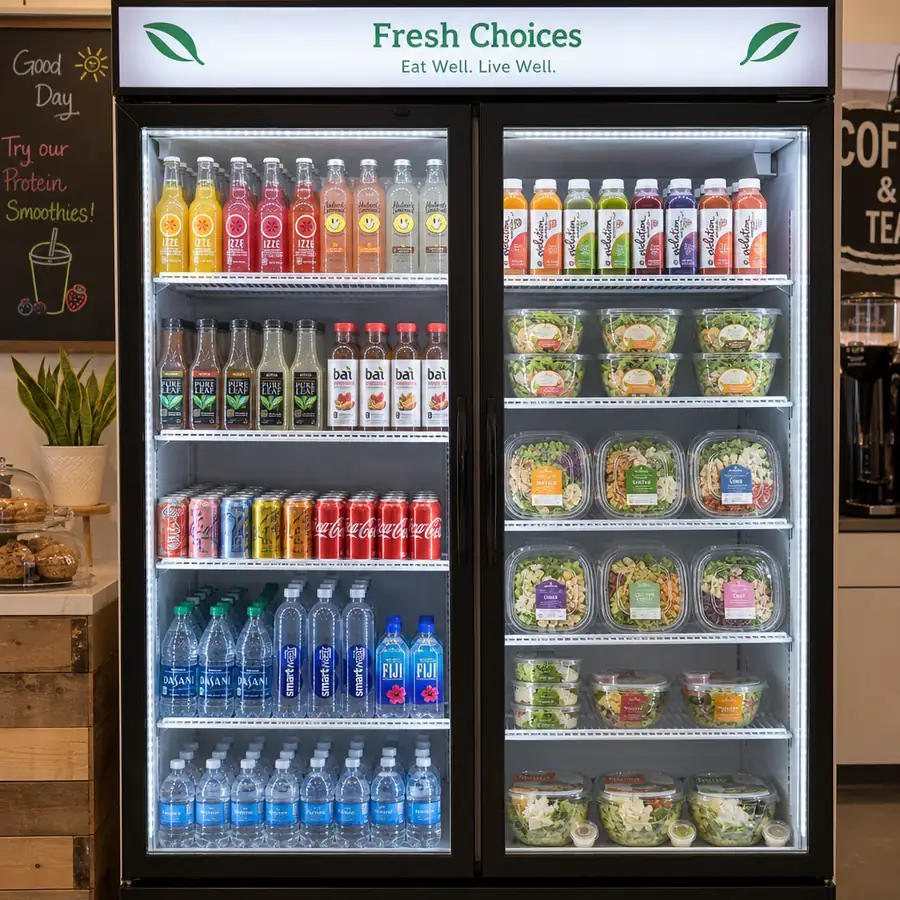
Display Refrigerators: Glass-door units meant for front-of-house customer areas.
What to Check When Buying a Used Display Fridge
If you are browsing used commercial display fridges for sale, your inspection parameters will differ slightly from back-of-house units. Because these sit in customer-facing areas, aesthetics matter. Here is what to check when buying a used display fridge:
Glass Integrity: Inspect the double-pane glass for any fogging or condensation between the layers, which indicates a broken thermal seal.
Interior Lighting: Ensure all LED strips or fluorescent bulbs are functioning, as lighting is crucial for merchandising.
Shelving: Check that the wire racks are not heavily rusted or bowing under pressure, as this looks unprofessional to customers.
Noise Levels: Since these units sit in dining or retail areas, excessive compressor noise can ruin the customer experience.
The Ultimate Inspection Phase
Finding a great listing for used commercial fridges for sale is only the first step. You must know how to inspect the unit to avoid buying a costly metal box that barely cools. Below is a comprehensive guide to evaluating pre-owned equipment.
Checklist for Inspecting Used Reach-In Coolers
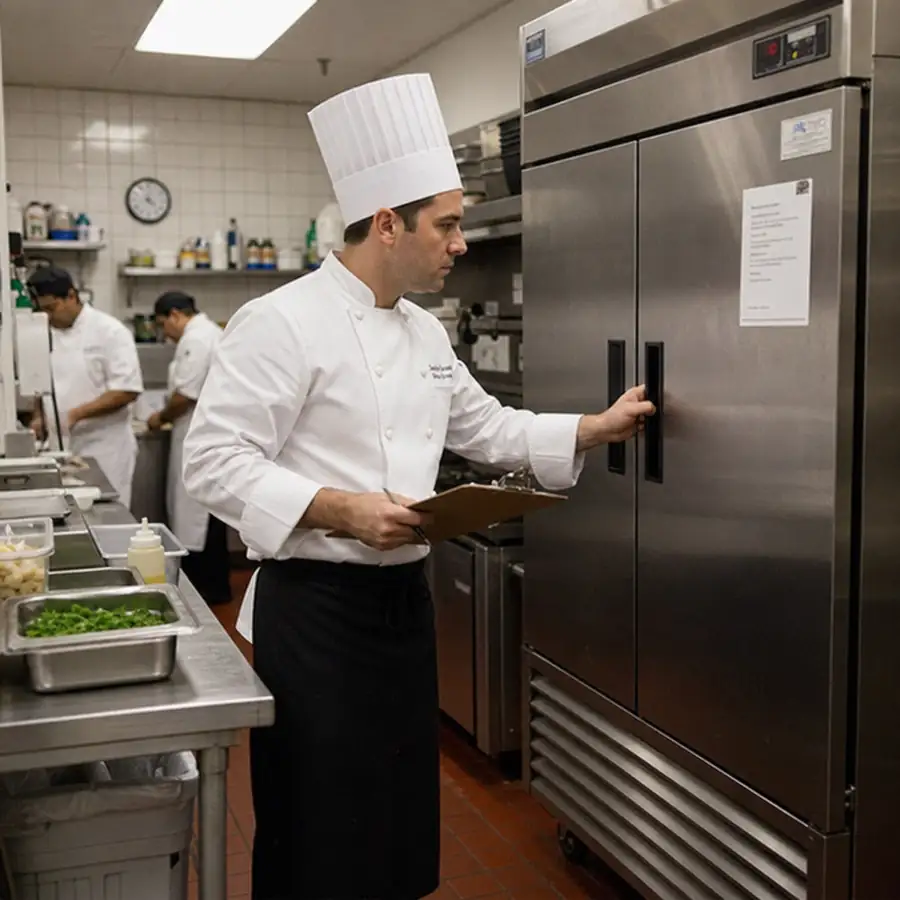
Whether you are buying from a dealer or a private seller, bring a flashlight, a screwdriver, and a thermometer. Follow this strict checklist for inspecting used reach-in coolers:
Visual Exterior Inspection: Look for severe dents or punctures in the stainless steel. While minor cosmetic scratches are fine, deep dents near the bottom could indicate damage to internal components.
Hinges and Auto-Close Mechanism: Open the door to a 90-degree angle and let it go. A good commercial door should swing shut and seal on its own.
Interior Odors: Smell the inside of the fridge. Strong, lingering odors of spoiled food or mold can be nearly impossible to remove from the internal insulation.
Temperature Pull-Down Test: Ask the seller to leave the unit unplugged before you arrive. Plug it in yourself and time how long it takes to drop to the FDA-recommended 38°F (3°C). A healthy compressor should pull the temperature down quickly and steadily.
Testing Commercial Refrigerator Door Seals
One of the most common points of failure in used fridges is the magnetic door gasket (seal). If the seal is compromised, warm kitchen air constantly seeps into the unit, forcing the compressor to run continuously, which skyrockets your energy bills and shortens the unit's life.
Testing commercial refrigerator door seals is easy using the "Dollar Bill Test."
Open the fridge door.
Place a crisp dollar bill (or a piece of paper) halfway inside the fridge and halfway out.
Close the door on the bill.
Slowly pull the bill out. You should feel noticeable resistance.
Repeat this process all the way around the perimeter of the door. If the bill slips out easily at any point, the gasket is failing. Fortunately, gaskets are relatively cheap and easy to replace, but you should use this to negotiate the price down.
Identifying Refrigerant Leaks in Used Units
A fridge that is low on refrigerant will never reach safe food storage temperatures. Identifying refrigerant leaks in used units can be tricky, but there are telltale signs:
Oil Residue: Refrigerant gas travels mixed with a special lubricating oil. If you see oily residue on the copper lines, compressor, or evaporator coil, there is likely a leak.
Ice Buildup on the Evaporator: If the coil inside the fridge is encased in a block of solid ice, the unit may be low on refrigerant, causing the coil to drop below freezing.
Hissing Sounds: Listen closely to the back of the unit when it is running. A faint hissing or bubbling sound can indicate a leak in the lines.
Energy Efficiency Ratings for Older Cooling Units
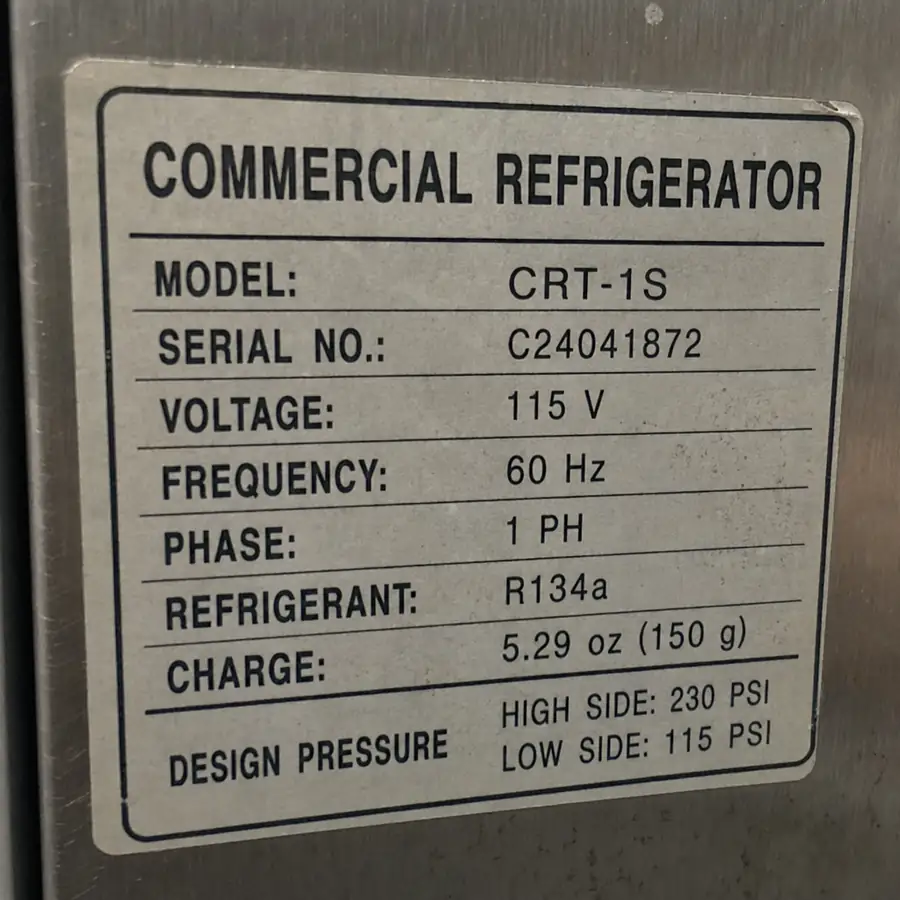
When assessing older used commercial fridges, you must consider ongoing operational costs. A unit that is 15 years old will consume significantly more electricity than a 3-year-old model. Investigate the energy efficiency ratings for older cooling units by locating the manufacturer's data plate (usually found inside the cabinet wall or on the back). Look for the amperage draw. You can calculate the estimated wattage by multiplying the Amps by the Volts (usually 115V or 230V). Compare this against modern Energy Star-certified units. Sometimes, an incredibly cheap vintage fridge ends up costing you thousands in electricity bills over a few years, negating the initial savings.
Compliance: Meeting Health and Safety Standards
Buying a used unit isn't just about saving money; it is about ensuring the food you serve is safe. Local health inspectors have strict guidelines regarding refrigeration.
Health Department Requirements for Used Refrigeration
You cannot simply buy a standard residential fridge and put it in a commercial kitchen. Health department requirements for used refrigeration demand that units maintain a consistent temperature below 41°F (5°C) at all times. The equipment must be easily cleanable, non-absorbent, and free of deep crevices where bacteria can harbor. Furthermore, inspectors will check that your unit has an easily visible, accurate external or internal ambient air thermometer. If you buy a used unit with a broken temperature dial, you will receive a health code violation.
NSF Certified Food Storage Requirements
Most local health codes require commercial kitchen equipment to be NSF (National Sanitation Foundation) certified. Look for the circular blue and silver NSF sticker on the unit. NSF certified food storage requirements dictate that the unit is built with food-grade materials, has specific protective shielding over internal lightbulbs (so glass doesn't shatter into food), and utilizes a design that facilitates easy sanitization. Never purchase a used fridge for a commercial kitchen if the NSF sticker is missing or if it was clearly designed for residential use.
Ownership Essentials: Maintenance and Upkeep
Congratulations, you have successfully navigated the market, bypassed the junk, and purchased a high-quality used commercial refrigerator. However, the journey does not end at delivery. To ensure your investment lasts another decade, proactive maintenance is mandatory.
Daily Maintenance Schedule for Industrial Coolers
In a fast-paced kitchen, a daily maintenance schedule for industrial coolers prevents minor issues from turning into catastrophic failures. Incorporate these steps into your staff's closing duties:
Wipe Down Gaskets: Staff should use a mild soap and warm water solution to gently wipe the door gaskets. Grease and acidic food spills degrade rubber quickly, causing seals to become brittle and crack.
Temperature Logging: Mandate that staff log the internal temperature of every fridge on a physical or digital clipboard twice a day (morning and night). This establishes a baseline and alerts you instantly if a unit begins to fail.
Floor Clearance: Ensure the area directly under and in front of the fridge is swept daily. Dust, napkins, and debris on the floor easily get sucked into the condenser coil.
Check Door Operations: Ensure no boxes, crates, or equipment are blocking the doors from sealing completely shut.
Commercial Fridge Condenser Coil Cleaning Guide
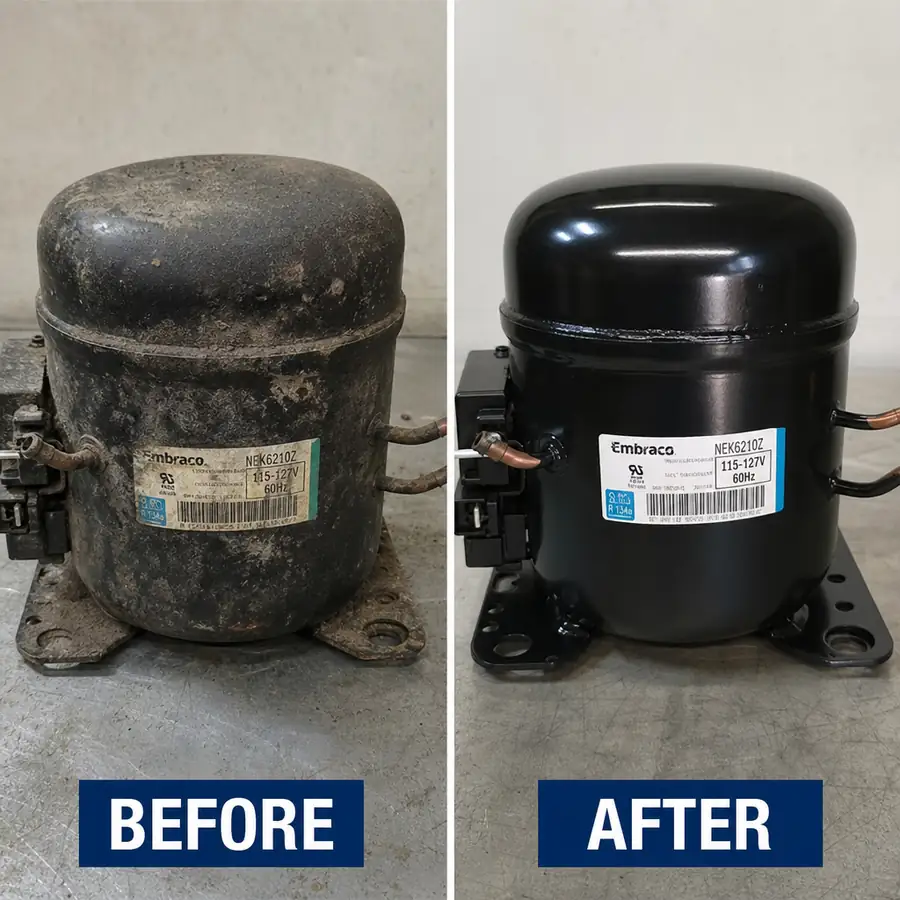
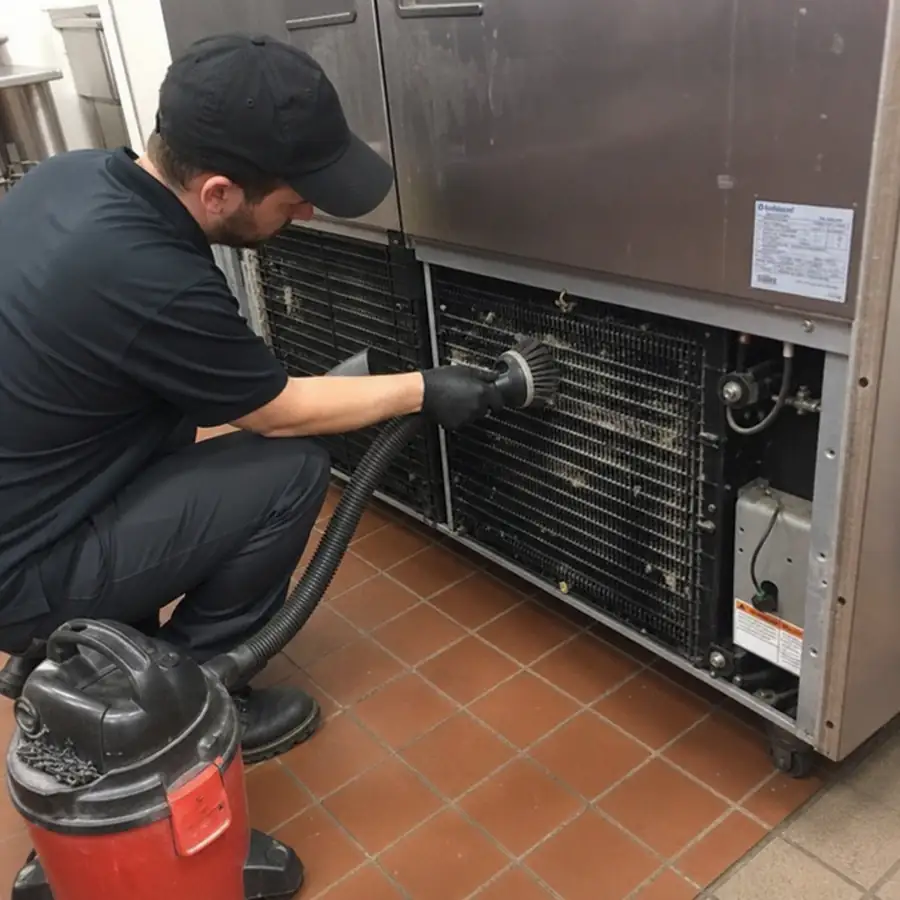
If there is one maintenance task you must master, it is cleaning the condenser coil. The condenser is responsible for dissipating the heat pulled from inside the fridge. When it becomes clogged with dust, flour, and grease, the compressor has to work twice as hard, leading to premature burnout. Follow this commercial fridge condenser coil cleaning guide once a month:
Safety First: Disconnect the power to the unit.
Locate the Coil: In most reach-in units, the coil is located either behind a lower kickplate or up on top behind a grill. It resembles a car radiator with thin metal fins.
Brush Away Debris: Using a stiff-bristled coil brush (never a wire brush, which can damage the delicate fins), gently brush the dust downward in the direction of the fins.
Vacuum: Use a shop vacuum with a narrow attachment to suck up the loosened dust and debris.
Use a Chemical Cleaner (Quarterly): For kitchens with fryers, airborne grease will coat the coil. Once every three months, apply a commercial foaming coil cleaner. Let it sit according to the instructions, and carefully wipe or rinse it away (following the manufacturer’s specific guidelines regarding rinsing).
Comb the Fins: If any of the metal fins are bent, use a "fin comb" to carefully straighten them out, restoring optimal airflow.
Troubleshooting Temperature Fluctuations in Second-Hand Fridges
Even with the best maintenance, older units occasionally act up. Before you panic and call a highly paid emergency technician, run through this checklist for troubleshooting temperature fluctuations in second-hand fridges:
Issue: The fridge is running warm (above 41°F).
Check the airflow: Are boxes stuffed all the way to the back wall? Commercial fridges rely on internal fans to circulate cold air. Overloading the fridge or blocking the fan vents is the #1 cause of warm temperatures.
Check the coils: As mentioned above, a dirty condenser coil will cause the temperature to rise.
Check the environment: Is the fridge situated directly next to a 500-degree oven or deep fryer without adequate ventilation? Ambient heat can overwhelm older units.
Issue: The fridge is too cold (freezing lettuce and liquids).
Thermostat calibration: The mechanical thermostat may have been bumped by a food pan, or it may be failing. Try adjusting it slightly. If it doesn't respond, the thermostat likely needs replacing.
Blocked sensors: Ensure the temperature probe inside the cabinet isn't covered in ice or obscured by packaging.
Issue: Puddles of water inside or under the unit.
Clogged drain line: Commercial fridges undergo a defrost cycle, melting ice off the evaporator. This water travels down a drain tube into a heated pan where it evaporates. If mold or debris clogs this tube, water will back up and leak into the cabinet or onto the floor. Unplug the line with warm water and a stiff wire.
Expanding Your Search and Building Relationships
As your business grows, you will likely need more than just one refrigerator. You might eventually need blast chillers, mega-top prep tables, or bar coolers. Building a relationship with a reputable dealer of used equipment can pay dividends.
If you are hunting for used commercial fridges, don't just rely on quick internet searches. Visit liquidation warehouses in person. Speak with the technicians who actually perform the refurbishments. Ask them which brands they see breaking down the least. A dealer who answers your questions transparently about their inspection process is a dealer worth returning to.
Furthermore, keep an eye out for local restaurant closures. While it is unfortunate when a hospitality business shuts its doors, it provides a crucial opportunity for you to acquire high-end gear at pennies on the dollar. When buying directly from a closing business, always ask for the maintenance logs. A previous owner who can provide documentation of quarterly professional servicing is offering you a highly reliable machine.
Shop Commercial Refrigeration at The Horeca Store
If reliability and long-term performance are priorities, The Horeca Store offers a wide range of new commercial refrigerators, freezers, prep refrigerators, undercounter units, backbar coolers, and other professional refrigeration equipment. Choosing new equipment can provide greater confidence in condition, warranty coverage, energy efficiency, and ongoing support. Explore The Horeca Store to find commercial refrigeration solutions designed for restaurants, cafés, hotels, bars, and other professional foodservice operations.
Conclusion
Equipping a commercial kitchen is a massive hurdle, but it doesn't have to drain your entire startup budget. By stepping into the pre-owned market, you can secure premium, professional-grade equipment that will keep your inventory safe and your health inspector happy.
Remember the core tenets of Used commercial fridges: buying, inspection, and ownership essentials: always prioritize recognized, durable brands, never skip a hands-on mechanical inspection (especially the door seals and condenser coils), verify all NSF and health department compliance, and implement a rigorous daily and monthly maintenance routine.
Whether you opt for fully refurbished units with a warranty or track down incredible deals on "as-is" secondhand machines, an informed buyer is a successful buyer. With the right care and attention, that pre-owned refrigerator will serve as the reliable, chilling heartbeat of your kitchen for many years to come.